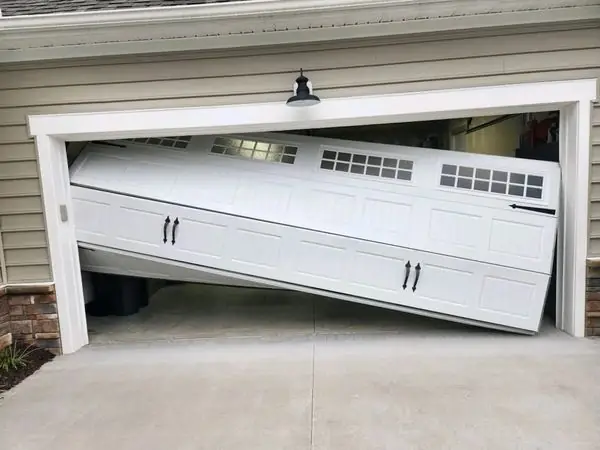
A garage door that bounces open after being closed can be frustrating and unsafe. This issue is often caused by worn springs, misaligned tracks, incorrect opener settings, or mechanical wear. A door that doesn't settle properly can damage the opener, frame, or even vehicles parked nearby. In this guide, GarageFL explains step-by-step how to troubleshoot and fix a garage door that bounces open.
Step 1: Inspect the torsion or extension springs
Springs counterbalance the weight of the garage door. If they are worn, broken, or improperly tensioned, the door may bounce after closing. To check the springs:
- Disconnect the opener by pulling the emergency release cord.
- Manually lift the door to the halfway point; it should remain in place.
- If it swings upward or downward, the springs may need adjustment or replacement.
Due to high tension, spring repair or replacement should be performed by a professional to avoid serious injury.
Step 2: Examine the garage door opener settings
The opener's force and close-limit settings control how the door moves and settles. If settings are too aggressive, the door may bounce:
- Locate the force and limit screws on the opener motor.
- Adjust the downward force so the door closes completely without reversing or bouncing.
- Set the close limit so the door fully contacts the floor gently.
Properly configured opener settings reduce bouncing and prevent damage.
Step 3: Inspect the garage door tracks
Misaligned or damaged tracks can cause uneven movement and bouncing. Check the tracks for:
- Dents, bends, or warping along the track path.
- Loose mounting brackets or fasteners.
- Obstructions such as debris, dust, or rust.
Clean, realign, and secure tracks to ensure smooth, controlled door motion.
Step 4: Check rollers and hinges
Worn or damaged rollers and hinges contribute to bouncing. Inspect for:
- Cracked, bent, or worn rollers.
- Loose or damaged hinges between panels.
- Excessive noise or friction when operating manually.
Replace rollers and hinges as needed, and lubricate moving parts with garage door-specific lubricant.
Step 5: Examine safety sensors
Infrared safety sensors can prevent proper closure if misaligned or obstructed. Inspect the sensors:
- Ensure LED lights on both sensors are illuminated.
- Clean the lenses to remove dust or debris.
- Align sensors so the beam travels directly between both units without obstruction.
Correct sensor alignment ensures the door closes fully and safely without bouncing.
Step 6: Inspect the bottom seal and floor surface
Damaged weatherstripping or uneven floors can prevent the door from settling. Check for:
- Cracked or warped bottom rubber seals.
- Uneven floor surfaces, debris, or threshold issues.
Replace seals and clear the floor path to allow the door to rest securely.
Step 7: Lubricate moving parts
Friction in rollers, hinges, or tracks can cause abrupt stops or bounce. Apply lubricant to:
- Rollers, bearings, and hinges.
- Door pivot points and shaft bearings.
Lubrication reduces resistance, quiets movement, and helps the door close smoothly.
Step 8: Check the door balance
An unbalanced door exerts uneven pressure, causing it to rebound after closure. Test balance by:
- Disconnecting the opener and lifting the door halfway.
- Observing if it remains stationary.
- If it moves up or down, springs or cables may need professional adjustment.
Balanced doors prevent bouncing and reduce stress on opener components.
Step 9: Inspect cables and pulleys
Worn or loose lift cables and damaged pulleys can create irregular tension. Check for:
- Frayed, kinked, or broken cables.
- Misaligned or worn pulleys.
- Unequal tension causing uneven closing.
Replace or repair damaged cables and pulleys to maintain smooth, controlled door motion.
Step 10: Call a professional for persistent problems
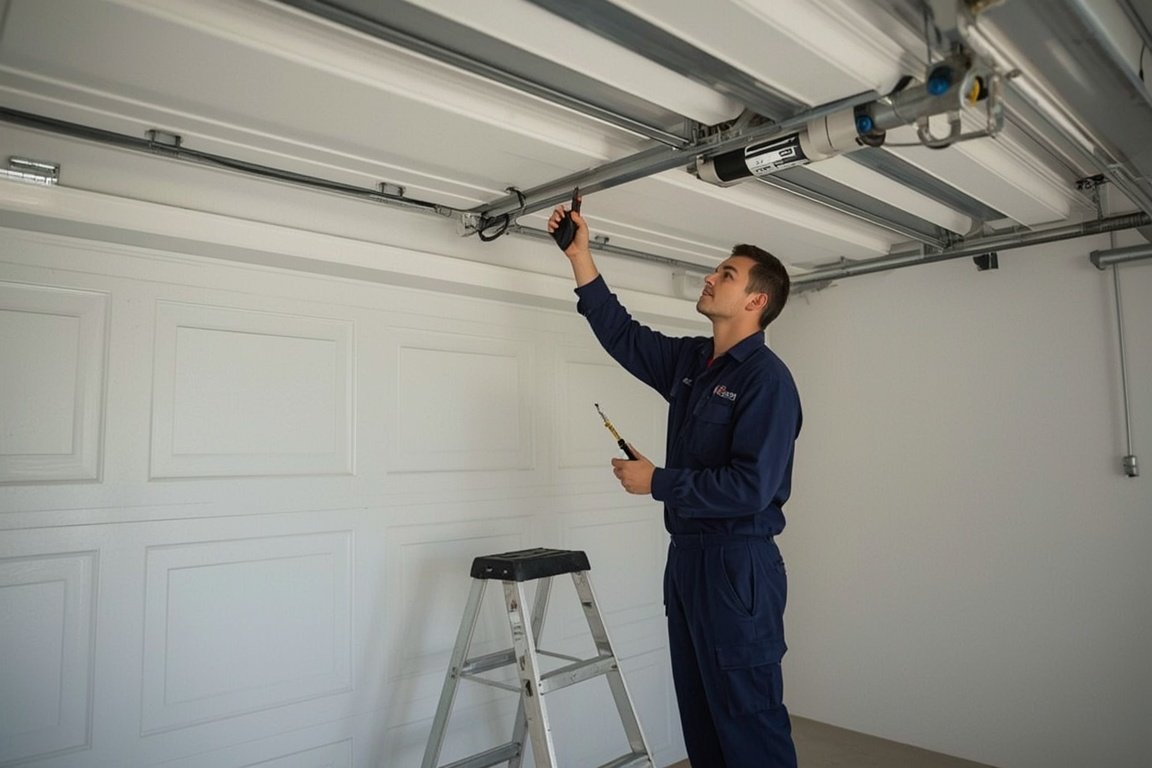
If the door continues to bounce despite adjustments, professional help is essential. GarageFL provides:
- Spring and cable replacement or adjustment.
- Track realignment and roller repair.
- Opener calibration and professional lubrication services.
Professional service ensures safe, reliable, and long-term garage door operation.
Final thoughts
A garage door that bounces open can damage the door, opener, or surrounding property while posing safety risks. Common causes include worn or broken springs, misaligned tracks, improper opener settings, mechanical wear, or sensor issues. By inspecting and addressing springs, tracks, rollers, cables, sensors, and the floor surface, and by lubricating moving parts, most bouncing issues can be resolved. For complex or persistent problems, professional service from GarageFL ensures safe, effective, and lasting solutions. Following these steps guarantees a garage door that closes securely and operates smoothly every time.
Skip the YouTube rabbit hole - we'll have a tech at your door same day across Broward, Dade and Palm Beach.