Is your garage door closing slower than usual? A sluggish garage door can be more than just an inconvenience - it may signal underlying issues that could lead to costly repairs if left unaddressed. At Garage Door Pros', we understand how important a fully functional garage door is to your home's safety and convenience. Since 2012, our team has been helping South Florida homeowners fix garage doors that close too slowly, offering expert solutions tailored to each unique situation. Whether the problem lies with the garage door opener, worn-out springs, misaligned sensors, or a need for a simple garage door tune-up, our certified technicians are here to help. With services ranging from garage door repair and opener replacement to keyless entry system installation, we ensure your door operates smoothly and efficiently. Backed by over 450 five-star reviews and a commitment to fast, affordable service, Garage Door Pros' lives by the motto: "Our work is professional, Our service is personal!" If you're in Miramar, Plantation, or anywhere in South Florida, trust us to restore your garage door's performance and your peace of mind.
Common Reasons Your Garage Door Closes Slowly
A garage door that closes too slowly can be more than just an inconvenience - it may signal underlying issues that, if left unaddressed, could lead to costly repairs or even safety hazards. Understanding the common causes behind a sluggish garage door is essential for timely maintenance and effective troubleshooting. Several mechanical and environmental factors can contribute to this problem, and identifying them is the first step toward a reliable solution.
One of the most frequent causes is worn-out or misaligned rollers. Over time, garage door rollers can accumulate dirt, rust, or simply degrade due to regular wear and tear. This friction can significantly slow down the door's movement. According to the International Door Association (IDA), "rollers should be inspected and lubricated at least twice a year to ensure smooth operation." If the rollers are damaged or off-track, they may need to be replaced entirely. You can learn more about this service by visiting our dedicated page on garage door roller replacement.
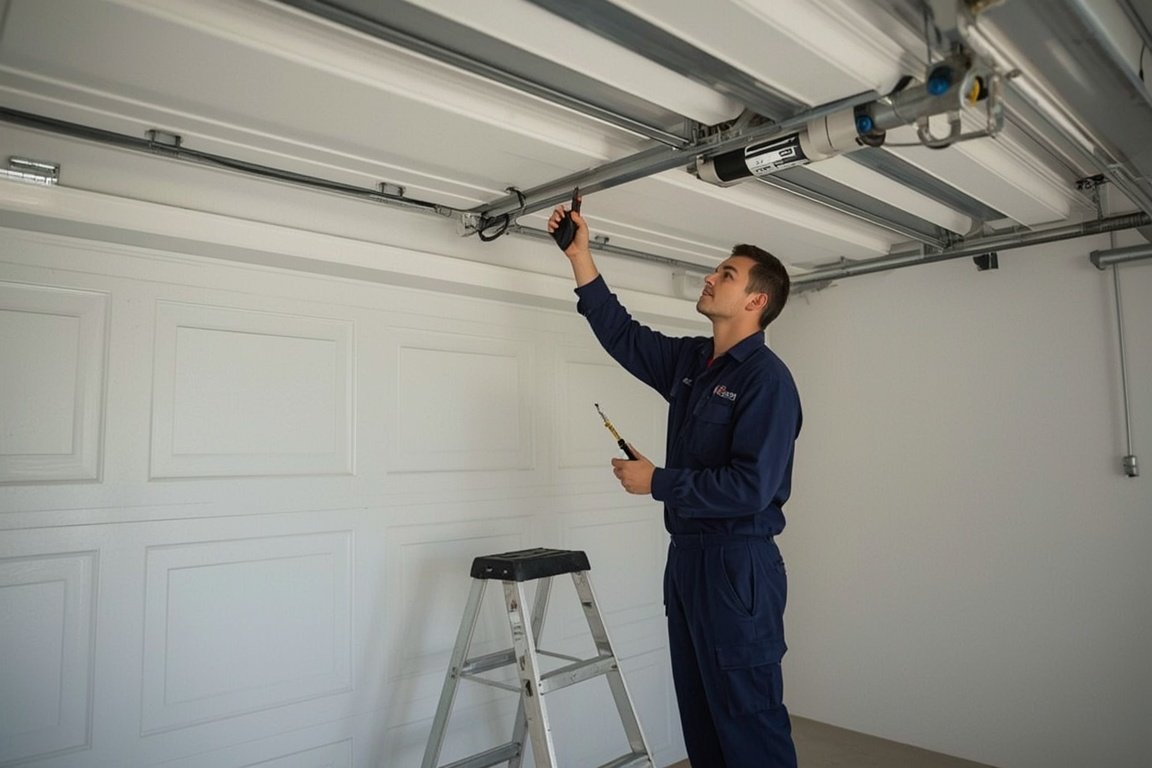
Another common culprit is a malfunctioning garage door opener. The opener's motor or internal gears may be aging or underpowered, especially if the door is heavier than average. In some cases, the speed settings on the opener might have been inadvertently adjusted to a slower pace. A professional inspection can determine whether a simple recalibration or a full garage door opener replacement is necessary.
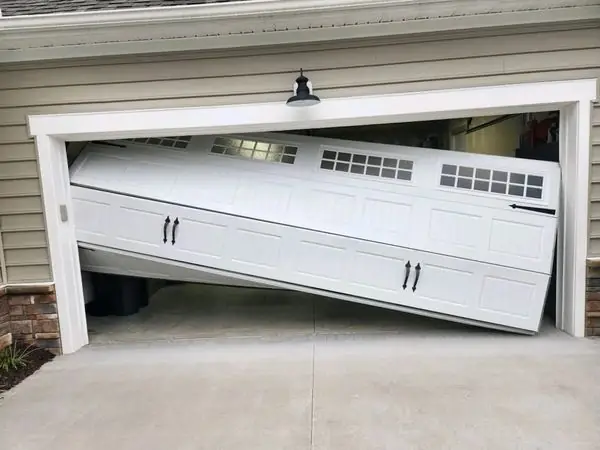
Tension springs play a critical role in the speed and balance of your garage door. If the springs are worn out or improperly tensioned, the door may struggle to close efficiently. According to the U.S. Consumer Product Safety Commission, garage door springs are under high tension and should only be adjusted by trained professionals. If you suspect spring issues, consider scheduling a service for garage door spring repair to restore optimal performance.
Sensor misalignment is another frequent issue. Modern garage doors are equipped with safety sensors that prevent the door from closing if an object is detected in its path. However, if these sensors are dirty, misaligned, or malfunctioning, they may cause the door to close slowly or stop intermittently. Cleaning the lenses and ensuring proper alignment can often resolve this issue. For more complex sensor problems, our team offers specialized services for broken garage door system sensors.
Environmental factors such as extreme temperatures, humidity, or debris in the tracks can also affect the door's closing speed. Cold weather can cause metal components to contract, increasing friction and resistance. Similarly, dirt and grime in the tracks can obstruct the door's movement. Regular maintenance, including cleaning and lubrication, is essential to mitigate these effects. For a comprehensive check-up, consider scheduling a garage door tune-up.
In some cases, the issue may stem from the door's age or outdated design. Older garage doors may lack the efficiency and technology of modern systems, making them more prone to slow operation. Upgrading to a newer model can not only resolve speed issues but also enhance security and energy efficiency. Explore our range of new garage door installations to find a model that suits your needs.
Here are some common reasons your garage door may be closing slowly:
- Worn-out or misaligned rollers causing friction and resistance
- Malfunctioning or outdated garage door opener with incorrect speed settings
- Weak or improperly tensioned springs affecting door balance
- Misaligned or dirty safety sensors interfering with door operation
- Environmental factors like cold weather or debris in the tracks
- Old or inefficient garage door systems lacking modern features
"Routine maintenance can extend the life of your garage door by up to 50 percent," notes the International Door Association.
According to a report by HomeAdvisor, the average cost of garage door repair in the U.S. varies based on scope and material but proactive maintenance can significantly reduce these expenses. Regular inspections and timely repairs not only ensure smooth operation but also enhance the safety and longevity of your garage door system.
For more information about our services or to schedule a consultation, visit our services page or reach out through our contact form. Whether you need a minor adjustment or a complete system overhaul, our experienced technicians are here to help you restore your garage door to peak performance.
Step-by-Step Guide to Speed Up Your Garage Door
If your garage door is closing too slowly, it can be more than just an inconvenience - it may signal underlying issues that need attention. Fortunately, there are several practical steps you can take to speed up your garage door and restore its optimal performance. Begin by disconnecting the garage door opener to manually inspect the door's movement. If the door feels heavy or resists movement, the problem could be related to worn-out springs or misaligned tracks. In such cases, it's best to consult a professional for a thorough inspection. Next, examine the tracks for any debris, rust, or obstructions. Clean them thoroughly and apply a silicone-based lubricant to ensure smooth operation. Avoid using grease or oil-based lubricants, as they can attract dust and grime over time.
Another critical component to inspect is the garage door opener settings. Most modern openers have adjustable speed settings. Refer to your opener's manual to locate the speed adjustment screw or dial, and increase the closing speed incrementally. Be cautious not to set it too fast, as this can compromise safety. Also, check the tension of the torsion or extension springs. If they're too loose, the door may close sluggishly. However, adjusting springs can be dangerous without the proper tools and expertise. For safety and efficiency, consider scheduling a garage door tune-up to have a professional handle these adjustments.
Inspect the rollers and hinges for signs of wear or damage. Worn-out rollers can cause friction, slowing down the door's movement. Replacing them with high-quality nylon rollers can significantly improve speed and reduce noise. Similarly, damaged or rusted hinges should be replaced to maintain smooth operation. If your garage door opener is outdated or malfunctioning, it might be time for a garage door opener replacement. Newer models offer better speed control, enhanced safety features, and quieter operation.
Sensor alignment is another factor that can affect the door's closing speed. Misaligned or dirty sensors may cause the door to hesitate or reverse unexpectedly. Clean the sensors with a soft cloth and ensure they are properly aligned. If the issue persists, the sensors may need to be repaired or replaced. You can explore solutions for broken garage door system sensors to address this problem effectively.
Finally, ensure that your garage door is balanced. An unbalanced door puts extra strain on the opener and can slow down its operation. To test the balance, disconnect the opener and manually lift the door halfway. If it doesn't stay in place, the springs may need adjustment. For long-term performance and safety, regular maintenance is essential. Scheduling periodic inspections and servicing can help identify potential issues before they become major problems. Whether you need a simple tune-up or a complete system overhaul, professional garage door services can ensure your door operates efficiently and safely.
In conclusion, a slow-closing garage door can be both frustrating and a potential safety concern, but with a little troubleshooting and maintenance, it's often an issue you can resolve yourself. By checking the tracks, lubricating moving parts, adjusting the opener settings, and inspecting the springs and cables, you can restore your garage door to smooth and efficient operation. However, if the problem persists or you're unsure about handling certain components - especially the springs - it's always best to consult a professional. Regular maintenance not only keeps your garage door functioning properly but also extends its lifespan and ensures the safety of your home.
Skip the YouTube rabbit hole - we'll have a tech at your door same day across Broward, Dade and Palm Beach.