Is your garage door jerking or shaking every time it closes? That sudden jolt isn't just annoying - it could be a sign of a deeper mechanical issue. In this guide on How to Fix a Garage Door That Jerks When Closing, we'll walk you through the most common causes and solutions. At GarageFL, we've helped thousands of South Florida homeowners restore smooth, safe garage door operation - fast and professionally.
A jerking garage door usually points to problems like misaligned tracks, worn rollers, or faulty opener settings. This article covers how to inspect and fix these issues step by step. You'll also learn when it's time to call in the pros at Garage Door Pros', trusted since 2012 for expert repairs, installations, and tune-ups across Miramar, Plantation, Hollywood, and beyond.
But that's just the beginning. We've included expert insights from LiftMaster-certified technicians and real-world fixes that work. Ready to stop the shaking and get your garage door running like new? Let's dive into the solutions that South Florida homeowners trust every day.
Identify the Type of Garage Door System
Garage door systems come in four main types: chain drive, belt drive, screw drive, and direct drive. Each operates differently and can influence jerky movement during closing. Chain drive systems use a metal chain to move the door. They're durable but often noisy and prone to vibration, which may cause uneven motion. Belt drive systems, on the other hand, use a rubber belt. They run quietly and smoothly, but worn belts can slip and create jerks.
Screw drive systems rely on a threaded steel rod. These are powerful and fast, yet temperature changes can affect their performance. Direct drive systems use a stationary chain inside a steel rail, with the motor itself moving the door. They're the quietest and most reliable, but rare in older homes.
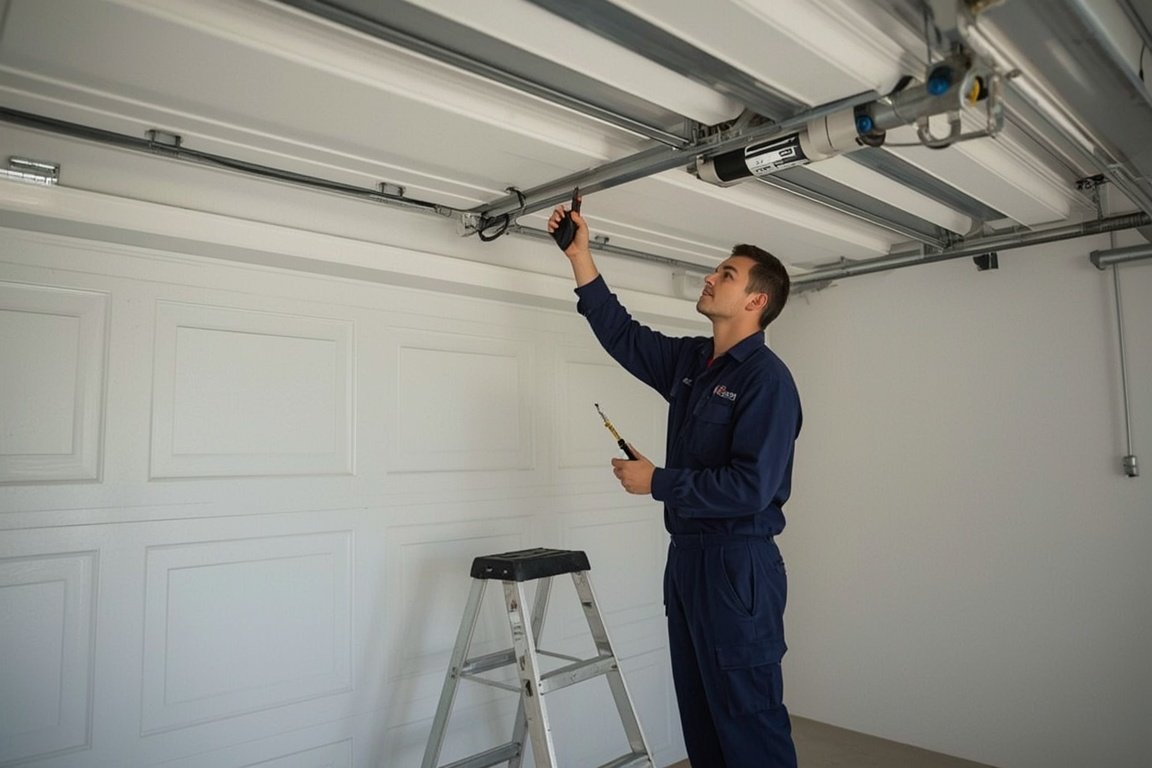
To identify your system, look at the opener mechanism above your garage door. A visual inspection can help determine the type. If unsure, consider scheduling a garage door tune-up or a safety inspection. Knowing your system type is the first step toward fixing jerky movements effectively.
Understand the Common Causes of Jerky Garage Door Movement
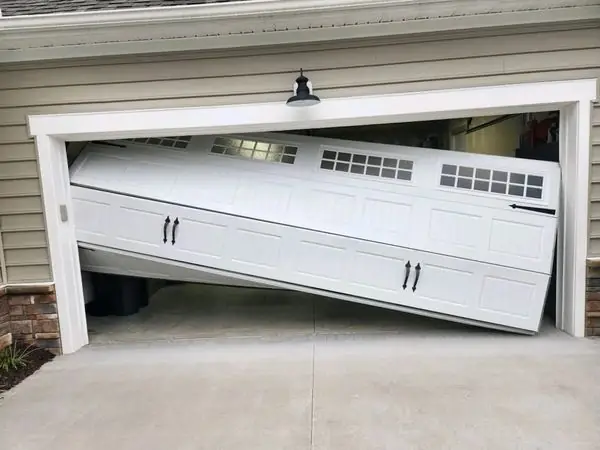
A jerky garage door often signals underlying mechanical issues. Misaligned tracks are a top culprit. When tracks shift, the door struggles to glide smoothly. You might hear grinding noises or see the door wobble. Worn-out rollers also cause uneven movement. If your door squeaks or drags, the rollers may need replacement. Broken springs are another common issue. A door that slams shut or refuses to stay open likely has a spring problem. Faulty openers can also lead to jerking. If the motor strains or the door stops mid-cycle, the opener might be failing.
Check for visible damage or unusual sounds during operation. Uneven gaps, slow movement, or sudden stops are red flags. Never attempt to fix high-tension parts like springs on your own. These components can cause serious injury. For safety, always consult a professional.
Explore our expert garage door repair services for reliable solutions. If your opener is the issue, consider our garage door opener repair options. Prompt attention prevents further damage and ensures smooth, safe operation.
Inspect the Garage Door Tracks
Begin by disconnecting the garage door opener to avoid accidental movement. Manually lift the door halfway and secure it. Use a flashlight to examine both tracks from top to bottom. Look for built-up dirt, small debris, or any visible dents. Even minor bends or misalignments can cause jerky motion during operation.
Wipe the tracks with a clean cloth and a mild household cleaner. Avoid using grease or oil, as it attracts more dirt. If you notice dents, gently tap them out with a rubber mallet. For misaligned tracks, loosen the mounting brackets slightly. Adjust the track until it's straight, then retighten the bolts.
Check that both tracks are parallel and evenly spaced from the door. Uneven spacing can lead to binding and erratic movement. If the issue persists, consider scheduling a professional tune-up to prevent further damage.
For more complex issues, such as damaged rollers or cables, seek expert garage door repair services. Regular inspections help maintain smooth operation and extend your system's lifespan.
Examine and Lubricate Moving Parts
Start by inspecting all essential components. Focus on rollers, hinges, springs, and tracks. These parts endure constant motion and friction. Over time, they collect dust and debris, which can cause jerking or grinding. Clean each part thoroughly before applying lubricant.
Use a high-quality silicone-based or lithium-based spray. These options reduce friction without attracting dirt. Avoid grease or WD-40, as they can gum up the system. Apply lubricant in short bursts to each hinge and roller. For springs, coat them evenly while the door is closed. Wipe off any excess to prevent buildup.
Lubricate moving parts every six months. In high-use households, consider quarterly maintenance. Always test the door after lubrication to ensure smooth operation. If issues persist, schedule a tune-up with a professional.
Regular maintenance extends the life of your system. It also prevents costly repairs down the line. For persistent problems, explore our garage door repair services. Keeping your garage door in peak condition starts with proper lubrication and timely care.
Check the Garage Door Rollers
Worn or damaged rollers often cause uneven, jerky garage door movement. As they degrade, they create friction and resistance. This strain can lead to misalignment and further mechanical issues. To inspect them, disconnect the opener and manually lift the door halfway. If it doesn't stay in place, the rollers may be faulty. Examine each roller for cracks, chips, or wobbling. Also, check if they glide smoothly along the track.
To replace them, start by securing the door in the open position. Use locking pliers to hold it in place. Remove the brackets holding the rollers, but never touch the bottom ones under tension. Slide the old roller out and insert the new one. Reattach the bracket and repeat for each roller. Once done, test the door manually before reconnecting the opener.
For professional help, explore our roller replacement service. If your door still jerks, a full tune-up might be necessary. Don't ignore the signs - smooth operation starts with healthy rollers.
Inspect and Adjust the Garage Door Springs
Torsion and extension springs play a vital role in lifting and lowering your garage door smoothly. Torsion springs sit above the door, twisting to create tension. Extension springs stretch along the sides, expanding and contracting with movement. When either type becomes worn or breaks, the door may jerk or move unevenly. This imbalance puts stress on the opener and other components.
A jerking motion often signals a spring issue. Uneven tension causes the door to shift abruptly, making operation unsafe. Ignoring this can lead to further damage or complete failure. Always inspect for visible gaps, rust, or stretched coils. However, never attempt to adjust or replace springs yourself. These parts are under extreme tension and can cause serious injury.
For safety, contact a professional for any spring-related issues. Our expert team offers reliable spring repair services to restore smooth operation. You can also explore our full range of garage door services for comprehensive support. Don't risk a DIY fix - let trained technicians handle it safely and efficiently.
Evaluate the Garage Door Opener System
A jerky garage door often points to issues within the opener system. Faulty settings or internal malfunctions can disrupt smooth operation. Begin by unplugging the opener and inspecting the unit for visible damage. Next, check the force and travel limits. These settings control how far and how hard the door moves. If set too high or low, the door may jerk or stop mid-cycle.
Use the manual or manufacturer's guide to locate the adjustment screws. Turn them slightly and test the door after each change. Avoid over-adjusting, as this can worsen the issue. Also, inspect the opener's chain or belt for slack or wear. Tighten or replace if necessary.
If the door still jerks, consider checking the sensors and wiring. Loose connections or misaligned sensors can interfere with signals. For persistent problems, professional help may be needed. Explore our garage door opener repair services for expert solutions. You can also schedule a garage door tune-up to ensure all components work in harmony. Regular maintenance prevents future disruptions and extends the system's lifespan.
Test and Adjust the Door Balance
A well-balanced garage door ensures smooth operation and reduces strain on the opener. An unbalanced door can jerk, wear out components, or become unsafe. To test the balance, disconnect the opener by pulling the release handle. Manually lift the door halfway and let go. If it stays in place, the balance is correct. If it falls or rises, adjustments are needed.
To adjust, locate the torsion springs above the door. Tighten or loosen them carefully using winding bars. Always wear safety gear and proceed with caution. If you're unsure or uncomfortable, contact a professional immediately. Mishandling springs can cause serious injury.
Routine maintenance helps prevent balance issues. Consider scheduling a garage door tune-up to keep everything in top shape. If the problem persists, it may signal deeper issues like worn cables or damaged rollers. In that case, explore our garage door repair services for expert help.
Don't ignore balance problems. They can lead to costly repairs or safety hazards. Regular checks keep your garage door running smoothly and extend its lifespan.
Perform a Full System Reset and Calibration
Start by unplugging the garage door opener for 30 seconds. Plug it back in to initiate a system reset. Locate the "Learn" or "Program" button on the opener unit. Press and hold it until the LED light turns off. This erases all previous settings and remote pairings.
Next, recalibrate the open and close limits. Press the "Up" button to set the open position. Hold it until the door reaches the desired height. Press "Set" to save. Repeat the process using the "Down" button to define the close limit. Confirm the settings by pressing "Set" again.
After calibration, sync your remote and wall controls. Press the "Learn" button once, then press the remote button within 30 seconds. The LED will blink to confirm pairing. Repeat for wall controls.
If issues persist, consider a professional garage door opener repair. For long-term reliability, schedule a routine garage door tune-up. These steps ensure smooth operation and prevent future jerking or misalignment.
Preventative Maintenance Tips to Avoid Future Issues
To keep your garage door running smoothly, follow a simple maintenance checklist. Lubricate all moving parts monthly, including rollers, hinges, and tracks. Tighten loose bolts and screws. Test the balance by disconnecting the opener and lifting the door manually. It should stay halfway open. Clean the tracks regularly to prevent debris buildup.
Inspect your garage door system every season. In spring and fall, check the weather seal and replace it if cracked. During winter, ensure the opener responds quickly and the door doesn't freeze shut. In summer, look for signs of warping or expansion.
Watch for early signs of wear. If the door jerks, makes grinding noises, or moves unevenly, act fast. These issues often point to worn rollers or misaligned tracks. Schedule a garage door tune-up to catch problems early.
Don't ignore frayed cables or rusted springs. These can lead to sudden failures. For expert help, explore our services page or reach out through our contact form. Regular care saves money and extends your garage door's life.
Frequently Asked Questions (FAQs)
A garage door may jerk only when closing due to gravity assisting the descent. This reduces motor control and increases strain. In contrast, opening requires more consistent motor effort, making movement smoother. You can handle basic fixes like tightening loose hardware or applying lubricant. However, tasks involving springs, cables, or sensors should be left to professionals. For expert help, explore our garage door repair services.
Lubricate your garage door components every three to six months, depending on usage. High-traffic doors may need more frequent attention. Use a silicone-based or lithium-based lubricant. These options resist dust buildup and perform well in varying temperatures. Avoid grease or WD-40, which can attract grime.
A jerky garage door can be dangerous. It may signal failing parts that could break unexpectedly. Stop using the door and schedule a repair immediately. Repair costs typically varies based on scope and material depending on the issue. Weather changes can also affect performance. Cold temperatures may stiffen parts, while humidity can cause swelling or rust.
For more help, check our FAQ page or contact our team directly.
Skip the YouTube rabbit hole - we'll have a tech at your door same day across Broward, Dade and Palm Beach.