Ever hit your garage door remote, only to watch the door start to open and then suddenly reverse back down? Frustrating, right? You're not alone. This is a common issue that many homeowners face, and the good news is - it's usually fixable without replacing the entire system. Whether you're dealing with a faulty sensor, misaligned tracks, or a worn-out opener, this guide will walk you through the most common causes and how to fix them.
At GarageFL, we specialize in garage door repair, garage door installation, and maintenance across South Florida. We're licensed, insured, and trusted by thousands of homeowners. Need help fast? Call us for same-day garage repair today!
📋 Outline
- Why Does Your Garage Door Reverse?
- Check the Safety Sensors
- Inspect the Tracks and Rollers
- Test the Garage Door Opener Settings
- When to Call the Pros
🔍 Why Does Your Garage Door Reverse?
When your garage door opens and then immediately reverses, it's usually a sign that something's not quite right with the system. Modern electric garage door openers are designed with built-in safety features that prevent the door from closing on objects or people. If the system detects an issue, it will automatically reverse the door to avoid damage or injury.
Here are a few common culprits:
- Misaligned or dirty safety sensors
- Obstructions in the door's path
- Worn-out rollers or bent tracks
- Incorrect opener force or limit settings
- Broken springs or cables
Understanding the root cause is the first step to a proper fix. If you're unsure, our team at GarageFL offers safety inspections to diagnose the issue quickly and accurately.
And if you're in South Florida, you're in luck - GarageFL provides residential garage door service with fast response times and expert technicians.
👁️ Check the Safety Sensors
Let's start with the most common issue: the safety sensors. These little devices are located near the bottom of your garage door tracks, and they shoot an invisible beam across the door opening. If anything interrupts that beam - even dust or a spider web - the door will reverse as a safety precaution.
Here's how to troubleshoot:
- Inspect the sensors for dirt, cobwebs, or debris. Clean them gently with a soft cloth.
- Check alignment. Both sensors should face each other directly. If one is slightly off, the beam won't connect.
- Look for blinking lights. Most sensors have LED indicators. A blinking light usually means misalignment or obstruction.
If cleaning and realigning the sensors doesn't solve the issue, you might be dealing with a faulty sensor system. In that case, check out our sensor repair services or contact GarageFL for a quick fix.
We also offer keyless entry system upgrades that work seamlessly with your sensors and opener for added convenience and security.
🛠️ Inspect the Tracks and Rollers
Next up - let's talk about the tracks and rollers. If your garage door is struggling to move smoothly, it might be due to bent tracks or worn-out rollers. When the door encounters resistance, the opener may interpret it as an obstruction and reverse the door.
Here's what to do:
- Examine the tracks for bends, dents, or debris. Use a rubber mallet to gently straighten any minor bends.
- Check the rollers. If they're cracked or not rolling smoothly, it's time for a replacement.
- Lubricate moving parts with a silicone-based garage door lubricant. Avoid WD-40 - it's not ideal for garage doors.
Still having issues? You might need a roller replacement or a full garage door tune-up. Our team at GarageFL can handle it all - fast, affordable, and done right the first time.
We also offer hinge replacements and weather seal upgrades to keep your system running smoothly and quietly.
⚙️ Test the Garage Door Opener Settings
Sometimes, the issue lies in the brain of the operation - your garage door opener. If the force or limit settings are off, your door might think it's hitting something when it's not, causing it to reverse.
Here's how to adjust it:
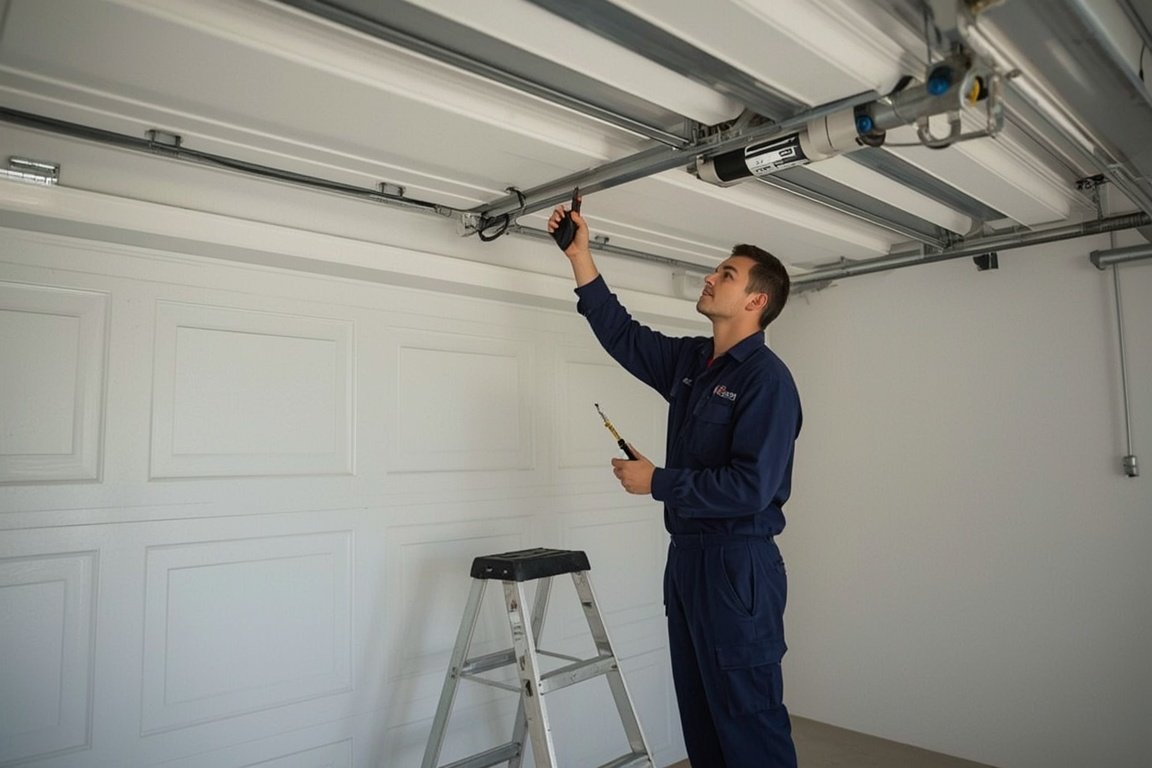
- Locate the force and limit adjustment screws on your opener unit (usually labeled).
- Use a screwdriver to make small adjustments - turn clockwise to increase force or travel distance.
- Test the door after each adjustment to see if the problem is resolved.
Be careful not to overdo it. Too much force can be dangerous. If you're unsure, it's best to call in the pros. We specialize in garage door opener replacement and opener repair, including top brands like LiftMaster garage openers.
Want to upgrade? Consider a smart garage door opener for remote access, scheduling, and real-time alerts. It's like giving your garage door a brain!
📞 When to Call the Pros
If you've tried all the above and your garage door still opens then reverses, it might be time to bring in the experts. Some issues - like broken spring repair or cable replacement - can be dangerous to tackle on your own.
Here's when to call GarageFL:
- You hear loud banging or popping sounds
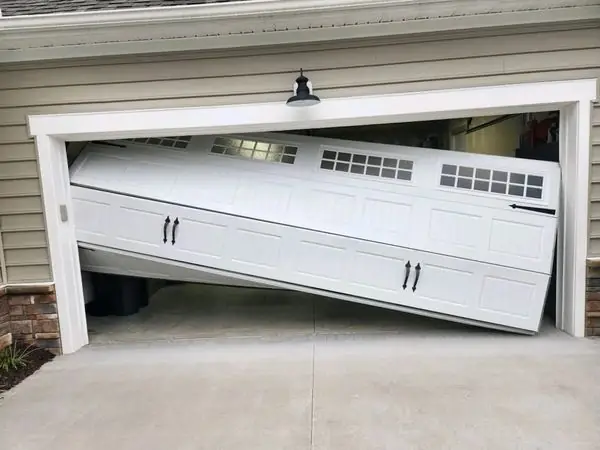
- The door is crooked or sagging
- The opener hums but the door doesn't move
- You suspect a broken spring or snapped cable
We offer same-day garage repair across South Florida, and our team is trained to handle everything from new garage door sales to motor repair and remote replacements.
Need help choosing the right door? We also specialize in custom garage doors, luxury garage doors, and hurricane-rated doors for ultimate protection and style.
✅ Conclusion
So, there you have it! A garage door that opens and then reverses can be a real headache, but with a little troubleshooting, you can often fix it yourself. Start with the sensors, check the tracks and rollers, and don't forget to test your opener settings. And if all else fails, don't hesitate to call in the pros at GarageFL.
We're your go-to team for garage door repair, garage door installation, and everything in between. Serving all of South Florida with fast, reliable, and affordable service. Call us today and let's get your garage door back on track!
❓ Frequently Asked Questions
What causes a garage door to reverse after opening?
This usually happens due to misaligned safety sensors, obstructions in the door's path, or incorrect opener settings. It's a safety feature built into most modern garage door systems.
Can I fix a reversing garage door myself?
Yes, in many cases! Start by cleaning and aligning the sensors, checking for obstructions, and adjusting the opener settings. If the issue persists, it's best to call a professional.
How do I know if my garage door spring is broken?
If your door is heavy, won't open fully, or you hear a loud bang, you might have a broken spring. This is dangerous to fix on your own - call GarageFL for expert broken spring repair.
Should I replace my garage door opener?
If your opener is over 10 years old, makes strange noises, or lacks modern features like Wi-Fi or battery backup, it might be time for a garage door opener replacement.
Does GarageFL offer emergency garage door services?
Absolutely! We provide same-day garage repair across South Florida. Whether it's a broken spring, faulty opener, or stuck door, we've got your back - fast and professionally.
Skip the YouTube rabbit hole - we'll have a tech at your door same day across Broward, Dade and Palm Beach.