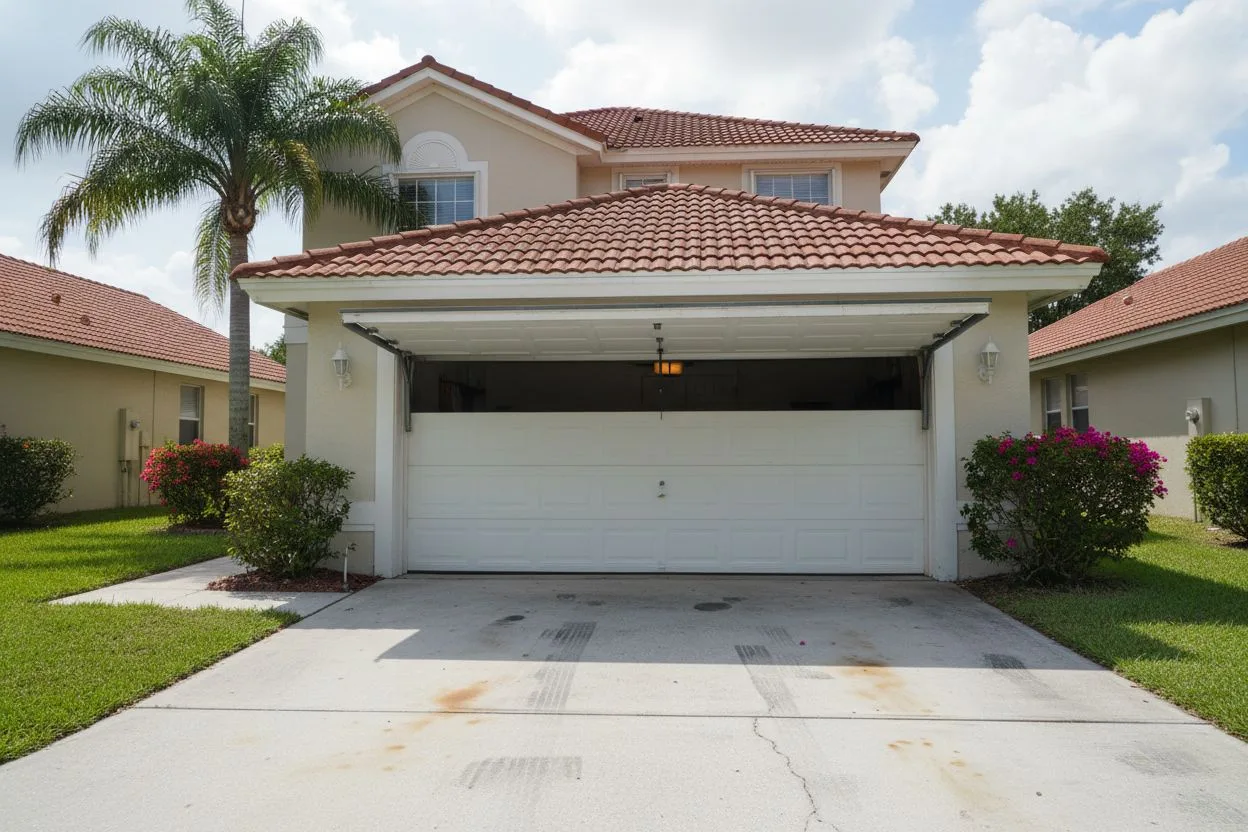
Is your garage door opening too high and causing safety concerns or operational issues? You're not alone - this is a common problem many homeowners face. Knowing how to fix a garage door that opens too high can save you time, money, and prevent potential damage to your garage door system. Whether it's a misaligned limit switch, faulty garage door opener settings, or worn-out components, identifying the root cause is the first step toward a reliable solution. At Garage Door Pros, we excel in swift, affordable garage door solutions in Pembroke Pines and beyond. With years of experience in garage door repair and installation across Fort Lauderdale, our team is here to help you restore your garage door's proper function quickly and efficiently. In this guide, we'll walk you through practical steps to troubleshoot and fix a garage door that opens too far, ensuring your home stays secure and your garage door operates smoothly.
Understanding the Problem: Why Your Garage Door Opens Too High
When your garage door opens too high, it may seem like a minor inconvenience at first. However, this issue can lead to significant problems over time, including safety hazards, mechanical wear, and even property damage. Understanding why your garage door opens beyond its intended limit is the first step toward resolving the problem effectively. This behavior is often rooted in the mechanics and settings of the garage door system, and identifying the underlying causes can help you determine whether a simple adjustment or a professional repair is necessary.
One of the most common reasons a garage door opens too high is incorrect limit settings on the garage door opener. Most modern garage door openers are equipped with adjustable limit switches that control how far the door travels when opening and closing. If these settings are not calibrated correctly, the door may continue to rise past the point where it should stop. This can cause the door to hit the opener's stop bolt or even the ceiling, potentially damaging the door or the opener mechanism.
Another potential cause is a malfunctioning or misaligned travel module. The travel module is responsible for regulating the distance the garage door travels. If it becomes faulty or misaligned, it can send incorrect signals to the opener, causing the door to open too far. This issue is more common in older garage door systems or those that have not been maintained regularly.
Torsion or extension springs also play a crucial role in the operation of your garage door. If these springs are too tight or have been replaced with incorrect tension levels, they can exert excessive force, causing the door to rise too quickly and too high. This not only affects the door's stopping point but also puts undue stress on the entire system. For more information about spring-related issues, you can visit our page on garage door broken springs repair.
Sensor misalignment is another factor that can lead to improper door operation. Garage doors are equipped with safety sensors that detect obstacles and ensure the door stops or reverses when necessary. If these sensors are not aligned correctly, they may fail to detect the door's position accurately, causing it to open too far. This is particularly dangerous as it can lead to the door slamming shut unexpectedly or failing to close properly.
In some cases, the issue may stem from the garage door tracks or rollers. If the tracks are bent, misaligned, or obstructed, they can interfere with the door's movement, causing it to overshoot its intended stopping point. Similarly, worn-out or damaged rollers can affect the smooth operation of the door, leading to erratic behavior. Regular inspection and maintenance of these components are essential to prevent such issues.
It's also worth considering whether recent changes or repairs to your garage door system may have inadvertently caused the problem. For example, if a new opener was installed or if the door was recently serviced, the limit settings may not have been adjusted correctly. Always ensure that any installation or repair work is carried out by qualified professionals who understand the intricacies of garage door systems. Learn more about our professional services on our service page.
Environmental factors can also play a role. For instance, extreme temperatures can affect the metal components of your garage door system, causing them to expand or contract. This can lead to misalignment or changes in tension, which in turn can affect how high the door opens. Regular seasonal maintenance can help mitigate these effects and ensure your garage door operates smoothly year-round.
According to the International Door Association (IDA), improper garage door operation is one of the leading causes of household injuries related to garage systems. A door that opens too high can pose a risk to people and property, especially if it detaches from the opener or falls unexpectedly. Ensuring that your garage door operates within safe parameters is not just a matter of convenience but also of safety.
"Garage doors are the largest moving object in your home and can weigh more than 400 pounds. Improper operation or maintenance can lead to serious injury or even death." - U.S. Consumer Product Safety Commission
To better understand the potential causes of a garage door opening too high, consider the following examples:
- A homeowner in Weston noticed their garage door hitting the ceiling every time it opened. Upon inspection, it was found that the limit switch on the opener was set too high. Adjusting the limit resolved the issue. For similar services, visit our Weston repair and installation service page.
- In Davie, a garage door was opening erratically due to a faulty travel module. Replacing the module and recalibrating the opener restored normal operation. Learn more about our Davie repair services.
- A resident in Pembroke Pines experienced a door that opened too high after a DIY spring replacement. The new springs were too tight, causing excessive lift. Professional adjustment corrected the problem. Visit our Pembroke Pines experts for assistance.
If you're unsure about the cause of your garage door issue, it's always best to consult with a professional. Attempting to fix the problem without proper knowledge can lead to further damage or injury. Our team at GarageFL is equipped with the expertise and tools needed to diagnose and repair a wide range of garage door problems. Whether you need a simple adjustment or a complete system overhaul, we're here to help.
For those looking to learn more about garage door systems and common issues, our blog offers a wealth of information. You can also find answers to frequently asked questions on our FAQ page. If you need immediate assistance or want to schedule a service, don't hesitate to reach out through our contact us page.
In conclusion, a garage door that opens too high is more than just an annoyance - it's a sign that something in your system is not functioning correctly. By understanding the potential causes, from limit switch misadjustments to spring tension issues, you can take the necessary steps to address the problem. Regular maintenance, professional inspections, and timely repairs are key to ensuring your garage door operates safely and efficiently.
Safety Precautions Before Starting Repairs
Before attempting any repairs on a garage door that opens too high, it is essential to prioritize safety to prevent injuries and avoid causing further damage to the door system. Garage doors are heavy, tension-loaded systems that can be hazardous if not handled properly. One of the first steps is to disconnect the power supply to the garage door opener. This prevents the door from being activated accidentally while you are working on it. Locate the power cord and unplug it from the outlet, or turn off the circuit breaker that controls the garage door opener. This simple step can significantly reduce the risk of electrical shock or unexpected door movement.
Next, ensure that the garage door is in a stable position. If the door is stuck in an open position or partially raised, use locking pliers or clamps to secure the tracks just below the bottom rollers. This will prevent the door from suddenly falling, which could cause serious injury or damage. It is also advisable to avoid working alone. Having a second person nearby can be helpful in case of emergencies and can assist in holding tools or stabilizing the door during repairs.
Wearing appropriate safety gear is another crucial precaution. Use safety glasses to protect your eyes from dust, debris, or snapping springs. Heavy-duty gloves can protect your hands from sharp edges and moving parts. Avoid wearing loose clothing or jewelry that could get caught in the door mechanism. Footwear should be sturdy and non-slip to provide good traction while working in the garage.
Understanding the type of garage door system you are dealing with is also important. Different systems, such as torsion spring or extension spring setups, have unique safety considerations. Torsion springs, for example, are mounted above the door and are under high tension. Attempting to adjust or repair these without the proper tools and knowledge can be extremely dangerous. If your garage door uses torsion springs and you suspect they are contributing to the issue of the door opening too high, it is best to consult a professional. You can learn more about spring-related issues by visiting our page on garage door broken springs repair.
Before starting any adjustments, inspect the entire garage door system for signs of wear or damage. Look for frayed cables, bent tracks, loose hardware, or worn rollers. Identifying these issues early can prevent accidents and help you determine whether a simple adjustment will fix the problem or if more extensive repairs are needed. If you are unsure about the condition of your garage door components, consider reaching out to our experienced team through our contact page for guidance.
It is also wise to familiarize yourself with the garage door opener's manual and manufacturer's instructions. These documents often contain specific safety warnings and step-by-step procedures tailored to your model. Following these guidelines can help you avoid common mistakes and ensure that any adjustments are made correctly.
Lastly, if you feel uncertain about any aspect of the repair process, do not hesitate to seek professional help. Garage door systems are complex, and improper handling can lead to costly damage or serious injury. Our team at GarageFL is always ready to assist with expert advice and reliable repair services. You can explore more about our range of services by visiting our service page.
Taking these safety precautions seriously is the first and most important step in addressing a garage door that opens too high. By preparing properly and knowing your limits, you can ensure a safer and more effective repair process.
Inspecting the Garage Door Opener Settings
When your garage door opens too high, one of the most common culprits is incorrect settings on the garage door opener. Modern garage door openers are equipped with adjustable settings that control how far the door travels when opening and closing. These settings are crucial for ensuring the door operates within safe and functional limits. If the door opens beyond its intended height, it can cause unnecessary strain on the system, potentially leading to damage or misalignment over time. To address this issue, a thorough inspection of the opener settings is essential.
Begin by locating the travel limit adjustment screws or dials on your garage door opener. These are typically found on the side or back of the motor unit, often labeled as "up limit" and "down limit." The "up limit" setting determines how far the door will open. If this setting is too high, the door may continue to rise beyond the frame, which can cause the rollers to come off the track or the door to hit the stop bolt too forcefully. Adjusting this setting involves turning the screw or dial in small increments, usually clockwise to decrease the travel distance and counterclockwise to increase it. Always refer to your opener's user manual for specific adjustment instructions, as the process can vary slightly between models.
Before making any adjustments, ensure the garage door is in the closed position and disconnect the opener from the power source to prevent accidental activation. Safety should always be a priority when working with mechanical systems. Once the power is off, use a ladder to access the opener unit and locate the adjustment controls. Make small changes and then test the door's operation by reconnecting the power and activating the opener. Observe how high the door opens and whether it stops at the desired point. It may take a few attempts to fine-tune the setting accurately.
In some cases, the issue may not be with the limit settings themselves but with the opener's logic board or sensors. If the door continues to open too high despite adjustments, it could indicate a malfunction in the opener's internal electronics. In such situations, it may be necessary to consult a professional technician to diagnose and repair the problem. You can find more information about professional services by visiting our garage door repair service page, where we offer comprehensive solutions for all types of opener issues.
Additionally, it's important to inspect the condition of the opener's chain or belt drive. Over time, these components can stretch or wear out, affecting the door's movement range. A loose chain or belt may cause the door to overshoot its intended stop point. Tightening or replacing these parts can help restore proper function. Regular maintenance, including lubrication and alignment checks, can also prevent such issues from arising in the first place.
Another factor to consider is the compatibility of the opener with your specific garage door model. If the opener is not properly matched to the door's size and weight, it may not respond correctly to limit settings. This is especially true for custom or oversized doors, which may require specialized openers. If you suspect compatibility issues, it's advisable to consult with a garage door expert. Learn more about the different types of systems and their requirements by exploring our detailed guide on types of garage doors.
It's also worth noting that environmental factors such as temperature and humidity can affect the performance of garage door openers. In colder climates, for example, the lubricant on the tracks and rollers may thicken, causing the door to move differently than in warmer conditions. This can lead to inconsistencies in how far the door opens or closes. Periodic recalibration of the opener settings may be necessary to accommodate these changes.
If you've recently installed a new garage door or opener, it's possible that the initial settings were not configured correctly. During installation, technicians should calibrate the opener to match the door's dimensions and weight. However, if this step was overlooked or done improperly, the door may not operate as intended. In such cases, revisiting the installation process and verifying all settings can help resolve the issue. For expert installation and repair services, consider reaching out through our contact page to schedule a consultation with our experienced team.
In summary, inspecting and adjusting the garage door opener settings is a critical step in fixing a door that opens too high. By carefully examining the travel limits, checking for mechanical wear, and ensuring compatibility between the opener and the door, you can restore safe and efficient operation. Regular maintenance and timely professional assistance can further enhance the longevity and reliability of your garage door system.
Checking the Limit Switches on the Opener
One of the most common reasons a garage door opens too high is due to improperly set limit switches on the garage door opener. These switches are crucial components that control how far the door travels when opening or closing. If the limit switch is set too high, the door may continue to rise beyond its intended stopping point, potentially causing damage to the door, the opener, or the surrounding structure. To address this issue, begin by locating the limit adjustment screws on your garage door opener. These are typically found on the side or back of the motor unit and are labeled "up" and "down" or "open" and "close." Using a flathead screwdriver, turn the "up" or "open" screw in small increments to reduce the door's travel distance. It's essential to test the door after each adjustment to ensure it stops at the correct height. Be patient and make gradual changes, as over-adjusting can lead to the door not opening fully or stopping too soon.
Before making any adjustments, always disconnect the power to the garage door opener to avoid accidental activation. Safety should be your top priority when working with mechanical systems. Once the power is off, inspect the limit switch mechanism for any signs of wear or damage. Sometimes, the issue may not be with the settings themselves but with the physical components of the switch. If the limit switch appears worn out or broken, it may need to be replaced entirely. In such cases, consulting a professional technician is advisable to ensure the replacement is done correctly and safely.
It's also worth noting that different garage door opener models may have different methods for adjusting the limit switches. While most use screw-based adjustments, some modern openers feature digital controls or buttons for setting the limits. Refer to your opener's user manual for model-specific instructions. If you no longer have the manual, many manufacturers provide downloadable versions on their websites. Understanding your specific opener model will help you make accurate adjustments and avoid unnecessary complications.
In some instances, the problem might not be with the limit switches themselves but with the sensors or wiring connected to them. Faulty wiring or misaligned sensors can send incorrect signals to the opener, causing it to misjudge the door's position. Inspect the wiring for any visible damage or loose connections. If you're unsure about handling electrical components, it's best to seek help from a qualified technician. For those located in South Florida, our team of experienced professionals offers reliable garage door repair services to ensure your system operates smoothly and safely.
Another factor to consider is the age and condition of your garage door opener. Older models may not have the precision or reliability of newer systems, making them more prone to issues like over-traveling. If your opener is outdated or frequently malfunctions, it might be time to consider an upgrade. Modern openers come equipped with advanced features such as automatic limit calibration, smart connectivity, and enhanced safety mechanisms. Investing in a new opener can save you time and money in the long run by reducing the need for frequent repairs and adjustments.
Regular maintenance is key to preventing problems with your garage door opener's limit switches. Periodically check the settings and make minor adjustments as needed to accommodate changes in the door's operation over time. Lubricate moving parts, tighten loose screws, and ensure the tracks are clean and aligned. These simple steps can extend the life of your opener and improve its performance. If you're unsure how to perform these tasks, our team is always available to help. Learn more about our company and services by visiting our about page.
In conclusion, checking and adjusting the limit switches on your garage door opener is a critical step in resolving the issue of a door that opens too high. By carefully inspecting the components, making precise adjustments, and performing regular maintenance, you can ensure your garage door operates safely and efficiently. If you encounter difficulties or prefer professional assistance, don't hesitate to reach out to a trusted service provider. Whether you need a simple adjustment or a complete system overhaul, expert help is just a call or click away. For more information or to schedule a service appointment, feel free to contact us.
Adjusting the Up Limit on a Chain-Drive Opener
When your garage door opens too high, it can cause unnecessary strain on the opener mechanism and may even damage the door or surrounding structures. One of the most common causes of this issue in chain-drive garage door openers is an improperly set up-limit switch. The up-limit switch determines how far the door travels when opening. If this setting is too high, the door may continue to move past its intended stopping point, potentially hitting the opener's stop bolt or even pulling the door off its tracks. Adjusting this setting is a relatively straightforward process, but it requires careful attention to detail to ensure safety and proper functionality.
To begin, make sure the garage door is in the closed position and disconnect the power to the opener to avoid any accidental activation. Locate the up-limit adjustment screw or knob on the opener unit. This is typically found on the side or back of the motor housing and is often labeled clearly. On most chain-drive models, the up-limit screw is a plastic or metal dial that can be turned with a flathead screwdriver. Turning the screw clockwise will decrease the door's travel distance, while turning it counterclockwise will increase it. Since your goal is to prevent the door from opening too high, you'll want to turn the screw slightly clockwise.
After making a small adjustment, reconnect the power and test the door by opening it fully. Observe how far it travels and whether it stops at the desired height. If it still opens too high, repeat the process by making another small adjustment. It's important to make incremental changes and test the door after each adjustment to avoid overcorrecting. Keep in mind that over-tightening the limit screw can cause the door to stop too soon, which may prevent it from opening fully and could lead to other operational issues.
In some cases, the up-limit switch may be a mechanical lever or contact point rather than a screw. If this is the case with your opener, gently bend or reposition the switch so that it triggers the motor to stop at the correct point. Be cautious not to apply too much force, as this could damage the switch or other components. Always refer to the manufacturer's manual for specific instructions related to your model, as the design and adjustment method can vary between brands and models.
If adjusting the up-limit does not resolve the issue, there may be other underlying problems such as worn gears, misaligned tracks, or faulty sensors. In such cases, it's advisable to consult a professional technician who can diagnose and fix the problem accurately. At Garage Door Services, we offer expert solutions for all types of garage door issues, including opener adjustments and mechanical repairs.
Regular maintenance and timely adjustments can extend the life of your garage door system and prevent costly repairs down the line. If you're unsure about making these adjustments yourself or if the problem persists, don't hesitate to reach out to our experienced team. You can learn more about our company and the services we offer by visiting our About page. We are committed to providing reliable and efficient garage door solutions tailored to your needs.
By properly adjusting the up-limit on your chain-drive opener, you can ensure that your garage door operates smoothly and safely, preventing it from opening too high and causing potential damage. This simple yet essential step is a key part of maintaining your garage door system and ensuring its long-term performance.
Calibrating the Travel Limits on a Belt-Drive Opener
When your garage door opens too high, it can lead to a variety of issues, including unnecessary strain on the opener, potential damage to the door or surrounding structures, and even safety hazards. One of the most effective ways to address this problem, especially if you have a belt-drive garage door opener, is by calibrating the travel limits. Travel limits determine how far the garage door moves when opening or closing. If these limits are set incorrectly, the door may open too far, hitting the stop bolt or even the garage ceiling, which can cause wear and tear over time.
To begin the calibration process, it's essential to first identify the model and brand of your belt-drive opener. Most modern openers have a set of adjustment screws or buttons located on the motor housing. These are typically labeled as "up limit" and "down limit" or may be represented by arrows. Before making any adjustments, ensure the garage door is in a closed position and that the power to the opener is turned off to avoid any accidental activation during the process.
Once you're ready, turn the power back on and use a ladder to access the motor unit. Locate the "up" travel limit adjustment. If your door is opening too high, you'll want to reduce the upward travel. This is usually done by turning the adjustment screw or pressing the corresponding button in small increments. After each adjustment, test the door by opening it fully and observing how high it goes. It's important to make gradual changes and test frequently to avoid overcorrecting. The goal is to have the door stop just short of the top of the opening without making contact with any part of the garage structure.
In some cases, the opener may have digital controls or a smart interface, allowing you to calibrate the travel limits using a wall-mounted control panel or even a mobile app. Refer to your opener's manual for specific instructions related to your model. If you're unsure or uncomfortable making these adjustments yourself, it's always a good idea to consult a professional. You can reach out to experienced technicians through our contact-us page for assistance.
Proper calibration not only prevents the door from opening too high but also ensures smooth and efficient operation. It reduces the risk of mechanical failure and extends the lifespan of your garage door system. Additionally, accurate travel limits help maintain the safety features of your opener, such as the auto-reverse mechanism, which relies on precise positioning to function correctly.
If you've recently installed a new garage door or opener, or if your system has undergone repairs, recalibrating the travel limits is a necessary step. Environmental factors like temperature changes and regular wear can also affect the settings over time, making periodic checks a good maintenance habit. For more information on the types of openers and their maintenance needs, visit our detailed guide on types of garage doors.
In summary, adjusting the travel limits on a belt-drive opener is a straightforward yet crucial task in fixing a garage door that opens too high. It ensures the door operates within safe parameters, protects the mechanical components, and enhances the overall functionality of your garage system. Whether you choose to handle the calibration yourself or seek professional help, addressing this issue promptly can save you from more significant problems down the line.
Examining the Garage Door Tracks and Rollers
When troubleshooting a garage door that opens too high, one of the most critical areas to inspect is the track and roller system. These components play a pivotal role in guiding the door smoothly along its path and ensuring it stops at the correct height. Over time, wear and tear, misalignment, or debris buildup can cause the rollers to malfunction or the tracks to shift, leading to operational issues such as the door opening beyond its intended limit. Begin by visually inspecting the tracks on both sides of the garage door. Look for signs of bending, warping, or gaps between the track and the wall. Even a slight misalignment can disrupt the door's movement and affect the limit settings. Use a level to ensure the tracks are perfectly vertical and parallel. If they are not, loosen the mounting brackets slightly and gently tap the track back into place before retightening the bolts.
Next, examine the rollers that glide along the tracks. These should spin freely and move smoothly without resistance. If you notice any rollers that are cracked, chipped, or no longer rolling properly, they should be replaced immediately. Worn-out rollers can cause the door to jerk or move unevenly, which may confuse the limit switch and cause the door to open too far. Nylon rollers are often preferred over metal ones for their quieter operation and durability. Additionally, ensure that the rollers are properly lubricated with a silicone-based lubricant to reduce friction and prevent premature wear.
Another important aspect to consider is the cleanliness of the tracks. Dirt, dust, and debris can accumulate over time, creating obstructions that interfere with the rollers' movement. Use a damp cloth to wipe down the tracks and remove any buildup. Avoid using grease or oil on the tracks, as this can attract more dirt and exacerbate the problem. If the tracks are severely damaged or corroded, it may be necessary to replace them entirely to restore proper function.
In some cases, the issue may stem from the door coming off its track. This can happen if the rollers are misaligned or if the track is bent. A door that is off-track can open too high or become stuck in an open position. If you suspect this is the case, it's best to consult a professional for off-track garage door repair to avoid further damage or injury. Attempting to fix an off-track door without the proper tools and expertise can be dangerous.
It's also worth checking the mounting brackets and hardware that secure the tracks to the garage walls. Loose bolts or brackets can cause the tracks to shift, leading to improper door movement. Tighten any loose hardware and replace any components that appear worn or damaged. Ensuring that the tracks are firmly anchored will help maintain the correct path for the door and prevent it from opening too high.
If you've inspected and adjusted the tracks and rollers but the problem persists, it may be time to look into other components such as the limit switch or the garage door opener settings. However, ensuring that the track and roller system is in optimal condition is a crucial first step in diagnosing and resolving the issue. For those who are unsure about performing these inspections or repairs themselves, seeking help from experienced technicians is a wise choice. You can learn more about our professional services by visiting our service page or reaching out through our contact-us form for personalized assistance. Proper maintenance of the track and roller system not only helps in fixing a garage door that opens too high but also extends the overall lifespan of your garage door system.
Testing the Door Balance and Spring Tension
One of the most critical steps in resolving a garage door that opens too high is evaluating the door's balance and the tension of its springs. An improperly balanced garage door can lead to a range of issues, including excessive strain on the opener, uneven movement, and the door opening beyond its intended height. To begin this process, disconnect the garage door opener by pulling the emergency release cord, usually a red handle hanging from the opener rail. This allows you to operate the door manually and observe its natural movement without the assistance of the motor. Gently lift the door halfway and then let go. A well-balanced door should stay in place or move slightly. If it quickly rises or falls, the spring tension is likely off and needs adjustment.
Garage doors typically use either torsion or extension springs to counterbalance the weight of the door. Torsion springs are mounted above the door and twist to provide lifting force, while extension springs are located on either side of the door and stretch to offer support. Over time, these springs can lose tension due to wear and tear, temperature changes, or improper installation. When the tension is too high, the door may open too far or too quickly, posing a safety risk and potentially damaging the opener system. Conversely, if the tension is too low, the door may not open fully or could slam shut unexpectedly. Testing the spring tension involves carefully observing how the door behaves when opened and closed manually. If the door feels too light or too heavy, or if it does not stay in place when partially opened, the springs likely require adjustment or replacement.
Adjusting garage door springs is a task that should be approached with caution. These components are under high tension and can cause serious injury if handled improperly. While some homeowners may feel comfortable making minor adjustments, it is generally recommended to consult a professional for any significant spring work. A trained technician can safely assess the condition of the springs, determine the correct tension, and make precise adjustments to restore proper balance. If you are located in South Florida, consider reaching out to a trusted local expert for garage door spring repair service in Weston or nearby areas. These professionals have the tools and experience necessary to ensure your door operates safely and efficiently.
In addition to spring tension, it is also important to inspect the condition of the springs themselves. Look for signs of wear such as rust, gaps in the coils, or visible stretching. These indicators suggest that the springs are nearing the end of their lifespan and should be replaced. Replacing worn-out springs not only corrects the issue of the door opening too high but also prevents future malfunctions and enhances the overall safety of your garage door system. If you are unsure about the type of springs your door uses or how to identify wear, you can find helpful information on our FAQ page or consult with a technician during a routine maintenance visit.
Another factor to consider when testing door balance is the alignment of the tracks and the condition of the rollers. Misaligned tracks or worn rollers can affect the smooth operation of the door and may contribute to it opening too far. As you manually operate the door, listen for unusual noises and observe any jerky or uneven movement. These symptoms often indicate that the door is not gliding properly along the tracks, which can alter the balance and strain the springs. Regular maintenance, including lubrication and alignment checks, can help prevent these issues and extend the life of your garage door components.
If your garage door continues to open too high even after adjusting the spring tension and ensuring proper balance, there may be an issue with the opener settings. Most garage door openers have adjustable travel limits that control how far the door opens and closes. These settings can sometimes be inadvertently changed or drift over time, especially if the door has been manually operated frequently. Refer to your opener's manual for instructions on how to adjust the open limit setting. If you are not comfortable making these adjustments yourself, a professional technician can assist you during a service call. For more information about the services we offer, visit our garage door service page.
In summary, testing the balance and spring tension of your garage door is a vital step in diagnosing and fixing a door that opens too high. By carefully observing the door's manual operation, checking the condition and tension of the springs, and ensuring proper alignment of the tracks and rollers, you can identify the root cause of the issue. While some minor adjustments can be performed by homeowners, it is always best to consult a professional for tasks involving high-tension components. Proper maintenance and timely repairs not only resolve current problems but also prevent future issues, ensuring your garage door remains safe, functional, and reliable.
Resetting the Garage Door Opener System
If your garage door is opening too high, one of the most effective solutions is to reset the garage door opener system. Over time, the settings on your garage door opener can become misaligned due to power surges, wear and tear, or accidental adjustments. Resetting the system allows you to recalibrate the opener to its factory settings and reprogram the open and close limits, ensuring the door operates within the correct range. This process is particularly useful when the door opens beyond its intended height, which can cause unnecessary strain on the opener and compromise the safety of your garage.
To begin the reset process, first disconnect the power to the garage door opener by unplugging it from the electrical outlet. This step is crucial for safety and ensures that no electrical signals interfere during the reset. Once the power is off, locate the reset or learn button on your garage door opener unit. This button is typically found on the back or side of the motor housing and may be labeled as "Learn," "Home," or "Program." Press and hold this button for about 10 seconds or until the indicator light turns off. This action clears all previous settings, including remote controls and programmed limits.
After resetting the opener, you will need to reprogram the travel limits. These limits determine how far the door opens and closes. Refer to your garage door opener's manual for specific instructions, as the process can vary slightly depending on the brand and model. Generally, you will need to press the "Up" or "Open" button to set the maximum open position. Once the door reaches the desired height, press the "Set" or "Learn" button to save the setting. Repeat the process for the "Down" or "Close" position. Setting these limits accurately is essential to prevent the door from opening too high or closing too forcefully.
In addition to setting the travel limits, you may also need to reprogram your remote controls and keypads. This step ensures that all access devices are synchronized with the newly reset opener. To do this, press the "Learn" button on the opener and then press the button on your remote control. The opener light will blink or you will hear a click, indicating that the remote has been successfully paired. Repeat this process for each remote or keypad you use.
Resetting the garage door opener system can also help resolve other issues, such as erratic door movement, unresponsive remotes, or intermittent operation. However, if the problem persists after a reset, it may indicate a deeper mechanical issue, such as worn-out springs or misaligned tracks. In such cases, it is advisable to consult a professional technician. You can explore our service page to learn more about the repair options available for various garage door problems.
It is also important to perform a safety check after resetting the system. Test the auto-reverse function by placing a small object, like a roll of paper towels, in the door's path. Close the door using the remote or wall switch. If the door does not reverse upon contact with the object, the safety sensors may need adjustment or replacement. Ensuring that all safety features are functioning properly is vital to prevent accidents and protect your property.
For homeowners who are unsure about performing a reset or who encounter complications during the process, professional assistance is recommended. Our team of experienced technicians is available to help with all aspects of garage door maintenance and repair. Visit our contact-us page to schedule a service appointment or to speak with a knowledgeable representative.
Understanding how to reset your garage door opener system is a valuable skill that can save time and money. It allows you to address common operational issues and maintain the longevity of your garage door components. Whether you are dealing with a door that opens too high or experiencing other performance problems, a system reset is often the first step toward restoring proper function. Regular maintenance, combined with timely resets and professional inspections, ensures that your garage door remains safe, efficient, and reliable for years to come.
Lubricating Moving Parts for Smooth Operation
One of the most essential yet often overlooked steps in fixing a garage door that opens too high is ensuring that all moving parts are properly lubricated. Over time, components such as rollers, hinges, tracks, and springs can accumulate dirt, rust, or debris, which can hinder their smooth operation. This friction not only causes unnecessary strain on the garage door opener but can also lead to misalignment or improper door movement, including the issue of the door opening beyond its intended height. Regular lubrication helps reduce wear and tear, allowing the door to move more fluidly and stop at the correct position. It is important to use a high-quality silicone-based or lithium-based lubricant specifically designed for garage doors, as household oils can attract dust and worsen the problem. Begin by cleaning the parts with a dry cloth to remove any buildup, then apply the lubricant sparingly to each moving component. Pay special attention to the torsion springs, which play a critical role in the door's balance and movement. If these springs are not functioning smoothly, they can cause the door to open too far or too quickly. In some cases, worn or dry springs may need more than just lubrication and could require professional attention. For residents in South Florida, expert help is available through services like garage door spring repair in Weston or spring repair services in Pembroke Pines. By maintaining the lubrication of all moving parts, you not only extend the lifespan of your garage door system but also ensure that it operates safely and efficiently, preventing issues such as overextension or erratic movement.
When to Replace Worn or Damaged Components
One of the most critical aspects of maintaining a properly functioning garage door is knowing when to replace worn or damaged components. If your garage door opens too high, it could be a sign that certain parts are no longer operating as they should. Over time, components such as springs, cables, rollers, and tracks can wear out due to regular use, exposure to the elements, or lack of maintenance. When these parts begin to degrade, they can cause the door to behave erratically, including opening beyond its intended limit. For instance, worn-out torsion or extension springs may lose their tension, resulting in an imbalance that forces the door to rise too far. Similarly, frayed cables or misaligned tracks can interfere with the door's movement, leading to overextension or even safety hazards.
It's essential to inspect your garage door system regularly for signs of wear and tear. Look for visible rust, cracks, or fraying on the springs and cables. Listen for unusual noises like grinding or squeaking, which may indicate that rollers or bearings are deteriorating. If your garage door opener struggles to control the door's movement or if the door doesn't stop at the correct height, these are clear indicators that some components may need replacement. Continuing to operate the door with damaged parts can lead to more severe issues, including complete system failure or injury. In such cases, it's advisable to consult a professional technician who can accurately diagnose the problem and recommend the appropriate solution.
Replacing worn components not only restores proper door function but also enhances safety and extends the lifespan of your entire garage door system. For example, installing new springs can recalibrate the door's balance, preventing it from opening too high or closing too quickly. Likewise, replacing damaged rollers or realigning the tracks can ensure smooth and controlled movement. Homeowners in areas like Weston or Davie can benefit from specialized services such as garage door spring repair service in Weston or garage door repair service in Davie, which are tailored to address these specific issues efficiently.
In addition to mechanical wear, environmental factors like humidity, temperature fluctuations, and debris buildup can accelerate the deterioration of garage door components. Regular maintenance, including lubrication and cleaning, can help mitigate these effects, but once parts are visibly damaged or no longer function as intended, replacement becomes necessary. Ignoring these signs can compromise the safety of your household and may lead to more costly repairs down the line. Therefore, staying proactive about replacing worn or damaged components is a crucial step in resolving problems like a garage door that opens too high and ensuring the long-term reliability of your garage door system.
Troubleshooting Common Garage Door Opener Issues
When your garage door opens too high, it can be more than just a minor inconvenience - it may pose safety risks, reduce the lifespan of your garage door system, and even compromise your home's security. Understanding how to troubleshoot common garage door opener issues is essential in resolving this problem effectively. One of the most frequent causes of a garage door opening too high is incorrect limit settings on the opener. These settings control how far the door travels when opening or closing. If the up-limit switch is set too high, the door may continue to rise beyond its intended stopping point. To fix this, locate the limit adjustment screws on your opener - usually found on the side or back of the motor unit - and turn the up-limit screw in small increments to reduce the travel distance. Always test the door after each adjustment to ensure it stops at the correct height.
Another common issue involves the garage door sensors. These safety sensors are designed to prevent the door from closing on objects or people, but if they are misaligned or dirty, they can cause erratic behavior, including improper opening. Check to make sure the sensors are aligned correctly and clean of any debris. A blinking light on one of the sensors usually indicates a problem. Realign them until the lights are steady, and then test the door again. If the issue persists, it may be time to inspect the wiring or replace the sensors altogether.
Worn or damaged components can also lead to a garage door that opens too high. For instance, broken or stretched springs can affect the balance and movement of the door. If the springs are not providing the correct tension, the opener may overcompensate, causing the door to rise too far. In such cases, it is crucial to seek professional help, as handling springs can be dangerous. You can learn more about spring-related issues by visiting our page on garage door broken springs repair. Additionally, if you live in a specific area and need localized service, our garage door spring repair service in Plantation offers expert assistance tailored to your needs.
Sometimes, the problem lies within the opener's internal electronics. A malfunctioning circuit board or faulty logic board can send incorrect signals to the motor, causing the door to open too far. Resetting the opener or updating the firmware, if applicable, may resolve the issue. Refer to your opener's manual for specific instructions on how to reset the system. If the problem continues, it might be necessary to replace the opener or consult a technician for a more in-depth diagnosis.
Chain or belt drive systems can also contribute to the issue. If the chain or belt is too loose, it can cause the door to overshoot its intended stop point. Inspect the drive system for slack and tighten it according to the manufacturer's guidelines. Be cautious not to overtighten, as this can lead to premature wear or damage to the motor. Regular maintenance of these components can prevent such issues from arising in the first place.
In some cases, the problem may be due to a misconfigured or malfunctioning remote control or wall switch. If the remote is sending inconsistent signals, it might cause the door to behave unpredictably. Try using a different remote or replacing the batteries to see if the issue resolves. Similarly, inspect the wall switch for any signs of wear or damage. If the switch is faulty, replacing it is usually a straightforward fix.
Environmental factors can also play a role. Extreme temperatures, humidity, or debris buildup can affect the performance of your garage door opener. For instance, cold weather can cause metal components to contract, leading to misalignment or increased friction. Regularly cleaning and lubricating the moving parts of your garage door system can help mitigate these effects and ensure smooth operation year-round.
If you've gone through all these troubleshooting steps and the door still opens too high, it may be time to consult a professional. A certified technician can perform a comprehensive inspection and identify underlying issues that may not be immediately visible. For more information about our services or to schedule an appointment, visit our contact us page. You can also explore our about section to learn more about our team and commitment to quality service.
In conclusion, troubleshooting a garage door that opens too high involves a systematic approach to identifying and resolving potential issues with the opener, sensors, springs, and other components. Regular maintenance, timely repairs, and professional assistance when needed can help keep your garage door functioning safely and efficiently.
When to Call a Professional Technician
While many garage door issues can be resolved with basic troubleshooting and adjustments, there are certain situations where calling a professional technician is not only recommended but essential for safety and long-term functionality. If your garage door is opening too high and simple fixes like adjusting the travel limits or checking the sensors do not resolve the problem, it may indicate a more complex issue that requires expert attention. For instance, problems with the garage door opener's internal circuitry, worn-out or misaligned tracks, or damaged torsion springs can be difficult and dangerous to handle without the proper tools and training. Attempting to fix these components without experience can lead to further damage or even personal injury.
One of the most common yet hazardous issues is a malfunctioning spring system. Garage door springs are under high tension and can snap if handled improperly, posing a serious risk. If you suspect a spring issue, such as uneven door movement or loud snapping sounds, it is best to consult a technician who specializes in garage door broken springs repair. These professionals have the expertise to safely diagnose and replace faulty springs, ensuring your door operates smoothly and securely.
Additionally, if your garage door opener is making unusual noises, struggling to lift the door, or if the door reverses direction unexpectedly, these could be signs of a failing motor or electrical issue. In such cases, a trained technician can inspect the opener system, identify worn-out components, and perform the necessary repairs or replacements. This not only restores proper function but also extends the lifespan of your garage door system.
Another scenario where professional help is crucial is when the garage door has come off its tracks. An off-track garage door repair requires precise realignment and possibly the replacement of bent or broken hardware. Attempting to force the door back into place can cause further damage and compromise the structural integrity of the entire system. A qualified technician will have the right tools and knowledge to safely restore the door to its correct position.
Furthermore, if your garage door system is outdated or has undergone multiple repairs, it might be time to consider a full inspection or even a replacement. A professional can assess whether continued repairs are cost-effective or if a new installation would be a better long-term solution. For more information about the services available, you can visit the service section of our website to explore comprehensive repair and installation options.
In summary, while DIY fixes can be effective for minor adjustments, complex mechanical or electrical issues should always be handled by a professional. This ensures not only the safety of your household but also the optimal performance of your garage door. If you are unsure about the severity of the problem or need expert advice, do not hesitate to reach out to a trusted technician. You can learn more about our team and their qualifications by visiting our about page.
Preventive Maintenance Tips to Avoid Future Problems
To ensure your garage door continues to function properly and to prevent it from opening too high or encountering other operational issues, implementing a consistent preventive maintenance routine is essential. Regular maintenance not only extends the lifespan of your garage door system but also helps you avoid costly repairs and unexpected malfunctions. One of the first steps in preventive care is to visually inspect all components of the garage door system at least once a month. Look for signs of wear and tear on the springs, cables, rollers, and tracks. If you notice fraying cables, rusted springs, or misaligned tracks, it is important to address these issues promptly before they escalate into more serious problems.
Lubrication plays a critical role in maintaining the smooth operation of your garage door. Apply a high-quality silicone-based lubricant to the rollers, hinges, and tracks every few months. This reduces friction and minimizes the strain on the motor and other mechanical parts. Avoid using grease or heavy oils, as they can attract dust and debris, leading to buildup that may hinder performance. Additionally, check the balance of your garage door by disconnecting the opener and manually lifting the door halfway. If it stays in place, the door is properly balanced. If it moves up or down, the springs may need adjustment, which should be handled by a professional.
Another key aspect of preventive maintenance is testing the auto-reverse safety feature. Place a small object, such as a block of wood, in the door's path and attempt to close it. The door should automatically reverse upon contact. If it does not, the sensors may be misaligned or dirty. Clean the photo-eye sensors with a soft cloth and ensure they are facing each other directly. Misaligned or malfunctioning sensors can pose a safety hazard and should be repaired immediately.
Weatherstripping is another component that often gets overlooked. Inspect the rubber seal at the bottom of the garage door and replace it if it appears cracked or brittle. A good seal prevents water, dirt, and pests from entering your garage and also helps maintain energy efficiency. In areas with fluctuating weather conditions, such as Florida, this is particularly important to protect your garage and its contents.
It is also beneficial to schedule a professional inspection at least once a year. A trained technician can identify potential issues that may not be visible to the untrained eye. They can also perform tasks such as tightening loose bolts, adjusting spring tension, and ensuring the opener is functioning correctly. If you are unsure where to find reliable help, consider visiting our service page for more information on professional maintenance and repair options.
Keeping your garage door opener in good condition is equally important. Replace the batteries in your remote controls and keypads regularly, and check for firmware updates if your opener is a smart model. Dust and debris can accumulate inside the opener unit, so gently clean it with a dry cloth to prevent overheating or electrical issues.
In addition to mechanical maintenance, staying informed about your garage door system is crucial. Understanding the different types of garage doors and their specific maintenance needs can help you make better decisions. You can learn more about this by visiting our informative types of garage doors section. Whether you have a sectional, roll-up, or tilt-up door, each type has unique components that require tailored care.
Lastly, always be attentive to unusual noises or movements. Grinding, squeaking, or jerky motions can be early indicators of underlying problems. Addressing these signs early can prevent more extensive damage and ensure your garage door continues to operate safely and efficiently. By incorporating these preventive maintenance tips into your routine, you can avoid future issues like a garage door that opens too high and enjoy peace of mind knowing your system is in optimal condition.
Sure! Here's a suitable FAQ section for a blog post titled "How to Fix a Garage Door That Opens Too High":
Frequently Asked Questions (FAQ)
- Why does my garage door open too high?
A garage door that opens too high may be caused by improperly set travel limits on the garage door opener. These limits control how far the door opens and closes. If the "up" travel limit is set too high, the door may continue to rise beyond its intended stopping point. - Can opening too high damage my garage door?
Yes, if your garage door opens too high, it can put unnecessary strain on the door's components, such as the hinges, rollers, and tracks. Over time, this can lead to wear and tear or even damage to the opener system or the door itself. - How do I adjust the travel limits on my garage door opener?
Most garage door openers have adjustment screws or buttons labeled "up" and "down" or "open" and "close." Refer to your opener's user manual for specific instructions. Typically, you'll need a screwdriver to turn the adjustment screw that controls how far the door opens. Make small adjustments and test the door after each change. - Is it safe to adjust the garage door opener myself?
Adjusting the travel limits is generally safe for most homeowners, especially if you follow the manufacturer's instructions. However, if you're unsure or uncomfortable working with mechanical systems, it's best to contact a professional technician. - What tools do I need to fix a garage door that opens too high?
You'll typically need a flathead screwdriver or a step ladder to reach the opener unit. Always make sure the power is off before making any adjustments to avoid injury. - What if adjusting the travel limits doesn't fix the issue?
If adjusting the travel limits doesn't resolve the problem, there may be a more complex issue with the opener's logic board, sensors, or mechanical components. In that case, it's best to consult a professional garage door technician for a thorough inspection. - How can I prevent this issue in the future?
Regular maintenance of your garage door system - including checking and adjusting travel limits, lubricating moving parts, and inspecting for wear - can help prevent issues like the door opening too high. Also, avoid manually forcing the door open or closed, as this can disrupt the opener's settings.
This FAQ section can help readers quickly find answers to common concerns related to a garage door that opens too high, while also encouraging safe and effective troubleshooting.
Skip the YouTube rabbit hole - we'll have a tech at your door same day across Broward, Dade and Palm Beach.