Is your garage door reversing midway before it fully closes? This common issue can be frustrating and may compromise the safety and security of your home. Understanding how to fix a garage door that reverses midway is essential for homeowners looking to maintain a properly functioning garage door system. Whether it's a problem with the garage door sensors, track alignment, or opener settings, identifying the root cause is the first step toward a reliable solution. At GarageFL, we specialize in expert garage door repair, installation, and maintenance services across South Florida. Our licensed and insured technicians are trusted by homeowners for fast, professional service. If your garage door won't close all the way or keeps reversing unexpectedly, call GarageFL today for prompt assistance and peace of mind.
Understanding Why Your Garage Door Reverses
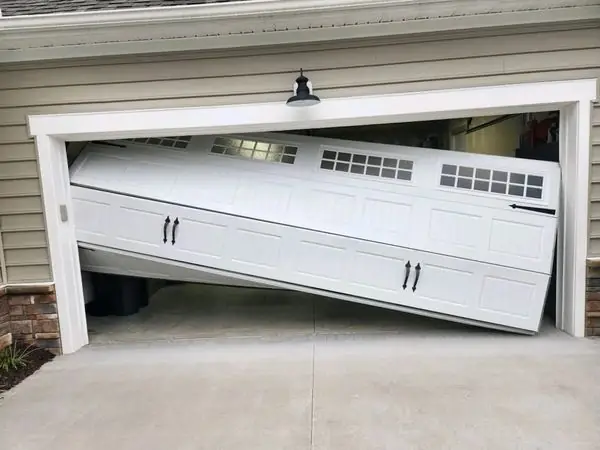
A garage door that reverses midway can be both frustrating and potentially dangerous. This issue typically stems from safety mechanisms designed to prevent injury or damage, but when these systems malfunction or are misaligned, they can cause the door to behave unpredictably. Understanding the root causes is essential before attempting any repairs.
One of the most common reasons for a reversing garage door is an obstruction or misalignment in the safety sensors. These sensors, located near the bottom of the door tracks, detect objects in the door's path. If they are dirty, misaligned, or faulty, the door may reverse as a precaution. According to the International Door Association, "Sensor misalignment is responsible for over 70% of garage door reversal issues."
Other potential causes include:
- Worn or damaged rollers that cause the door to bind during operation.
- Incorrectly set limit switches or force settings on the garage door opener.
- Broken springs or cables that disrupt the door's balance and movement.
"Regular maintenance and inspection can prevent most garage door reversal problems," notes the Door & Access Systems Manufacturers Association (DASMA).
If you're unsure about diagnosing the issue yourself, consider scheduling a garage door tune-up or a professional garage door repair to ensure safe and reliable operation.
For more information on garage door safety and troubleshooting, visit the DASMA website. If you need expert assistance, don't hesitate to contact our team.
Inspecting the Safety Sensors
One of the most common reasons a garage door reverses midway is due to malfunctioning or misaligned safety sensors. These sensors are designed to prevent the door from closing on objects, pets, or people by detecting obstructions in its path. Over time, dirt, dust, or even slight misalignment can disrupt their function, causing the door to reverse unexpectedly. Begin by visually inspecting the sensors located near the bottom of the garage door tracks. Ensure they are facing each other directly and that no debris is blocking the infrared beam. Cleaning the lenses with a soft cloth can also help restore proper function.
If the sensors appear aligned but the issue persists, check the wiring for any visible damage or loose connections. Faulty wiring can interrupt the signal between the sensors and the garage door opener. In some cases, the sensors themselves may be defective and require replacement. For more complex issues, it's best to consult a professional technician.
If you're unsure about handling sensor issues, consider scheduling a garage door repair to ensure your system is functioning safely and efficiently. You can also explore our safety inspection services for a thorough evaluation of your entire garage door system. Regular maintenance and inspections can prevent unexpected malfunctions and extend the life of your garage door.
Checking for Obstructions on the Track
One of the most common reasons a garage door reverses midway is due to obstructions on the track. Even small debris like leaves, dirt, or pebbles can interfere with the door's sensors, causing it to reverse for safety. Regularly inspecting the tracks for any physical blockages is essential. Start by turning off the power to the garage door opener and manually moving the door along the track. If you feel resistance or notice the door sticking, carefully examine the area for any foreign objects or buildup.
In addition to debris, bent or misaligned tracks can also trigger the reversal mechanism. Use a level to check the alignment and gently tap any misaligned sections back into place with a rubber mallet. Lubricating the tracks with a silicone-based spray can also help the door glide smoothly.
If the issue persists after clearing the tracks, it may be time to consider a professional garage door repair service to inspect for deeper mechanical issues. In some cases, a full new garage door installation might be necessary if the system is outdated or severely damaged.
Maintaining clean and properly aligned tracks not only prevents mid-cycle reversals but also extends the lifespan of your garage door system. Regular inspections and timely maintenance can save you from costly repairs down the road.
Adjusting the Close-Force Settings
One of the most common reasons a garage door reverses midway is incorrect close-force settings. The close-force setting controls how much pressure the opener uses to close the door. If it's set too low, the opener may interpret normal resistance - like slight friction or a misaligned track - as an obstruction, causing the door to reverse for safety. To fix this, locate the close-force adjustment screw on your garage door opener, usually found on the motor unit. Turn it slightly clockwise to increase the force, but do so gradually and test the door after each adjustment.
Before making any changes, ensure there are no physical obstructions or damage to the door components. If you're unsure, consider scheduling a professional garage door tune-up to identify and resolve underlying issues. Also, remember that adjusting the force too high can pose safety risks, so always test the door's auto-reverse function after changes.
If the problem persists, it may be time to inspect other components like the sensors or opener system. In such cases, a professional garage door opener repair service can help ensure everything is functioning correctly. Properly adjusting the close-force settings not only resolves the reversing issue but also extends the lifespan of your garage door system.
Examining the Garage Door Springs and Rollers
One of the most common reasons a garage door reverses midway is due to issues with the springs and rollers. These components are essential for the smooth and balanced operation of your garage door. Over time, springs can weaken or break, and rollers may become worn or misaligned, causing the door to malfunction or reverse unexpectedly. Inspecting the torsion or extension springs for visible damage or loss of tension is a good starting point. If the springs appear stretched or broken, it's best to seek professional garage door spring repair to avoid injury, as these parts are under high tension.
Similarly, rollers should glide smoothly along the tracks. Dirt buildup, rust, or physical damage can hinder their movement, prompting the door to reverse as a safety precaution. Lubricating the rollers and checking for cracks or flat spots can help identify if a roller replacement is necessary. Regular maintenance and timely repairs not only prevent operational issues but also extend the life of your garage door system.
If you're unsure about the condition of your springs or rollers, consider scheduling a professional inspection. For more information about our services or to request assistance, visit our contact page. Keeping these components in top shape is key to ensuring your garage door functions safely and efficiently.
Testing the Garage Door Opener
To determine why your garage door reverses midway, it's essential to test the garage door opener thoroughly. Begin by observing the door's movement during operation. If it starts to close but then reverses without any visible obstruction, the issue may lie in the opener's sensitivity settings or misaligned safety sensors. Check the opener's force and limit settings - these control how far the door travels and how much resistance it can handle before reversing. Adjusting these settings slightly can often resolve the problem.
Next, inspect the safety sensors located near the bottom of the door tracks. These sensors must be aligned properly and free from dirt or debris. Misalignment or blockage can cause the opener to interpret a false obstruction, prompting it to reverse. If the sensors appear damaged or unresponsive, consider professional help, such as our garage door system sensor repair services.
Additionally, test the opener's responsiveness using the wall switch and remote control. If the door behaves inconsistently, the opener itself may be malfunctioning. In such cases, a garage door opener repair might be necessary to restore proper function.
Regular maintenance and timely inspections can prevent these issues. If you're unsure about performing these tests yourself, reach out to our experienced technicians for a comprehensive evaluation and repair.
When to Call a Professional Technician
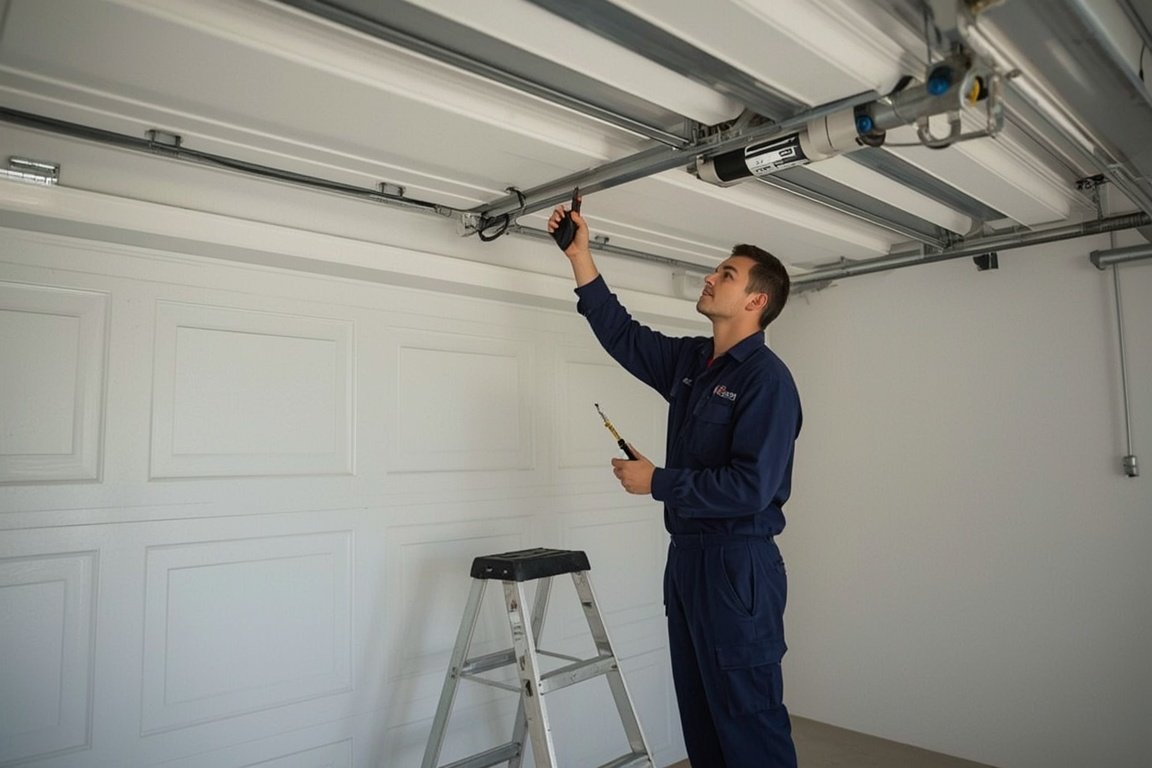
If your garage door keeps reversing midway despite basic troubleshooting, it may be time to call a professional technician. While minor issues like sensor misalignment or debris on the tracks can often be resolved with DIY methods, persistent problems may indicate deeper mechanical or electrical faults. For instance, a malfunctioning opener, worn-out springs, or damaged cables can all cause the door to reverse unexpectedly. These components are not only complex but also potentially dangerous to handle without proper training and tools.
A certified technician can accurately diagnose the issue and ensure safe, lasting repairs. If you notice unusual noises, jerky movements, or if the door won't stay closed, it's best to seek expert help. Professionals can also perform a full garage door tune-up to identify hidden issues before they escalate. Additionally, if your system is outdated or frequently malfunctioning, consider exploring a new garage door installation for improved safety and performance.
Delaying professional service can lead to further damage, higher repair costs, or even injury. For peace of mind and reliable operation, don't hesitate to reach out to a trusted garage door expert. Whether it's a simple fix or a complete system upgrade, professional assistance ensures your garage door functions smoothly and safely.
In conclusion, a garage door that reverses midway can be both frustrating and potentially dangerous, but with a little troubleshooting, many of the common causes can be identified and resolved. Whether it's adjusting the limit settings, checking the safety sensors, or inspecting the tracks and rollers, taking the time to perform these steps can restore your garage door to proper working order. However, if the issue persists or you're unsure about handling certain components, it's always best to consult a professional technician. Regular maintenance and timely repairs will not only ensure smooth operation but also extend the life of your garage door system.
Skip the YouTube rabbit hole - we'll have a tech at your door same day across Broward, Dade and Palm Beach.