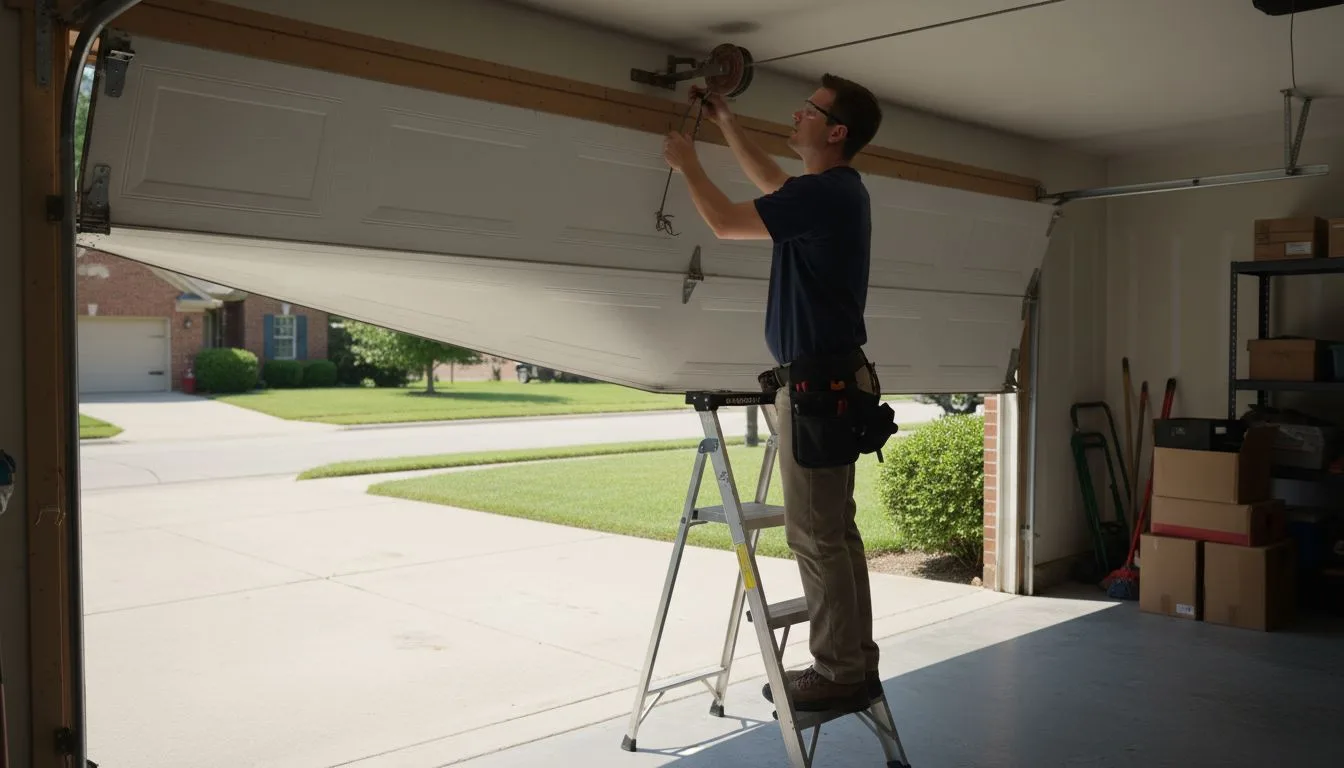
A sagging garage door is more than just an eyesore - it can lead to serious functional issues and even compromise your home's security. If you've noticed your garage door isn't closing evenly or seems to droop on one side, it's time to take action. Learning how to fix a garage door that sags can save you from costly repairs down the line and help extend the life of your door. Common causes of a sagging garage door include worn-out springs, loose cables, or misaligned tracks. Fortunately, many of these issues can be addressed with the right tools and a bit of know-how. For homeowners in South Florida, GarageFL offers expert garage door repair, installation, and maintenance services. As a trusted, licensed, and insured company, GarageFL is your go-to solution for fast and reliable garage door service. Whether you need a quick fix or a full garage door replacement, our experienced technicians are ready to help.
Understanding Why Garage Doors Sag
Garage doors are essential components of any home, providing security, insulation, and curb appeal. However, over time, homeowners may notice their garage door beginning to sag. This issue not only affects the door's appearance but can also compromise its functionality and safety. Understanding the root causes of a sagging garage door is the first step toward effective repair and long-term maintenance.
One of the most common reasons garage doors sag is due to age and wear. Most garage doors are used multiple times a day, and over the years, this frequent use can lead to the gradual weakening of the door's structural components. Wooden garage doors, in particular, are prone to sagging because wood can warp or rot when exposed to moisture and temperature fluctuations. According to the International Association of Certified Home Inspectors (InterNACHI), wooden doors are especially susceptible to sagging if not properly maintained or sealed.
Another contributing factor is the imbalance in the garage door's weight distribution. A garage door operates using a system of springs, cables, and rollers that must be perfectly aligned to function correctly. If any of these components wear out or break, the door may begin to sag on one side. For instance, a broken torsion spring can cause the door to lift unevenly, placing undue stress on one side and leading to sagging. If you suspect this is the issue, it's crucial to seek professional help, such as a garage door spring repair service, to avoid further damage or injury.
Improper installation is another frequent cause of sagging. If a garage door is not installed with the correct alignment or support, it may begin to sag prematurely. This is particularly true for larger or custom garage doors that require precise calibration. In such cases, consulting a professional for a new garage door installation or adjustment can prevent long-term issues.
Environmental factors also play a significant role. Humidity, extreme temperatures, and exposure to the elements can cause materials to expand, contract, or deteriorate. Metal components may rust, while wooden panels may swell or shrink, all of which can contribute to a sagging door. Regular maintenance, including inspections and tune-ups, can help mitigate these effects. For ongoing care, consider scheduling a garage door tune-up to ensure all parts are functioning optimally.
"A sagging garage door is often a symptom of deeper mechanical or structural issues. Addressing it early can prevent costly repairs and ensure your home remains secure."
In some cases, the issue may stem from damaged or worn-out hinges and rollers. These components are essential for smooth operation and even weight distribution. When they fail, the door may not open or close properly, leading to sagging. Replacing these parts with high-quality alternatives can restore the door's alignment and functionality.
Here are some common causes of garage door sagging:
- Age-related wear and tear on materials, especially wood
- Broken or worn-out springs and cables
- Improper installation or lack of structural support
- Environmental damage from moisture, heat, or cold
- Damaged hinges, rollers, or tracks
According to a report by the U.S. Department of Energy, garage doors that are not properly maintained can lose up to 25 percent of their energy efficiency, which can also be a side effect of sagging. This not only affects your utility bills but can also reduce the lifespan of your garage door system.
For more information on garage door maintenance and repair, you can visit reputable sources like the International Door Association (https://www.doors.org/) or the U.S. Department of Energy's home improvement tips (https://www.energy.gov/energysaver/weatherize/insulation).
If you're unsure about the condition of your garage door or need expert advice, don't hesitate to reach out through our contact page. Our team is ready to assist with inspections, repairs, and replacements to keep your garage door in top shape. You can also learn more about our full range of services to find the right solution for your needs.
Inspecting the Door for Signs of Wear and Damage
Before attempting to fix a sagging garage door, it's essential to thoroughly inspect the door for any signs of wear and damage. A sagging door is often a symptom of underlying issues that, if left unaddressed, can lead to more significant problems or even complete system failure. Begin by examining the door panels for any visible warping, cracking, or separation. Wooden doors, in particular, are prone to warping due to moisture exposure, while metal doors may show signs of rust or dents that compromise structural integrity. Check the alignment of the door when it is closed; if there are uneven gaps between the door and the frame or if the bottom of the door doesn't sit flush with the ground, sagging is likely present.
Next, inspect the hinges and hardware that hold the door panels together. Loose, rusted, or broken hinges can cause the panels to misalign, contributing to the sag. Pay close attention to the screws and bolts securing the hinges - if they are stripped or missing, they need to be replaced immediately. You should also examine the tracks on either side of the door. Bent or misaligned tracks can prevent the door from opening and closing smoothly, placing additional strain on the system and exacerbating the sagging issue. If the tracks are dirty or obstructed, clean them thoroughly and remove any debris.
The condition of the torsion or extension springs is another critical factor to evaluate. Springs are responsible for counterbalancing the weight of the garage door, and if one is broken or worn out, the door may sag on one side. A visual inspection can often reveal a broken spring, but be cautious - garage door springs are under high tension and can be dangerous to handle without proper tools and experience. If you suspect a spring issue, consider seeking professional help, such as a garage door spring repair service in Fort Lauderdale.
Cables and rollers also play a vital role in the door's operation. Frayed or slack cables can cause uneven lifting, leading to sagging. Similarly, worn-out rollers may not glide smoothly along the tracks, creating resistance and imbalance. If you notice any fraying or damage to the cables, or if the rollers appear cracked or misshapen, these components should be replaced. For expert assistance, a garage door cable repair service can ensure these parts are safely and correctly fixed.
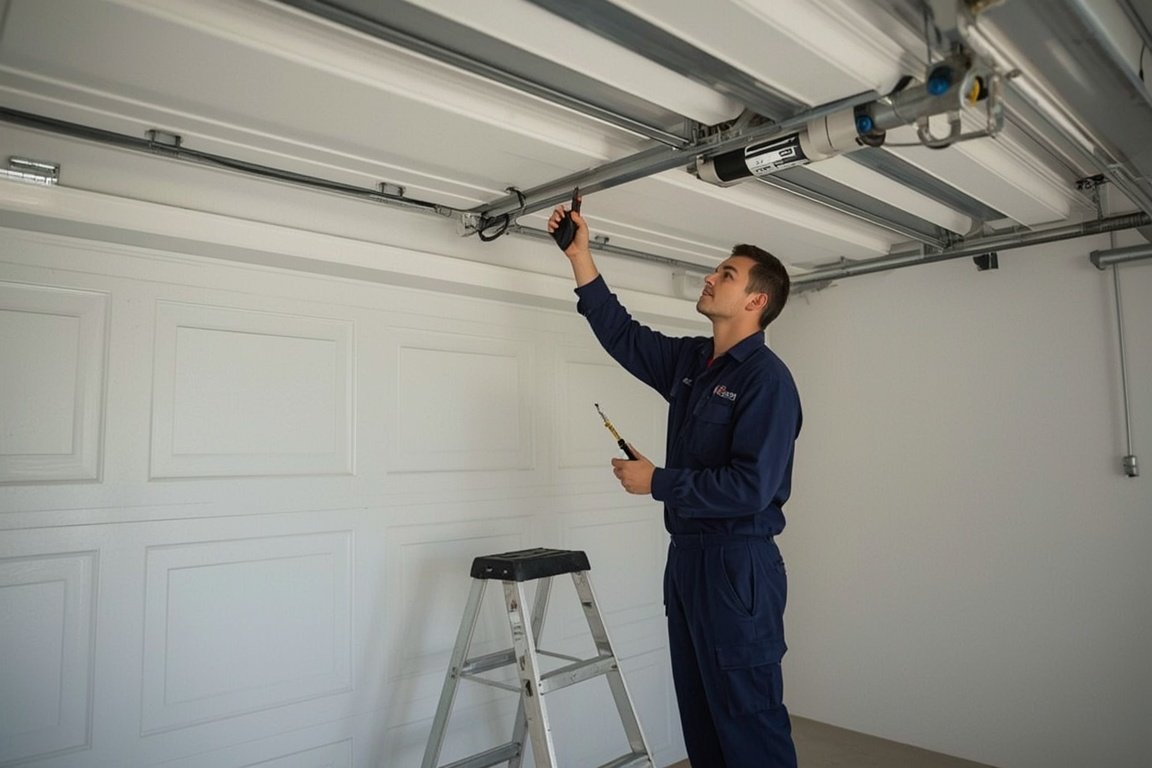
Additionally, check the garage door opener system. If the opener is not functioning properly or is misaligned with the door, it can cause uneven lifting and sagging. Listen for any unusual noises during operation, such as grinding or squeaking, which may indicate mechanical issues. Also, inspect the mounting brackets and ensure the opener is securely attached to both the ceiling and the door.
Lastly, don't overlook the importance of regular maintenance. A sagging garage door can often be prevented with routine inspections and timely repairs. Scheduling a professional garage door tune-up can help identify potential problems early and extend the life of your garage door system. By thoroughly inspecting all components and addressing any signs of wear or damage promptly, you can restore your garage door's functionality and prevent further sagging issues.
Tightening and Adjusting the Hardware
One of the most common causes of a sagging garage door is loose or misaligned hardware. Over time, the constant motion and vibrations from daily use can cause screws, bolts, and hinges to loosen, leading to uneven weight distribution and sagging. To address this issue, start by inspecting all visible hardware components, including the hinges, brackets, and roller tracks. Use a socket wrench or screwdriver to tighten any loose bolts or screws. Pay special attention to the hinges that connect the door panels, as these are critical for maintaining structural integrity. If any of the hinges appear worn or damaged, consider replacing them to restore proper alignment. You can explore professional garage door hinge replacement services for expert assistance.
Next, check the roller tracks on both sides of the door. These tracks should be straight and securely fastened to the wall. If they are bent or misaligned, the door may not open or close evenly, contributing to sagging. Gently tap the tracks back into place using a rubber mallet and ensure they are level using a carpenter's level. Also, inspect the rollers themselves for signs of wear or damage. If the rollers are cracked or not rolling smoothly, replacing them can significantly improve the door's operation. For long-term performance, consider scheduling a professional garage door tune-up to ensure all components are functioning optimally.
Another important area to examine is the torsion or extension springs. These springs bear the weight of the garage door and help it move smoothly. If the springs are uneven or under tension, they can cause the door to sag on one side. While tightening or adjusting springs can be dangerous without the proper tools and experience, you can visually inspect them for signs of wear or imbalance. If you suspect an issue with the springs, it's best to contact a professional technician to handle the repair safely.
Additionally, check the cables and pulleys that assist in lifting the door. Frayed or stretched cables can lead to uneven lifting, which may cause the door to sag. If you notice any damage, it's crucial to replace the cables immediately to prevent further issues. You can find reliable garage door cable repair services to ensure the job is done correctly and safely.
Regular maintenance and timely adjustments can prevent minor issues from becoming major problems. By tightening and adjusting the hardware, you not only correct sagging but also extend the lifespan of your garage door. If you're unsure about performing these tasks yourself or if the problem persists after adjustments, it's wise to consult a professional. For more information about available services and expert help, visit our services page or reach out through our contact form. Taking proactive steps now can save you time, money, and frustration in the long run.
Replacing Worn-Out Springs or Cables
One of the most common causes of a sagging garage door is worn-out springs or cables. These components are essential for maintaining the balance and smooth operation of your garage door. Over time, due to regular wear and tear, springs and cables can lose their tension or even snap, leading to a door that sags, becomes misaligned, or fails to open and close properly. If your garage door appears uneven or feels unusually heavy when operated manually, it's likely that the springs or cables are no longer functioning as they should.
Garage door springs, whether torsion or extension types, are under constant tension and are responsible for counterbalancing the weight of the door. When these springs weaken or break, the door may sag on one side or become difficult to lift. Similarly, the cables, which work in conjunction with the springs, can fray or stretch over time. Damaged cables can cause the door to hang unevenly or even come off its tracks, posing a serious safety risk. Replacing these components is not only crucial for restoring the door's functionality but also for ensuring the safety of everyone using the garage.
It is highly recommended to avoid DIY repairs when dealing with springs and cables, as these parts are under high tension and can cause injury if handled improperly. Instead, seek professional assistance from a trusted garage door repair service. A trained technician can accurately diagnose the issue, determine whether the springs or cables need replacement, and install the correct parts safely and efficiently. For residents in Fort Lauderdale and surrounding areas, our expert team offers reliable garage door spring repair and garage door cable repair services to address sagging doors and other related issues.
When replacing springs or cables, it's also a good opportunity to inspect other components of the garage door system. Often, sagging can be a symptom of broader wear and tear affecting rollers, hinges, or the garage door opener. A comprehensive inspection ensures that all parts are functioning harmoniously, preventing future problems and extending the lifespan of your garage door. Regular maintenance, such as lubrication and timely adjustments, can also help prevent premature wear of springs and cables.
If your garage door is older or has experienced repeated issues, you might consider upgrading to a more modern and durable system. Newer garage doors are designed with enhanced safety features and materials that resist wear better than older models. Our team provides a wide range of garage door services, including installation, repair, and maintenance, tailored to meet your specific needs.
In conclusion, addressing worn-out springs or cables is a critical step in fixing a sagging garage door. Ignoring these issues can lead to more severe damage and compromise the safety of your home. Whether you need a quick repair or a full system upgrade, professional help ensures the job is done right. For more information about our services or to schedule an inspection, feel free to visit our contact page. Let our experienced technicians restore your garage door to optimal performance and safety.
Reinforcing the Garage Door Panels
When dealing with a sagging garage door, one of the most effective long-term solutions is reinforcing the door panels. Over time, garage door panels can weaken due to constant use, exposure to the elements, or poor initial installation. This weakening can cause the door to sag, making it difficult to open and close properly. Reinforcing the panels not only restores the door's structural integrity but also extends its lifespan and improves overall performance.
To begin the reinforcement process, it's essential to inspect each panel for signs of wear, such as cracks, warping, or separation at the joints. If the damage is minimal, reinforcement can be done using metal struts or braces. These are typically installed horizontally across the back of the panels to provide additional support and prevent further bending. Metal struts are especially useful for double garage doors, which are more prone to sagging due to their width and weight.
Before installing any reinforcement, ensure the garage door is in the closed position and disconnected from the automatic opener to avoid accidental movement. Measure the width of each panel and cut the struts accordingly. Secure them using self-tapping screws, making sure they are evenly spaced and aligned with the panel's frame. This added support helps distribute the weight more evenly and reduces stress on the hinges and rollers.
In some cases, sagging may be caused by issues beyond the panels themselves, such as worn-out hinges or misaligned tracks. If this is the case, it's advisable to address these problems simultaneously. Replacing old hinges with heavy-duty ones can provide better support and prevent further sagging. Additionally, checking the alignment of the tracks and ensuring they are securely fastened to the wall can help maintain the door's proper function.
For homeowners who are not comfortable performing these tasks on their own, professional assistance is highly recommended. A trained technician can assess the condition of the door and determine the best reinforcement method. They can also identify any underlying issues that may be contributing to the sagging. If you're unsure where to start, consider exploring our services page to learn more about the range of garage door solutions available.
In some instances, reinforcing the panels may not be enough, especially if the door is old or severely damaged. In such cases, replacing the door might be a more cost-effective and safer option. Newer garage doors are often constructed with reinforced materials and advanced engineering that prevent sagging and improve durability. If you're considering an upgrade, our new garage door installation service offers a variety of modern and reliable options tailored to your needs.
Regular maintenance is also key to preventing future sagging. Periodic inspections, lubrication of moving parts, and timely repairs can keep your garage door functioning smoothly. Reinforcement should be viewed as part of a broader maintenance strategy rather than a one-time fix. By taking a proactive approach, you can avoid costly repairs and ensure your garage door remains safe and efficient for years to come.
In conclusion, reinforcing garage door panels is a practical and effective way to address sagging issues. Whether you choose to do it yourself or hire a professional, the goal is to restore the door's strength and functionality. With the right tools, materials, and knowledge, you can significantly improve the performance and longevity of your garage door.
When to Call a Professional Technician
While some garage door issues can be resolved with basic tools and a bit of DIY knowledge, there are certain situations where calling a professional technician is not only advisable but essential for safety and long-term functionality. If your garage door continues to sag despite your efforts to tighten the hardware, adjust the tracks, or balance the springs, it may be a sign of a deeper structural issue. Problems such as worn-out torsion springs, damaged cables, or misaligned tracks can be difficult and dangerous to handle without the right tools and expertise. Attempting to fix these components without proper training can lead to injury or further damage to your garage door system.
Another clear indicator that you need professional help is if the door is making unusual noises, such as grinding, squeaking, or popping, even after lubrication and minor adjustments. These sounds often point to internal wear or mechanical failure that requires a thorough inspection and precise repair. A sagging garage door that doesn't close evenly or leaves gaps at the bottom can also compromise your home's security and energy efficiency. In such cases, a technician can assess whether the door needs realignment, reinforcement, or even a full replacement.
If your garage door is part of a smart home system or includes advanced features like keyless entry or remote access, troubleshooting can become even more complex. Issues with sensors, openers, or connectivity should be handled by a trained expert to avoid damaging the system or voiding warranties. For instance, if your door's sensors are malfunctioning, it could be time to explore our broken garage door system sensors service to ensure everything is functioning correctly and safely.
Additionally, if your garage door is older and has not been serviced in years, a sagging issue might be a symptom of overall wear and tear. In such cases, a professional can evaluate whether a repair will suffice or if a new installation is the better long-term solution. Our team offers comprehensive garage door repair services that address both minor and major issues, ensuring your door operates smoothly and reliably.
Finally, if you're unsure about the cause of the sagging or feel uncomfortable performing any adjustments, it's always best to err on the side of caution and consult a professional. Not only will this save you time and frustration, but it will also help prevent potential injuries and costly mistakes. Whether you need a quick fix or a complete overhaul, our experienced technicians are ready to assist with prompt, reliable service tailored to your specific needs.
Preventive Maintenance Tips to Avoid Future Sagging
To prevent your garage door from sagging again in the future, implementing a consistent preventive maintenance routine is essential. Regular inspections and timely upkeep not only extend the lifespan of your garage door but also help you avoid costly repairs down the line. Begin by visually inspecting your garage door every few months. Look for signs of wear and tear on the springs, cables, rollers, and hinges. If you notice any fraying cables or rusted components, it's best to address them immediately. Lubricating all moving parts, including the rollers, tracks, and hinges, with a high-quality silicone-based lubricant can significantly reduce friction and prevent premature wear.
Another key aspect of preventive maintenance is ensuring that your garage door remains balanced. An unbalanced door puts extra strain on the opener and other components, leading to sagging over time. To check the balance, disconnect the opener and manually lift the door halfway. If it stays in place, it's properly balanced. If it falls or rises, you may need to adjust the tension in the springs or consult a professional for a garage door tune-up.
Weather conditions can also impact the structural integrity of your garage door. Moisture, extreme temperatures, and humidity can cause wooden doors to warp and metal components to rust. To combat this, consider installing a weather seal to protect your garage from the elements. Regularly cleaning the door and applying a protective finish to wooden surfaces can also help maintain its shape and appearance. If your garage is exposed to harsh weather, investing in an insulated garage door can provide added durability and energy efficiency.
Tightening loose hardware is another simple yet effective maintenance task. Over time, the vibration from daily use can loosen bolts and brackets, leading to misalignment and sagging. Use a socket wrench to tighten all hardware, including the brackets that hold the tracks to the wall and ceiling. Also, inspect the tracks for any bends or obstructions and ensure they are properly aligned. Misaligned tracks can cause the door to operate unevenly, contributing to sagging.
If your garage door is older or has experienced frequent issues, it may be time to consider upgrading to a more durable model. Modern garage doors are designed with improved materials and technology that resist sagging and other common problems. Explore options like steel-reinforced or composite doors that offer both strength and aesthetic appeal. For homeowners looking for a more personalized solution, custom garage doors can be tailored to meet specific structural and design needs.
Lastly, scheduling professional maintenance at least once a year can make a significant difference. A trained technician can identify potential issues before they become major problems and ensure that all components are functioning correctly. Whether it's adjusting spring tension, replacing worn-out rollers, or performing a full system check, professional service helps maintain the door's alignment and structural integrity. For more information or to schedule a maintenance visit, feel free to contact our team of experts.
By following these preventive maintenance tips, you can keep your garage door operating smoothly and avoid the inconvenience and expense of future sagging. Regular care, timely repairs, and professional support are the keys to ensuring your garage door remains safe, functional, and visually appealing for years to come.
In conclusion, fixing a sagging garage door is a manageable task when approached with the right tools, safety precautions, and a bit of patience. Whether it's tightening loose hardware, adjusting the tension on the springs, or reinforcing the door panels, addressing the issue early can prevent further damage and extend the life of your garage door. However, if the problem persists or involves complex components like torsion springs, it's always best to consult a professional to ensure safety and proper repair. By staying proactive with regular maintenance, you can keep your garage door functioning smoothly and securely for years to come.
Skip the YouTube rabbit hole - we'll have a tech at your door same day across Broward, Dade and Palm Beach.