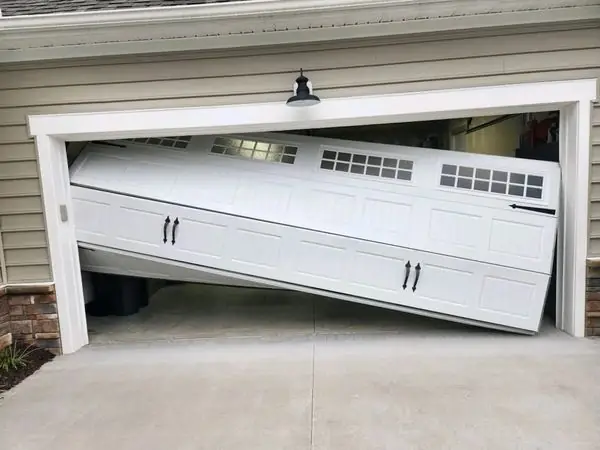
A garage door that slams shut is not just noisy - it's dangerous. Sudden closure can cause injury, damage vehicles, or harm the door itself. This issue often stems from worn springs, misadjusted openers, broken cables, or mechanical wear. GarageFL provides a detailed guide to identify the cause, fix the problem, and maintain safe garage door operation.
Step 1: Inspect the torsion or extension springs
Garage door springs control the door's movement by counterbalancing its weight. Worn or broken springs can cause the door to slam shut. To inspect:
- Check for visible gaps in torsion springs or frayed extension springs.
- Observe the door's movement - if it drops rapidly after being released, the springs may be too weak or broken.
- Never attempt to adjust or replace springs without proper tools and experience; they are under extreme tension and can cause serious injury.
Professional spring replacement ensures safe, controlled door movement.
Step 2: Examine the garage door opener
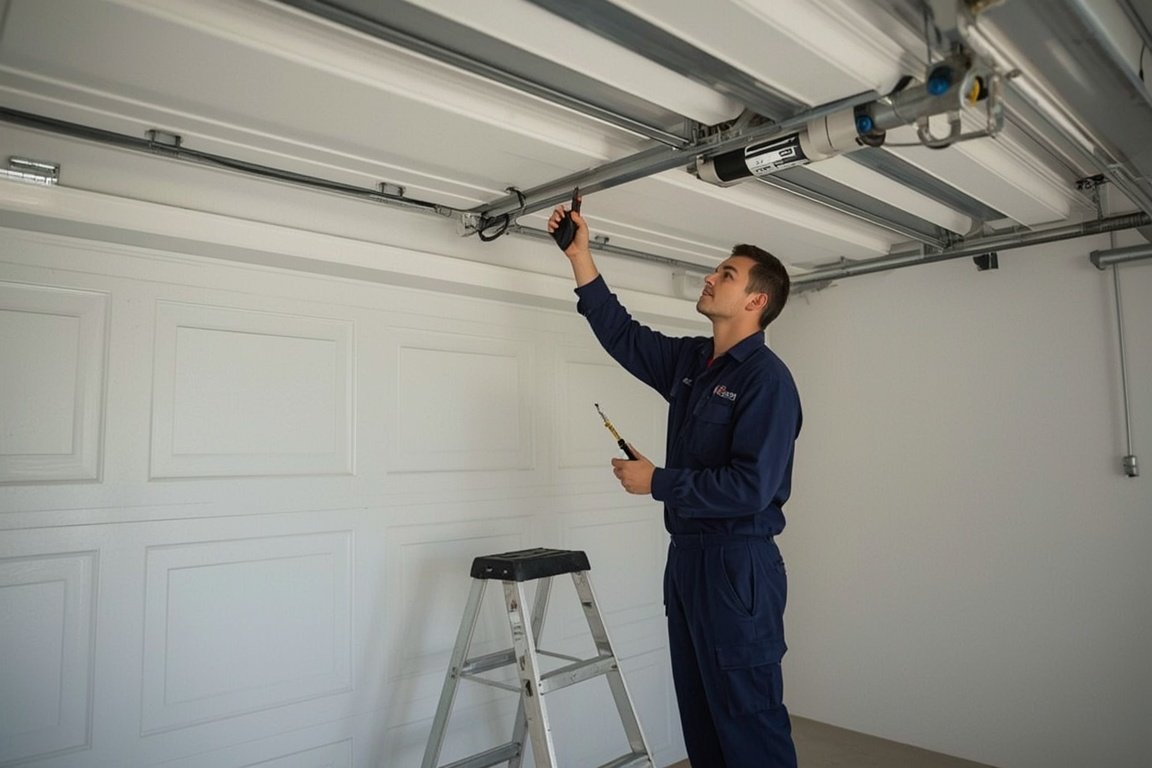
The opener's force and speed settings control how quickly the door opens and closes. If the downward force is too high or the speed is too fast, the door may slam:
- Locate the force and speed adjustment screws on the opener motor unit.
- Reduce the closing force gradually and test after each adjustment.
- Ensure the close limit is set so the door fully contacts the floor without excess force.
Correcting opener settings prevents sudden, uncontrolled closure.
Step 3: Inspect safety sensors
Garage doors are equipped with sensors to prevent accidents. Misaligned or dirty sensors can cause erratic stopping or slamming:
- Ensure both sensors are powered and LED indicators are on.
- Clean the lenses to remove dust and debris.
- Align sensors so the infrared beam is unobstructed and properly faces the opposite sensor.
Properly aligned sensors ensure the door reverses safely if obstructed.
Step 4: Check the door balance
An unbalanced door places excessive strain on the opener and can lead to slamming. To test balance:
- Disconnect the opener by pulling the emergency release cord.
- Manually lift the door halfway and release it carefully.
- If the door moves up or down quickly, the springs need adjustment or replacement.
Proper balance ensures controlled opening and closing and reduces wear on the opener.
Step 5: Inspect cables and pulleys
Frayed or loose cables and damaged pulleys can disrupt door movement and cause slamming. Examine for:
- Frayed or broken lift cables.
- Misaligned or worn pulleys.
- Tension irregularities causing uneven movement.
Replace damaged cables and pulleys promptly to restore smooth operation.
Step 6: Lubricate moving parts
Friction between rollers, hinges, and tracks can contribute to uncontrolled door motion. Proper lubrication reduces wear and helps the door close gently:
- Apply garage door-specific lubricant to rollers, hinges, and bearings.
- Wipe away excess oil to prevent dust accumulation.
- Do not lubricate tracks unless manufacturer-approved; this can cause slippage or misalignment.
Lubrication ensures quieter and safer operation.
Step 7: Inspect the door panels and weatherstripping
Warped panels or damaged bottom seals can prevent even contact with the floor, causing slamming upon closing. Inspect for:
- Panels bowed or misaligned.
- Cracks or damage in the bottom weatherstripping.
Replace or adjust panels and seals to maintain smooth closure and prevent gaps.
Step 8: Examine the floor surface
An uneven garage floor can cause the door to slam or rebound. Check for:
- Cracks, dips, or debris along the door path.
- Consider installing a threshold ramp if minor unevenness is present.
A level, clean surface allows the door to seal properly and reduce slamming impact.
Step 9: Check and adjust door opener remote settings
Sometimes remote signals can cause the door to close too quickly if force or speed settings are too high. Verify:
- The remote is not sending repeated commands accidentally.
- Force settings on the opener match the door weight.
- Test the door using both the wall button and remote to confirm proper operation.
Proper remote operation reduces sudden slamming events.
Step 10: Call a professional for safety-critical issues
If the door continues to slam despite your adjustments, professional intervention is required. GarageFL offers:
- Spring replacement and tension adjustment.
- Opener diagnostics and force calibration.
- Roller, pulley, and cable replacement for smooth operation.
Professional service ensures the door operates safely, preventing injury and property damage.
Final thoughts
A garage door that slams shut is both dangerous and damaging. Common causes include worn springs, misadjusted openers, faulty cables, misaligned sensors, and uneven floors or panels. By carefully inspecting and addressing these factors, lubricating moving parts, and adjusting settings, most doors can be restored to safe, controlled operation. For persistent or complex problems, professional assistance from GarageFL guarantees effective, long-term solutions. Following these steps ensures quieter, safer, and more reliable garage door performance.
Skip the YouTube rabbit hole - we'll have a tech at your door same day across Broward, Dade and Palm Beach.