Is your garage door stuck or making strange noises when opening or closing? You might be dealing with a garage door cable issue - a common but serious problem that can compromise your safety and convenience. At Garage Door Pros, we specialize in fast, affordable garage door repair services across South Florida, including Pembroke Pines, Fort Lauderdale, and Hollywood. So, how do you fix garage door cable issues before they turn into costly repairs?
The short answer: you need to identify the type of cable damage, release the tension safely, and replace the faulty cable with a new one. This article will walk you through the signs of a broken cable, the tools you'll need, and a step-by-step guide to fixing it. We'll also share expert tips from certified technicians to help you avoid common mistakes.
But that's just the beginning. Garage door cable issues can vary, and not all fixes are DIY-friendly. So, if you're ready to learn how to handle this like a pro - or know when to call one - let's dive into the complete guide trusted by homeowners and businesses across South Florida.
Understanding Garage Door Cable Systems
Garage door cables are essential for safe and smooth door operation. They work alongside springs to lift and lower the door. These cables bear the door's weight, preventing it from crashing down unexpectedly.
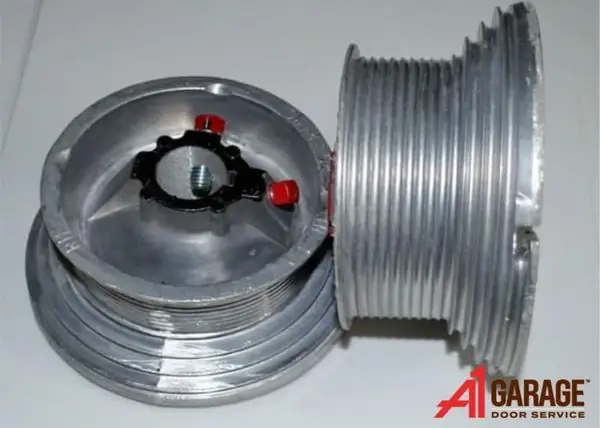
There are two main garage door systems: torsion spring and extension spring. In a torsion system, cables wind around drums mounted on a shaft. As the spring unwinds, it transfers energy through the cables to lift the door. Extension systems use cables attached to pulleys. When the door opens, the springs stretch and pull the cables to raise the door.
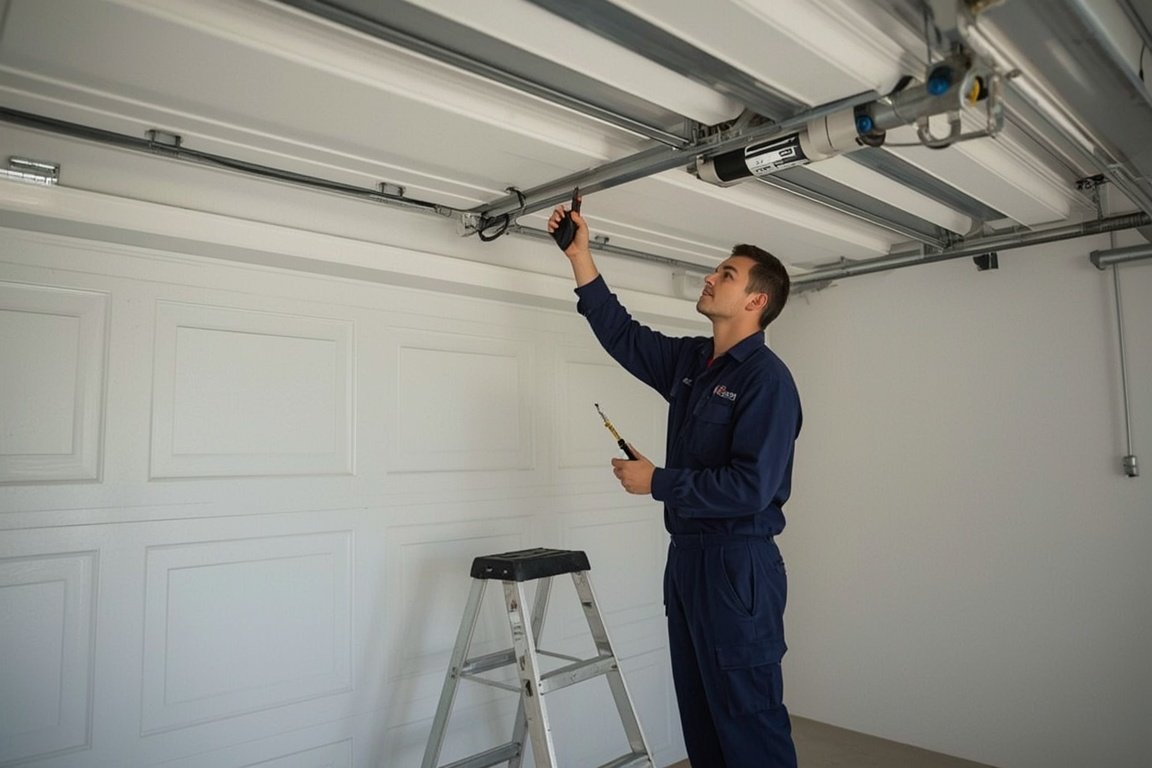
Identifying your cable system is crucial for proper maintenance. Look for cables near the bottom brackets or around the drum above the door. Frayed or loose cables signal immediate attention. For a closer look at different systems, visit our garage door types page.
If you're unsure about your setup, our experts are ready to help. Don't ignore worn cables - they can lead to serious damage or injury. Regular inspections ensure your system stays reliable and safe.
Common Signs of Garage Door Cable Issues
If your garage door jerks or tilts while moving, the cables may be worn or misaligned. Another red flag is a loud snapping or grinding noise during operation. In some cases, the door may not open or close fully, leaving it stuck halfway. These symptoms often point to cable tension issues or fraying.
To check for damage, visually inspect both sides of the door. Look for rust, slack, or broken strands in the cables. Frayed wires or visible wear near the drum or pulley system are clear signs of trouble. If the cables appear loose or uneven, they likely need immediate attention.
Early detection is crucial. Ignoring these signs can lead to a complete system failure or even injury. A failing cable can cause the door to slam shut unexpectedly. For professional help, explore our service options or learn more about our team.
Don't wait until the damage worsens. Regular inspections can save you from costly repairs and ensure your safety.
Safety Precautions Before Attempting Repairs
Before starting any garage door cable repair, prioritize your safety. Wear heavy-duty gloves to protect your hands from sharp edges. Use safety glasses to shield your eyes from debris or sudden snaps. Ensure you have a sturdy ladder, locking pliers, and a winding bar. Never substitute tools - improvising can lead to serious injury.
Garage door cables are under extreme tension. One wrong move can cause them to whip back violently. This force can break bones or cause deep lacerations. Always disconnect the power to avoid accidental activation during repairs.
If the cables are frayed, completely snapped, or tangled around the drum, don't risk it. These are signs you need a professional. Attempting a DIY fix in such cases can worsen the damage or cause injury. For expert help, visit our service page or learn more about our certified technicians.
When in doubt, step back. Your safety is worth more than a rushed repair.
Tools and Materials Needed for Cable Repair
Before starting any garage door cable repair, gather the essential tools. You'll need winding bars, locking pliers, and adjustable wrenches. A sturdy ladder and safety gloves are also crucial. Don't forget replacement cables that match your door's specifications. Clamps help secure the door in place during the process.
Optional tools can improve safety and efficiency. A cordless drill speeds up hardware removal. A cable tension gauge ensures proper alignment. Safety goggles and a headlamp offer added protection and visibility.
Always choose high-quality replacement parts. Avoid generic cables that may wear out quickly. Instead, purchase from trusted suppliers or consult professionals. For guidance, check our FAQ section or speak with our team via the contact page.
Inspect your current cables before buying replacements. Measure length and thickness accurately. If unsure, bring the old cable to a hardware store for comparison. Investing in durable materials reduces the risk of future issues. Quality tools and parts make the repair smoother and safer.
How to Fix a Detached or Loose Garage Door Cable
Start by unplugging the garage door opener and securing the door in place with clamps. Locate the loose cable near the drum or pulley. Carefully unwind any slack and reattach the cable to the drum, ensuring it sits snugly in the grooves. Use locking pliers to hold the torsion bar steady while you wind the cable evenly.
Next, apply proper tension by turning the drum until the cable is taut but not overstretched. Tighten the set screws securely to prevent slippage. Recheck both sides for equal tension to ensure balanced movement.
If the cable continues to slip, inspect the drum for wear or damage. Replace any worn components immediately. Also, verify that the torsion spring is functioning correctly. A weak spring can cause recurring cable issues.
For persistent problems, consider professional help. Our garage door repair service ensures long-term solutions. You can also learn more about our team on the about page.
Regular maintenance prevents future issues. Always check cables, drums, and springs for early signs of wear.
Replacing a Broken Garage Door Cable
Before starting, disconnect the garage door opener and secure the door in a closed position. Use locking pliers to hold the track in place. Carefully unwind the tension from the springs using winding bars. Never use screwdrivers or makeshift tools. Once the tension is released, detach the broken cable from the drum and bottom bracket.
Next, attach the new cable to the bottom bracket. Thread it up to the drum, ensuring it's tight and aligned. Wind the cable around the drum evenly. Repeat the process on the other side. Re-tension the springs using winding bars, turning them slowly and evenly. Always follow the manufacturer's specifications for the number of turns.
After installation, check the door's balance. Lift it halfway and release. If it stays in place, it's balanced. If not, adjust the spring tension. An unbalanced door can cause further damage or injury.
For more help, visit our FAQ or learn about our services. If you're unsure, contact a professional to avoid risks. Proper cable replacement ensures smooth operation and extends your garage door's lifespan.
Adjusting Garage Door Cable Tension
Maintaining the correct cable tension ensures your garage door opens and closes smoothly. If the tension is too loose, the door may sag or jam. Too tight, and it strains the system, risking damage or sudden failure.
For torsion spring systems, start by disconnecting the opener. Use locking pliers to secure the door in place. Loosen the set screws on the cable drum slightly, then adjust the cable by rotating the drum. Tighten the screws once the cable is taut but not overly tight.
With extension spring systems, open the door fully and secure it with clamps. Adjust the S-hook or pulley to increase or decrease tension. Always make small changes and test after each adjustment.
To check balance, lift the door halfway and release it. A properly balanced door stays in place. If it moves, fine-tune the tension accordingly.
Avoid over-tightening, which can cause premature wear. For persistent issues, consult our garage door service team. You can also learn more about common problems on our blog. Regular maintenance keeps your system safe and efficient.
Preventative Maintenance for Garage Door Cables
To keep garage door cables in top shape, inspect them every three months. Look for fraying, rust, or loose strands. Lubricate the cables twice a year using a silicone-based spray or garage door lubricant. Avoid using grease, as it attracts dust and debris. Clean the cables with a dry cloth before applying lubricant to ensure proper absorption.
Early signs of wear include visible corrosion, slack in the cables, or uneven door movement. If you notice any of these, consider replacing the cables before they snap. Sudden failure can lead to costly damage or injury.
Use high-quality products like 3-IN-ONE Garage Door Lube or WD-40 Specialist. These options reduce friction and extend cable life. Always disconnect the opener before performing maintenance for safety.
For more help, visit our service page or check our blog for expert tips. Regular upkeep not only prevents breakdowns but also improves overall door performance. Stay proactive to avoid emergency repairs and extend your garage door's lifespan.
When to Call a Professional
If your garage door cable has snapped or the spring is broken, call a professional immediately. Attempting to fix these issues without proper tools or training can lead to serious injury. Frayed cables, misaligned tracks, or a door that won't open evenly are also signs you need expert help. These problems often involve high-tension components that are dangerous to handle.
DIY repairs may seem cost-effective, but they often cause more damage. Incorrect handling can worsen the issue or void your warranty. Always prioritize safety over savings. If your door is off-track or the motor strains during operation, stop using it and seek professional assistance.
Choose a licensed and insured technician with strong local reviews. Look for companies that offer transparent pricing and emergency services. Visit their about page to verify experience and credentials. For more guidance, check their FAQ section to understand common repair concerns. A reliable service provider will also offer warranties on labor. Don't risk your safety - let trained professionals handle complex garage door issues.
Frequently Asked Questions (FAQs)
Garage door cables often break due to wear, rust, or poor maintenance. Frayed strands or visible rust are early warning signs. Using the wrong type of cable can lead to serious malfunctions. Always choose cables designed specifically for your garage door system. On average, cables last 7 to 10 years, depending on usage and climate.
Never operate your garage door with a broken cable. It poses a safety risk and can damage other components. Replacing garage door cables typically costs based on scope depending on the service provider. It's best to replace both cables at once to maintain balance and prevent uneven wear.
After repairs, test the door's balance by lifting it halfway. If it stays in place, it's properly balanced. Torsion spring cables are thicker and more durable than extension spring cables. Inspect your cables every six months for signs of wear or damage.
Fraying, slack, or squeaking noises often indicate cables are about to fail. For more details, visit our FAQ or explore our blog for expert tips.
Skip the YouTube rabbit hole - we'll have a tech at your door same day across Broward, Dade and Palm Beach.