If your garage door opener light isn't working properly, it can be more than just an inconvenience - it might be a sign of a deeper issue with your garage door system. At Garage Door Pros', we understand how important a fully functioning garage door is to your daily routine. Whether your garage door light won't turn on, stays on continuously, or flickers unexpectedly, our team of trained and certified professionals is here to help. With over a decade of experience serving South Florida communities like Pembroke Pines, Miramar, Fort Lauderdale, and beyond, we specialize in fast, safe, and affordable garage door repair, including garage door opener light issues. Our mission is to provide reliable solutions so you can get back to living your life without interruptions. From garage door opener replacement to broken sensor repairs and full system tune-ups, Garage Door Pros' offers comprehensive services tailored to your needs. Trust the company with over 450 five-star reviews - because at Garage Door Pros', "Our Work is Professional, Our Service is Personal!"
Common Reasons Your Garage Door Opener Light Isn't Working
When your garage door opener light stops working, it can be more than just a minor inconvenience. This light plays a crucial role in ensuring safety and visibility in your garage, especially during nighttime or low-light conditions. Understanding the common reasons behind this issue can help you diagnose and resolve the problem more efficiently. There are several potential causes, ranging from simple bulb issues to more complex electrical or mechanical failures.
One of the most frequent causes is a burned-out light bulb. While this may seem obvious, many homeowners overlook it. Garage door openers typically use standard light bulbs, but not all bulbs are compatible. For instance, some energy-efficient or LED bulbs may not work properly with certain opener models due to electromagnetic interference. According to LiftMaster, a leading garage door opener manufacturer, using the wrong type of bulb can cause flickering or complete failure of the light function. Always refer to your opener's manual to ensure you are using a compatible bulb.
Another common issue is a faulty light socket. Over time, the socket that holds the bulb can become corroded or damaged, preventing proper electrical contact. This can result in intermittent lighting or no light at all. If replacing the bulb doesn't solve the problem, inspecting the socket for signs of wear or corrosion is a logical next step. In some cases, the socket may need to be cleaned or replaced entirely.
Wiring problems are also a frequent culprit. The internal wiring of the garage door opener can become loose, frayed, or disconnected due to vibrations, age, or improper installation. Electrical issues can be dangerous, so if you suspect a wiring problem, it's best to consult a professional technician. According to the U.S. Consumer Product Safety Commission, electrical malfunctions are among the top causes of residential fires, making it essential to address any suspected wiring issues promptly.
Sensor malfunctions can also affect the light function. Many modern garage door openers are equipped with motion sensors that automatically turn the light on when movement is detected. If the sensor is dirty, misaligned, or defective, the light may not activate as expected. Cleaning the sensor lens and ensuring it is properly aligned can often resolve this issue. If the problem persists, sensor replacement may be necessary.
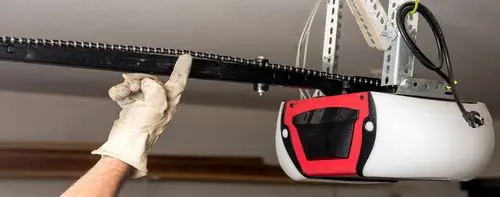
Another possibility is a malfunctioning circuit board. The logic board, or circuit board, controls all the functions of the garage door opener, including the light. If the board is damaged due to a power surge or age-related wear, it may fail to send the signal to turn the light on or off. Replacing a circuit board can be costly, but it is sometimes the only solution if other troubleshooting steps fail.
Remote control or wall switch issues can also be to blame. If the light fails to respond to commands from the remote or wall switch, the problem may lie in the control mechanism rather than the light itself. This could be due to dead batteries, faulty wiring, or a malfunctioning switch. Testing the light function using both the remote and the wall switch can help isolate the problem.
In some cases, the issue may be related to the settings on the garage door opener. Many models allow users to customize the duration the light stays on or whether it activates automatically. If these settings are inadvertently changed, the light may not function as expected. Consulting the user manual to reset or adjust these settings can often resolve the issue.
Environmental factors can also play a role. Extreme temperatures, humidity, and dust can affect the performance of the light and its components. For example, high humidity can lead to corrosion, while dust accumulation can interfere with sensor operation. Regular maintenance, including cleaning and inspection, can help prevent these issues.
Here are some common reasons your garage door opener light might not be working:
- Burned-out or incompatible light bulb
- Corroded or damaged light socket
- Loose, frayed, or disconnected wiring
- Malfunctioning motion or safety sensors
- Damaged or faulty circuit board
- Issues with remote control or wall switch
- Incorrect settings or programming
- Environmental factors like humidity or dust
"According to the National Fire Protection Association, electrical distribution or lighting equipment was involved in 6 percent of home structure fires between 2015 and 2019." - NFPA
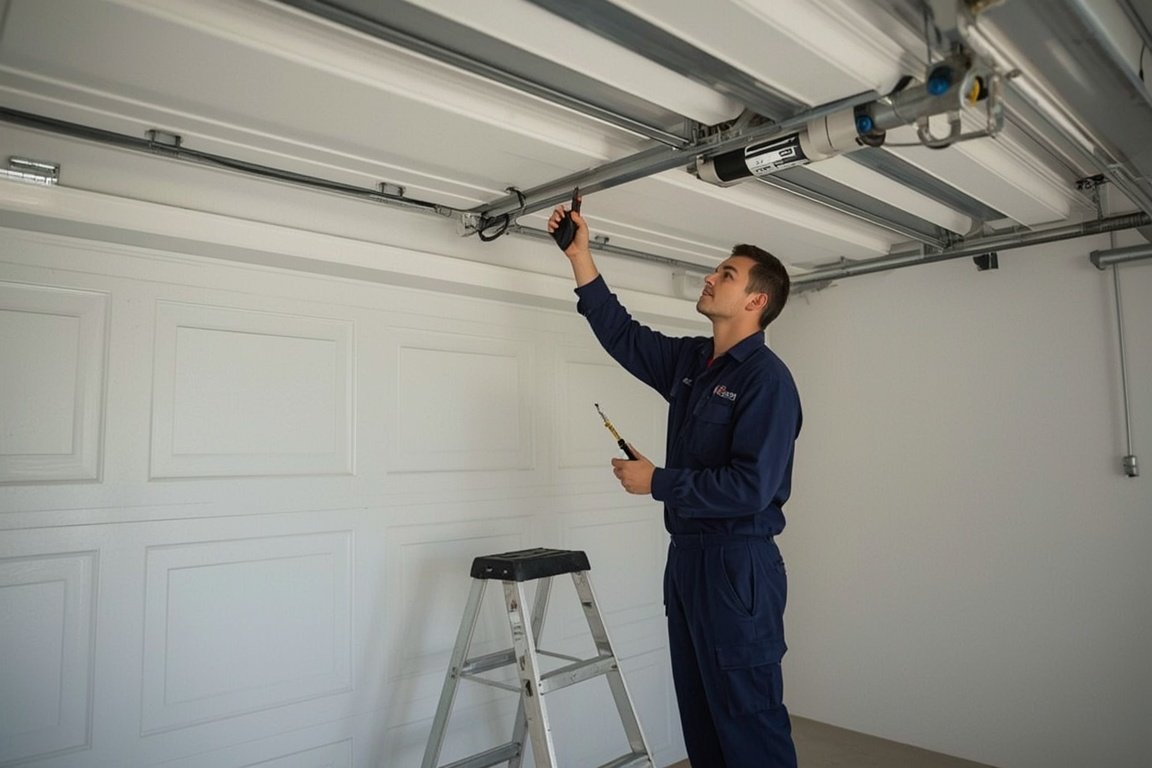
To ensure your garage door opener light functions properly, regular maintenance and timely repairs are essential. If you're unsure about diagnosing or fixing the issue yourself, it's advisable to seek professional help. At GarageFL, our team of experienced technicians is ready to assist with all your garage door needs. Whether you require a full inspection or a specific repair, we offer comprehensive garage door services tailored to your needs.
For more information about our team and expertise, visit our About page. If you have questions or need immediate assistance, don't hesitate to reach out through our Contact Us page.
For further reading and tips on garage door maintenance, check out our blog, where we regularly post updates and helpful guides.
By understanding the common reasons behind garage door opener light issues, you can take proactive steps to maintain your system and ensure it operates safely and efficiently.
Step-by-Step Guide to Troubleshoot and Fix the Light Issue
Fixing a garage door opener light issue may seem daunting at first, but with a systematic approach, most problems can be resolved without professional help. Start by ensuring the light bulb is not the root of the problem. Use a compatible bulb, preferably an LED or CFL that is designed for garage door openers, as some bulbs can interfere with the opener's radio frequency. If the bulb is fine, check the socket for corrosion or damage. Turn off the power to the opener and inspect the socket for any signs of wear or loose connections. If necessary, gently clean the socket and ensure the bulb is screwed in properly.
Next, examine the light settings on your garage door opener. Most models have a light timer setting that determines how long the light stays on after the door is operated. Refer to your opener's manual to locate and adjust these settings. If the light doesn't turn on at all, even when the door is activated, the issue might lie with the logic board or control circuit. In this case, reset the opener by unplugging it for a few minutes and then plugging it back in. This can sometimes resolve minor electronic glitches.
If the light still fails to function, inspect the wiring. Loose or damaged wires can prevent the light from receiving power. Carefully check the wires connected to the light socket and the control board. If you're not comfortable handling electrical components, it's best to consult a professional. Additionally, test the wall control panel and remote controls. Some models allow you to manually turn the light on and off using these devices. If the light responds to manual control but not to automatic triggers, the motion sensor or logic board may be faulty.
Another common issue is a malfunctioning motion sensor. Many garage door openers have built-in motion detectors that automatically turn the light on when movement is detected. If this feature isn't working, ensure the sensor is clean and unobstructed. Dust, cobwebs, or misalignment can prevent it from functioning correctly. Clean the sensor with a soft cloth and realign it if necessary. If the sensor still doesn't work, it may need to be replaced.
In some cases, the problem may be related to a power surge or electrical issue. Check your circuit breaker to ensure the garage door opener is receiving power. If the breaker has tripped, reset it and see if the light functions properly. Also, inspect the outlet where the opener is plugged in. Try plugging in another device to confirm the outlet is working. If the outlet is dead, you may need to consult an electrician.
If all else fails, it might be time to consider professional assistance. Persistent issues with the light function could indicate a deeper problem with the opener's internal components. A trained technician can diagnose and repair the issue efficiently. For reliable and expert help, consider reaching out to our team through our contact page. We offer comprehensive services that cover everything from light issues to full opener replacements.
Understanding the broader context of your garage door system can also be helpful. For instance, if your opener is older or has been experiencing multiple issues, it might be time to consider a full upgrade. Learn more about the different types of garage doors and openers available today to make an informed decision. Staying informed and proactive can save you time and money in the long run, ensuring your garage door system remains safe and functional.
In conclusion, fixing garage door opener light issues can often be a straightforward task if you follow the right steps. From checking the light bulb and ensuring it's the correct type, to inspecting the wiring, sensors, and control board, each component plays a vital role in the proper functioning of your garage door opener light. Regular maintenance and timely troubleshooting can prevent minor problems from turning into costly repairs. However, if you're ever unsure or uncomfortable handling electrical components, it's always best to consult a professional. With the right approach, you can restore your garage door opener light and keep your garage safe and well-lit.
Skip the YouTube rabbit hole - we'll have a tech at your door same day across Broward, Dade and Palm Beach.