Understanding Why Your Garage Door Stops Halfway
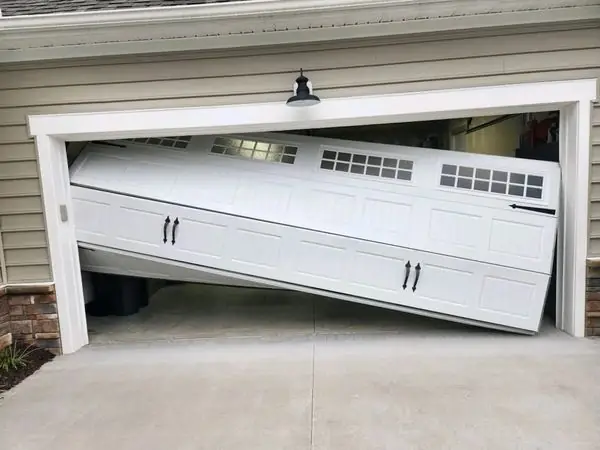
Ever hit the garage door remote and watched your door stop halfway like it's having second thoughts? Yeah, it's frustrating. But don't worry - you're not alone. This is one of the most common issues homeowners face with their garage doors. Whether it's a mechanical hiccup or an electrical glitch, there's always a reason behind it. And the good news? Most of the time, it's fixable without calling in the cavalry (though we'll tell you when you should).
Let's start by understanding what might be going on. A garage door that stops halfway could be dealing with a few culprits: misaligned sensors, worn-out springs, a faulty opener, or even something as simple as dirt on the tracks. If you're in South Florida, where humidity and salt air can wear things down faster, these problems might pop up more often. That's why regular garage door tune-ups are so important.
Sometimes, the issue is with the garage door opener itself. If it's an older model or not properly calibrated, it might not have the strength to lift the door all the way. Or maybe the springs are broken - a common issue that can cause the door to stop or even slam shut. That's where broken spring repair comes into play.
At GarageFL, we've seen it all. From residential garage door service calls to full garage door installations, we know how to diagnose and fix these halfway hang-ups. If you're tired of your garage door playing games, keep reading - we're diving deep into how to fix this issue step-by-step.
Check the Tracks and Rollers for Obstructions
Let's get hands-on. First things first - check the tracks. Your garage door runs on metal tracks, and if there's any debris, rust, or misalignment, it can cause the door to stop halfway. Think of it like a train trying to run on a bent rail. It's not going far.
Start by visually inspecting the tracks on both sides. Are they straight? Are the rollers moving smoothly? If you see any gunk, grab a damp cloth and clean it off. For tougher grime, a little degreaser can work wonders. Don't forget to check for dents or bends. If the track is warped, the rollers might get stuck, causing the door to halt mid-motion.
Next, examine the rollers themselves. These little wheels can wear out over time, especially if they're plastic. If they're cracked, chipped, or not spinning freely, it's time for a garage door roller replacement. Upgrading to nylon rollers can reduce noise and improve performance - especially if you're using electric garage door openers like LiftMaster garage openers.
And here's a pro tip: lubricate the tracks and rollers with a silicone-based lubricant. Avoid WD-40 - it's a degreaser, not a lubricant. A well-lubricated system runs smoother and puts less strain on your opener. If you're unsure about the condition of your tracks or rollers, schedule a safety inspection with a pro.
Still stuck? Don't worry - we've got more tricks up our sleeve.
Inspect the Garage Door Springs
Now let's talk about the muscle behind your garage door - the springs. These bad boys do the heavy lifting, literally. If your door is stopping halfway, there's a good chance the springs are either broken or losing tension.
There are two main types of springs: torsion and extension. Torsion springs are mounted above the door, while extension springs run along the sides. Either way, if one breaks, your door becomes unbalanced. That imbalance can cause the opener to struggle, making it stop halfway to avoid damage.
How do you know if a spring is broken? Look for a visible gap in the coil or listen for a loud bang (it sounds like a firecracker). If you suspect a broken spring, don't try to fix it yourself. These springs are under high tension and can be dangerous. Instead, call in the pros for garage door spring repair.
Even if the springs aren't broken, they might be worn out. Over time, they lose their strength, especially in humid climates like South Florida. That's why regular maintenance is key. A technician can test the tension and adjust or replace the springs as needed.
At GarageFL, we specialize in broken spring repair and can get your door back in shape fast. We even offer same-day garage repair for emergencies. Don't let a faulty spring ruin your day - get it fixed before it causes more damage.
Test and Adjust the Garage Door Opener Settings
If your tracks and springs check out, the next suspect is your garage door opener. Specifically, the travel and force settings. These settings tell the opener how far to move the door and how much resistance is acceptable. If they're off, your door might stop halfway or reverse unexpectedly.
Most modern electric garage door openers - especially LiftMaster garage openers - have dials or digital controls for these settings. Check your manual or look for the adjustment screws on the opener unit. One controls the up/down travel, and the other adjusts the force.
To adjust the travel, turn the screw slightly and test the door. Increase the up travel if the door isn't opening fully. For force settings, increase the force if the door stops too easily. But be careful - too much force can be dangerous. If you're not comfortable making these adjustments, it's best to call in a pro for garage door opener repair.
Also, check the opener's age. If it's more than 10-15 years old, it might be time for a garage door opener replacement. Newer models are more efficient, quieter, and come with smart features like smart garage door opener installation. Plus, they're compatible with keyless entry systems for added convenience.
Need help choosing the right opener? GarageFL offers expert advice and installation services across South Florida. We'll help you find the perfect fit for your home and budget.
Evaluate the Garage Door Sensors
Garage door sensors are like the eyes of your system. They're designed to prevent the door from closing on objects or people. But if they're misaligned or dirty, they can cause the door to stop halfway or not move at all.
Start by checking the alignment. The sensors should face each other directly, with no obstructions in between. If one is slightly off, the system won't work properly. You'll usually see a blinking light on the sensor if there's an issue. Gently adjust them until the lights are steady.
Next, clean the lenses with a soft cloth. Dust, cobwebs, or even sunlight glare can interfere with the signal. If cleaning and aligning don't fix the problem, the sensors might be faulty. In that case, you'll need to replace them or call for sensor repair services.
Modern systems often integrate with smart home tech, so if you're upgrading, consider a smart garage door installation. These systems offer better diagnostics and remote monitoring, making it easier to spot and fix issues before they become major problems.
At GarageFL, we've helped countless homeowners troubleshoot sensor issues. Whether it's a quick fix or a full replacement, we've got your back. And with our residential garage door services, you'll always get fast, reliable help when you need it.
When to Call a Professional Garage Door Technician
Let's be real - some garage door issues are just too complex or risky to handle on your own. If you've tried all the steps above and your door still stops halfway, it's time to call in the pros. And if you're dealing with broken springs, electrical issues, or a door that's completely off-track, don't even think about DIY.
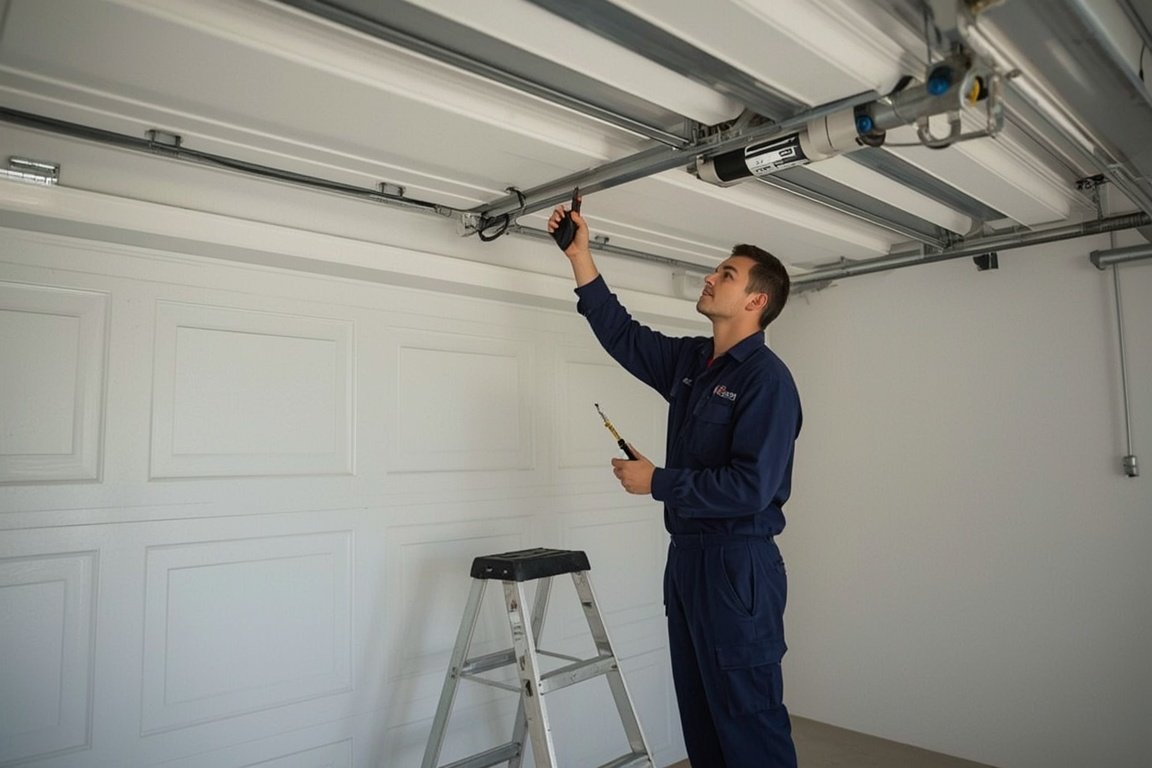
Professional technicians have the tools, training, and experience to diagnose and fix problems quickly and safely. They can also spot potential issues before they become costly repairs. Plus, they'll ensure your system is up to code and working efficiently.
GarageFL offers expert garage door repair, installation, and maintenance services across South Florida. We're licensed, insured, and trusted by homeowners throughout the region. Whether you need motor repair, hinge replacement, or a full system upgrade, we've got you covered.
And the best part? We offer same-day garage repair for emergencies. So if your door is stuck halfway and you're late for work, give us a call. We'll get you back on track - fast.
Conclusion
A garage door that stops halfway isn't just annoying - it's a sign that something's not right. Whether it's a dirty track, a broken spring, or a faulty opener, the key is to diagnose the issue early and take action. With a little troubleshooting and some help from the pros at GarageFL, you can get your door running smoothly again in no time.
Remember, regular maintenance is your best defense against garage door problems. Schedule a tune-up, keep your system clean, and don't ignore the warning signs. Your garage door is one of the hardest-working parts of your home - treat it right, and it'll return the favor.
Need help now? GarageFL is here for you. We offer expert garage door repair, garage door installation, and maintenance services across South Florida. Trusted, licensed, and insured. Call GarageFL for fast service today!
What causes a garage door to stop halfway?
Common causes include misaligned tracks, worn-out rollers, broken springs, faulty sensors, or incorrect opener settings. Environmental factors like humidity in South Florida can also contribute to wear and tear.
Can I fix a garage door spring myself?
No, it's not recommended. Garage door springs are under high tension and can cause serious injury if handled improperly. Always call a professional for broken spring repair.
How do I know if my garage door opener needs replacing?
If your opener is over 10 years old, makes unusual noises, or struggles to lift the door, it might be time for a garage door opener replacement. New models offer better performance and smart features.
Are smart garage door openers worth it?
Absolutely! They offer remote access, real-time alerts, and integration with home automation systems. Check out our smart opener installation services for more info.
How often should I service my garage door?
At least once a year. Regular tune-ups help prevent major issues and extend the life of your system. If you live in a coastal area like South Florida, consider servicing it more frequently.
Skip the YouTube rabbit hole - we'll have a tech at your door same day across Broward, Dade and Palm Beach.