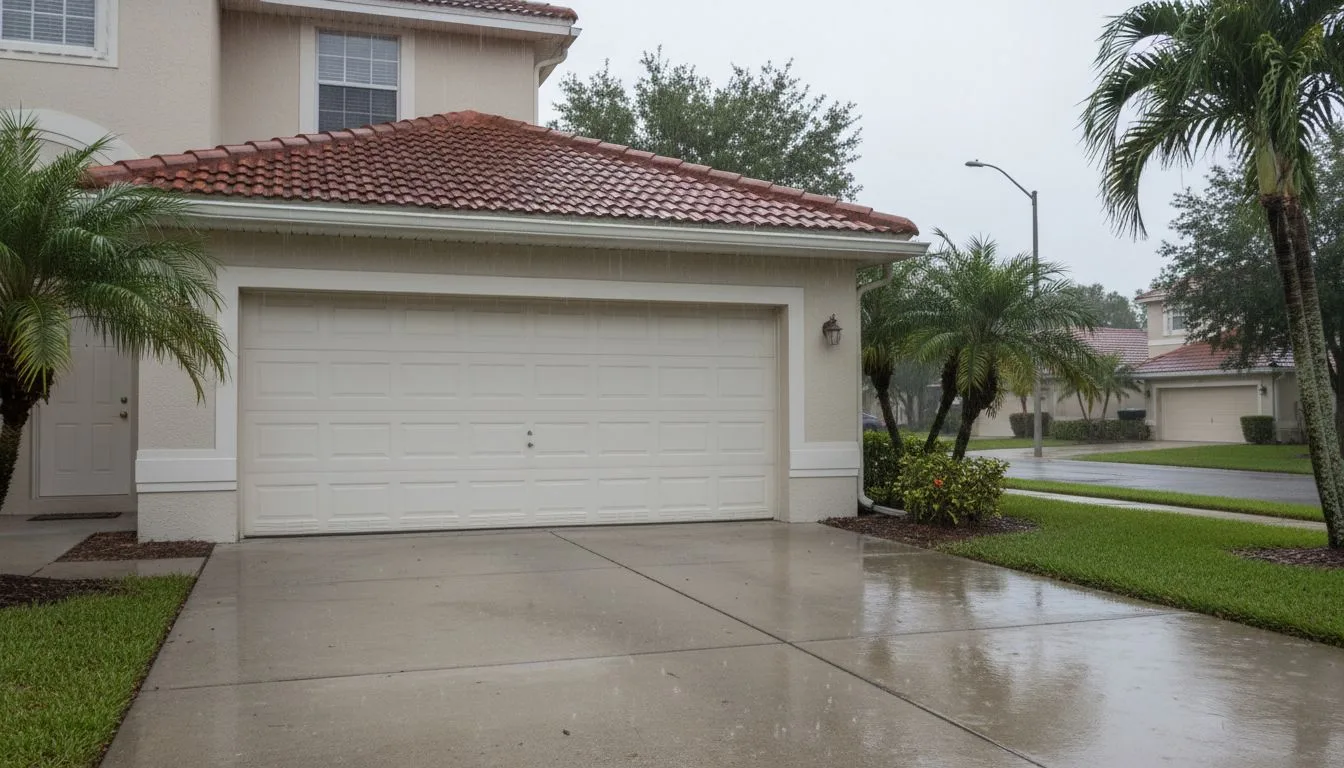
Is your garage door refusing to open during rainy weather? You're not alone. Many homeowners face this frustrating issue, especially in areas like South Florida where sudden downpours are common. Understanding how to fix a garage door that won't open in rain can save you time, stress, and potential repair costs. Rain can affect your garage door system in several ways - from sensor malfunctions and electrical issues to water-damaged components. At GarageFL, we specialize in expert garage door repair, installation, and maintenance services tailored to South Florida's unique climate. Our licensed and insured technicians are trained to diagnose and resolve weather-related garage door problems quickly and efficiently. Whether it's a faulty opener, misaligned sensors, or water infiltration, GarageFL is here to help. Call us today for fast, reliable service and get your garage door working smoothly - rain or shine.
Understanding Why Rain Affects Your Garage Door
Rainy weather can have a surprising impact on the functionality of your garage door, often leading to issues where it refuses to open or close properly. Understanding the reasons behind this can help homeowners take preventative measures and know when to seek professional help. Moisture from rain can affect both the mechanical and electrical components of your garage door system, leading to temporary malfunctions or long-term damage if not addressed promptly.
One of the most common reasons a garage door won't open during rain is due to water infiltration into the electrical components. Garage door openers rely on sensors and circuit boards that are sensitive to moisture. When water seeps into these parts, it can cause short circuits or signal disruptions. According to the International Association of Certified Home Inspectors, moisture is one of the leading causes of electrical failure in residential systems. This is especially true for older garage door openers that may not have weather-resistant housing.
Another factor is the swelling of wooden garage doors or frames. Wood absorbs moisture, and during heavy rain, this can cause the door or its frame to expand. This expansion can lead to increased friction or misalignment, making it difficult for the door to move smoothly along its tracks. In some cases, the door may get stuck entirely. Metal components are not immune either; rain can lead to rust and corrosion, particularly on springs, rollers, and tracks, which can hinder the door's operation.
The sensors located near the base of the garage door are also vulnerable. These sensors are designed to detect obstructions and prevent the door from closing on objects or people. However, when rainwater pools around the base of the door, it can interfere with the sensor's infrared beam. This interference may cause the system to interpret the water as an obstruction, preventing the door from opening or closing.
"Garage door sensors are highly sensitive to environmental changes, and even a small amount of water or dirt can disrupt their function," says the Door & Access Systems Manufacturers Association (DASMA).
Additionally, rain can exacerbate existing issues with the garage door's weather stripping or sealing. If the weather seal is worn out or damaged, water can easily enter the garage, affecting not only the door mechanism but also the interior of your garage. This is why regular maintenance, such as a garage door tune-up, is essential to ensure all components are in optimal condition and resistant to weather-related damage.
Here are some common rain-related issues that can affect your garage door:
- Water damage to electrical components like circuit boards and sensors
- Swelling of wooden doors or frames causing misalignment
- Rust and corrosion on metal parts such as springs and tracks
- Sensor malfunction due to water interference
- Worn-out weather stripping allowing water intrusion
To mitigate these issues, homeowners should consider waterproofing their garage door system and ensuring proper drainage around the garage. Installing a high-quality weather seal and keeping the sensor lenses clean and dry can also help. If your garage door system is outdated or frequently malfunctions during rain, it may be time to consider a new garage door installation or upgrading to a more weather-resistant model.
For those living in areas prone to heavy rainfall or storms, investing in a hurricane-rated garage door can provide added protection. These doors are designed to withstand extreme weather conditions and often come with enhanced sealing and corrosion-resistant materials.
If you're experiencing persistent issues with your garage door during rainy weather, it's best to consult a professional. Visit our contact page to schedule an inspection or learn more about our services. For more information on common garage door problems and solutions, check out our comprehensive FAQ section.
For further reading on garage door maintenance and weatherproofing, consider these external resources:
- Family Handyman: How to Weatherstrip a Garage Door
- U.S. Department of Energy: Air Sealing Your Home
- DASMA - Door & Access Systems Manufacturers Association
Understanding how rain affects your garage door is the first step in preventing costly repairs and ensuring your home remains secure and functional regardless of the weather.
Inspecting the Garage Door Opener System
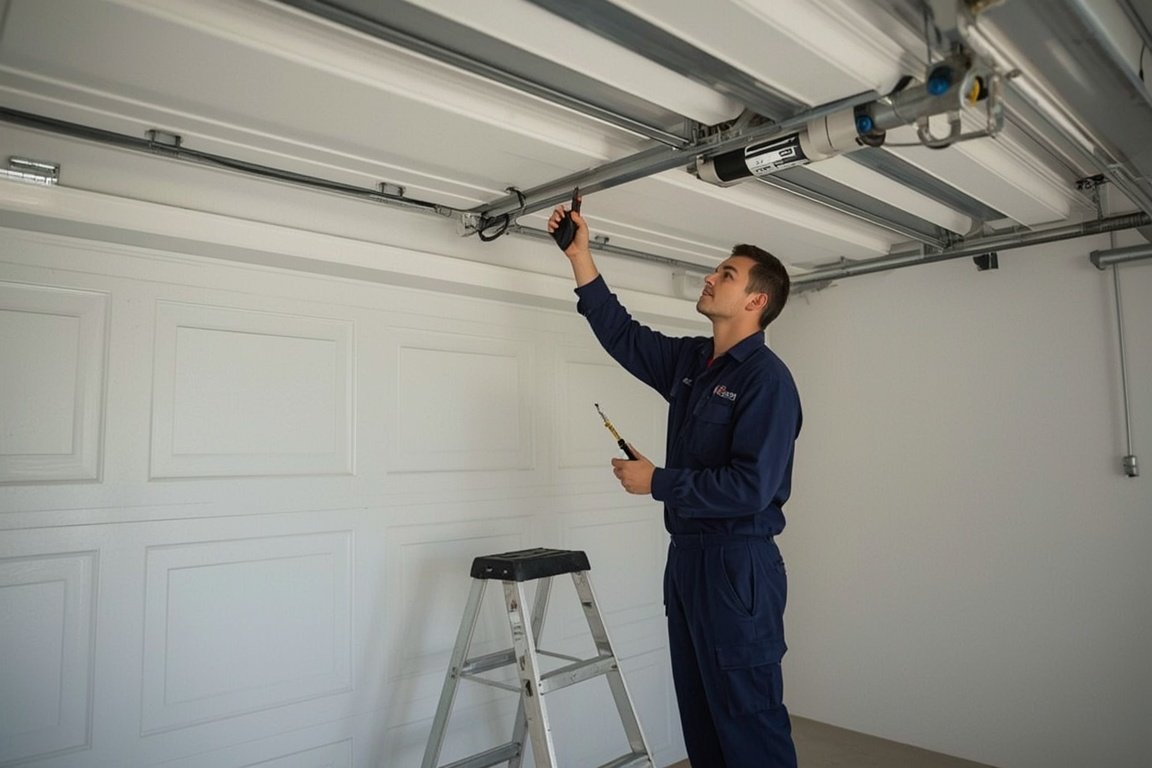
When your garage door refuses to open during rainy weather, one of the most critical components to examine is the garage door opener system. This system is the heart of your garage door's functionality, and moisture can significantly impact its performance. Begin by checking the power source to ensure the opener is receiving electricity. Rain can sometimes cause short circuits or power surges, especially if your garage is not properly insulated or grounded. Inspect the wiring for any signs of corrosion or fraying, as water exposure can deteriorate electrical components over time. If you notice any burnt smells or visible damage, it may be time to consider a professional garage door opener repair.
Next, evaluate the condition of the opener's motor. Excessive moisture can lead to motor malfunction, especially in older systems. Listen for unusual noises such as grinding or humming, which may indicate internal damage or water intrusion. If your opener is more than a decade old, it might not be equipped to handle the humidity and moisture levels common in rainy climates. In such cases, upgrading to a more weather-resistant model through a garage door opener replacement could be a wise investment. Modern openers often come with sealed components and improved insulation, making them more resilient to weather-related issues.
Another area to inspect is the safety sensors located near the bottom of the garage door tracks. These sensors can become misaligned or obstructed by water droplets, dirt, or debris during rainstorms. Clean the lenses gently with a soft cloth and ensure they are properly aligned. If the sensors are blinking or not responding, they may have been damaged by moisture and might need professional attention. You can learn more about sensor issues and potential fixes by visiting our page on broken garage door system sensors.
Additionally, consider the condition of the remote control and wall-mounted opener. Rain and humidity can affect the battery life and internal circuitry of these devices. Replace the batteries and test the remote in dry conditions to rule out weather-related interference. If the problem persists, it could be a sign of a deeper issue within the opener system itself. In some cases, a full system diagnostic performed by a technician may be necessary to identify hidden faults caused by moisture exposure.
Lastly, check the opener's settings and programming. Sometimes, power fluctuations during storms can reset the system or alter its settings. Refer to your user manual to reprogram the opener if needed. If you are unsure how to proceed or if the issue remains unresolved, reaching out to a professional service provider is highly recommended. For more information about our comprehensive repair and maintenance solutions, visit our services page.
By thoroughly inspecting the garage door opener system, you can identify and address the root cause of your garage door's failure to open in the rain. Regular maintenance and timely upgrades can help prevent future issues and ensure your garage door operates smoothly regardless of the weather.
Checking for Electrical Issues and Moisture Damage
When your garage door refuses to open during rainy weather, one of the most common culprits is electrical malfunction caused by moisture exposure. Rainwater can seep into sensitive components of your garage door system, leading to short circuits, corrosion, or complete failure of electrical parts. Start by inspecting the garage door opener unit, especially if it's mounted on the ceiling. Look for signs of water damage such as rust, condensation, or a musty odor. Moisture can infiltrate the opener's circuit board, disrupting its ability to send or receive signals. If you notice any of these signs, it may be time to consider a professional garage door opener repair to restore functionality and prevent further damage.
Another area to examine is the wiring and connections throughout the garage door system. Rain can cause exposed or poorly insulated wires to short out, especially if your garage is not adequately sealed. Check for frayed wires, loose connections, or any visible water intrusion near the control panel or sensors. If your garage door uses a wall-mounted keypad or remote entry system, these components are also vulnerable to moisture. Water can interfere with the signal transmission, making it difficult or impossible for the opener to respond. In such cases, a garage door keypad replacement or inspection may be necessary to ensure reliable operation.
Garage door sensors are another critical component that can be affected by rain. These sensors are typically installed near the base of the door and are responsible for detecting obstructions. If water accumulates around them or if the lenses become fogged or dirty, the sensors may misinterpret the signal and prevent the door from closing or opening. Cleaning the lenses and ensuring they are properly aligned can often resolve the issue. However, if the sensors are damaged due to prolonged exposure to moisture, you might need a professional assessment or a sensor replacement.
In addition to electrical components, moisture can also affect the mechanical parts of your garage door. Metal parts such as springs, rollers, and hinges can rust when exposed to humidity, leading to stiffness or complete failure. This can place extra strain on the opener and prevent the door from functioning smoothly. Regular maintenance, such as lubrication and timely inspections, can help prevent these issues. If rust or corrosion has already set in, consider scheduling a garage door tune-up to restore optimal performance.
Finally, it's essential to evaluate the overall weatherproofing of your garage. Poor sealing around the door frame or gaps in the structure can allow rainwater to enter and compromise the electrical system. Installing or replacing weather seals and ensuring proper drainage around the garage can significantly reduce the risk of moisture-related problems. If you're unsure about the condition of your garage door system or need expert advice, don't hesitate to reach out through our contact page. Our team is ready to help you diagnose and fix any issues, ensuring your garage door operates reliably in all weather conditions.
Examining the Weather Seals and Door Tracks
When your garage door refuses to open during rainy weather, one of the most overlooked yet critical areas to inspect is the condition of the weather seals and door tracks. These components play a vital role in protecting your garage from moisture and ensuring smooth door operation. Over time, weather seals can become brittle, cracked, or misaligned, allowing rainwater to seep into the garage. This moisture can cause the metal components of the door, especially the tracks, to rust or accumulate debris, leading to friction and resistance that prevents the door from opening properly.
Start by closely examining the bottom weather seal along the base of the garage door. This rubber or vinyl strip is designed to create a tight seal between the door and the floor. If it appears worn out, flattened, or torn, it may allow water to enter and pool along the tracks. This standing water can lead to corrosion or swelling in wooden doors, which may cause the door to stick. Replacing a damaged weather seal is a simple yet effective way to prevent water intrusion and maintain the door's functionality. For professional assistance, consider scheduling a garage door weather seal replacement to ensure a proper fit and long-lasting protection.
Next, inspect the vertical and horizontal tracks on both sides of the garage door. Rainwater can carry dirt, leaves, and other debris into the tracks, creating blockages that hinder the door's movement. Additionally, moisture can lead to rust formation, especially if the tracks are not galvanized or have lost their protective coating. Use a flashlight to check for signs of rust, dents, or misalignment. If you notice any buildup or corrosion, clean the tracks thoroughly using a damp cloth and a mild detergent. Avoid using harsh chemicals that could damage the metal. After cleaning, apply a silicone-based lubricant to the tracks to reduce friction and prevent future rusting.
It's also important to check the alignment of the tracks. Misaligned tracks can cause the door to jam or operate unevenly, particularly when the added resistance of wet conditions is involved. If the tracks appear to be out of alignment, do not attempt to fix them yourself unless you have experience with garage door systems. Improper adjustments can lead to further damage or even pose a safety risk. Instead, reach out to a professional for a thorough garage door repair service to realign and secure the tracks properly.
In addition to the tracks and seals, consider the overall condition of the garage door system. Rain can exacerbate existing issues, such as worn rollers or hinges, which may also contribute to the door's inability to open. A comprehensive inspection and maintenance routine can help identify and resolve these problems before they become severe. For homeowners in Fort Lauderdale, a seasonal garage door tune-up can be an excellent preventive measure to keep your system running smoothly, even in adverse weather conditions.
Ultimately, maintaining the weather seals and door tracks is essential not only for preventing rain-related malfunctions but also for extending the lifespan of your garage door. By keeping these components clean, aligned, and in good condition, you can avoid costly repairs and ensure reliable performance year-round. If you're unsure about the condition of your garage door or need expert help, don't hesitate to contact a trusted local service provider who can assess and address the issue promptly.
Testing the Garage Door Sensors
One of the most common reasons a garage door refuses to open during rainy weather is a malfunction in the sensor system. Garage door sensors are designed to prevent the door from closing on objects or people, but when exposed to moisture, they can become misaligned or fail to function properly. To begin testing the sensors, first ensure that both sensors located on either side of the garage door near the floor are clean and dry. Use a soft cloth to gently wipe away any dirt, dust, or water droplets that may be interfering with the infrared beam. Even a small amount of moisture or debris can disrupt the signal between the sensors, causing the system to interpret it as an obstruction and prevent the door from operating.
Next, check the alignment of the sensors. Each sensor should face directly toward the other, with their LED lights illuminated. If one or both lights are off or blinking, this is a clear indication that the sensors are not aligned correctly. Adjust them carefully until both lights remain steady. It's also important to inspect the wiring connected to the sensors. Rain and humidity can sometimes cause corrosion or loose connections, which may result in intermittent functionality. If you notice any frayed wires or signs of water damage, it may be time to consider professional garage door repair services to ensure the system is safe and reliable.
Another step in testing the sensors involves simulating an obstruction. Place a solid object, like a cardboard box, in the path of the sensors and attempt to close the garage door. If the door reverses as expected, the sensors are likely functioning correctly. However, if the door closes on the object or fails to respond, the sensors may be faulty or require recalibration. In some cases, the issue may stem from the garage door opener itself, especially if it has been exposed to moisture. If sensor troubleshooting does not resolve the issue, consider a professional evaluation or even a garage door opener replacement to restore optimal performance.
It's also worth noting that older sensor models may be more susceptible to weather-related issues. Upgrading to newer, weather-resistant sensors can provide a more reliable solution, especially in areas prone to heavy rainfall. Additionally, installing protective covers or enclosures around the sensors can help shield them from direct exposure to water and debris. Regular maintenance, such as periodic cleaning and inspection, can go a long way in preventing future problems and ensuring your garage door operates smoothly regardless of the weather.
If you're unsure about handling sensor testing or repairs on your own, it's always best to consult with a professional technician. They can perform a thorough inspection and identify any underlying issues that may not be immediately visible. For more information about available services or to schedule a visit, you can reach out through the contact page. Properly functioning sensors are essential not only for convenience but also for safety, making it crucial to address any issues promptly when your garage door won't open in the rain.
Preventive Maintenance Tips for Rainy Weather
To ensure your garage door operates smoothly during rainy weather, implementing preventive maintenance is essential. Moisture and humidity can significantly impact the mechanical and electrical components of your garage door system, leading to issues such as rust, sensor malfunctions, and motor failure. Start by inspecting the weather stripping and seals around your garage door. If they appear worn or cracked, replace them promptly to prevent water from seeping into the garage and damaging internal components. Regularly clean and lubricate all moving parts, including rollers, hinges, and tracks, using a silicone-based lubricant that resists moisture. This helps prevent rust and ensures smooth operation even in damp conditions. Additionally, check the garage door opener and its wiring for any signs of corrosion or water damage. If your opener is outdated or frequently malfunctions during rain, consider a professional garage door opener replacement to ensure reliable performance.
Another critical step is to test the safety sensors, which can become misaligned or obstructed by moisture and debris. Wipe them clean and ensure they are properly aligned to avoid false readings that prevent the door from closing or opening. If problems persist, it may be necessary to consult a technician for broken garage door system sensors repair. Also, inspect the garage door springs and cables, as these components are particularly vulnerable to rust and wear in wet weather. Applying a rust-inhibiting spray can extend their lifespan and reduce the risk of sudden failure. For homes in areas prone to heavy rainfall or flooding, installing a drainage system around the garage can help divert water away from the door and foundation, minimizing moisture exposure.
Scheduling a seasonal garage door tune-up before the rainy season begins is a proactive way to catch potential issues early. A professional technician can identify and fix minor problems before they escalate, ensuring your garage door remains functional and safe. Keeping your garage door system in top condition not only prevents inconvenient breakdowns but also extends the life of your investment. By following these preventive maintenance tips, you can avoid the common pitfalls that cause garage doors to malfunction during rain and maintain a secure, weather-resistant entry to your home.
When to Call a Professional Technician
If your garage door refuses to open during rainy weather, it might be tempting to troubleshoot the issue on your own. While some minor problems can be resolved with basic maintenance, there are situations where calling a professional technician is not only advisable but necessary. One of the most common reasons a garage door fails to operate in the rain is due to electrical or sensor malfunctions. Moisture can seep into the system, affecting the wiring or short-circuiting the opener. If you notice flickering lights on the opener, hear unusual noises, or see that the door moves erratically, these are signs that the issue may be beyond a simple fix. In such cases, a trained technician can safely diagnose and repair the problem, ensuring your system is protected from further damage.
Another scenario that calls for professional help is when the door becomes misaligned or jammed. Rain can cause the metal components of your garage door to expand slightly, which may lead to track misalignment or increased friction. Attempting to force the door open or realign the tracks yourself can be dangerous and may worsen the issue. A professional can inspect the tracks, rollers, and hinges to determine if any parts need adjustment or replacement. If you suspect that the problem lies with the springs or cables, it's crucial to avoid any DIY attempts. These components are under high tension and can cause serious injury if handled improperly. For issues like these, it's best to rely on expert garage door repair services to restore safe and smooth operation.
Sensor problems are another common culprit during wet weather. Rain can interfere with the infrared sensors that prevent the door from closing on objects or people. If the sensors are misaligned or have water damage, the door may not respond at all. Cleaning the sensors may help, but if the problem persists, it's time to call a technician. They can test the sensors and replace them if necessary, ensuring your garage door system remains safe and functional. For more complex issues like a malfunctioning opener or a faulty circuit board, a professional will have the tools and expertise to perform a thorough inspection and recommend the best solution. If your opener is outdated or frequently malfunctions during rain, you might consider a garage door opener replacement to improve reliability and performance.
Additionally, if your garage door is older or has not been maintained regularly, rain-related issues may be a sign of deeper wear and tear. A professional technician can conduct a full system evaluation to identify worn-out parts, rust, or water damage that could lead to future failures. Preventative maintenance, such as a seasonal tune-up, can help extend the life of your garage door and prevent weather-related malfunctions. If you're unsure about the condition of your system or need expert advice, don't hesitate to reach out through the contact page to schedule an inspection or service appointment.
Ultimately, while some garage door issues during rainy weather can be addressed with simple fixes, others require the knowledge and experience of a trained professional. Ignoring the signs or attempting risky repairs can lead to more costly damage or even personal injury. Whether it's a sensor issue, a mechanical failure, or an electrical problem, calling a technician ensures your garage door is repaired safely and efficiently.
In conclusion, dealing with a garage door that won't open in the rain can be frustrating, but with a little troubleshooting, you can often identify and resolve the issue yourself. From checking the weather seals and sensors to inspecting the remote control and electrical components, understanding how rain affects your garage door system is key to preventing future problems. Regular maintenance and timely repairs can go a long way in ensuring your garage door operates smoothly, rain or shine. If the problem persists despite your efforts, don't hesitate to contact a professional technician to ensure your garage door remains safe and functional.
Skip the YouTube rabbit hole - we'll have a tech at your door same day across Broward, Dade and Palm Beach.