Rust on garage door tracks is more than an aesthetic issue - it can compromise the functionality and lifespan of your garage door. Tracks are essential for guiding the door smoothly during opening and closing, and corrosion can cause uneven movement, squeaks, or even jams. Addressing rust promptly ensures your door continues to operate safely and efficiently. In this guide, GarageFL provides step-by-step instructions to fix rust, prevent further corrosion, and maintain your garage door tracks for years to come.
Understanding rust and why it occurs
Garage door tracks are typically made from steel, which is susceptible to rust when exposed to moisture, humidity, or salty coastal air. Rust begins as small surface spots but can worsen over time, forming flakes that interfere with smooth door operation. Florida homeowners often experience accelerated corrosion due to high humidity and coastal environments. Identifying rust early is key to preventing costly repairs or track replacement.
Step 1: Inspect your garage door tracks
Begin by carefully examining both sides of each track. Look for visible rust, pitting, or corrosion buildup. Check for uneven surfaces or debris that might indicate damage caused by rust. Also, inspect brackets, bolts, and rollers, as rust can spread to other metal components. Regular inspections allow you to address minor issues before they affect door performance.
Step 2: Remove the garage door from operation for safety
Before beginning any rust removal, ensure safety by disengaging the garage door opener. Pull the emergency release cord to disconnect the door from the opener, allowing you to move it manually if needed. Make sure the door is fully closed and stable to prevent accidental movement during cleaning. Use gloves and safety goggles to protect yourself from sharp rust flakes.
Step 3: Clean the tracks
Remove loose debris, dust, and rust flakes using a soft brush or dry cloth. Avoid using abrasive tools that can scratch the metal and promote further corrosion. For stubborn dirt, use mild soap and warm water, then dry the tracks completely. A clean surface ensures better adhesion for rust treatment products.
Step 4: Apply a rust remover
Choose a commercial rust remover suitable for steel surfaces. These products contain chemicals that dissolve rust without damaging the metal underneath. Follow the manufacturer's instructions carefully:
- Apply the rust remover evenly with a cloth or brush.
- Let it sit for the recommended time to allow the chemical to break down rust.
- Use a nylon or brass brush to gently scrub away loosened rust.
For minor rust, white vinegar or lemon juice can also work as natural alternatives. After treatment, wipe the tracks clean and dry thoroughly to prevent moisture retention.
Step 5: Sand the tracks
Once the rust has been removed, lightly sand the affected areas with fine-grit sandpaper (around 220 - 320 grit) to smooth the metal surface. Sanding removes any remaining rust particles and helps prevent future corrosion. After sanding, wipe the tracks with a clean cloth to remove dust.
Step 6: Apply a protective coating
To prevent rust from returning, apply a protective coating to the metal tracks. Options include:
- Rust-inhibiting primer or paint for steel surfaces.
- Light machine oil or silicone-based lubricant applied evenly along the tracks.
- Wax-based metal protectants for additional moisture resistance.
Ensure the coating covers all surfaces, including corners and edges. This layer protects against humidity, water, and environmental exposure, extending the life of your tracks.
Step 7: Lubricate rollers and tracks
Proper lubrication is essential for smooth operation and to prevent friction that accelerates wear. Apply a high-quality garage door lubricant along the tracks and on each roller. Avoid using WD-40 as it is primarily a cleaner and evaporates quickly, providing minimal long-term protection. Lubrication reduces friction, minimizes noise, and helps prevent future rust formation.
Step 8: Inspect and replace damaged components
If you notice significant pitting, warping, or deep rust on the tracks or rollers, replacement may be necessary. Rust that has compromised the structural integrity of the metal cannot be fully repaired. Replace worn rollers, brackets, or entire sections of track to ensure safe and reliable operation. Always use compatible, high-quality parts to maintain system balance and performance.
Step 9: Check garage door alignment
After cleaning, sanding, and applying protective coatings, verify that your garage door tracks are properly aligned. Misaligned tracks cause uneven wear, friction, and can promote rust formation in areas of high stress. Use a level to check vertical and horizontal alignment, and adjust the track brackets as needed. Proper alignment ensures smooth operation and reduces stress on all moving components.
Step 10: Schedule regular maintenance
Preventing rust is easier than fixing it repeatedly. Schedule routine maintenance every 3 - 6 months:
- Inspect for rust, corrosion, and debris accumulation.
- Clean tracks and lubricate moving parts.
- Check alignment and tighten bolts.
- Inspect rollers, brackets, and springs for wear.
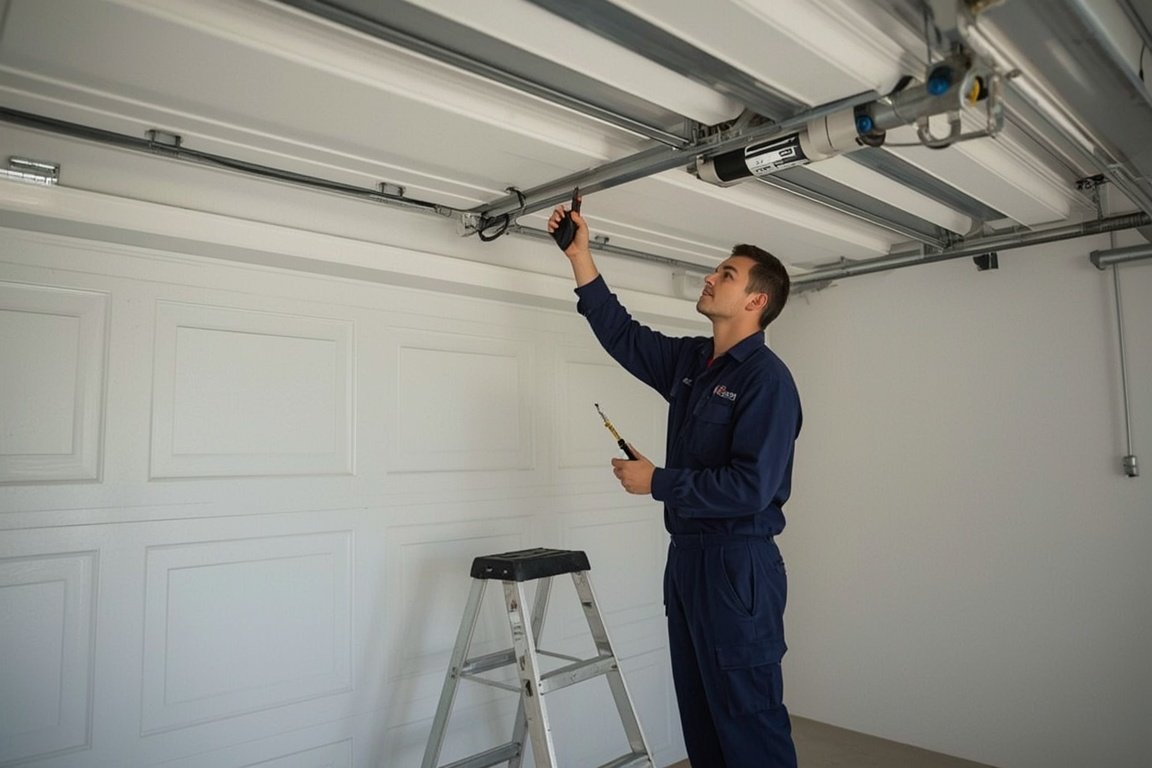
Professional maintenance from GarageFL ensures thorough inspections, proper lubrication, and expert guidance on replacing worn components, keeping your garage door in optimal condition.
Step 11: Protect your garage environment
Humidity and moisture accelerate rust formation. Keep your garage well-ventilated and dry by:
- Installing vents or exhaust fans for airflow.
- Using a dehumidifier in damp climates.
- Cleaning up spills promptly and avoiding water accumulation near the door tracks.
Controlling your garage environment reduces rust risk and preserves the metal components of your door system.
Step 12: Consider professional assistance
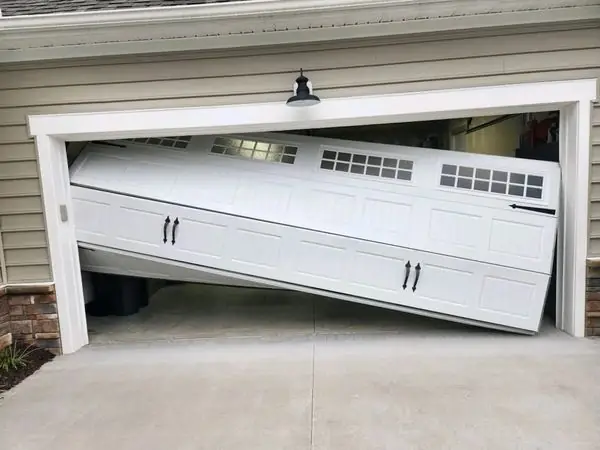
While minor rust can be addressed with DIY methods, extensive corrosion or alignment issues require professional attention. GarageFL provides complete garage door maintenance, track replacement, and rust prevention services to ensure safe, smooth operation. Professionals can also recommend preventive measures and high-quality protective coatings suitable for Florida's humid and coastal conditions.
Final thoughts
Rust on garage door tracks is a common problem, but with timely inspection, cleaning, and protective measures, it can be managed effectively. Regular maintenance, proper lubrication, alignment checks, and environmental control are key to preventing corrosion and ensuring smooth operation. Whether you choose DIY maintenance or professional assistance from GarageFL, taking proactive steps will extend the life of your garage door, improve performance, and protect your home from unnecessary wear and damage.
Skip the YouTube rabbit hole - we'll have a tech at your door same day across Broward, Dade and Palm Beach.