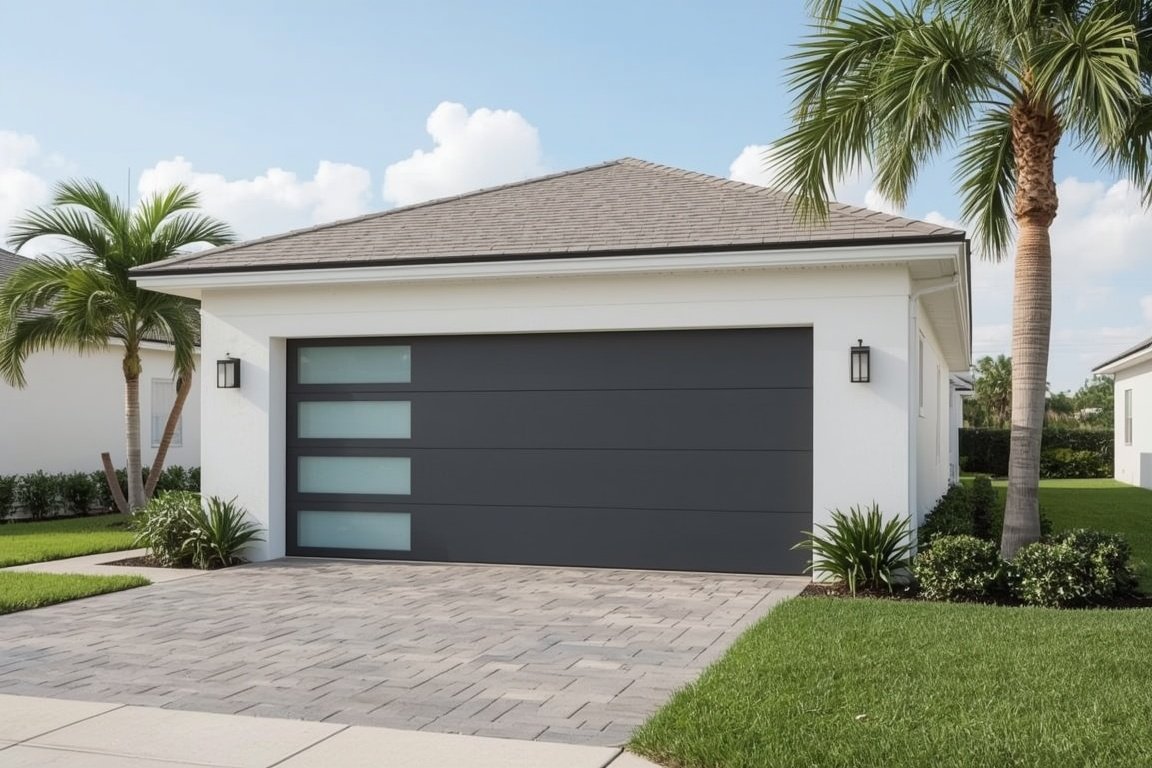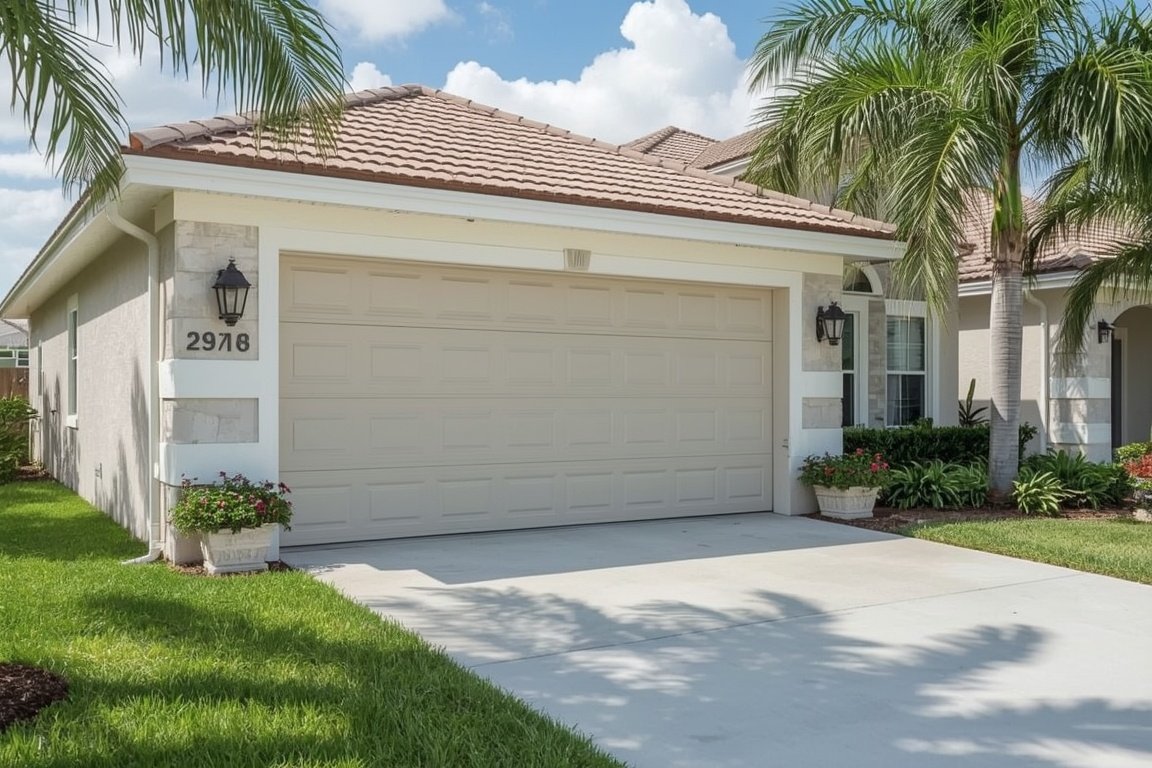
When storms hit Florida, your garage door becomes one of the most vulnerable parts of your home. It's also one of the most important barriers protecting your property. A weak or unreinforced garage door can fail under strong winds, allowing pressure to build up inside your home. This often leads to catastrophic roof or structural damage. Fortunately, there are several effective ways to keep your garage door intact during a storm. With proper reinforcement, inspection, and maintenance, you can significantly increase your garage's storm resistance. This guide from GarageFL explains how to prepare, strengthen, and protect your garage door before the next big storm arrives.
Why garage door protection matters during storms
In hurricane-prone regions, garage doors are particularly susceptible to high wind pressures and debris impact. A standard single-layer door can buckle or collapse when wind speeds exceed 100 mph. Once the door fails, the sudden change in air pressure can blow off the roof or cause walls to cave in. Proper preparation not only keeps your door intact but also protects your vehicles, tools, and everything else stored inside the garage. The safety of your entire home depends on this crucial step.
1. Inspect your current garage door
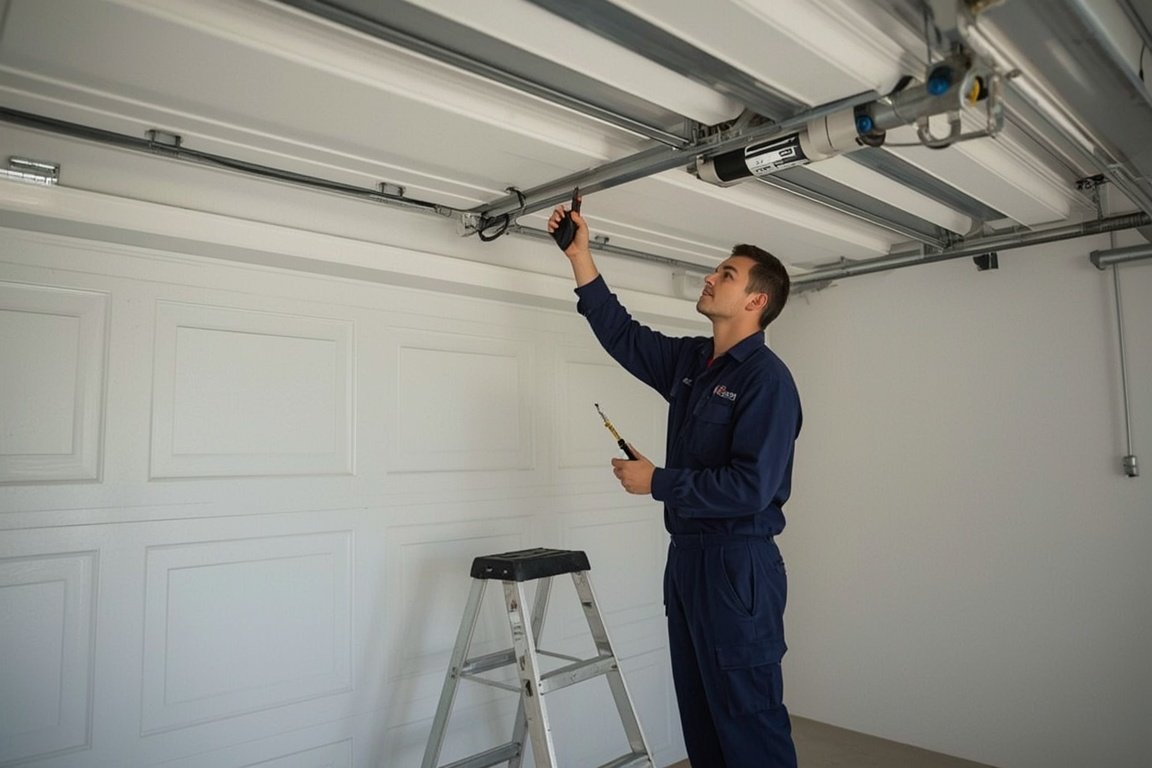
Start by performing a thorough inspection of your garage door system. Check for visible damage, rusted components, or weakened panels. Look at the hinges, brackets, and springs for any signs of wear. If your door feels loose, squeaky, or off-balance, schedule a professional inspection immediately. Even minor mechanical issues can turn into major failures when exposed to hurricane-force winds. GarageFL offers detailed storm-readiness inspections to identify weak points before they become dangerous.
2. Upgrade to a wind-rated garage door
If your current garage door is older or wasn't designed for extreme weather, it may not meet Florida's modern wind-load standards. Consider upgrading to a wind-rated garage door. These doors are engineered to resist wind pressures up to 150 mph and are required in many Florida counties. They come with reinforced struts, heavy-duty tracks, and impact-resistant materials that can withstand debris. Investing in a wind-rated door is one of the best long-term ways to keep your garage safe during storms.
3. Add reinforcement kits
For homeowners who don't want to replace their door, reinforcement kits are an affordable and effective solution. These kits include vertical and horizontal steel braces that strengthen your existing door panels. They attach to the hinges and help distribute pressure evenly during high winds. You can install a removable bracing system before a storm and take it down afterward. Garage door reinforcement kits are available at most home improvement stores, or you can have GarageFL install a professional-grade system that meets local building codes.
4. Strengthen the tracks and mounting hardware
Your garage door tracks and mounting brackets play a critical role in storm protection. If they're loose or corroded, the door could detach during heavy winds. Check that all bolts and screws are tight, and replace rusted fasteners with stainless steel ones. Reinforced steel tracks, at least 14-gauge or thicker, offer extra stability. If you notice any bending or misalignment, call a professional technician to replace the damaged sections before the storm season begins.
5. Secure the garage door opener and springs
During strong storms, power surges and vibrations can affect the garage door opener and spring system. Install a surge protector to safeguard the motor and electronic controls. Make sure the torsion or extension springs are in good condition - they're responsible for balancing the door's weight and keeping it stable during operation. Never attempt to adjust or replace springs yourself, as they are under extreme tension. Have a certified GarageFL technician inspect them for wear or imbalance before hurricane season.
6. Install proper seals and weatherstripping
Strong winds and driving rain can push water and debris under or around your garage door. Check the bottom seal (rubber gasket) and side weatherstripping for cracks or gaps. Replace any worn-out seals with heavy-duty, water-resistant materials. This helps prevent flooding, protects your belongings, and improves energy efficiency year-round. In coastal areas, sealing also helps block salt air from corroding metal components over time.
7. Clear the surrounding area
Loose outdoor objects can become dangerous projectiles during a storm. Before bad weather hits, clear the driveway and remove trash bins, tools, or loose items that could blow into the garage door. Trim tree branches and remove any weak limbs that could strike the door during high winds. The fewer obstacles around your garage, the lower the risk of impact damage.
8. Check for proper drainage
Flooding can weaken your garage foundation and create long-term structural damage. Ensure that your driveway slopes away from the garage door and that gutters and downspouts are clear of debris. Installing a trench or channel drain in front of the garage can help divert water away during heavy rainfall. Keeping the area dry reduces pressure on the door and prevents corrosion on lower panels and metal components.
9. Unplug your opener during severe storms
Lightning strikes and electrical surges are common during hurricanes. To protect your opener and electrical systems, unplug your garage door opener before the storm arrives. If you need to open the door manually, release the emergency cord while the power is off. Be sure to follow the manufacturer's instructions carefully. Some modern openers also feature built-in surge protection or battery backup systems that keep your door operable even if the power goes out.
10. Reinforce from the inside
Another effective technique for keeping your garage door intact is internal reinforcement. You can use a strong wooden beam or metal brace across the inside of the door to prevent it from flexing inward during heavy winds. Make sure the brace is anchored securely into the wall framing, not just the drywall. This added support helps the door withstand strong pressure until the storm passes.
11. Review your insurance and emergency plan
Even the best precautions can't guarantee complete protection. Review your homeowner's insurance policy to ensure it covers storm-related garage door damage. Take photos of your door and keep maintenance records for proof of upkeep. Have an emergency plan in place - know where to park your car, store valuables, and how to manually secure the door if needed. Being proactive helps minimize stress when storms approach.
12. Schedule a professional storm inspection
Before hurricane season, have your entire garage system inspected by professionals. At GarageFL, our team specializes in storm preparation. We check for weak panels, balance issues, and outdated components that could fail under pressure. We can also recommend the best reinforcement options or install a wind-rated door to ensure maximum safety. A professional inspection gives you peace of mind knowing your garage is ready for anything nature throws its way.
Final thoughts
Your garage door is a key line of defense during storms, and its integrity can determine how well your home withstands severe weather. By reinforcing your door, sealing gaps, inspecting hardware, and keeping the area clear, you significantly reduce the risk of failure. Whether you're upgrading to a wind-rated system or simply maintaining your existing door, preparation is the key to protection. Trust GarageFL for expert guidance, inspections, and installations that keep your garage door strong, secure, and storm-ready all year long.
Skip the YouTube rabbit hole - we'll have a tech at your door same day across Broward, Dade and Palm Beach.