Garage door springs are the unsung heroes of your home's garage system. They carry the heavy lifting, balancing hundreds of pounds of weight every time you open or close your door. Yet, despite their importance, many homeowners overlook spring maintenance - until something snaps. When a spring breaks, your door can become unsafe or completely inoperable, leaving you stuck at the worst possible moment. The good news is that with the right care, you can extend the life of your garage door springs and prevent costly replacements. In this guide, we'll show you how to make your garage door springs last longer with proven maintenance and usage tips from GarageFL.
Understanding your garage door springs
Before diving into maintenance, it helps to understand what type of springs your garage uses. Most residential garage doors rely on either torsion springs or extension springs.
- Torsion springs: These are mounted horizontally above the door. They twist and store energy when the door closes, then release it to lift the door smoothly.
- Extension springs: These run along the sides of the door and stretch when it closes, using tension to help lift it back up.
Torsion springs are generally more durable, lasting about 15,000 to 20,000 cycles (one cycle = one open and close). Extension springs usually last around 10,000 cycles. With proper maintenance, you can add years to their lifespan and reduce the risk of sudden failure.
Why garage door springs wear out
Garage door springs face tremendous stress every day. Every time you open the door, the springs stretch or twist, then return to their starting position. Over time, metal fatigue sets in. Environmental factors like humidity, dust, and corrosion also contribute to wear. Additionally, if the springs are not properly balanced or lubricated, they can wear unevenly and break prematurely. Understanding these causes helps you prevent them before they shorten your spring's lifespan.
1. Lubricate the springs regularly
One of the simplest and most effective ways to make your garage door springs last longer is regular lubrication. Friction between metal coils increases stress and wear. Apply a silicone-based garage door lubricant or lithium grease to the coils every three to four months. Avoid WD-40 - it's a cleaner, not a lubricant, and can dry out metal components.
- Spray a light coat directly on the coils.
- Wipe off excess lubricant to prevent dust buildup.
- Operate the door several times to distribute the grease evenly.
Lubrication not only reduces wear but also minimizes noise and improves smooth operation, especially in Florida's humid environment where rust can develop quickly.
2. Balance your garage door
When your garage door is unbalanced, one spring does more work than the other, leading to uneven wear and early failure. To test the balance:
- Disconnect the automatic opener by pulling the release cord.
- Lift the door halfway and let go carefully.
- If the door stays in place, it's balanced. If it falls or rises, it's off balance.
If you notice imbalance, contact a professional from GarageFL. Adjusting tension on your own is dangerous - springs are under high pressure and can cause serious injury if mishandled. A technician can safely rebalance the system and check for other mechanical issues.
3. Avoid overusing the door
Each spring has a limited number of cycles. If you open and close your garage door excessively throughout the day, you'll wear them out faster. Try to minimize unnecessary use - for instance, use a side entrance instead of opening the garage door for short trips outside. For large families or multi-car households, consider upgrading to high-cycle springs rated for 25,000 or more cycles. They cost slightly more but last significantly longer under frequent use.
4. Keep the door properly aligned
Misaligned tracks or uneven rollers put extra strain on the springs. If the door jerks, squeaks, or appears crooked while moving, alignment issues could be causing tension imbalances. Inspect the tracks for debris, dents, or loose bolts. Keep them clean and straight. Lubricate the rollers and hinges to ensure smooth motion. Regular alignment checks prevent uneven spring wear and reduce the risk of sudden breakage.
5. Protect springs from rust and corrosion
Florida's coastal air is full of moisture and salt, both of which accelerate rust formation. Corroded springs weaken quickly and can snap under tension. After lubricating, wipe springs with a clean cloth and inspect for reddish-brown spots. You can also apply a rust-preventive spray or a thin coat of motor oil for added protection. Keeping your garage dry and well-ventilated also helps slow corrosion.
6. Check cables, rollers, and bearings
Springs rely on a network of moving parts to operate efficiently. If cables are frayed or bearings are jammed, the springs have to work harder. Inspect your system monthly for wear and tear:
- Look for frayed cables or bent brackets.
- Ensure rollers move smoothly without sticking.
- Replace plastic rollers with steel ball-bearing ones for durability.
By maintaining the entire system, not just the springs, you reduce mechanical strain and prolong overall door life.
7. Schedule professional maintenance
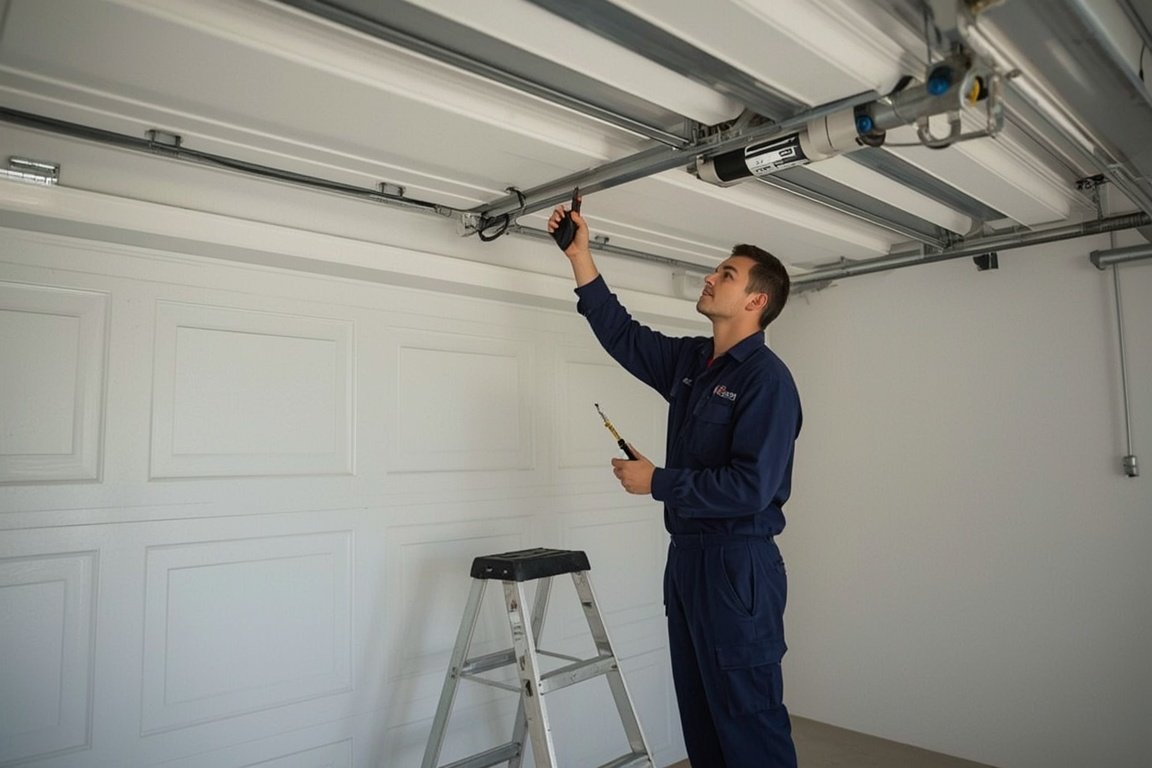
Even with diligent upkeep, garage door springs benefit from professional maintenance. Annual inspections catch small issues - like tension imbalance or corrosion - before they escalate. During a maintenance visit, a GarageFL technician will:
- Check spring tension and balance.
- Lubricate all moving components.
- Inspect cables, bearings, and tracks for wear.
- Test safety features like auto-reverse mechanisms.
Routine professional care keeps your garage door operating safely and extends the lifespan of every component, including the springs.
8. Install a surge protector for electric openers
Power surges can cause your garage door opener to jerk or malfunction, indirectly stressing the springs. Installing a surge protector prevents sudden stops or misalignment caused by electrical disruptions. It's a simple investment that protects your opener and mechanical components alike.
9. Replace both springs at once
When one spring breaks, the other isn't far behind. Always replace springs in pairs to maintain balance and equal tension. Replacing both at once ensures smoother operation and prevents premature wear on the new spring. Professionals at GarageFL can handle this safely and ensure your system is properly recalibrated afterward.
10. Don't attempt DIY spring repairs
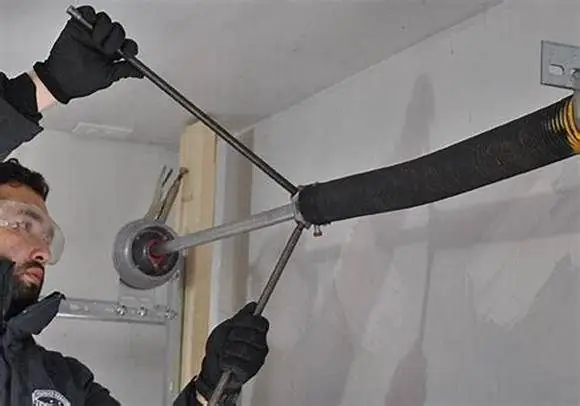
Garage door springs operate under extreme tension - sometimes equivalent to hundreds of pounds of force. Attempting to repair or replace them yourself can lead to severe injury or property damage. Always contact a certified technician if you suspect a problem. Trained professionals have the tools and expertise to handle spring repairs safely and effectively.
Final thoughts
Garage door springs might seem small, but they play a huge role in your door's performance and safety. With regular lubrication, balance checks, rust prevention, and professional maintenance, you can extend their lifespan significantly. Avoid excessive use, fix alignment issues early, and never attempt risky DIY repairs. Trust the experts at GarageFL to keep your garage door running smoothly year-round. With a little care and attention, your springs can last for many years, providing reliable, quiet, and safe operation for your home.
Skip the YouTube rabbit hole - we'll have a tech at your door same day across Broward, Dade and Palm Beach.