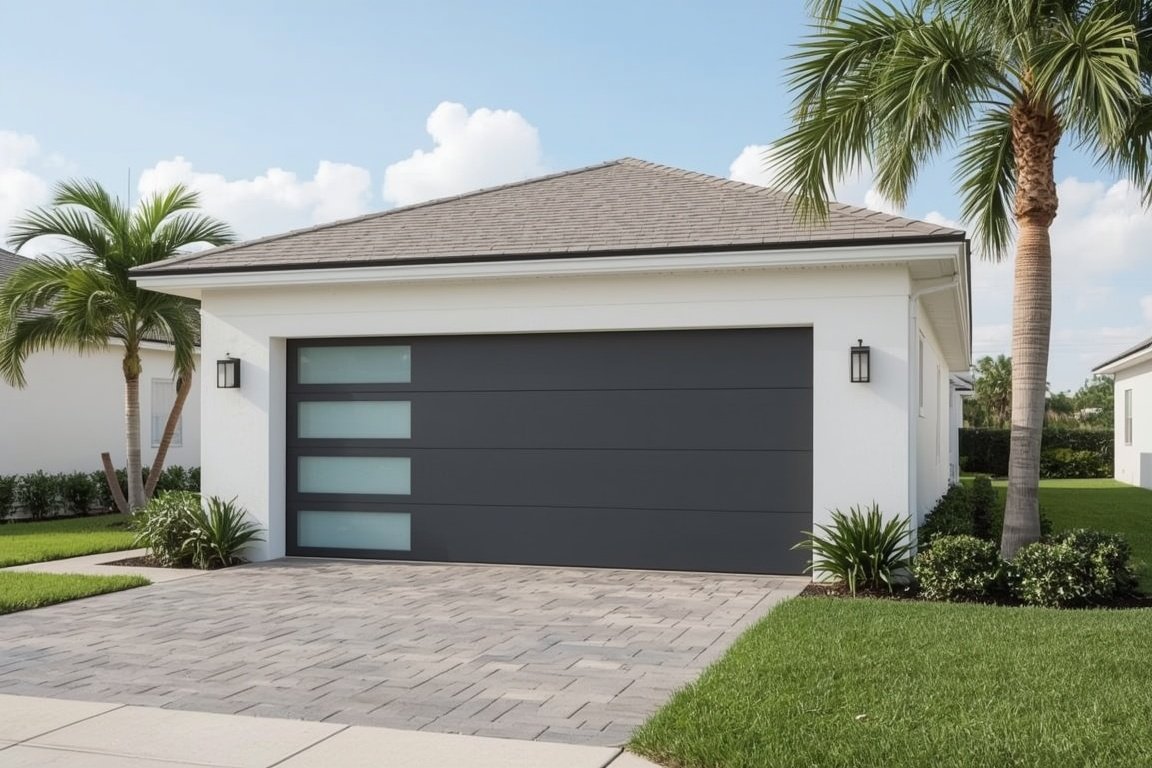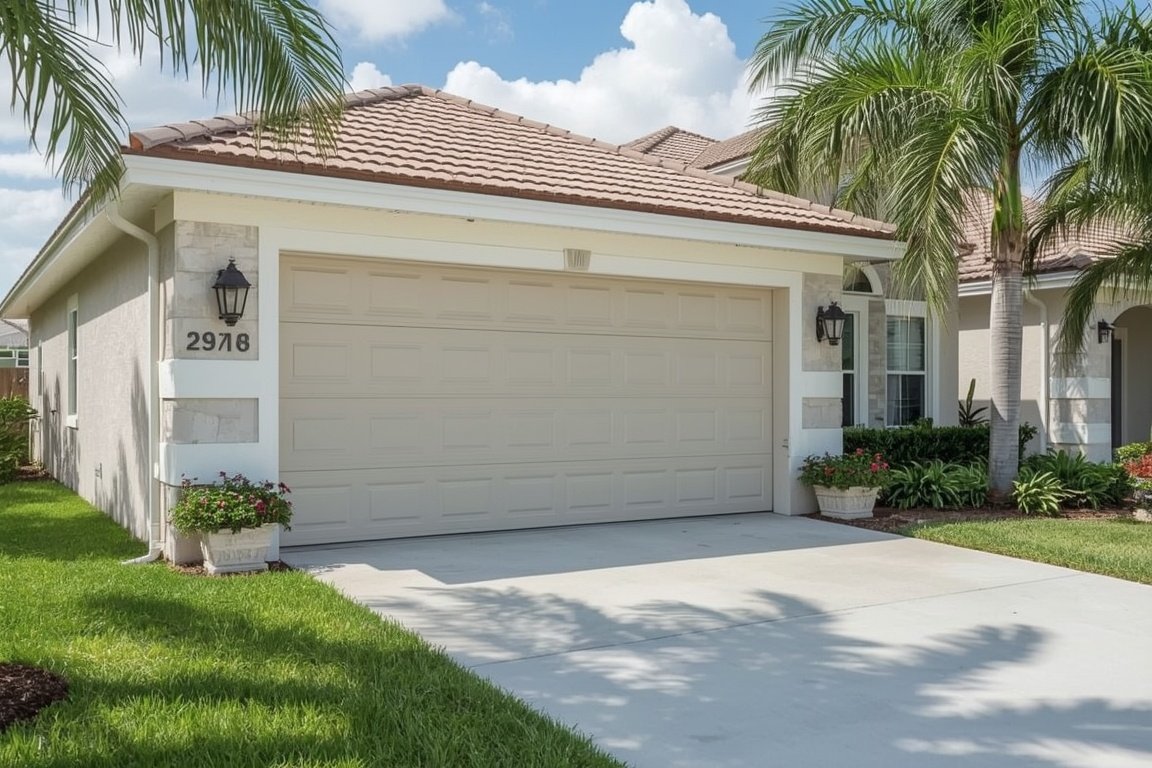
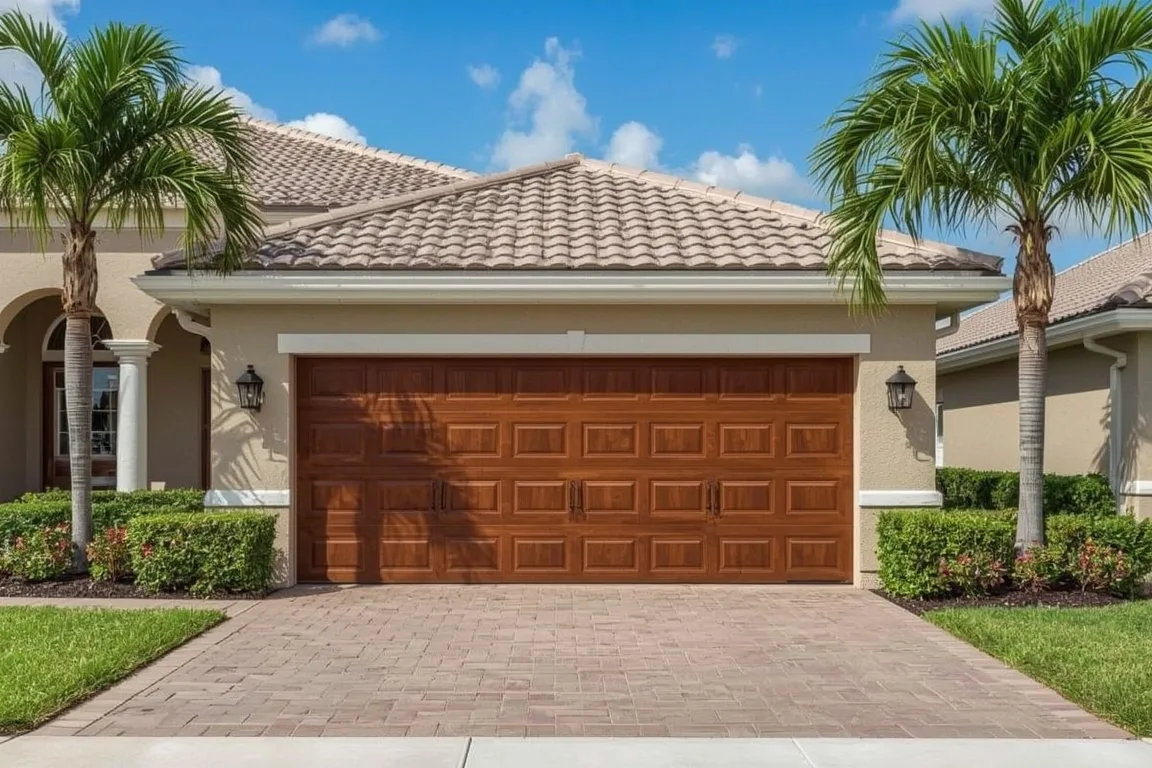
Living near the ocean has its undeniable perks - beautiful views, refreshing breezes, and a relaxed lifestyle. However, coastal living also comes with unique challenges, especially when it comes to maintaining your home's exterior. One of the most overlooked issues homeowners face is garage door damage from salt air. Over time, the salt-laden breeze can corrode metal components, fade paint, and weaken your garage door's structure. Fortunately, with regular care and preventive maintenance, you can protect your garage door from the harmful effects of coastal air. In this 1000-word guide, we'll explain why salt air is so damaging, the signs of corrosion, and how to prevent lasting harm to your garage door.
Understanding how salt air damages garage doors
Salt air contains microscopic particles of sodium chloride carried by wind and ocean mist. When these particles settle on metal surfaces, they attract moisture from the atmosphere, triggering a chemical reaction that leads to oxidation - commonly known as rust. In humid coastal environments like Florida, this process accelerates rapidly. Even aluminum, which doesn't rust like steel, can corrode through a process called pitting. Additionally, salt air affects paint, rubber seals, and electrical components, gradually degrading both the appearance and functionality of your garage door.
Common signs of salt air damage
Early detection is key to preventing major repairs or replacements. Watch for these telltale signs that salt air is affecting your garage door:
- Rust spots or discoloration on hinges, springs, or the door's surface.
- Fading or peeling paint caused by the corrosive reaction of salt with paint layers.
- Sticky or squeaky movement as rust develops on moving components.
- White powdery residue (oxidation) on aluminum or steel panels.
- Warped or cracked weather seals due to salt and UV exposure.
- Slow or uneven operation caused by rusted rollers or misaligned tracks.
If you notice any of these symptoms, it's a clear sign your garage door needs immediate attention to prevent worsening damage.
How to prevent garage door damage from salt air
1. Choose the right materials
The first step in preventing corrosion is selecting a garage door made from materials designed to withstand coastal conditions. Stainless steel, aluminum, and fiberglass doors offer excellent resistance to salt air damage. If your home currently has a steel door, ensure it's coated with a protective finish or powder coating. For maximum longevity, consider marine-grade hardware and fasteners, which are built to resist corrosion even in direct salt exposure.
2. Apply protective coatings
A protective coating acts as a barrier between your garage door and the salty atmosphere. Use a high-quality exterior-grade paint or a sealant formulated for marine environments. For metal doors, apply a thin layer of car wax or silicone-based lubricant every few months. This coating prevents moisture and salt from bonding to the metal. If your door is wooden, seal it with a waterproof polyurethane coating to block out moisture and prevent rot.
3. Wash your garage door regularly
Routine washing is one of the simplest and most effective defenses against salt buildup. Rinse your garage door with fresh water at least twice a month - more frequently if you live close to the shoreline. Use a gentle soap and soft sponge to remove residue from panels, tracks, and hinges. Avoid high-pressure washers, which can strip paint or push moisture into seals. Rinse thoroughly and dry with a soft cloth to prevent water spots.
4. Lubricate moving parts
Metal components such as springs, rollers, and hinges are particularly vulnerable to salt corrosion. Apply a thin coat of lithium-based or silicone lubricant to all moving parts every two to three months. Avoid petroleum-based products that attract dust and salt. Proper lubrication not only prevents rust but also ensures smoother, quieter operation of your garage door opener system.
5. Inspect and replace weather seals
Weather seals, also known as bottom or perimeter seals, prevent moisture and debris from entering your garage. In coastal areas, salt can dry out and crack these rubber components. Inspect the seals quarterly for signs of stiffness, discoloration, or damage. Replace any worn seals promptly to maintain a tight, moisture-resistant barrier between the door and outside air.
6. Maintain garage ventilation
Proper ventilation helps reduce trapped moisture that accelerates corrosion. Make sure your garage has adequate airflow through vents or windows. Consider installing a small exhaust fan or dehumidifier to maintain humidity levels below 60%. Improved ventilation not only protects the garage door but also extends the life of tools, vehicles, and storage items inside.
7. Rinse the tracks and hardware
Tracks, brackets, and springs often accumulate salt residue that's easy to overlook. Every few months, rinse these components with fresh water and gently wipe them dry. After cleaning, apply a corrosion-inhibiting spray to protect exposed metal parts. This simple step can significantly slow down rust formation and improve overall door performance.
8. Check and clean photo-eye sensors
Salt air can leave residue on your garage door opener's safety sensors, leading to false readings or malfunction. Clean the photo-eyes with a soft, dry cloth to ensure proper operation. If you notice persistent errors, check alignment and replace the covers if they appear foggy or damaged from corrosion.
9. Schedule professional maintenance
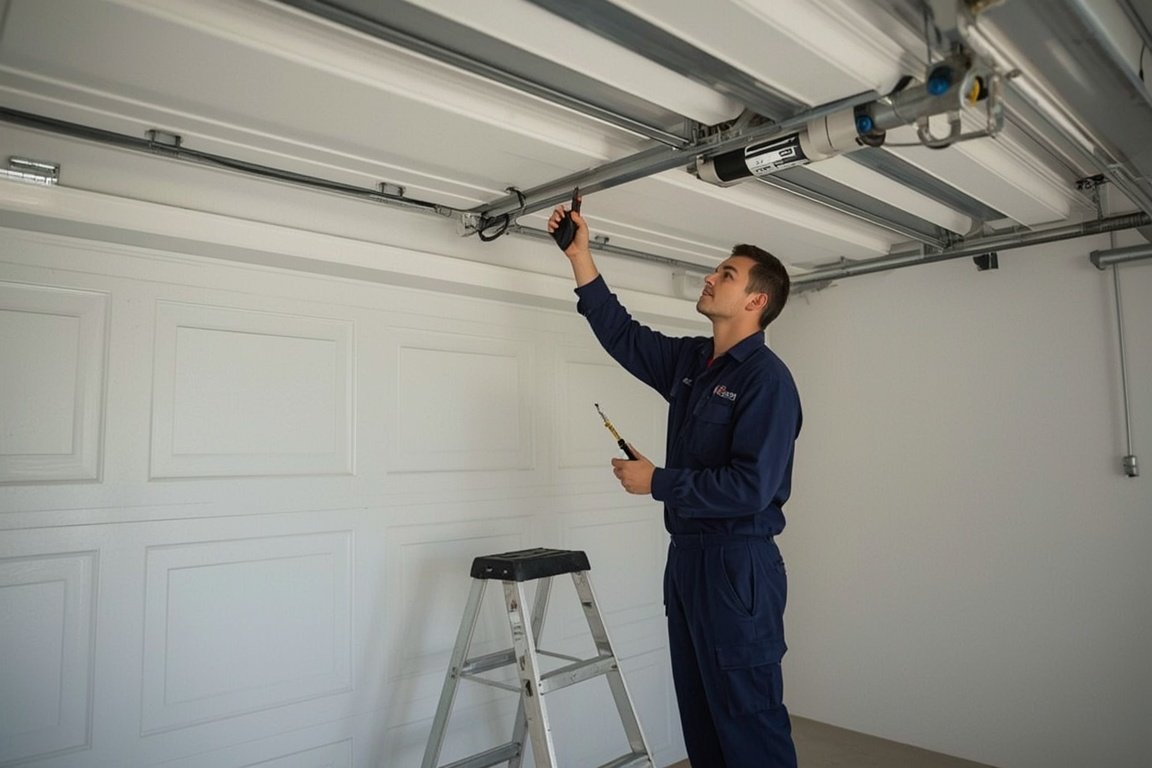
While DIY cleaning and lubrication go a long way, professional maintenance ensures thorough protection. Experts can inspect hidden components like torsion springs, bearings, and cables for rust or pitting. At GarageFL, our technicians specialize in coastal garage door maintenance. We apply industrial-grade anti-corrosion coatings, replace vulnerable parts, and ensure your system remains strong and responsive even in humid, salty environments.
10. Consider garage door upgrades
If your door is older or heavily corroded, upgrading to a coastal-rated model can save money in the long term. Look for garage doors labeled as "coastal series" or "salt-resistant." These models feature stainless steel tracks, marine-grade springs, and powder-coated hardware designed to withstand Florida's harsh salt air. Upgrading ensures years of low-maintenance reliability and preserves your home's curb appeal.
Additional tips for coastal homeowners
- Rinse your driveway and garage door after major storms or windy days to remove salt spray.
- Inspect hinges and fasteners for rust every month and replace them with stainless steel parts if necessary.
- Use a dehumidifier during humid seasons to reduce moisture buildup inside the garage.
- Apply a protective wax coat before hurricane season to strengthen resistance to salt exposure.
- Keep a maintenance log to track cleaning and inspection dates for consistent upkeep.
Final thoughts
Coastal beauty comes with a maintenance cost, but preventing garage door damage from salt air doesn't have to be difficult. By regularly rinsing your door, applying protective coatings, and using corrosion-resistant materials, you can extend the life of your garage door and maintain its smooth operation for years. Whether you need help protecting an existing door or installing a new coastal-rated system, GarageFL provides expert care and high-quality solutions tailored for Florida homeowners. With consistent upkeep and professional support, your garage door will remain strong, stylish, and corrosion-free - no matter how close you live to the ocean.
Skip the YouTube rabbit hole - we'll have a tech at your door same day across Broward, Dade and Palm Beach.