Modern garage door openers have become more advanced, reliable, and energy-efficient, often featuring built-in battery backup systems that keep your garage door operational during power outages. However, one common issue many homeowners face is battery drain - when the backup battery loses power faster than expected or fails to hold a charge. If not addressed, battery drain can render your opener useless during emergencies. Fortunately, preventing this problem is simple with proper maintenance and awareness. In this detailed 1000-word guide, we'll cover what causes garage door opener battery drain, how to prevent it, and how to ensure your system remains reliable year-round.
Understanding garage door opener batteries
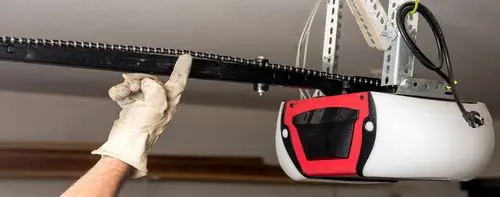
Most modern garage door openers, especially those compliant with UL 325 safety standards, include a battery backup system. This feature allows your opener to function for several cycles when the power goes out, typically using a 12-volt rechargeable lithium or lead-acid battery. The battery automatically recharges when power is restored. Under normal conditions, a high-quality battery should last three to five years. However, improper usage, poor maintenance, or environmental factors can shorten this lifespan dramatically.
Common causes of battery drain
To prevent battery drain, it's important to understand what causes it in the first place. Here are the most frequent reasons your opener's battery may discharge faster than normal:
- Frequent use during power outages: Repeatedly opening and closing the door while the system runs on battery power can deplete energy reserves quickly.
- Old or degraded batteries: Over time, batteries naturally lose their ability to hold a full charge, especially after years of cycling.
- Extreme temperatures: Both high heat and freezing cold can shorten battery life and reduce efficiency.
- Faulty charging circuit: A malfunction in the opener's charging board can prevent the battery from charging properly.
- Dirty or corroded terminals: Corrosion on the battery contacts limits the flow of electricity, leading to slow charging or energy loss.
- Power surges or interruptions: Fluctuating voltage can confuse the charging system, causing the battery to overwork or fail prematurely.
- Lack of regular maintenance: Dust buildup, infrequent testing, or ignoring warning indicators can allow minor issues to develop into full battery failure.
Signs of garage door opener battery drain
Recognizing early symptoms of battery drain helps you act before the battery dies completely. Look for these warning signs:
- The opener's LED indicator blinks red or shows a battery warning icon.
- The door operates slower than usual during a power outage.
- The battery backup doesn't last for more than a few cycles.
- You hear beeping or chirping sounds from the opener unit.
- The battery feels unusually hot to the touch or has visible swelling.
If you notice any of these signs, it's time to inspect or replace the battery before a full failure occurs.
How to prevent garage door opener battery drain
1. Test the battery regularly
Just like smoke alarms, garage door opener batteries should be tested every few months. Most units have a simple test button - press it and confirm the opener operates smoothly on backup power. If the door moves sluggishly or not at all, the battery may be weak. Regular testing helps you identify degradation before it causes unexpected failure.
2. Keep the opener and battery area clean
Dirt, dust, and humidity can interfere with the battery's charging and discharging processes. Once every few months, unplug the opener and carefully clean the battery compartment using a dry cloth. Avoid using water or harsh chemicals. Make sure the ventilation openings on the motor housing are clear, as trapped heat can contribute to faster battery drain.
3. Protect against extreme temperatures
Temperature extremes are one of the biggest enemies of battery longevity. If your garage experiences high heat in summer or freezing cold in winter, take preventive steps. Use insulation to stabilize the garage temperature or install a small fan to improve airflow near the opener. Batteries perform best between 50°F and 85°F, so maintaining that range helps preserve charge capacity.
4. Check and clean battery terminals
Corrosion on the battery terminals is a common cause of poor electrical contact and power loss. Every few months, inspect the terminals for white or green residue. If you see buildup, disconnect the battery and gently clean the contacts with a cotton swab dipped in a mixture of baking soda and water. Dry thoroughly before reconnecting. This simple step keeps the charging system efficient and reduces unnecessary drain.
5. Avoid unnecessary cycling during power outages
When the opener runs on backup power, every cycle consumes valuable battery energy. Limit usage to essential operations only. Don't open and close the door repeatedly or leave it partially open, which forces the motor to reengage. Once power returns, the battery will automatically recharge, but excessive use during outages reduces total lifespan.
6. Use high-quality replacement batteries
When it's time to replace the battery, always choose an OEM (original equipment manufacturer) or high-quality compatible replacement. Cheap or generic batteries often have lower capacity and poorer performance. Check the model number and voltage requirements in your opener's manual before purchasing. Investing in the correct battery ensures proper charging and discharge cycles, preventing premature drain.
7. Inspect the charging circuit
If the battery consistently drains even with minimal use, the issue may lie within the opener's charging circuit. Over time, the internal charger or control board can malfunction, preventing full recharging. Look for signs of corrosion, burnt components, or frayed wires. If you suspect a faulty charger, contact a certified technician to diagnose and repair the unit safely.
8. Install a surge protector
Power surges from lightning or unstable grids can disrupt the opener's charging system, leading to faster battery drain. Installing a high-quality surge protector at the outlet helps shield the electronics. Surge protectors are inexpensive yet vital for extending the life of both the opener and its battery backup system.
9. Schedule annual professional maintenance
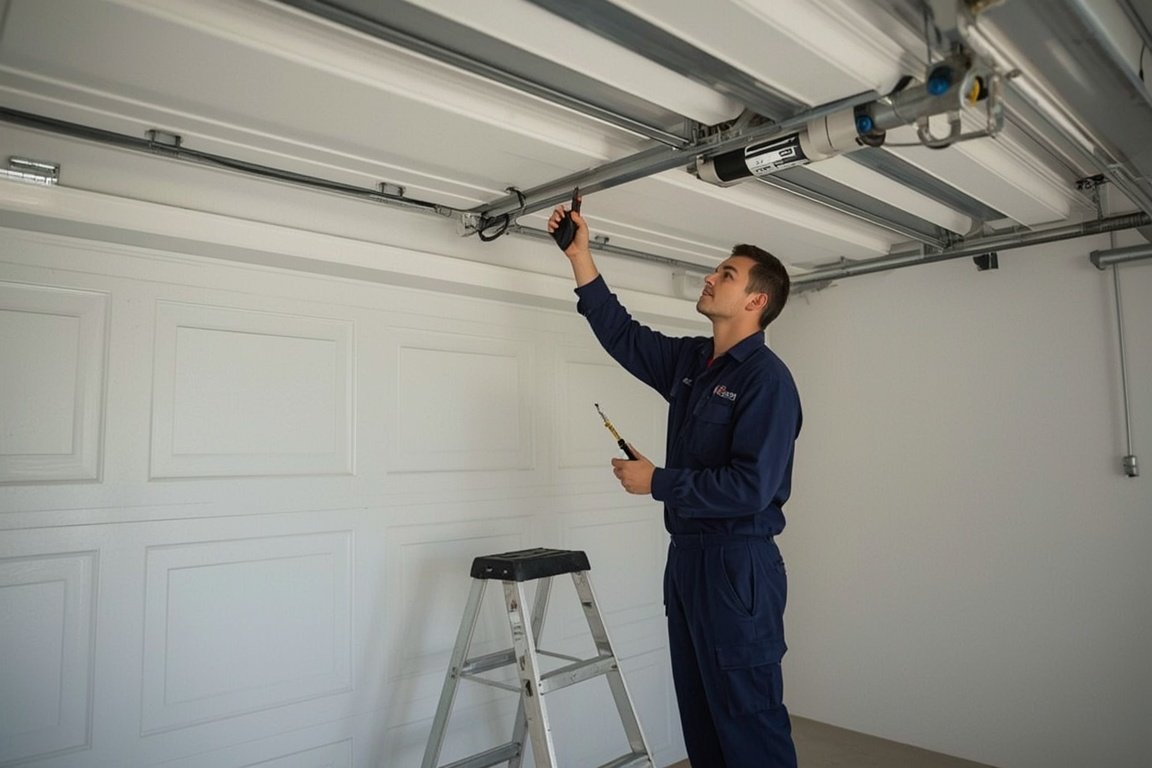
Professional maintenance goes beyond simple battery checks. A technician can test the entire opener system, including voltage output, charging efficiency, and motor load. During annual service, they can also clean internal components, tighten electrical connections, and recalibrate safety sensors. Preventive maintenance keeps the system efficient and prevents small electrical issues from draining the battery over time.
10. Unplug the opener during extended absences
If you'll be away for several weeks, unplugging the opener (after disconnecting the battery) prevents phantom power draw and unnecessary cycling caused by power fluctuations. When you return, reconnect both the opener and battery to resume normal operation. This practice reduces long-term wear on the charging system.
Extra tips for maximizing battery life
- Label your battery with the installation date to track replacement cycles.
- Replace the battery every three years even if it appears to work fine.
- Keep an extra backup battery in storage, especially in storm-prone regions.
- Ensure proper ventilation around the opener to prevent heat buildup.
- Check manufacturer notifications for battery recalls or updates.
Final thoughts
Preventing garage door opener battery drain is all about proactive care. Regular testing, cleaning, and protecting the system from temperature extremes go a long way in extending battery life. Investing in quality replacements, keeping terminals corrosion-free, and scheduling annual maintenance ensure your opener always performs when you need it most. If your battery drains frequently or fails to recharge properly, the experts at GarageFL can help diagnose and resolve the issue. With a few smart preventive steps, you'll keep your garage door opener powered, dependable, and ready to operate smoothly - no matter what happens to the power grid outside.
Skip the YouTube rabbit hole - we'll have a tech at your door same day across Broward, Dade and Palm Beach.