Have you ever pressed your garage door remote only to wait several seconds before the door starts to move? That frustrating delay - known as garage door opener lag - is a common issue that can affect both convenience and safety. While minor lag is normal in some systems, extended or increasing delays may signal electrical, mechanical, or connectivity problems. The good news is that opener lag can be diagnosed and prevented with the right maintenance approach. In this 1000-word guide, we'll cover the causes, warning signs, and practical steps to keep your garage door opener running smoothly and responsively.
Understanding garage door opener lag
Garage door opener lag refers to the time delay between pressing the remote button and the door's movement. Typically, the delay should be less than a second, just long enough for the system to process the signal. When lag becomes noticeable - two seconds or more - it often points to issues with the transmitter, receiver, wiring, or the motor's response system. Over time, dirt, wear, or electrical interference can worsen the delay, making it harder for the opener to communicate properly with its remote or wall control.
Common causes of garage door opener lag
There are several reasons your garage door opener might respond slowly. Some are simple to fix, while others require professional attention. Below are the most common causes:
- Weak or low remote batteries: Dying batteries reduce signal strength and increase delay between the remote and the receiver.
- Signal interference: Wi-Fi routers, LED lights, or wireless devices can interfere with the opener's radio frequency.
- Dirty sensors or photo eyes: Dust or misalignment in the safety sensors may cause the opener to pause or hesitate.
- Mechanical friction: Lack of lubrication on rollers, hinges, and tracks forces the motor to strain, causing slower operation.
- Wiring issues: Loose connections or corroded wiring can reduce voltage and delay motor response.
- Overheating motor: A motor that's too hot from overuse may temporarily slow down or delay activation.
- Software or firmware lag: Smart garage door openers with Wi-Fi connectivity may experience delay due to slow internet or outdated firmware.
How to identify opener lag problems early
Detecting lag early prevents long-term wear and potential system failure. Here's how to tell if your opener's lag is getting worse:
- The remote works inconsistently, or only from close range.
- The wall switch responds faster than the remote control.
- The door starts moving but pauses midway before continuing.
- There's a noticeable delay even when using a smartphone app or smart control.
- You hear clicking or humming noises before the door moves.
When these symptoms appear, it's time to inspect the system and address the underlying cause.
How to prevent garage door opener lag
1. Replace remote batteries regularly
The simplest and most overlooked solution is replacing remote control batteries every 6 to 12 months. Even if the remote still works, weak batteries can slow transmission. Use high-quality alkaline batteries, and make sure the contacts inside the remote are clean and free from corrosion. After replacing, test the response time to confirm improvement.
2. Eliminate signal interference
Electronic interference is one of the biggest causes of garage door opener lag. Devices such as Wi-Fi routers, wireless cameras, Bluetooth speakers, and LED lights can overlap with the opener's radio frequency (typically between 300 - 400 MHz). Move your router or wireless devices at least 10 feet away from the opener motor. If your lights are the issue, replace them with garage door opener-compatible bulbs that limit RF interference.
3. Clean and align safety sensors
Dirty or misaligned photo-eye sensors can cause hesitation before the door moves, as the system tries to confirm safety. Use a soft cloth to clean both lenses, and ensure they face each other directly with no obstructions. If the LED indicator lights are blinking or off, realign them until the lights stay solid. This ensures quick and accurate signal communication between sensors and the opener.
4. Lubricate moving parts
Friction is a hidden cause of slow or lagging garage doors. When rollers, hinges, or tracks are dry, the opener's motor has to work harder to move the door, resulting in delayed starts. Apply a silicone-based lubricant to all moving parts every six months. Avoid using heavy grease or oil that attracts dirt. Smooth operation allows the opener to start immediately and move the door effortlessly.
5. Inspect the wiring and power connections
Loose wires, old outlets, or damaged insulation can cause momentary power loss, which delays the opener's response. Check the power plug, wall switch, and circuit breaker to ensure everything is secure. If your opener shares a circuit with heavy appliances, consider giving it a dedicated outlet to prevent voltage drops. For older homes, have an electrician inspect the wiring for corrosion or poor grounding.
6. Check the motor for overheating or strain
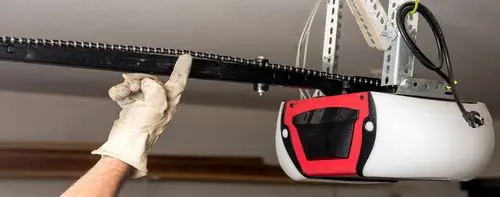
If the motor is too hot, it may pause briefly before starting as a protective measure. Overheating can result from overuse, heavy doors, or blocked ventilation. Give the opener time to cool down if you've used it repeatedly in a short period. Also, clean the motor housing to remove dust that traps heat. If overheating occurs often, have a professional inspect the motor for signs of wear.
7. Keep your system software updated
For smart or Wi-Fi-enabled garage door openers, software updates are essential. Manufacturers frequently release updates that fix connectivity bugs and improve response speed. Use the mobile app or manufacturer's website to check for updates. Additionally, ensure your Wi-Fi signal in the garage is strong - weak internet connections can cause delays in cloud-based command processing.
8. Reduce mechanical load on the opener
Heavy doors or unbalanced springs can make the motor hesitate before starting. Disconnect the opener and manually lift the door halfway - if it doesn't stay put, the balance is off. Have a professional adjust the spring tension. Also, remove any added weight from the door, such as insulation panels or decorative hardware, that might cause drag or imbalance.
9. Reset or reprogram the opener
Sometimes, signal lag stems from corrupted memory or outdated remote codes. Reset the opener by unplugging it for 30 seconds and then reconnecting it. If lag persists, reprogram the remote using the learn button on the motor unit. This clears old codes and syncs a fresh signal between the remote and receiver. Refer to your opener's manual for specific instructions.
10. Schedule professional maintenance
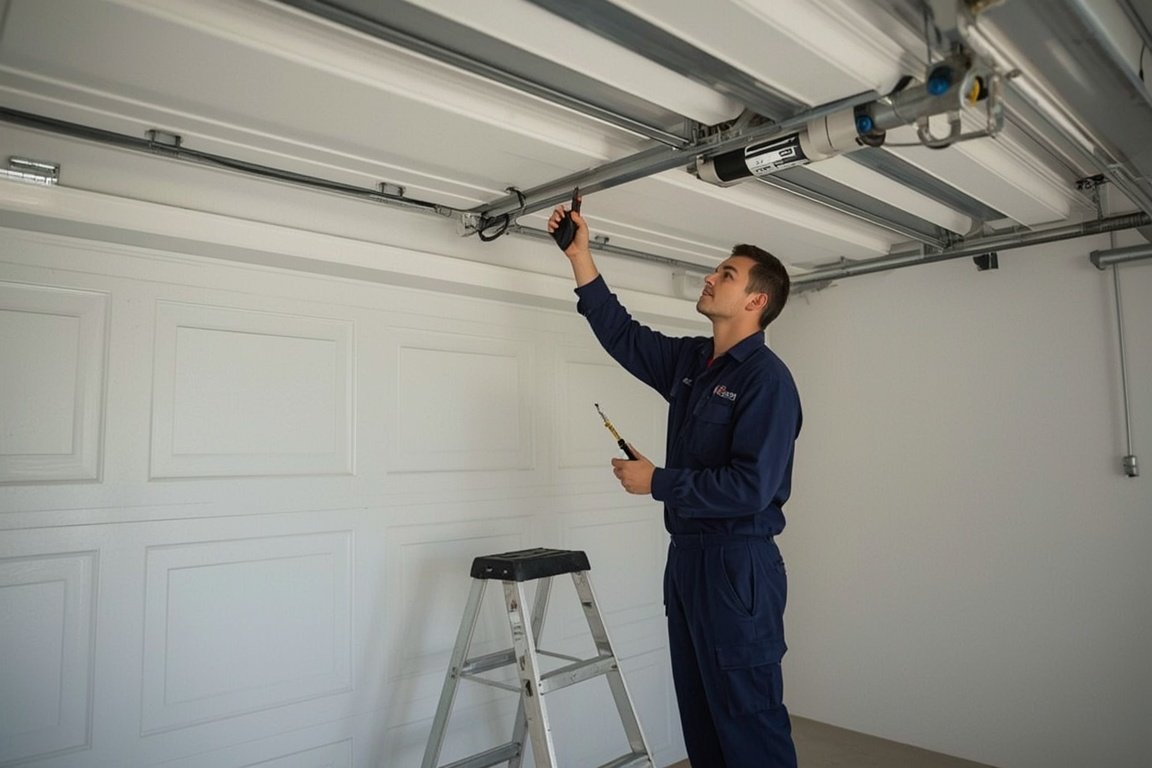
Even with regular DIY care, professional maintenance ensures optimal performance. Experts can test signal strength, calibrate the opener's force settings, and inspect internal components for wear. An annual service appointment prevents lag, reduces noise, and extends the opener's life. It's especially valuable in Florida's humid climate, where corrosion and heat can affect electronics over time.
Bonus tips for smoother performance
- Use high-quality, brand-approved remotes for reliable signal transmission.
- Clean the motor housing and antenna periodically to improve signal reception.
- Install a surge protector to prevent electrical interruptions.
- Test the opener monthly by observing response time from multiple positions.
- If lag persists after troubleshooting, upgrade to a DC-powered opener for faster response and quieter operation.
Final thoughts
Garage door opener lag may seem like a small inconvenience, but it's often a sign that your system needs attention. By replacing remote batteries, reducing interference, and keeping the door's mechanics well-lubricated, you can restore quick and reliable performance. Regular maintenance and occasional professional inspections ensure your opener stays responsive and safe. Don't ignore growing delays - address them early to prevent costly repairs. If you've tried these steps and still experience lag, contact the specialists at GarageFL for expert diagnostics and repair. With consistent care and smart upgrades, your garage door opener can operate with the speed, reliability, and smoothness you expect every time you press that button.
Skip the YouTube rabbit hole - we'll have a tech at your door same day across Broward, Dade and Palm Beach.