Is your garage door opening unexpectedly - or not at all - because of a signal clash with your neighbor's remote? You're not alone. Signal interference is a growing issue in densely populated areas like South Florida, where overlapping frequencies can cause serious garage door malfunctions. At GarageFL, we understand how frustrating and unsafe this can be, which is why we're here to help you prevent garage door opener signal clash before it becomes a problem.
The solution lies in updating your opener's frequency, securing your remote codes, and using rolling code technology. In this article, we'll explain how these methods work, why they're effective, and how you can implement them quickly. You'll also learn how Garage Door Pros' expert technicians can help you safeguard your system with smart upgrades and professional advice.
But that's just the beginning. Industry experts like LiftMaster recommend specific tools and settings to avoid signal overlap - and we're breaking it all down for you. Ready to take control of your garage door's security and performance? Let's dive into the proven ways to eliminate signal clashes once and for all.
Understanding Garage Door Opener Signals
Garage door openers operate using radio frequency (RF) signals to communicate between the remote and the motor unit. Most systems use frequencies in the 300 to 400 MHz range. These signals are unique to each opener, but overlap can still occur. When multiple devices operate on similar frequencies, signal clash becomes a real issue.
Signal interference can prevent your garage door from opening or closing properly. It may also cause erratic behavior. Common culprits include baby monitors, cordless phones, Wi-Fi routers, and even your neighbor's garage opener. These devices emit signals that can disrupt your opener's communication.
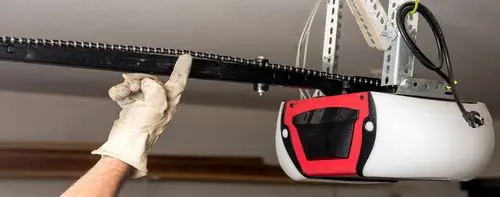
To minimize interference, ensure your opener uses rolling code technology. This feature changes the signal after each use, reducing the risk of clashes. If problems persist, consider upgrading to a newer system. Our garage door opener replacement services can help restore reliable performance.
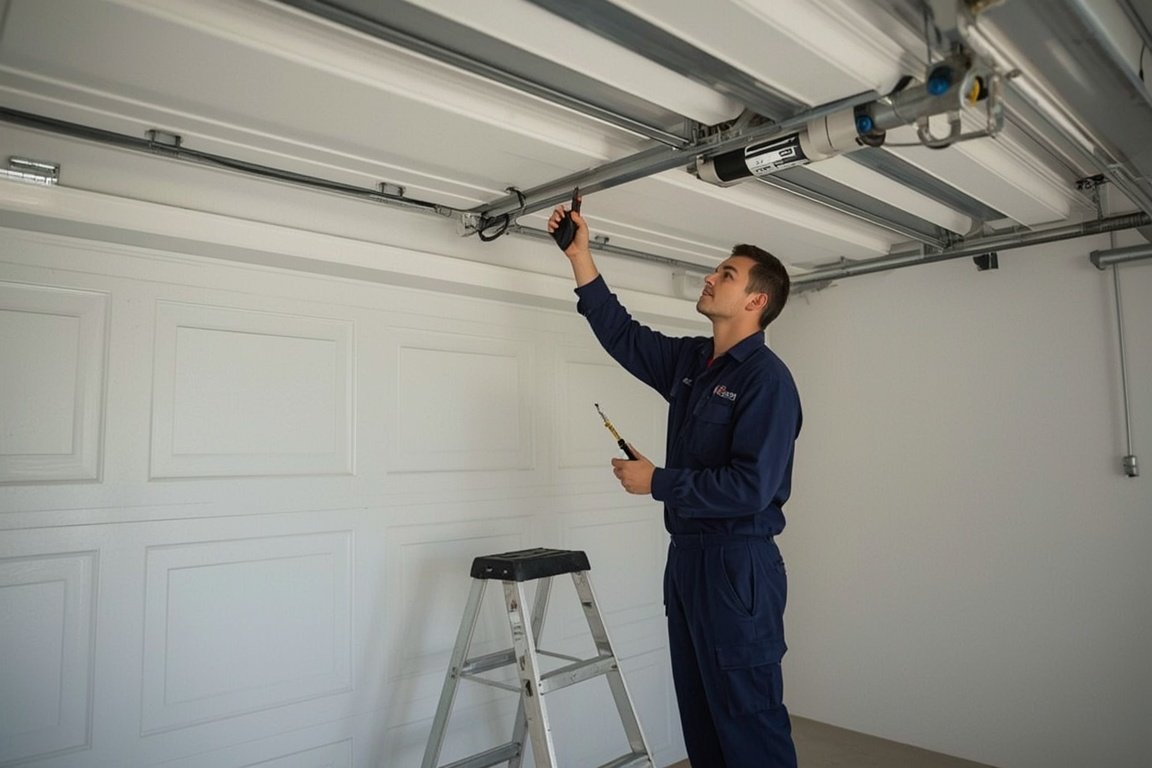
For ongoing issues, a professional inspection might be necessary. Our expert team offers thorough garage door tune-up solutions to detect and resolve signal problems efficiently.
Common Causes of Signal Clash
Signal interference often stems from overlapping frequencies in densely populated neighborhoods. When multiple garage door openers operate on similar frequencies, they can unintentionally trigger each other. This overlap creates confusion for your system, leading to inconsistent performance or failure to respond.
Electronic devices also contribute to signal disruption. Wi-Fi routers, baby monitors, and cordless phones emit signals that may clash with your opener's frequency. Even Bluetooth-enabled gadgets can interfere, especially when placed near the garage.
Environmental factors play a significant role too. Thick concrete walls and large metal objects can block or reflect signals. These barriers weaken the transmission between your remote and the opener, causing delays or misfires.
Additionally, outdated or poorly shielded openers are more vulnerable to interference. Upgrading to a modern system can help reduce these issues. Consider a smart garage door opener for better signal reliability and enhanced security.
If you're experiencing frequent disruptions, a professional garage door opener repair may be necessary. Addressing these common causes ensures smoother operation and fewer headaches.
Signs Your Garage Door Opener is Experiencing Signal Clash
If your garage door opener hesitates, fails to respond, or opens randomly, signal interference may be the cause. These issues often appear suddenly and can worsen over time. You might press the remote multiple times before the door reacts. Sometimes, it may open or close without any input. This erratic behavior usually points to a signal clash with nearby devices.
To troubleshoot, start by replacing the remote batteries. If the problem persists, unplug nearby wireless devices temporarily. Observe if the door functions normally afterward. Next, reset the opener and reprogram the remote. If these steps don't help, interference is likely.
Use a signal tester to detect overlapping frequencies. This tool can pinpoint the source of the clash. If you're unsure how to proceed, consult a professional. A technician can diagnose the issue quickly and recommend a solution.
For expert help, explore our garage door opener repair services. You can also learn more about our full range of services to keep your system running smoothly.
How to Change Garage Door Opener Frequency
Before changing the frequency, check your opener's manual or model number. Most modern units support frequency adjustments. If your opener lacks this feature, consider a garage door opener replacement for better compatibility and security.
To change the frequency, locate the "Learn" or "Smart" button on the opener. Press and hold it until the LED light turns off. This erases old codes. Next, press the button again until the LED blinks. Within 30 seconds, press the button on your remote. The opener should flash or click, confirming the new frequency.
Always reprogram all remotes and keypads after changing frequencies. Skipping this step may cause access issues. Also, older remotes may not work with updated frequencies. In that case, upgrade to a compatible system or consider a keyless entry system for added convenience.
Unplug the opener before starting to avoid electrical hazards. Wear gloves to protect your hands. If unsure, consult a professional or schedule a garage door tune-up for expert help.
Using Rolling Code Technology to Prevent Interference
Rolling code technology boosts garage door security by generating a new access code every time you use the remote. This dynamic encryption method prevents code grabbing and eliminates the risk of signal interference. Unlike fixed codes, rolling codes constantly evolve, making it nearly impossible for intruders to replicate the signal.
Each time you press the remote, the system transmits a unique code from a pre-programmed sequence. The receiver recognizes only the next valid code, rejecting any duplicates or outdated signals. This process ensures that your garage door responds only to authorized commands.
Top brands like LiftMaster, Chamberlain, and Genie offer models with built-in rolling code systems. These include LiftMaster 8500W, Chamberlain B970, and Genie SilentMax 1200. To upgrade, consult a professional or explore our garage door opener replacement options.
If your current system lacks this feature, consider a full upgrade. Our team can help with smart opener installation for enhanced security and convenience. Don't wait until interference becomes a problem - upgrade now for peace of mind.
Installing a Signal Repeater or Booster
A signal repeater or booster amplifies the remote's signal, ensuring it reaches the garage door opener without interference. It works by receiving the weak signal and retransmitting it at a stronger frequency. This device becomes essential when your garage is far from the house or has thick walls blocking the signal. If your remote only works up close or fails intermittently, a booster can solve the issue.
Install the repeater midway between the opener and remote location for optimal performance. Avoid placing it near metal objects or other electronics that may cause interference. Choose models compatible with your opener brand for seamless integration. Brands like Chamberlain and LiftMaster offer reliable options.
While boosters improve range, they may not fix issues caused by faulty remotes or damaged openers. Regular maintenance is key. Check for firmware updates and clean the device periodically. If problems persist, consider a full garage door opener replacement.
For expert help, explore our services or schedule a professional inspection. Boosters are a smart upgrade, but they work best when paired with a well-maintained system.
Shielding and Relocating Interfering Devices
Common household electronics can disrupt your garage door opener's signal. Wi-Fi routers, baby monitors, cordless phones, and even LED lights are frequent culprits. Microwave ovens and Bluetooth devices also emit signals that may interfere with your opener's frequency.
To reduce signal clash, start by relocating these devices away from the garage. Keep them at least 10 feet from the opener or its antenna. If relocation isn't an option, shield the devices using RF shielding materials like copper mesh or aluminum foil. These barriers block unwanted frequencies and protect your opener's signal.
Another effective solution is attaching ferrite beads to power cords and signal cables. These small components suppress high-frequency noise and improve signal clarity. You can find them at most electronics stores.
Proper cable management also plays a crucial role. Avoid tangled wires and keep power cords separated from signal lines. Organized cables reduce electromagnetic interference and enhance overall performance.
If interference persists, consider a professional garage door opener repair. You can also explore a smart garage door opener installation for better signal stability and advanced features.
Upgrading to a Smart Garage Door Opener
Smart garage door openers offer more than just convenience - they enhance security and reduce signal interference. Unlike traditional openers that rely on fixed radio frequencies, smart systems use Wi-Fi or Bluetooth. This shift eliminates the risk of RF signal clashes with nearby devices. As a result, your garage remains secure and responsive at all times.
Installation is straightforward. Most models come with step-by-step instructions and mobile app integration. Simply connect the device to your home network, sync it with your smartphone, and customize your settings. For optimal performance, ensure your Wi-Fi signal reaches the garage area.
Compared to older models, smart openers provide superior reliability. They allow remote access, real-time alerts, and even voice control. Traditional systems lack these features and are more vulnerable to interference or hacking. For homeowners seeking enhanced protection, consider a smart upgrade.
Need help with setup or maintenance? Explore our full range of garage door services to keep your system running smoothly.
Professional Help and Maintenance
If your garage door opener continues to malfunction despite troubleshooting, it's time to call a professional technician. Persistent signal interference often requires tools and expertise beyond a homeowner's reach. Technicians can perform spectrum analysis to detect overlapping frequencies. They also inspect hidden wiring issues and test for faulty transmitters.
Routine maintenance helps prevent future signal disruptions. Clean the opener's antenna regularly and check for loose wires. Replace remote batteries every six months. Keep the opener's firmware updated if it supports smart features. These small steps can make a big difference.
Schedule an annual inspection to catch problems early. A trained expert can identify wear and tear before it escalates. During a tune-up, they'll lubricate moving parts and test the system's responsiveness. Consider booking a garage door tune-up to ensure everything runs smoothly year-round.
If your opener is outdated, explore a garage door opener replacement for better performance and signal reliability. Don't wait for a complete failure - proactive care saves time and money.
Frequently Asked Questions (FAQs)
Signal interference often stems from overlapping frequencies, nearby electronics, or outdated opener systems. Yes, two openers can share the same frequency, which may cause unintentional activation. To check for rolling code technology, review your opener's manual or look for a "Security+" label. Changing the frequency is generally safe, but consult a professional for proper setup.
Wi-Fi-enabled openers can reduce signal clash by using encrypted digital signals. Most remotes work within 100 to 150 feet, but interference can shorten that range. Surprisingly, LED lights - especially cheap ones - can disrupt signals. To test for interference, unplug nearby devices one by one and observe the opener's response.
You don't always need a full replacement. Sometimes, a simple garage door opener repair solves the issue. However, if your system is outdated, consider a smart opener upgrade. Costs vary, but most smart systems varies based on scope and material excluding installation. For more details, visit our FAQ page.
Skip the YouTube rabbit hole - we'll have a tech at your door same day across Broward, Dade and Palm Beach.