Experiencing issues with your garage door opener can be frustrating - especially when the signal suddenly stops working. Understanding how to prevent garage door opener signal loss is essential for maintaining the convenience and security of your home. Signal interference, outdated components, or environmental factors can all contribute to this common problem. At GarageFL, we specialize in garage door repair, installation, and maintenance throughout South Florida. Our licensed and insured technicians are trained to diagnose and resolve signal issues quickly and efficiently. Whether you're dealing with a weak remote signal, faulty garage door sensors, or need a complete garage door opener replacement, GarageFL is here to help. Call us today for fast, reliable service and keep your garage door operating smoothly.
Understanding the Causes of Signal Interference
Signal interference is one of the most common reasons for garage door opener malfunctions. Understanding what causes this disruption is essential to maintaining a reliable and efficient garage door system. Interference can originate from various sources, both inside and outside your home, and identifying these can help you take proactive steps to prevent signal loss.
"According to the Federal Communications Commission (FCC), many household devices operate on the same 300-400 MHz frequency range as garage door openers, leading to potential signal interference."
Common culprits include:
- Wireless routers and cordless phones that emit signals on similar frequencies.
- LED lighting systems, especially those with poor shielding, which can emit electromagnetic interference.
- Nearby radio towers or cell phone boosters that overpower the garage door opener's signal.
- Faulty or aging garage door components, such as garage door openers or sensors, which may not receive signals properly.
"A study by LiftMaster revealed that over 30% of garage door opener issues are related to signal interference caused by nearby electronic devices."
To minimize interference, ensure your opener is installed away from other electronic devices and consider upgrading to a modern system with rolling code technology. For persistent issues, a professional garage door tune-up can help identify and resolve hidden sources of interference.
For more information on how to maintain your garage door system, visit our FAQ page or explore our full range of services.
For additional insights, check out this helpful guide from the FCC: https://www.fcc.gov/consumers/guides/interference-home-electronics.
Check and Replace Remote Batteries Regularly
One of the most common yet overlooked causes of garage door opener signal loss is weak or dead remote control batteries. When the battery power is low, the remote may not transmit a strong enough signal to reach the opener, leading to inconsistent or failed operations. To prevent this issue, it's essential to check your remote batteries regularly - ideally every three to six months - and replace them as needed. This simple maintenance step can save you from unnecessary frustration and potential security risks.
If your garage door remote becomes unresponsive or only works intermittently, replacing the batteries should be your first troubleshooting step. Always use the correct battery type recommended by the manufacturer, and keep spare batteries on hand for quick replacements. Additionally, inspect the battery contacts for corrosion or debris, which can also interfere with signal transmission.
Regular battery checks are part of a broader maintenance routine that ensures your garage door system functions smoothly. If you're experiencing ongoing issues even after replacing the batteries, it may be time to consider a full garage door opener replacement or a professional garage door tune-up. These services can help identify deeper issues affecting your system's performance. Keeping your remote in top condition is a small but crucial step toward maintaining a reliable and secure garage door system.
Inspect and Maintain the Antenna
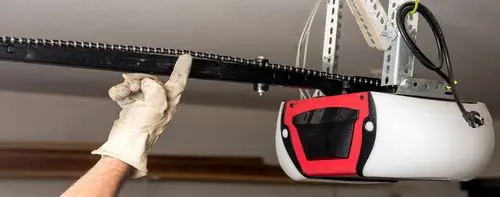
One of the most overlooked causes of garage door opener signal loss is a damaged or misaligned antenna. The antenna plays a crucial role in receiving the remote signal, and even minor issues can disrupt its performance. Begin by visually inspecting the antenna, typically located on the motor unit of your garage door opener. Ensure it is hanging straight down and not bent, twisted, or obstructed by metal objects or other electronic devices, which can interfere with signal reception.
Dust, dirt, or corrosion on the antenna can also reduce its efficiency. Gently clean it with a dry cloth and check for any signs of wear or damage. If the antenna appears broken or frayed, it may need to be replaced to restore optimal functionality. Regular maintenance, such as a professional garage door tune-up, can help identify antenna issues early and prevent signal loss.
Additionally, if your garage door opener is older, consider upgrading to a newer model with enhanced signal range and smart features. Our team specializes in garage door opener replacement to ensure reliable performance and modern convenience. Keeping the antenna in good condition is a simple yet effective step in maintaining seamless operation and avoiding frustrating signal interruptions. For more help, feel free to reach out through our contact page.
Eliminate Nearby Electronic Interference
One of the most common yet overlooked causes of garage door opener signal loss is electronic interference from nearby devices. Household electronics such as Wi-Fi routers, cordless phones, baby monitors, and even LED lights can emit signals that disrupt the frequency used by your garage door opener. To maintain a strong and consistent connection, it's essential to identify and eliminate these sources of interference.
Start by relocating or turning off nearby electronic devices to determine if they are affecting your garage door system. If the signal improves, consider permanently moving these devices further away from the opener or switching to models that operate on different frequencies. Additionally, avoid placing wireless routers or smart home hubs near the garage door motor or remote receivers.
For persistent issues, upgrading to a newer garage door opener with advanced frequency-hopping technology can help reduce signal disruptions. You can explore our professional garage door opener replacement services to ensure optimal performance and compatibility with modern devices.
If you're unsure about the source of interference or need expert assistance, our team is here to help. Learn more about our full range of services designed to keep your garage door system running smoothly and efficiently. Taking these steps can significantly enhance the reliability of your garage door opener and prevent frustrating signal loss.
Upgrade to a Modern Garage Door Opener System
One of the most effective ways to prevent garage door opener signal loss is by upgrading to a modern system. Older garage door openers often use outdated technology that is more susceptible to interference from nearby devices, weather conditions, or even worn-out components. A modern opener, especially one with smart technology, offers enhanced signal strength, improved security, and seamless connectivity with your home automation systems.
Smart garage door openers use rolling code technology and Wi-Fi connectivity, reducing the chances of signal interference and unauthorized access. These systems also allow you to monitor and control your garage door remotely via smartphone apps, ensuring convenience and peace of mind. If your current system is outdated or frequently malfunctioning, consider a professional garage door opener replacement to restore reliable performance.
Additionally, modern systems are often compatible with keyless entry and voice control features, making them more user-friendly. If you're experiencing persistent issues, it may also be time for a full smart garage door opener installation to ensure optimal functionality.
Upgrading not only improves signal reliability but also enhances the overall safety and efficiency of your garage. Investing in a modern opener is a proactive step toward maintaining a secure and smoothly operating garage door system.
Secure and Protect Wiring Connections
One of the most overlooked causes of garage door opener signal loss is faulty or exposed wiring. Ensuring that all wiring connections are secure and properly protected is essential for maintaining consistent signal transmission between your remote and the opener. Loose, frayed, or corroded wires can interrupt the electrical flow, leading to intermittent or complete signal failure. Moisture, pests, and physical damage are common culprits that compromise wiring integrity, especially in garages exposed to the elements.
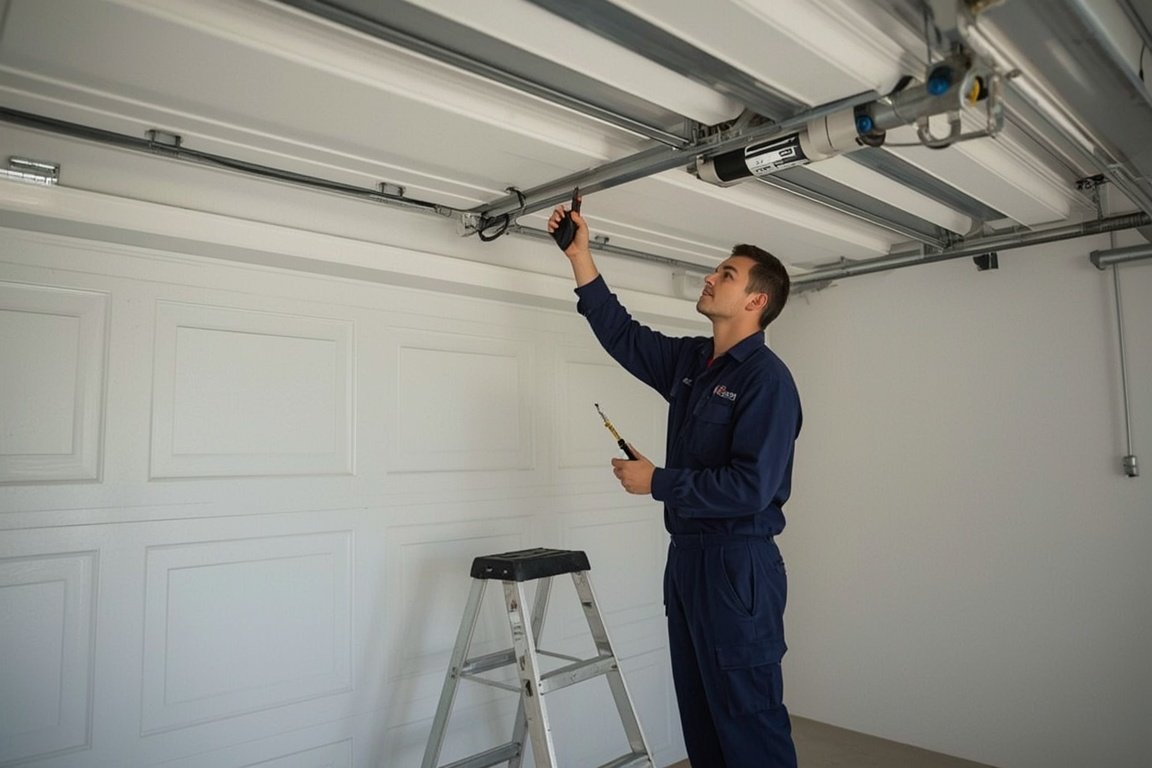
To prevent these issues, inspect all wiring connections regularly and replace any damaged cables immediately. Use weather-resistant conduit or protective tubing to shield wires from moisture and physical wear. Additionally, ensure that all connections are tightly fastened and free from rust or corrosion. If you're unsure about the condition of your wiring, consider scheduling a professional garage door tune-up to identify and resolve potential problems before they escalate.
Upgrading to a modern opener system with improved wiring and signal technology can also help. If your current system is outdated, a garage door opener replacement may be the best solution to restore reliable performance. Taking these preventive steps not only protects your wiring but also enhances the overall efficiency and lifespan of your garage door system.
When to Call a Professional Technician
If your garage door opener continues to lose signal despite basic troubleshooting, it may be time to call a professional technician. Persistent issues such as unresponsive remotes, intermittent signal reception, or complete failure to operate could indicate deeper electrical or mechanical problems that require expert attention. A technician can accurately diagnose whether the issue lies in the opener's circuit board, antenna, or interference from nearby devices.
Additionally, if you've recently installed new electronics or wireless systems in your home and notice signal disruptions, a professional can assess potential conflicts and recommend solutions. In some cases, outdated or incompatible components may need to be upgraded. For example, a garage door opener replacement might be necessary to restore reliable functionality.
It's also wise to seek professional help if your garage door exhibits other signs of wear, such as unusual noises, slow response times, or inconsistent movement. These could be symptoms of broader system issues that affect signal reception. A comprehensive garage door tune-up can help identify and resolve these problems before they escalate.
Ultimately, calling a qualified technician ensures your garage door system operates safely and efficiently, preventing further damage and costly repairs. Don't wait until a minor signal issue turns into a major inconvenience - professional support can save time, money, and stress.
In conclusion, preventing garage door opener signal loss is essential for maintaining the convenience and security of your home. By identifying common causes such as interference, weak batteries, or outdated equipment, and taking proactive steps like repositioning the antenna, replacing batteries, or upgrading to a modern opener with rolling code technology, you can ensure reliable performance. Regular maintenance and staying informed about potential signal disruptors will help keep your garage door functioning smoothly. With these practical tips, you can minimize signal issues and enjoy the full benefits of your garage door opener.
Skip the YouTube rabbit hole - we'll have a tech at your door same day across Broward, Dade and Palm Beach.