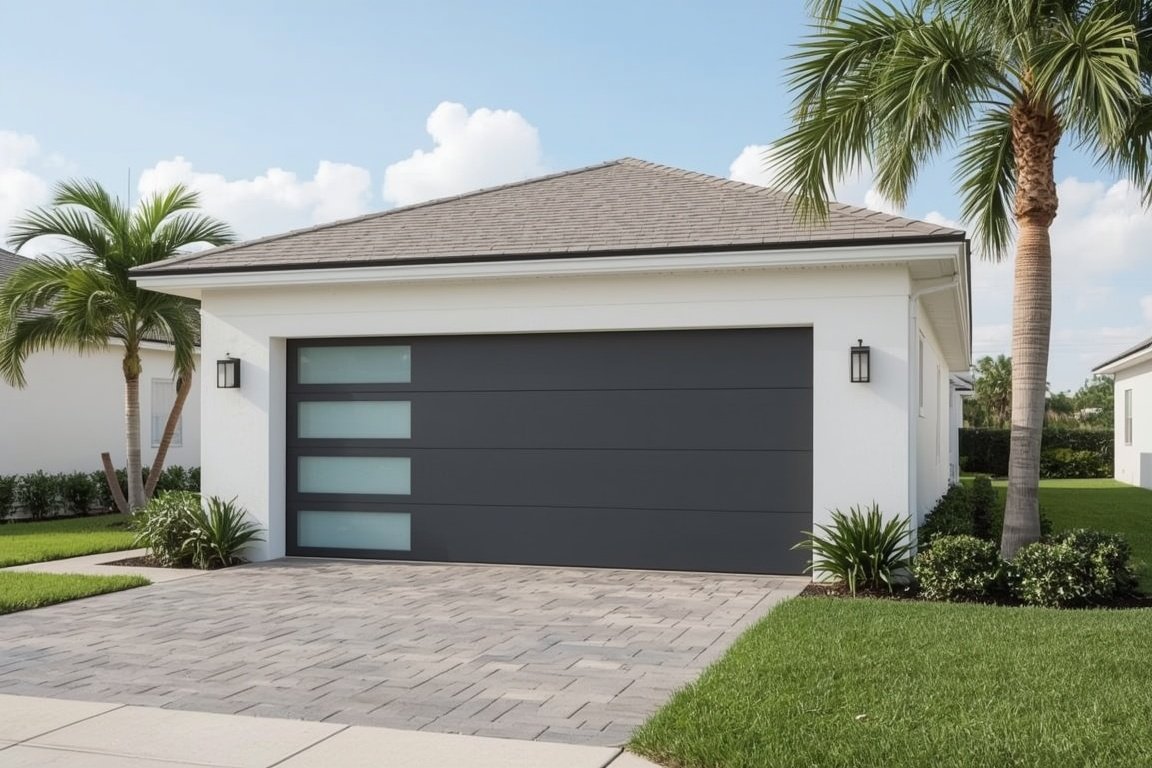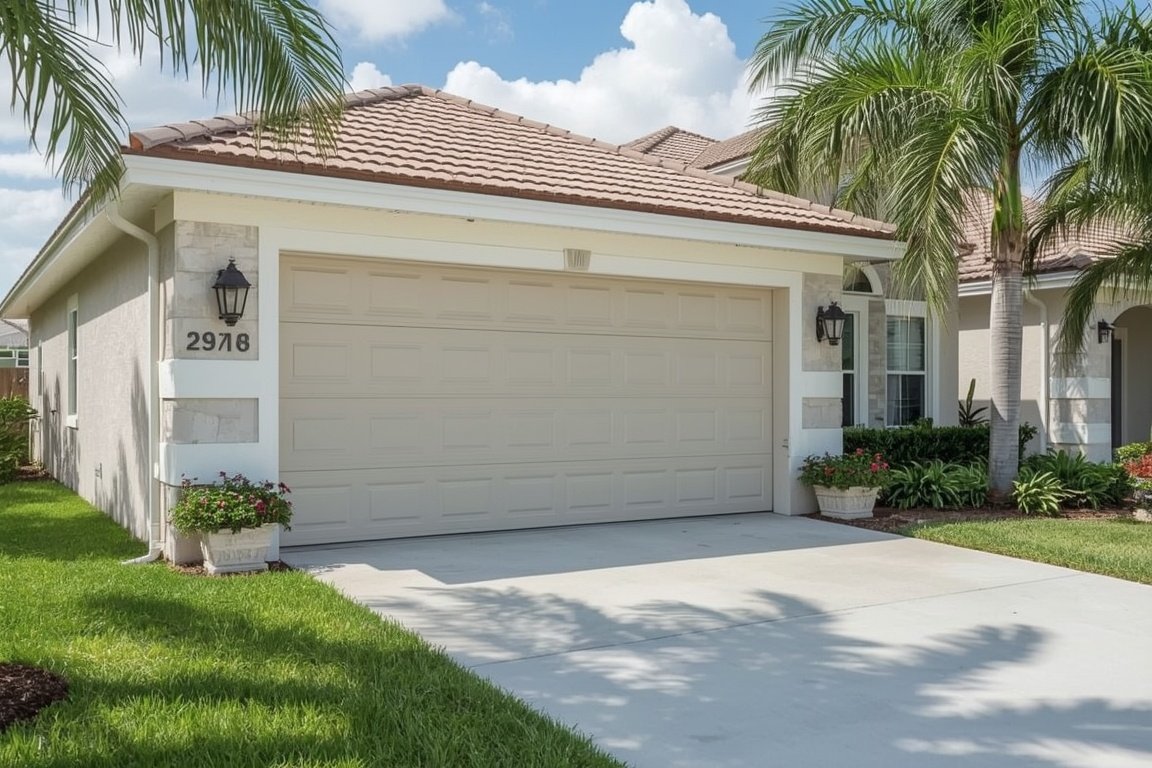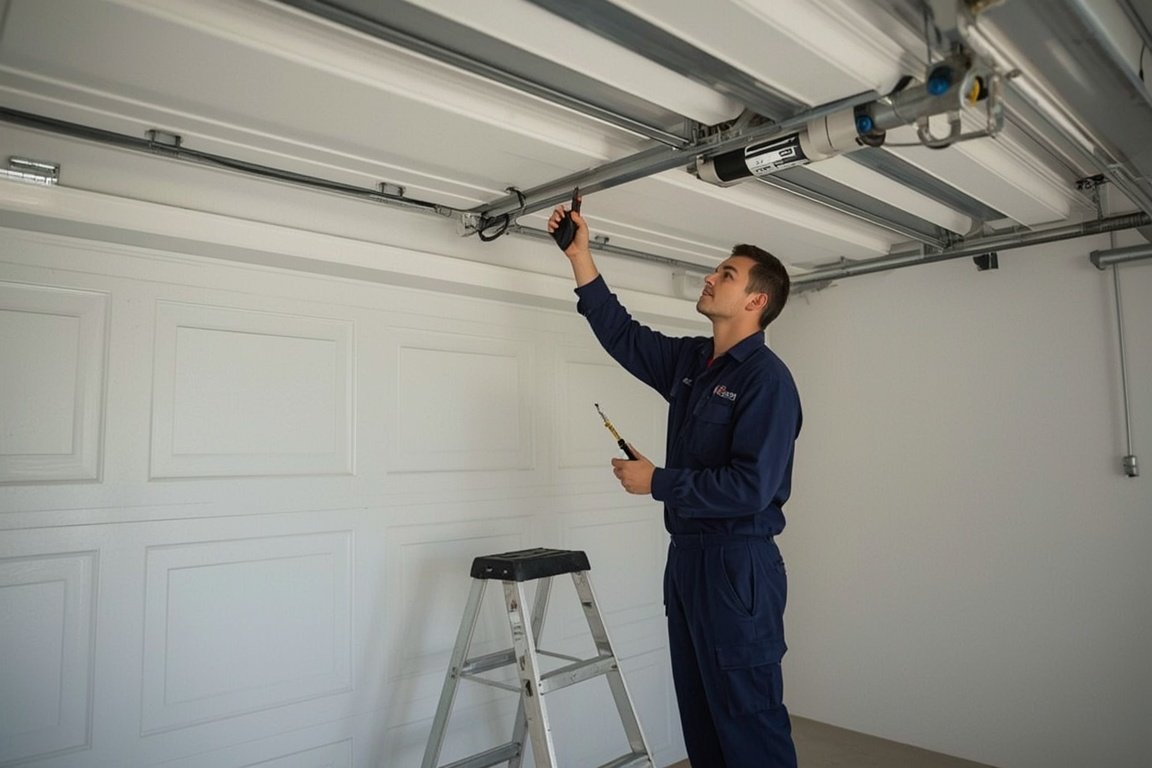
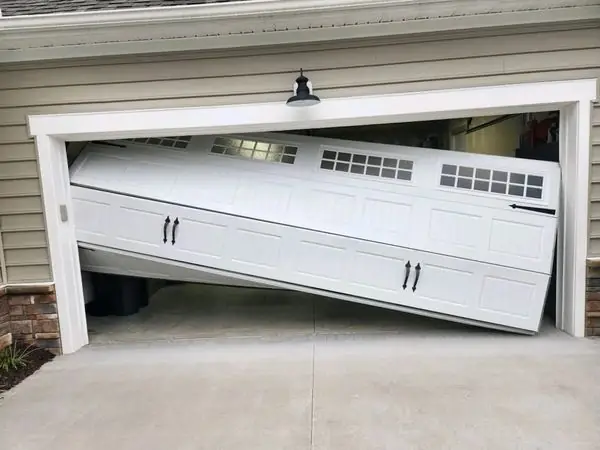
Garage doors are essential parts of every home, providing safety, convenience, and security. But during hot weather or long periods of operation, garage doors can overheat. Overheating can affect not only the door but also the opener, motor, and electrical parts that make it work. If left unchecked, it can lead to system damage, malfunction, or even complete failure. Understanding how to prevent your garage door from overheating will help keep it working smoothly for years.
1. Understand Why Garage Doors Overheat
Before learning how to prevent overheating, it's important to understand why it happens. Garage doors work through a combination of electrical power, mechanical parts, and sensors. When used repeatedly in a short time or exposed to direct sunlight for too long, certain parts like the motor or circuit board can heat up.
Common reasons for garage door overheating include:
- Excessive use in a short period (for example, opening and closing the door many times quickly)
- Direct sunlight on the door or opener motor
- Poor ventilation inside the garage
- Lack of regular maintenance and lubrication
- Worn-out or jammed components causing friction
Once the opener motor reaches its temperature limit, it automatically shuts down as a safety measure to prevent burning out. This may cause your door to stop mid-operation until it cools down.
2. Improve Garage Ventilation
Poor ventilation is one of the biggest causes of heat buildup inside garages. During summer, garage interiors can become much hotter than the outside temperature, especially if the space is closed off or has no windows.
To improve airflow and prevent overheating, try the following steps:
- Install exhaust vents or wall vents to allow hot air to escape.
- Use a small ceiling fan or portable fan to circulate air inside the garage.
- Keep windows slightly open (if available) to let fresh air in.
- Add insulation to garage walls and doors to reduce external heat.
Better ventilation helps maintain a stable temperature, protecting both the door and opener from excessive heat exposure.
3. Avoid Overusing the Garage Door
Constantly opening and closing the garage door in a short time puts strain on the opener motor. The motor works hard each time the door moves, and repeated use generates heat. If you open the door multiple times in an hour, the motor may not have enough time to cool down.
To prevent overheating:
- Limit the number of times you open and close the door in quick succession.
- Allow a few minutes between operations during hot weather.
- Use an alternate entrance, like a side door, when possible to reduce motor use.
Giving the motor time to cool between operations can make a big difference in preventing heat-related issues.
4. Check the Door's Balance
An unbalanced garage door can make the opener work harder than it should. When one side of the door is heavier or misaligned, the motor needs extra effort to lift and lower it, leading to faster overheating.
To test the balance, disconnect the opener by pulling the emergency release cord and manually lift the door halfway. If it stays in place, it's balanced. If it slides down or shoots up, the springs or cables may need adjustment.
Call a professional garage door technician to fix any balance issues. Do not try to adjust the springs yourself, as they are under high tension and can be dangerous.
5. Lubricate Moving Parts Regularly
Friction between moving metal parts is another common cause of overheating. When rollers, hinges, and tracks are dry, the motor has to work harder to move the door. This not only creates more heat but also wears down the motor and mechanical parts.
Lubricate all moving parts every three to six months using a silicone-based or lithium-based garage door lubricant. Focus on:
- Rollers and hinges
- Tracks and chains
- Springs and bearings
- Screw drives or belts (depending on the opener type)
A well-lubricated system moves smoothly, reducing heat buildup and improving performance.
6. Keep the Motor Clean and Dust-Free
Dirt, dust, and cobwebs can trap heat around the opener motor. Make sure to clean the motor housing regularly using a dry cloth. Avoid using water or harsh cleaners, as they can damage electrical parts. Keeping the area around the opener clean ensures better airflow and helps prevent overheating.
7. Protect the Opener from Direct Sunlight
Garage door openers installed near windows or under skylights can get exposed to direct sunlight for long periods. Constant exposure can heat up the motor casing and circuit board, increasing the chance of overheating.
If your garage has large windows or open spaces that allow sunlight in, consider:
- Installing blinds, curtains, or reflective window film to block sunlight.
- Moving the opener slightly if sunlight hits it directly.
- Adding an insulating cover around the motor (without blocking air vents).
These small adjustments can reduce direct heat exposure and keep the opener temperature stable.
8. Insulate the Garage Door
Insulated garage doors help regulate temperature inside the garage. During hot months, insulation keeps heat out, while in colder months, it keeps warmth in. If your garage door is made of thin metal or aluminum, it can absorb and radiate a lot of heat inside.
Adding insulation panels or using an insulated door can lower the temperature inside the garage, which helps the opener and motor function more efficiently. It also makes the garage more comfortable for anyone using the space.
9. Schedule Regular Maintenance
Just like any other mechanical system, garage doors need regular maintenance. During maintenance checks, technicians inspect all parts, tighten loose components, clean sensors, and lubricate moving areas. Regular servicing ensures that the opener doesn't overwork due to hidden problems like worn-out rollers or misaligned tracks.
It's recommended to schedule professional maintenance at least once a year, preferably before the summer season begins. A small service can prevent costly repairs in the future.
10. Check the Opener's Thermal Protection System
Most modern garage door openers have a built-in thermal protection feature. This system automatically shuts off the motor when it becomes too hot. If your opener keeps shutting off frequently, it's a sign that it's overheating regularly.
When this happens, allow the opener to cool down for about 15 to 30 minutes before using it again. If the issue continues, have a technician inspect the opener's internal parts, such as the capacitor, motor, or wiring. These may need cleaning or replacement.
11. Use Energy-Efficient LED Lighting
Many garages have lights installed near the opener. Traditional bulbs, especially incandescent ones, generate a lot of heat. Switching to LED bulbs can help reduce heat buildup around the motor area. LED lights are cooler, energy-efficient, and last longer, making them a good choice for garage environments.
12. Avoid Storing Heat-Generating Equipment Nearby
If you store appliances like dryers, freezers, or water heaters inside the garage, they can increase the surrounding temperature. Try keeping such equipment away from the garage door opener or motor area. You can also install heat shields or reflective barriers to direct heat away from the opener.
13. Monitor for Early Warning Signs
Preventing overheating also means spotting the early signs before serious damage occurs. Watch for these symptoms:
- The door moves slower than usual
- The motor stops mid-operation
- You smell something burning near the opener
- The opener casing feels unusually hot to touch
If you notice any of these, stop using the garage door and allow it to cool down. Continuing to use it could cause further damage.
Conclusion
Garage door overheating is a common but preventable issue. By improving ventilation, reducing overuse, keeping parts clean and lubricated, and maintaining a cool garage environment, you can keep your system running efficiently throughout the year. Regular inspections and timely repairs are key to preventing expensive damage and ensuring your garage door operates safely and smoothly.
With these simple steps, you can extend the life of your garage door and avoid the frustration of sudden breakdowns caused by overheating. A little care and regular attention can make a big difference in keeping your garage door in top condition.
Skip the YouTube rabbit hole - we'll have a tech at your door same day across Broward, Dade and Palm Beach.