A cracked garage door panel isn't just an eyesore - it can compromise the security, insulation, and overall functionality of your garage. If you're a South Florida homeowner looking to avoid costly repairs and maintain your home's curb appeal, learning how to prevent garage door panel cracking is essential. At Garage Door Pros', we understand the importance of keeping your garage door in top condition. Since 2012, our mission has been to provide fast, affordable, and reliable garage door services that give you peace of mind. Whether it's a routine garage door tune-up, sensor replacement, or installing a new garage door, our certified technicians are here to help. With over 450 five-star reviews and a reputation for same-day service, Garage Door Pros' is your go-to expert for preventing garage door damage and extending the life of your system. Our work is professional, our service is personal - because your home deserves nothing less.
Understand the Common Causes of Garage Door Panel Cracks
Garage door panel cracks are a common yet often overlooked issue that can lead to significant structural damage and costly repairs if not addressed promptly. Understanding the root causes of these cracks is essential for homeowners who want to maintain the longevity and functionality of their garage doors. Several factors contribute to the development of cracks in garage door panels, ranging from environmental conditions to mechanical failures and user-related issues.
One of the most prevalent causes of garage door panel cracking is exposure to extreme weather conditions. In regions with fluctuating temperatures, materials such as wood, steel, and fiberglass can expand and contract, leading to stress fractures over time. According to the U.S. Department of Energy, temperature variations can significantly impact the structural integrity of building materials, including those used in garage doors. Prolonged exposure to direct sunlight, heavy rain, snow, and humidity can weaken the material, making it more susceptible to cracking. For instance, wooden garage doors are particularly vulnerable to moisture absorption, which can cause warping and eventual cracking.
Another significant factor is physical impact. Accidental bumps from vehicles, bicycles, or heavy equipment can cause immediate damage to garage door panels. Even minor dents can evolve into larger cracks if not repaired promptly. Children playing near the garage or frequent use of the door without proper maintenance can also contribute to wear and tear. In many cases, homeowners may not notice the damage until it becomes severe, emphasizing the importance of regular inspections and timely garage door repair.
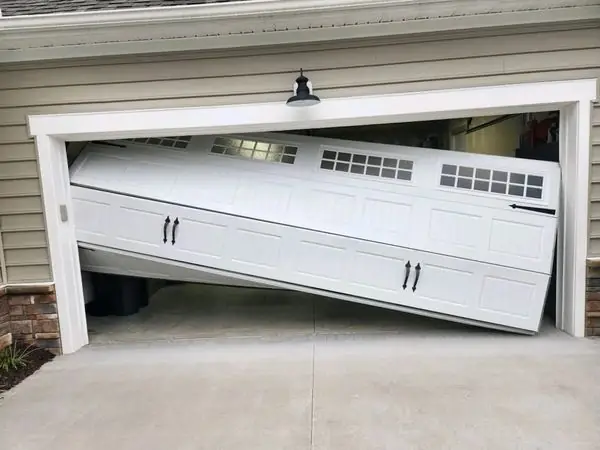
Poor installation and low-quality materials are also common culprits. A garage door that is not properly aligned or balanced can place uneven stress on the panels, leading to premature cracking. Additionally, using substandard materials may save money initially but often results in higher long-term costs due to frequent repairs or replacements. Investing in high-quality, durable materials and professional installation can significantly reduce the risk of panel damage. For those considering an upgrade, exploring options like new garage door installation can provide long-term benefits in terms of durability and performance.
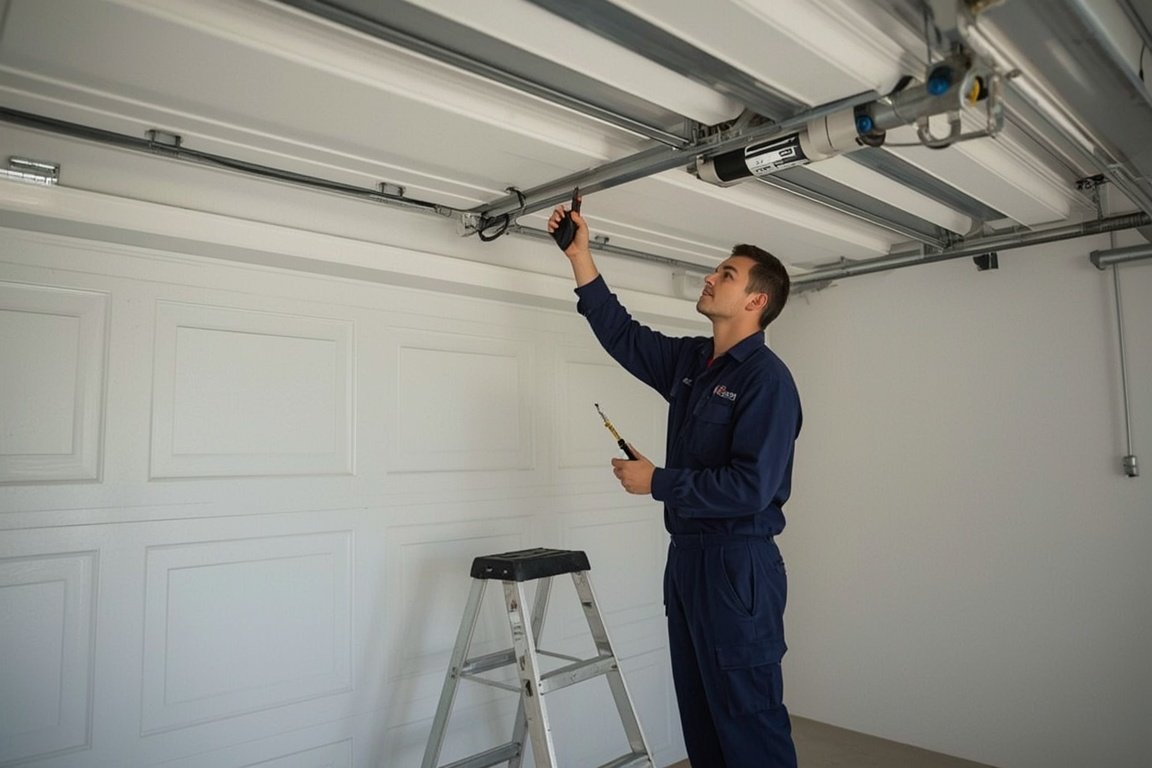
Mechanical issues within the garage door system can also lead to panel cracks. Faulty springs, misaligned tracks, or malfunctioning openers can cause the door to operate unevenly or with excessive force, placing undue pressure on the panels. Over time, this stress can result in visible cracks or structural failure. Regular maintenance, such as a comprehensive garage door tune-up, can help identify and resolve these issues before they escalate.
Inadequate insulation is another contributing factor, particularly in climates with extreme temperatures. Poorly insulated garage doors are more prone to thermal expansion and contraction, which can weaken the material and lead to cracking. According to the International Door Association (IDA), insulated garage doors not only improve energy efficiency but also enhance structural stability. Homeowners in areas with harsh weather conditions should consider upgrading to insulated models to prevent damage and improve comfort.
Improper use and lack of maintenance are often overlooked but critical causes of garage door panel cracking. Many homeowners neglect routine maintenance tasks such as lubricating moving parts, tightening loose hardware, and cleaning the door surface. Over time, this neglect can lead to operational issues and material degradation. Establishing a regular maintenance schedule and addressing minor issues promptly can significantly extend the life of your garage door.
"Neglecting regular maintenance is one of the leading causes of garage door failure," says the International Door Association. "Homeowners should perform visual inspections and basic maintenance at least twice a year."
Environmental factors such as salt exposure in coastal areas can also accelerate material corrosion, especially in metal doors. Salt-laden air can cause rust and weaken the structural integrity of the panels, making them more prone to cracking. Protective coatings and regular cleaning can help mitigate these effects and preserve the door's condition.
To summarize, the most common causes of garage door panel cracks include:
- Exposure to extreme weather conditions and temperature fluctuations
- Physical impact from vehicles, equipment, or recreational activities
- Poor installation and use of low-quality materials
- Mechanical failures such as faulty springs or misaligned tracks
- Inadequate insulation leading to thermal stress
- Improper use and lack of regular maintenance
- Environmental factors like salt exposure in coastal regions
Understanding these causes is the first step toward prevention. By identifying potential risks and taking proactive measures, homeowners can protect their investment and ensure the long-term functionality of their garage doors. For those seeking expert assistance, professional services like garage door services offer comprehensive solutions tailored to individual needs.
For more information on garage door maintenance and repair, consider visiting reputable sources such as:
- U.S. Department of Energy - Garage Door Insulation
- International Door Association (IDA)
- InterNACHI - Garage Door Inspection Guidelines
By staying informed and vigilant, homeowners can effectively prevent garage door panel cracking and maintain the safety, appearance, and functionality of their garage for years to come.
Regular Maintenance Tips to Extend Panel Lifespan
To prevent garage door panel cracking and ensure your garage door remains in optimal condition for years, regular maintenance is essential. One of the most effective ways to extend the lifespan of your garage door panels is by conducting routine inspections. Check for any signs of wear, such as dents, rust, or warping, which can compromise the structural integrity of the panels. Cleaning the panels regularly with mild soap and water helps remove dirt and debris that can cause corrosion or surface damage over time. It's also important to inspect and lubricate all moving parts, including hinges, rollers, and tracks, to reduce friction and prevent unnecessary strain on the panels. If your garage door is exposed to extreme weather conditions, consider applying a protective sealant to shield it from moisture and UV damage. Additionally, ensure that the weather stripping at the bottom of the door is intact and functional, as it helps prevent water and debris from entering and causing internal damage. Scheduling a professional garage door tune-up at least once a year can help identify potential issues early and keep your system running smoothly. If you notice any unusual noises or resistance when opening or closing the door, it may be time to consult a technician for a thorough inspection. Addressing minor issues promptly can prevent them from escalating into major problems that could lead to panel cracking. For homeowners seeking enhanced durability and performance, upgrading to insulated garage doors can offer better protection against temperature fluctuations and physical impact. By staying proactive with maintenance and seeking professional assistance when needed, you can significantly extend the life of your garage door panels and maintain the safety and appearance of your home.
In conclusion, preventing garage door panel cracking involves a combination of regular maintenance, timely repairs, and mindful usage. By keeping your garage door clean, lubricated, and properly balanced, you can significantly extend its lifespan and avoid costly damage. Additionally, addressing minor issues early and protecting the door from extreme weather conditions will help maintain its structural integrity. With these proactive steps, you can ensure your garage door remains functional, safe, and visually appealing for years to come.
Skip the YouTube rabbit hole - we'll have a tech at your door same day across Broward, Dade and Palm Beach.