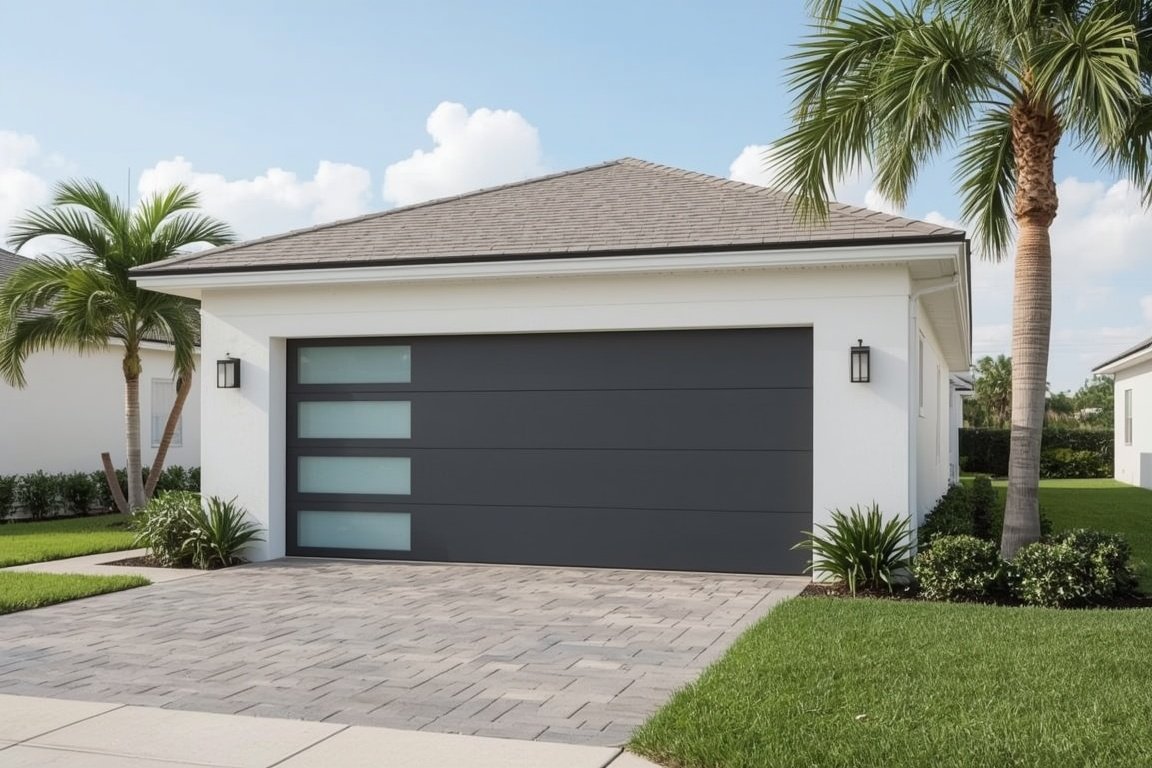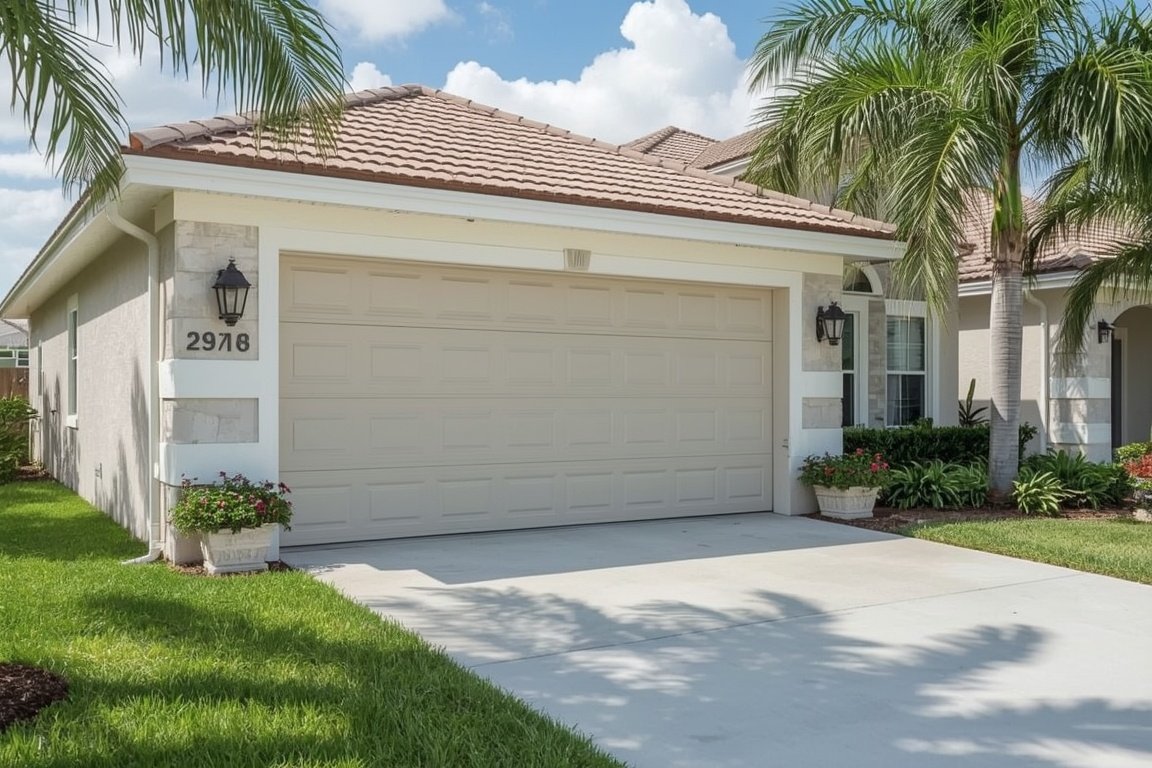
Over time, many homeowners notice that their garage door panels begin to fade, yellow, or develop uneven color patches. This problem, known as garage door panel discoloration, affects curb appeal and can make even the best-kept homes look older than they are. More importantly, discoloration often signals that the door's protective finish is breaking down - leaving the material vulnerable to rust, rot, or warping. Fortunately, discoloration is completely preventable with consistent care and the right protective measures. In this comprehensive 1000-word guide, we'll explore why garage door discoloration happens, what you can do to stop it, and how to maintain a clean, like-new finish year after year.
What causes garage door panel discoloration?
Several environmental and maintenance-related factors can cause your garage door to lose its color or appear uneven over time. Understanding these causes is the first step in preventing the problem:
- Sun exposure: Constant UV rays from the Florida sun are the number one reason garage doors fade or yellow, especially on south- or west-facing doors.
- Moisture and humidity: Excess moisture leads to oxidation in metal doors and staining or mildew in wood and composite materials.
- Pollution and salt air: In coastal areas, airborne salt and industrial pollutants can react with the surface finish and cause dullness or stains.
- Improper cleaning products: Harsh chemicals or abrasive cleaners can strip protective coatings, leaving the material exposed.
- Aging paint or finish: Even high-quality finishes degrade over time, especially without periodic maintenance or reapplication.
Early signs of discoloration
Discoloration typically develops gradually, but catching it early makes treatment easier. Here are some warning signs to look for during routine cleaning or inspection:
- Faded or patchy color, especially near the top of the door where sunlight hits most.
- Yellow or brown staining, often caused by oxidation or water exposure.
- White chalky residue, common on painted or metal surfaces due to UV damage.
- Visible streaks after rainfall or pressure washing.
- Areas where paint appears duller or uneven compared to adjacent panels.
Step-by-step: How to prevent garage door discoloration
1. Clean your garage door regularly
The simplest and most effective way to prevent discoloration is through regular cleaning. Wash your garage door every two to three months using mild dish soap and water. Avoid abrasive brushes or scouring pads that can scratch the surface. Instead, use a soft sponge or microfiber cloth to remove dust, grime, and salt. Rinse thoroughly with a hose and let the door dry naturally. Regular cleaning prevents the buildup of pollutants that cause fading and staining.
2. Use UV-protective coatings
Just like sunscreen protects your skin, UV-protective coatings shield your garage door from harmful sunlight. After cleaning and drying the door, apply a UV-resistant wax or sealant designed for outdoor surfaces. These coatings work well on both metal and wood doors and can extend the life of the paint or finish by years. For painted steel doors, an automotive-grade wax provides an excellent barrier against oxidation and fading.
3. Repaint or reseal as needed
All garage doors - especially those exposed to direct sunlight - will eventually need repainting or resealing. For wood doors, apply a new coat of exterior-grade paint or clear sealant every two to three years. For metal or fiberglass doors, repaint every five to seven years or whenever fading becomes noticeable. Always clean and lightly sand the surface before painting to ensure good adhesion. Choose a paint color that resists UV rays; lighter shades reflect heat better and fade less over time.
4. Control moisture exposure
Moisture accelerates discoloration, particularly for wooden and steel doors. To reduce exposure, check the weatherstripping at the bottom of your garage door regularly. Replace it if cracked or brittle to prevent water seepage. Keep gutters and downspouts clear to stop rainwater from splashing onto the door. If your garage faces the ocean or high humidity areas, rinse the door occasionally with fresh water to remove salt buildup that can corrode metal or discolor paint.
5. Avoid harsh chemicals and pressure washing
It might be tempting to use strong cleaners or a high-pressure washer to remove dirt quickly, but both can damage your door's surface. Avoid using bleach, ammonia, or solvent-based products. Instead, opt for a mild pH-neutral detergent. When rinsing, use a standard garden hose rather than a pressure washer, which can force water under paint layers or into seams where it causes staining.
6. Protect the door from direct sunlight
If possible, reduce direct sun exposure to the door. Adding a small awning, shade tree, or pergola can shield the surface during peak hours. Alternatively, consider installing reflective film on nearby windows to deflect sunlight away from the garage. This simple step can dramatically slow down color fading and prolong the door's finish.
7. Inspect and maintain surface finishes
Check your garage door's surface at least twice a year for cracks, peeling paint, or dull spots. These are early indicators that the finish is wearing thin. Touch up small areas with matching paint or protective coating before they spread. If the door is made of wood, lightly sand and reseal spots that appear dry or rough. Preventive maintenance like this keeps discoloration from taking hold in the first place.
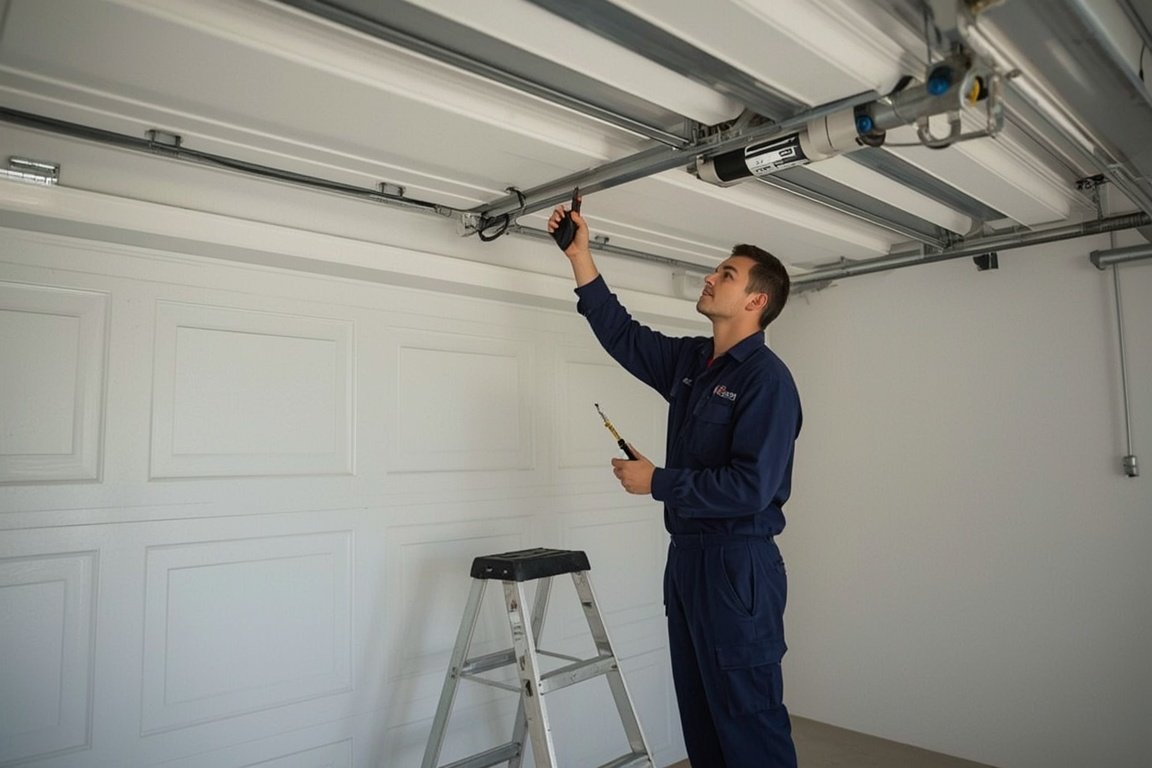
8. Consider professional maintenance
Sometimes discoloration results from factors beyond your control - like poor-quality paint or environmental contaminants. Having your door professionally cleaned and sealed once a year helps preserve its original color. Professionals use specialized products and techniques that restore luster and offer longer-lasting protection than DIY methods. This is especially valuable in Florida's humid, sun-intense climate.
Bonus tips for long-term color retention
- Wipe down the door after storms to remove mineral residue from rainwater.
- Apply a fresh coat of UV-protective wax every spring and fall.
- Store harsh cleaning supplies away from the door to avoid accidental spills.
- Inspect your garage's ventilation to reduce trapped humidity that encourages mildew.
- If replacing your door, choose fade-resistant materials such as powder-coated steel or composite panels.
Common mistakes that lead to discoloration
Many homeowners unintentionally contribute to fading by skipping small maintenance tasks. Forgetting to rinse off salt spray, ignoring cracked paint, or using the wrong cleaners can all speed up discoloration. Another mistake is using household glass cleaners on metal doors - these often contain ammonia, which corrodes finishes. Lastly, leaving wet leaves or debris pressed against the door for long periods can stain the surface permanently. Avoiding these small but significant mistakes helps preserve your door's original color.
Final thoughts
Preventing garage door panel discoloration requires a balance of cleaning, protection, and awareness. By keeping your door free from dirt, applying UV-protective coatings, and maintaining moisture control, you can preserve its vibrant appearance for many years. Regular inspections and mild cleaning solutions go a long way toward avoiding uneven fading and corrosion. Remember, your garage door is one of the most visible parts of your home - keeping it looking new enhances both curb appeal and property value. If you ever notice early signs of discoloration or damage, reach out to the professionals at GarageFL for expert maintenance and restoration services. A few preventive steps today will ensure your garage door continues to look clean, bright, and well-cared-for for the long term.
Skip the YouTube rabbit hole - we'll have a tech at your door same day across Broward, Dade and Palm Beach.