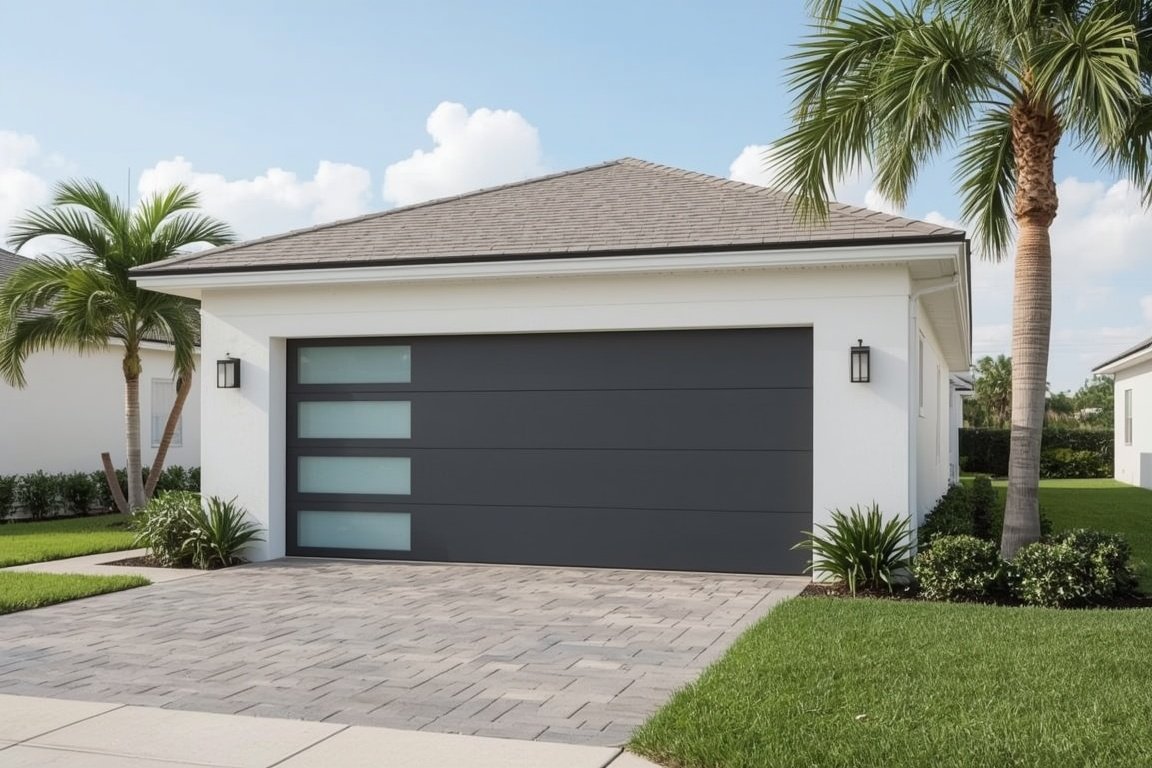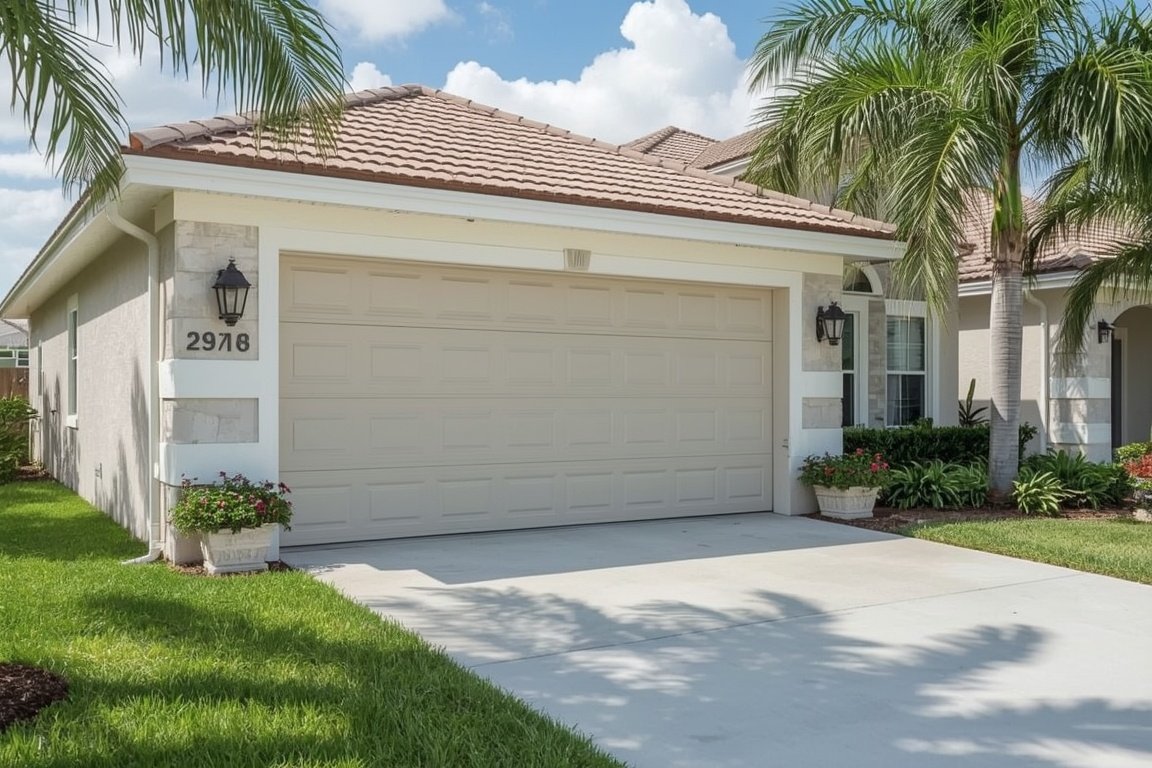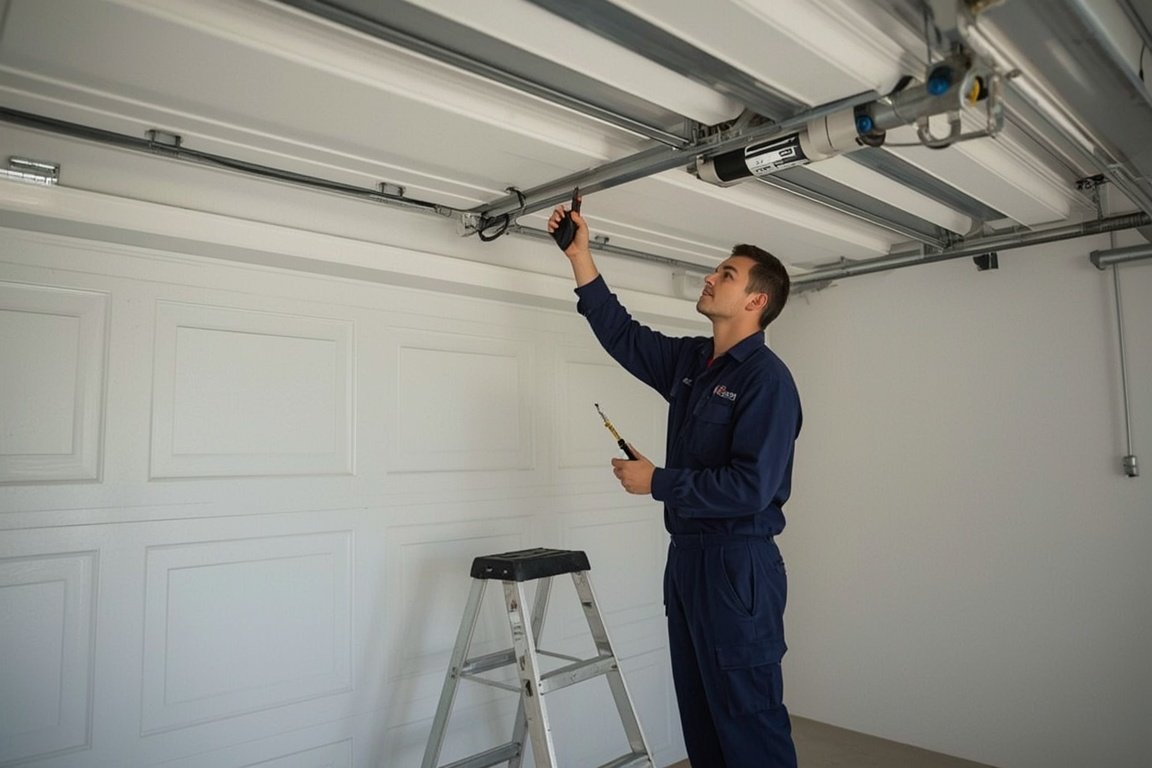
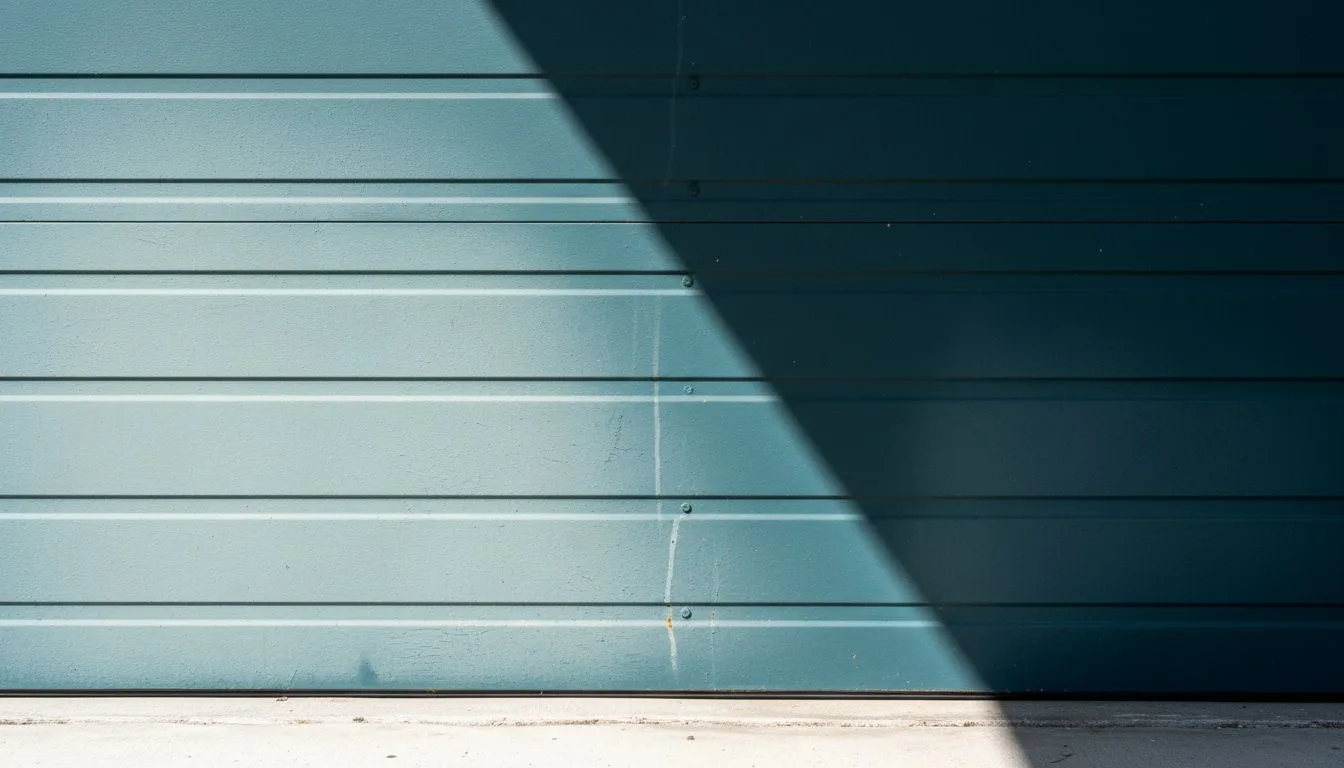
Is your garage door starting to look dull or discolored under the South Florida sun? UV rays can cause serious fading to garage door panels, especially in sunny cities like Miramar, Plantation, and Hollywood. At Garage Door Pros', we understand how important curb appeal is to homeowners. That's why we're sharing expert tips on how to prevent garage door panel fading from UV exposure.
The best way to protect your garage door from UV damage is by applying a UV-resistant sealant, choosing fade-resistant materials, and scheduling regular maintenance. This article covers the top methods to shield your garage door panels from sun damage, including paint options, protective coatings, and smart installation choices. We also highlight expert advice from industry leaders like Bob Vila, who emphasizes the importance of material selection in sun-prone regions.
But that's just the beginning - there's more you can do to keep your garage door looking brand new year-round. Want to know which materials last the longest under UV rays? Or how often you should reapply protective coatings? Let's dive into the proven strategies that will help your garage door stand strong against the Florida sun.
Understanding Garage Door Panel Fading
Constant exposure to sunlight causes garage door panels to fade over time. This fading diminishes curb appeal and weakens the door's surface. UV rays break down the outer layer, leading to discoloration, chalking, and brittleness. These changes not only affect appearance but also reduce the door's lifespan.
Different materials react uniquely to UV exposure. Steel doors may oxidize and lose their finish. Aluminum can dull and develop a powdery residue. Wood fades unevenly and may crack or warp. Fiberglass becomes brittle and discolored, especially in high-sun areas. Without protection, all materials eventually show signs of wear.
Common indicators of fading include dull patches, uneven color, and a chalky surface. You might also notice peeling paint or a rough texture. These signs suggest the door needs maintenance or replacement. Regular inspections help catch early damage.
To maintain your door's look and function, consider scheduling a garage door tune-up. If fading is severe, explore options for a new garage door installation. Taking action early prevents costly repairs and preserves your home's value.
The Science Behind UV Damage
Ultraviolet (UV) radiation is a form of electromagnetic energy emitted by the sun. It comes in three types: UVA, UVB, and UVC. While UVC rarely reaches the Earth's surface, UVA and UVB penetrate deeply and cause the most damage. These rays break down chemical bonds in materials, especially those used in garage doors like wood, vinyl, and painted metal.
Over time, UV exposure causes fading, brittleness, and surface cracking. Painted finishes lose their vibrancy, while wooden panels dry out and warp. Even metal doors can suffer from oxidation and weakened coatings. The damage intensifies in sunny climates, especially in southern regions where UV levels are consistently high.
Prolonged exposure accelerates wear, reducing the lifespan of your garage door. Homes in coastal or high-altitude areas face even greater UV intensity. Regular maintenance and protective coatings can help, but prevention is key. Consider scheduling a garage door tune-up to assess UV-related wear. For long-term protection, explore insulated garage door installation options that resist sun damage and improve energy efficiency.
Factors That Accelerate Garage Door Fading
Constant exposure to direct sunlight is the leading cause of garage door panel fading. UV rays break down paint and finish over time. High temperatures further accelerate this process, especially during summer months. Humidity adds another layer of damage by promoting moisture buildup, which weakens the door's surface. In urban areas, pollution settles on panels, creating a grimy layer that traps heat and UV radiation.
The direction your garage door faces also matters. South- and west-facing doors receive the most sunlight, making them more prone to fading. In contrast, north-facing doors experience less direct exposure, which slows deterioration.
Neglecting regular maintenance worsens the issue. Infrequent cleaning allows dirt and pollutants to accumulate. Without a protective coating, your door becomes more vulnerable to environmental stressors. Applying a UV-resistant sealant can significantly extend the life of your finish.
To maintain your door's appearance, consider scheduling a garage door tune-up. If fading is already severe, explore a new garage door installation for a fresh start. Regular care and smart orientation choices can preserve your door's curb appeal for years.
Choosing UV-Resistant Garage Door Materials
When selecting a garage door, material choice plays a crucial role in UV resistance. Powder-coated steel outperforms painted wood in durability and sun protection. Unlike wood, steel resists warping, fading, and cracking under prolonged sun exposure. Fiberglass and aluminum also offer excellent UV resistance, especially when factory-treated with protective coatings.
Opt for finishes like baked-on enamel or powder coating. These finishes bond tightly to the surface, creating a long-lasting barrier against UV rays. Avoid untreated wood or low-grade vinyl, as they degrade faster under sunlight.
When buying a new door, choose models labeled as UV-protected or factory-sealed. These options reduce maintenance and extend the door's lifespan. Always ask about the material's UV rating before purchase.
For expert help, explore our new garage door installation options. We offer premium materials designed to withstand Florida's harsh sun. Need more guidance? Visit our FAQ page for answers to common questions. Investing in the right material now prevents costly repairs later.
Protective Coatings and Sealants
UV-resistant paint, clear sealants, and powder coatings offer strong defense against sun damage. Each option provides a unique level of protection and finish. UV-resistant paint adds color while shielding panels from harmful rays. Clear sealants preserve the original look and add a protective layer. Powder coatings offer a durable, long-lasting finish ideal for harsh climates.
To apply these coatings, start by cleaning the surface thoroughly. Remove dirt, grease, and old paint. Sand the panels lightly to ensure better adhesion. Apply a primer if needed, then follow with your chosen coating. Use even strokes and allow each layer to dry completely. For best results, apply at least two coats.
Reapply coatings every two to three years, depending on exposure and wear. Inspect the surface annually for cracks or peeling. Clean the panels regularly to prevent buildup that can degrade the coating. For professional help, explore our services or schedule a garage door tune-up to extend the life of your finish. Regular maintenance ensures your garage door stays vibrant and protected year-round.
Regular Maintenance Practices to Prevent Fading
To keep your garage door panels looking vibrant, establish a monthly maintenance routine. Start by rinsing the surface with water to remove dust and debris. Use a mild detergent mixed with warm water and a soft sponge to clean the panels. Avoid harsh chemicals or abrasive tools that can damage the finish. After cleaning, inspect the door for early signs of fading, such as dull spots or uneven color.
Address minor fading immediately with a color-matched touch-up paint. This prevents further deterioration and maintains a uniform appearance. Every three months, apply a UV-protective wax or sealant to shield the surface from sun exposure. During your inspection, check for cracks, peeling, or chalky residue - these are early indicators of UV damage.
Schedule a professional garage door tune-up annually to ensure all components are in top shape. If you notice persistent fading or damage, consider consulting our garage door services team for expert advice. Staying proactive with regular care not only preserves your door's appearance but also extends its lifespan.
Installing Physical Barriers and Shade Solutions
Adding shade structures is a smart way to protect your garage door from harmful UV rays. Awnings, pergolas, and shade sails can significantly reduce direct sunlight exposure. These options not only shield your door but also enhance your home's curb appeal. For a more natural approach, consider strategic landscaping. Planting trees or tall shrubs near your garage creates long-term shade and improves energy efficiency.
Before choosing a solution, assess your garage's orientation. South- and west-facing doors receive the most sunlight and need stronger protection. Observe sun patterns throughout the day to determine the best placement for barriers. Combining physical structures with greenery often yields the best results.
If you're unsure where to start, our garage door services can help evaluate your setup. We also offer insulated garage door installation to further protect against heat and UV damage. Taking action now prevents costly repairs and extends your door's lifespan.
Using UV-Protective Films and Covers
UV-protective films act as a shield against harmful sun exposure. These transparent layers adhere directly to garage door panels, blocking damaging rays. Application is simple - clean the surface, cut the film to size, and smooth it on with a squeegee. Some films offer adhesive backing, while others cling statically for easy removal.
Temporary films are ideal for renters or seasonal protection. They're affordable and easy to replace but may peel under extreme heat. Permanent options offer long-term defense and a cleaner look. However, they require professional installation and cost more upfront.
Both types reduce fading, but maintenance differs. Temporary films need frequent checks for bubbling or edge wear. Permanent ones require occasional cleaning with non-abrasive products. Expect to pay based on scope depending on size and quality.
For homeowners seeking lasting curb appeal, this investment is smart. Pair it with a garage door tune-up to maximize protection. If you're considering a full upgrade, explore our custom garage doors for enhanced durability and style.
When to Repaint or Replace Faded Panels
Faded garage door panels often signal wear, but not all require replacement. Start by inspecting the color uniformity and surface texture. If fading is mild and the structure remains solid, repainting is a smart option. However, deep cracks, warping, or rust indicate it's time for a full replacement.
To repaint, begin by cleaning the surface with a mild detergent. Remove old paint using a wire brush or sander. Apply a primer suitable for metal or wood, depending on your door type. Choose a UV-resistant exterior paint for long-lasting protection. Use a sprayer or roller for even coverage, and allow proper drying between coats.
If your door is over 15 years old or has multiple damaged panels, replacement may be more cost-effective. New models offer better insulation and curb appeal. Explore options like custom garage doors or insulated garage doors for enhanced performance.
Always weigh the cost of materials and labor against the benefits of a new installation. A professional assessment can help you decide the best route forward.
Frequently Asked Questions (FAQs)
Fading occurs when ultraviolet rays break down the paint and finish on garage door panels. This process can begin within months, especially in sunny climates. Applying car wax or polish may offer minimal protection, but it's not a long-term solution. Instead, use a UV-protective coating designed for exterior surfaces.
Reapply these coatings every 6 to 12 months, depending on sun exposure. Darker-colored doors tend to fade faster due to heat absorption. If fading is severe, repainting is more cost-effective than replacing the entire door.
Most warranties don't cover UV damage, so preventive care is essential. You can apply UV protection yourself, but hiring a professional ensures even coverage and longer-lasting results. Spring and fall are the best seasons for application, offering mild temperatures and low humidity.
To check for existing UV protection, look for a glossy finish or consult your manufacturer. For expert help, explore our services or schedule a garage door tune-up. Regular maintenance keeps your door looking new and functioning properly.
Skip the YouTube rabbit hole - we'll have a tech at your door same day across Broward, Dade and Palm Beach.