How to Prevent Garage Door Panel Separation - a concern many South Florida homeowners face, especially in cities like Miramar, Plantation, and Hollywood. Have you noticed gaps forming between your garage door panels or heard strange noises during operation? These could be early signs of panel separation, which, if ignored, can lead to costly repairs. At Garage Door Pros', we've been helping homeowners avoid these issues since 2012 with fast, affordable, and professional service.
The key to preventing garage door panel separation lies in regular maintenance, timely repairs, and proper installation. This article will walk you through expert tips to keep your garage door panels aligned and secure. From checking hinges and rollers to scheduling tune-ups with certified technicians, we've got you covered.
But that's just the beginning. Industry experts like Bob Vila emphasize the importance of seasonal inspections and using high-quality parts to extend your garage door's lifespan. So, if you're ready to protect your investment and avoid unnecessary headaches, let's dive into the proven methods to prevent garage door panel separation today.
Understanding Garage Door Panel Separation
Garage door panel separation occurs when the individual sections of the door begin to pull apart. This issue often stems from wear and tear, poor installation, or extreme weather conditions. Over time, the connecting hinges and brackets may loosen, causing gaps between panels.
Garage doors are typically constructed from multiple horizontal panels joined by hinges. These hinges allow the door to bend as it opens and closes. When the hinges weaken or the panels warp, separation becomes more likely. Temperature fluctuations and moisture can also contribute to this problem.
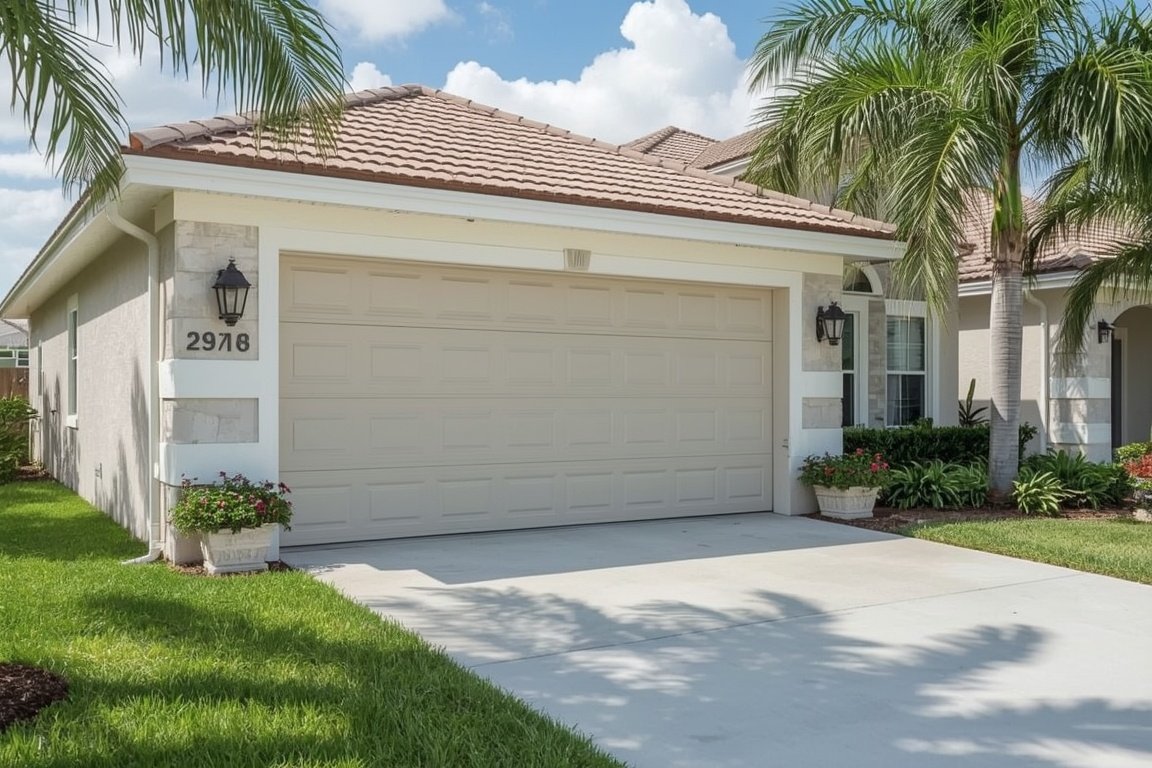
Common signs include visible gaps between panels, uneven door movement, or strange noises during operation. You might also notice the door sagging or becoming misaligned. These symptoms indicate that the structural integrity of the door is compromised.
To prevent further damage, consider scheduling a garage door tune-up. If the issue persists, a professional garage door repair may be necessary. Addressing the problem early can save you from costly replacements and ensure smooth operation.
Common Causes of Garage Door Panel Separation
Extreme temperature shifts and high humidity levels can cause garage door panels to expand and contract. Over time, this constant movement weakens the joints and leads to separation. Additionally, frequent use accelerates wear on hinges, rollers, and tracks. This daily strain gradually misaligns the panels, making them more prone to gaps and cracks.
Poor installation is another major factor. If the door isn't properly aligned or balanced, stress builds unevenly across the panels. Using low-quality materials only worsens the issue, as they degrade faster under pressure. In many cases, homeowners discover these problems too late.
Accidents also play a significant role. A minor vehicle bump can shift the door off track or damage a panel. Even a small impact can compromise the structure. If left unaddressed, the damage spreads quickly.
To avoid costly repairs, consider scheduling a garage door tune-up. Regular maintenance can catch early signs of separation. If you suspect damage, don't wait - reach out through our contact page for expert help.
How Panel Separation Affects Garage Door Functionality
When garage door panels begin to separate, the entire system loses its balance. This imbalance causes jerky or uneven movement during operation. Over time, the strain can lead to misalignment of tracks and rollers. As a result, the door may jam or fail to close completely.
This malfunction poses serious safety concerns. A misaligned door can suddenly drop, risking injury or property damage. Additionally, gaps between panels weaken the door's structure, making it easier for intruders to force entry. Your home's security is compromised without visible warning.
The garage door opener also suffers. It works harder to lift an unbalanced door, leading to premature wear or complete failure. Components like cables, springs, and sensors may also break under the added stress. In one case, a homeowner ignored minor separation. Within weeks, the opener motor burned out, requiring a full garage door opener replacement.
To avoid costly repairs, schedule a routine garage door tune-up. Early detection can prevent major issues. Don't wait until the damage spreads. Regular maintenance ensures smooth operation and protects your investment.
Routine Maintenance to Prevent Panel Separation
Start with a monthly inspection checklist. Look for gaps between panels, unusual noises, or misalignment. Check the tracks for debris or dents. Examine the rollers for wear and tear. Clean and lubricate all moving parts using a silicone-based spray. Apply lubricant to the hinges, rollers, and tracks evenly. Avoid over-lubricating, as it attracts dust and grime.
Tighten all bolts and screws with a wrench. Pay close attention to brackets and hinges. Inspect for rust or corrosion, especially around the bottom panel and metal components. If you notice any, clean the area and apply a rust inhibitor.
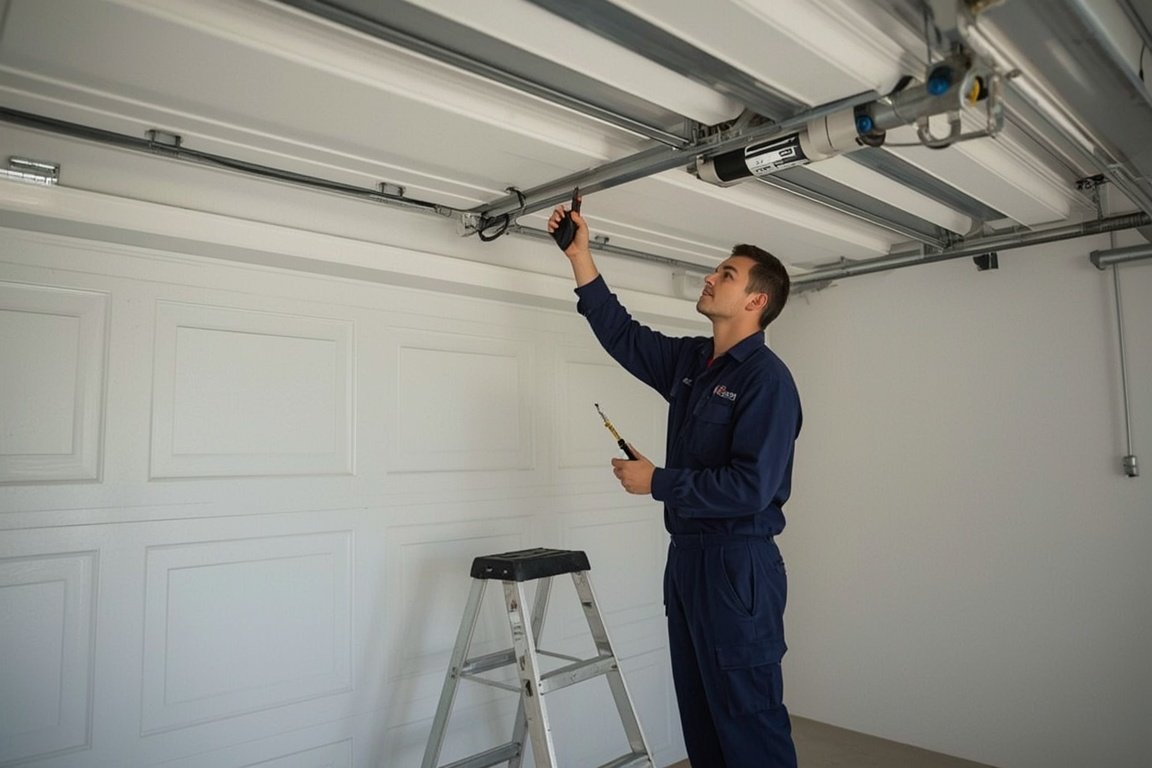
Schedule a professional inspection at least twice a year. Experts can detect early signs of damage and perform a full garage door tune-up. They'll also test the balance, safety sensors, and opener system.
If your door shows signs of wear, consider a full garage door repair to avoid costly replacements. Regular maintenance extends the life of your door and ensures smooth operation year-round.
Weatherproofing and Insulation Tips
Fluctuating temperatures cause garage door materials to expand and contract. Over time, this movement weakens panel connections. Moisture and drafts can also seep through gaps, accelerating wear. To combat this, install high-quality weather stripping along the door's edges. Choose durable rubber or vinyl seals for long-lasting protection.
Start by removing old seals with a flathead screwdriver. Clean the surface thoroughly. Measure and cut the new weather seal to fit. Press it firmly into the track or adhesive strip. For bottom seals, slide the new gasket into the retainer channel. Always test the door's movement after installation.
Adding insulation panels inside your garage door boosts energy efficiency. It also reduces stress on the panels by maintaining a stable internal temperature. Consider upgrading to an insulated garage door for maximum protection.
Insulated doors not only prevent separation but also reduce noise and improve comfort. For professional help, explore our garage door services. Regular maintenance and proper sealing extend your door's lifespan and performance.
Proper Installation Techniques
Hiring certified professionals ensures your garage door is installed with precision and expertise. They follow manufacturer guidelines and local codes, reducing the risk of future issues. During installation, each panel must align perfectly. Misalignment causes stress on hinges and leads to separation over time. Installers should secure every panel tightly using corrosion-resistant fasteners.
Using high-quality materials is equally vital. Inferior hardware wears out quickly, compromising the door's structural integrity. Opt for durable tracks, rollers, and brackets to support long-term performance. Always verify the installation before the technician leaves. Open and close the door several times to check for smooth operation. Listen for unusual noises or resistance.
Inspect the panel seams closely. There should be no visible gaps or uneven spacing. If anything seems off, request immediate adjustments. For more details on our expert services, visit our garage door services page. You can also explore our new garage door installation options for premium upgrades. Proper installation today prevents costly repairs tomorrow.
Repair Options for Minor Panel Separation
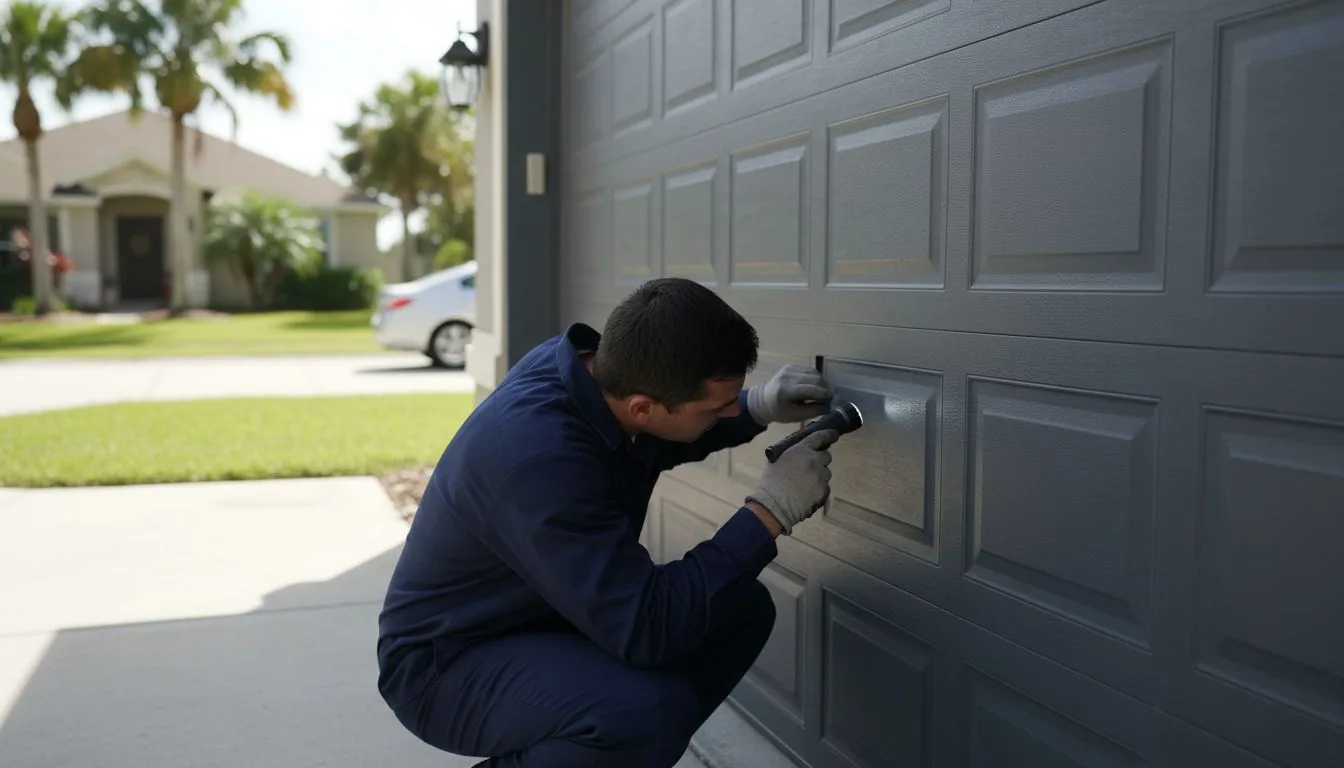
Start by examining the panel alignment from both inside and outside the garage. Look for uneven gaps or misaligned edges. If the separation is less than a quarter-inch and panels remain structurally sound, a DIY fix is possible. Begin by tightening all visible bolts and screws along the panel seams. Use a socket wrench for better grip and control.
Next, clean the gap thoroughly to remove dust and debris. Apply a high-quality exterior-grade sealant to close the space and prevent moisture intrusion. For added durability, consider using weather-resistant adhesive strips. Essential tools include a socket set, caulking gun, sealant, and a level.
Always disconnect the power to the garage door opener before starting. Wear gloves and safety glasses to protect your hands and eyes. If the panels shift when the door moves or the gap exceeds half an inch, stop immediately. It's time to call a professional.
For expert help, explore our garage door repair services or schedule a safety inspection today. Don't risk further damage - get it fixed right the first time.
When to Replace Panels or the Entire Door
Visible cracks, warped panels, or recurring dents often signal it's time for a replacement. If multiple panels are damaged or the door struggles to open smoothly, a full replacement may be more cost-effective. Repairing individual panels can be economical, but only if the damage is isolated and the structure remains sound.
Panel replacement works best when the door is relatively new and parts are still available. However, mismatched colors or discontinued models can make this option less appealing. In such cases, investing in a new door ensures uniformity and improved performance.
When choosing replacement panels, match the material, color, and style to your existing setup. Consult professionals to avoid compatibility issues. If a full upgrade is necessary, consider energy-efficient or hurricane-rated garage doors for added protection and value.
Explore our new garage door installation options to find a style that fits your home. For expert advice, visit our contact page and speak with a specialist today.
Choosing the Right Garage Door for Long-Term Durability
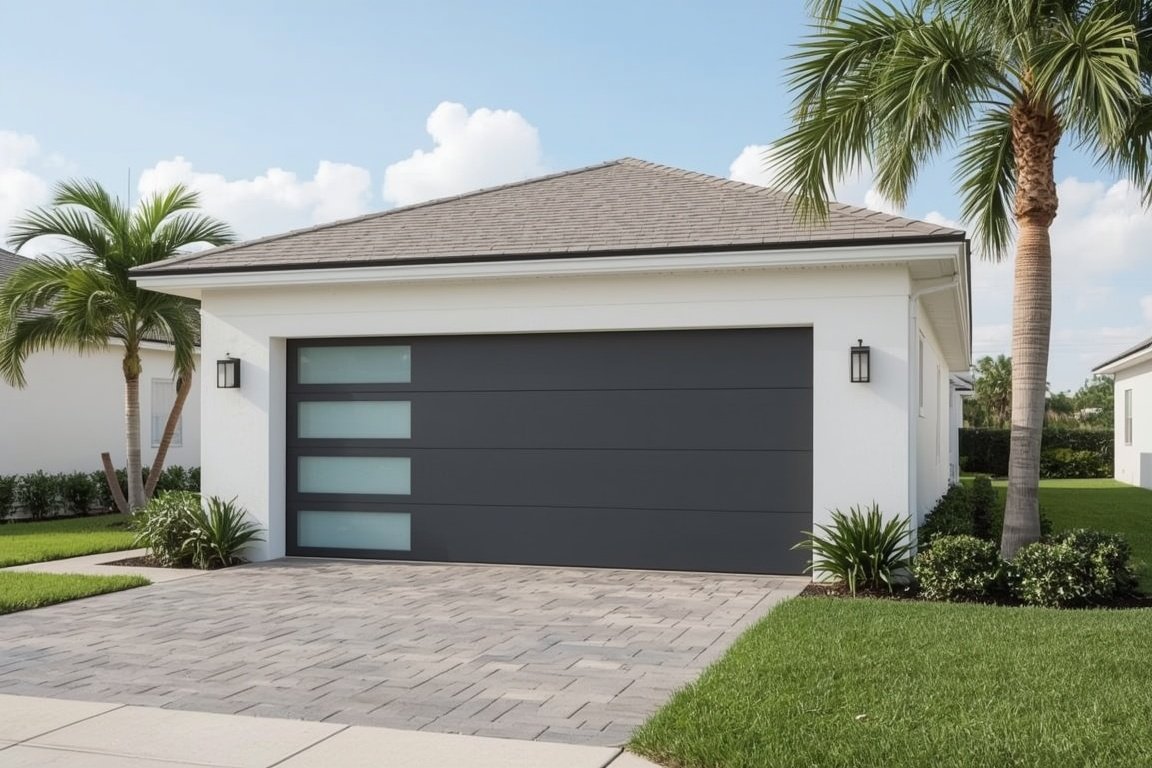
When selecting a garage door built to last, material matters. Steel offers excellent strength and resists warping or separation. Aluminum is lightweight and rust-resistant but may dent easily. Wood delivers a classic look but requires regular maintenance to avoid splitting. Composite doors combine durability and low upkeep, making them ideal for long-term use.
Brands like Clopay, Amarr, and Wayne Dalton are known for their high-quality construction and longevity. These manufacturers also provide strong warranties, which are essential for peace of mind. Always choose a door backed by a comprehensive warranty and responsive customer support.
Customization is key to performance. In humid or coastal areas, opt for corrosion-resistant finishes. For colder climates, consider insulated doors to improve energy efficiency. If your garage sees heavy use, reinforced panels can prevent early wear.
Before making a final decision, consult professionals for tailored advice. Explore our new garage door installation services to find the perfect fit for your home and environment.
Frequently Asked Questions (FAQs)
Panel separation often results from worn hinges, loose bolts, or extreme weather changes. DIY fixes may work temporarily, but professional help ensures long-term safety. Costs vary; minor repairs are low-cost while full panel replacements run higher - request a written quote. Inspect your garage door every three months to catch early signs of damage.
Steel and fiberglass doors typically resist separation better than wood. Some warranties cover panel issues, but always check the fine print. Homeowner's insurance may help if damage results from storms or accidents. Most garage doors last 15 - 30 years, but poor maintenance shortens that lifespan.
Yes, weatherproofing helps. It reduces moisture and temperature-related stress on the panels. Ignoring separation can lead to misalignment, security risks, or total system failure. To avoid costly repairs, schedule a regular garage door tune-up.
Finding a reliable service is easy. Look for licensed professionals with strong reviews. Start by checking our services page or reach out through our contact form. Don't wait - early action prevents bigger problems.
Skip the YouTube rabbit hole - we'll have a tech at your door same day across Broward, Dade and Palm Beach.