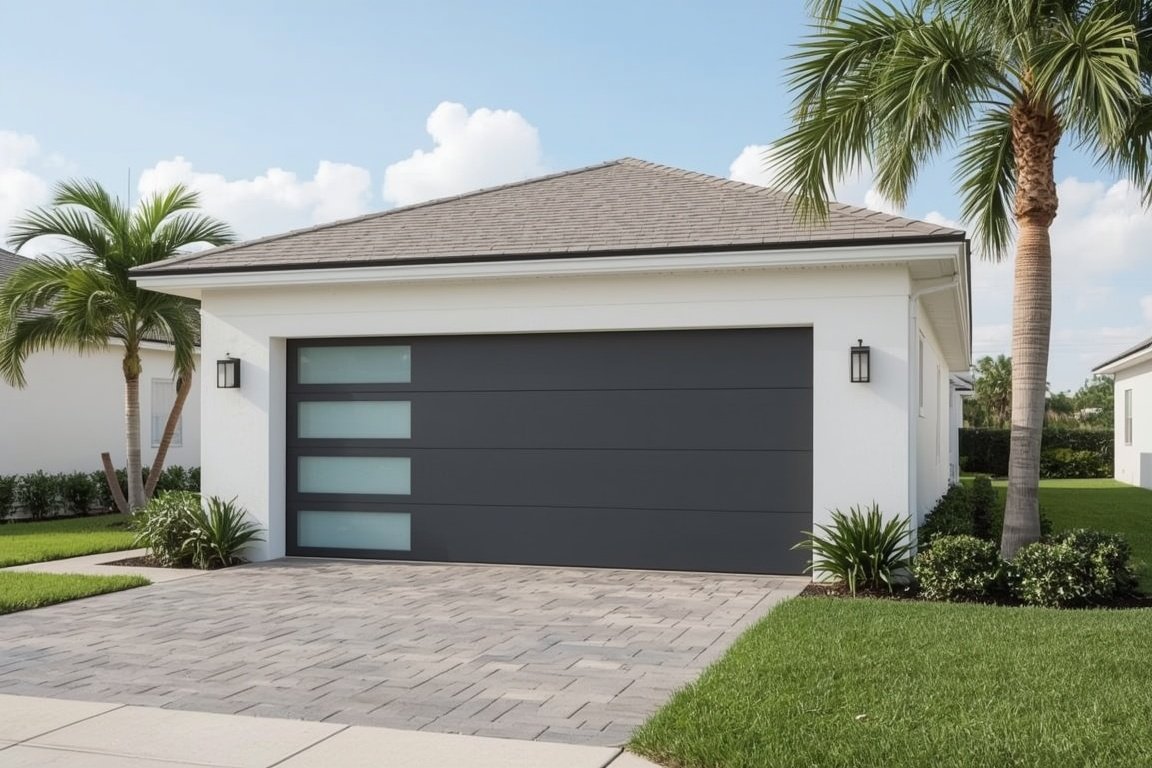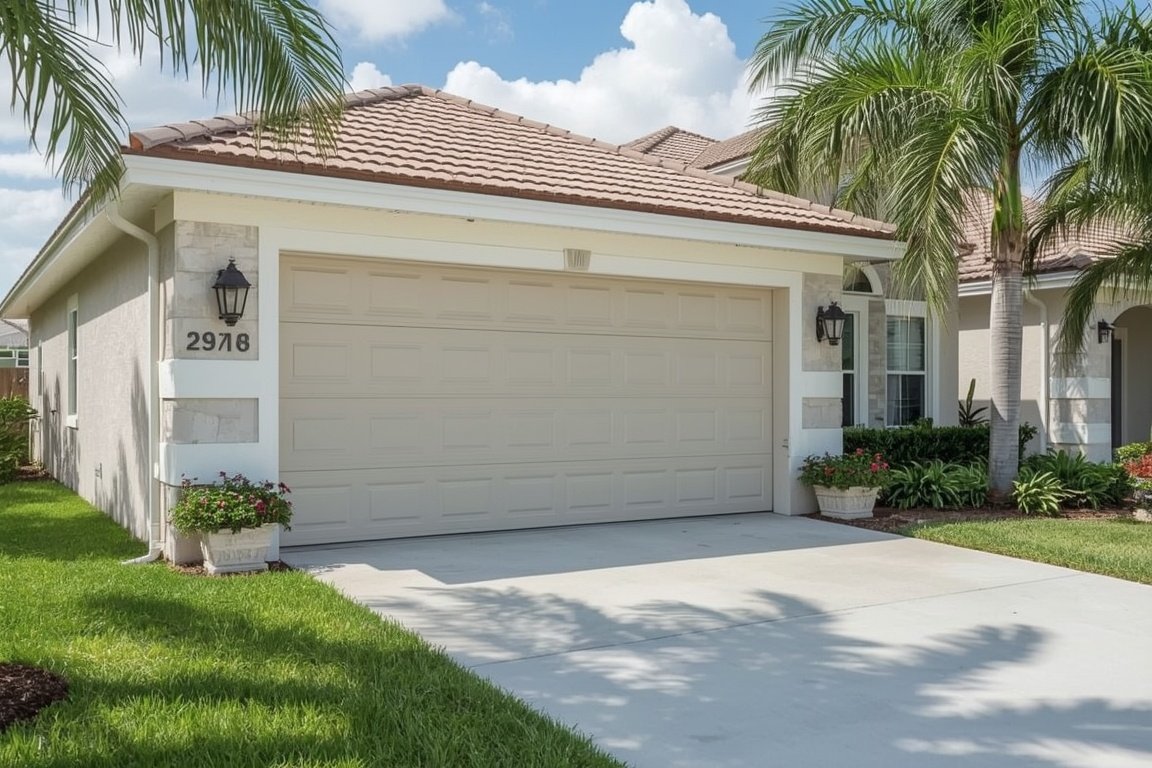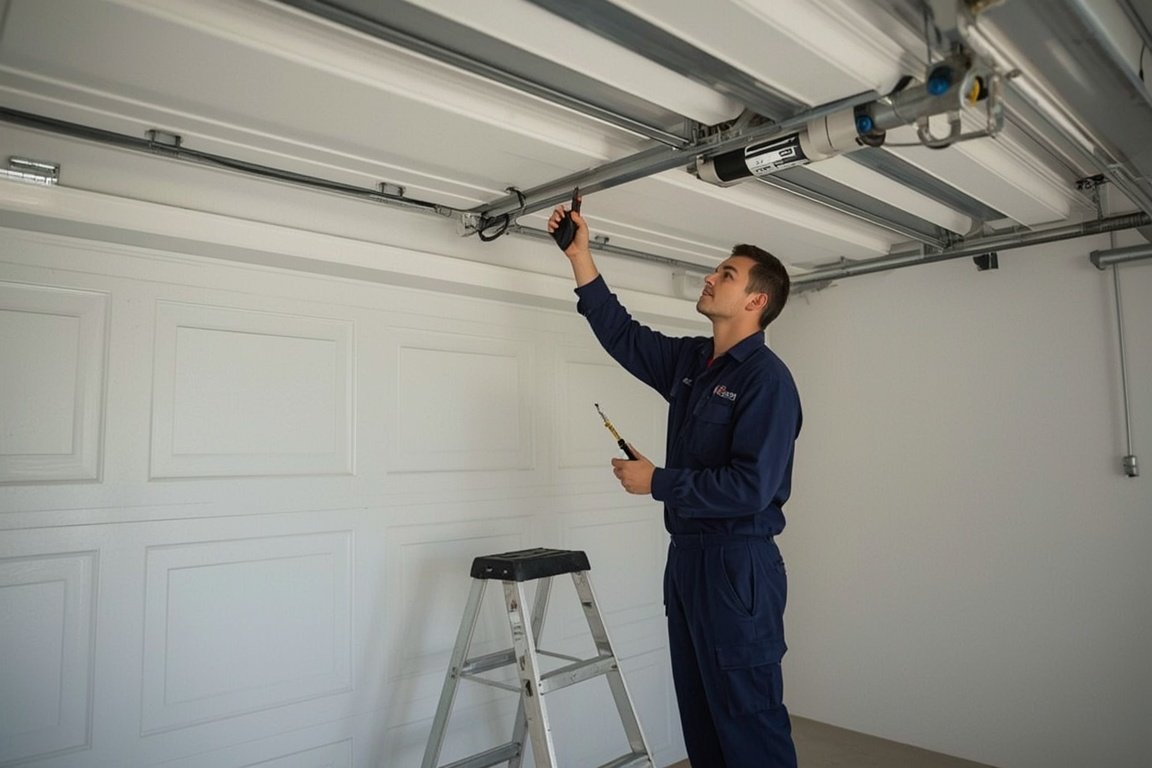
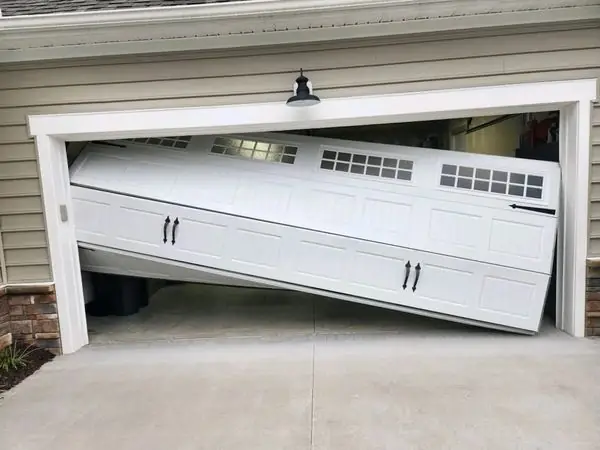
Garage doors endure constant exposure to the elements, and over time, they can develop issues like warping, cracking, or swelling. Among these problems, garage door panel warping is one of the most common - especially in wooden and composite doors. A warped panel doesn't just look unsightly; it can interfere with smooth operation, put stress on the opener, and even compromise the door's insulation. The good news is that with proper maintenance and awareness, you can prevent warping before it starts. In this comprehensive 1000-word guide, we'll explore the causes of garage door panel warping, how to identify early signs, and the best preventive steps to protect your door and your investment.
What causes garage door panels to warp?
Warping occurs when a garage door panel loses its original shape due to uneven pressure, moisture, or temperature exposure. Materials expand and contract at different rates, and when one section reacts faster than another, the door bends or curves out of alignment. The following factors contribute most often:
- Moisture exposure: Wooden doors absorb moisture from humidity and rain, which leads to swelling, distortion, and eventual warping.
- Extreme temperature changes: Florida's hot days and cool nights cause expansion and contraction cycles that stress the material.
- Direct sunlight: Constant UV exposure weakens paint or sealant, allowing heat to warp panels unevenly.
- Poor insulation: Without proper insulation, panels heat or cool unevenly, increasing the risk of bending.
- Improper installation: Incorrect track alignment or door balance puts uneven tension on panels, which accelerates warping.
How to recognize early signs of warping
Detecting early warping allows you to fix small problems before they become costly repairs. Look for these signs during regular maintenance checks:
- Gaps appear between panels when the door is closed.
- The door looks uneven or slightly curved when viewed from the side.
- The opener strains or makes unusual noises during lifting.
- Panels feel soft or swollen to the touch, especially near the edges.
- Paint or finish begins to bubble or peel, a sign that moisture has entered the material.
If you notice any of these indicators, take immediate steps to stop the damage from spreading.
Step-by-step: How to prevent garage door panel warping
1. Choose the right material for your environment
Prevention starts with selecting the best material for your climate. In humid or coastal regions like Florida, aluminum, steel, or fiberglass garage doors resist warping far better than untreated wood. If you prefer the look of wood, choose engineered or composite doors with moisture-resistant cores and a durable finish. Always confirm that the material is rated for your local weather conditions before installation.
2. Maintain a protective finish
Paint or sealant serves as the first line of defense against moisture and sun damage. Inspect your garage door's finish twice a year for peeling or cracking. Repaint or reseal as needed - especially before summer and after hurricane season. Use UV-resistant exterior paint or marine-grade sealant for maximum protection against humidity and heat.
3. Keep your garage door clean
Dirt, salt, and mildew trap moisture against the door's surface, accelerating deterioration. Clean your door every few months using a mild detergent and water solution. Rinse thoroughly and let it dry completely before applying any protective coatings. Avoid high-pressure washers that can strip away paint or push water into the seams.
4. Control humidity and temperature inside the garage
Maintaining stable conditions inside your garage helps prevent warping from the inside out. Use dehumidifiers or install proper ventilation to reduce excess moisture. Weatherstrip doors and windows to keep hot air and humidity out. For homes with attached garages, consider adding insulation to the door panels to reduce temperature fluctuations that cause expansion and contraction.
5. Inspect door balance and alignment
Unbalanced or misaligned doors put uneven stress on panels, increasing the likelihood of warping. Test balance monthly by disconnecting the opener and lifting the door halfway. It should stay in place without falling or rising. If it moves on its own, springs or cables may need adjustment. Also, ensure the tracks are level and bolts are secure to avoid twisting forces on the panels.
6. Keep hardware lubricated and in good condition
Lubrication may seem unrelated to warping, but smooth operation reduces strain on the door's panels. Use a silicone-based lubricant on rollers, hinges, and springs every few months. Tighten all bolts and brackets to prevent unnecessary vibration, which can loosen joints and stress panels unevenly.
7. Shield the door from direct sunlight
Prolonged exposure to harsh sunlight can heat one section of the door more than another, causing expansion and warping. If your door faces south or west, consider adding an awning, shade tree, or UV-resistant coating to protect it. Light-colored paint also reflects sunlight better than dark colors, helping to reduce heat buildup.
Pro Tip: Schedule a professional inspection every year - especially before hurricane season. A technician can spot early signs of warping or weakness that homeowners often overlook.Professional maintenance and repair
Even with excellent care, age and weather will eventually take their toll. Having your garage door professionally serviced once a year helps detect structural changes before they become serious. Technicians can test the door's alignment, replace damaged weather seals, adjust spring tension, and recommend refinishing when necessary. For wooden doors, they may apply special coatings or install moisture barriers to extend the door's lifespan.
How to fix minor warping
If you catch slight warping early, you might correct it yourself. For wooden panels, try removing the door and clamping the warped section flat after applying gentle heat and moisture control. Once straight, sand and reseal the area to protect it from further distortion. However, if the door's frame or multiple panels are warped, it's safer and more cost-effective to call a professional to replace or realign the affected sections.
Additional tips for long-term prevention
- Inspect your door after storms or flooding to ensure moisture hasn't seeped in.
- Replace damaged weatherstripping promptly to prevent water intrusion.
- Keep gutters clean to prevent overflow that can splash on wooden doors.
- Open the garage periodically to promote airflow, especially in humid months.
- Apply rust-preventive spray to metal doors to reduce heat absorption.
Final thoughts
Preventing garage door panel warping is all about consistent care and environmental protection. By choosing weather-appropriate materials, maintaining a strong finish, and controlling moisture, you can keep your garage door looking great and functioning flawlessly for years. Regular inspections, cleaning, and sealing don't just protect your door - they also preserve your home's curb appeal and safety. If you live in a humid region or notice early signs of warping, don't wait - schedule a professional assessment with GarageFL. A few proactive steps today can save you from expensive repairs and extend the life of your garage door for the long haul.
Skip the YouTube rabbit hole - we'll have a tech at your door same day across Broward, Dade and Palm Beach.