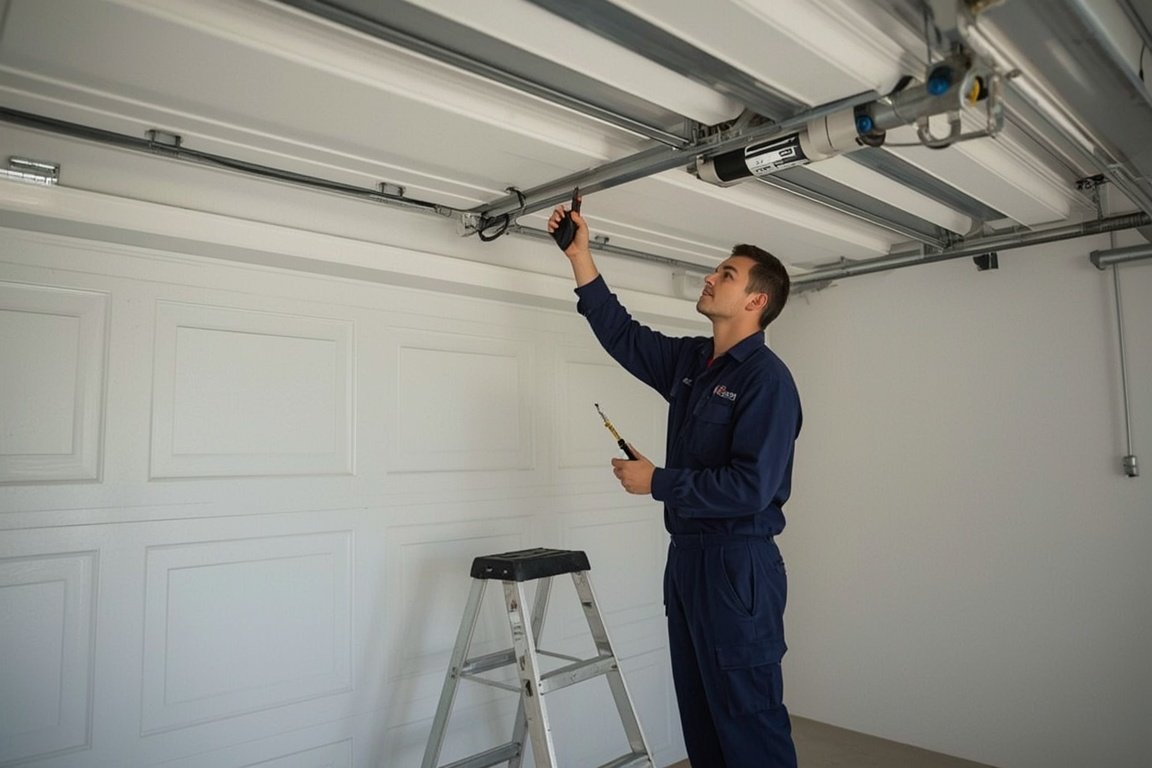
A smoothly functioning garage door is essential for both the security and convenience of your home. One of the most common issues homeowners face is garage door roller track damage, which can lead to noisy operation, uneven movement, or even complete system failure. Understanding how to prevent garage door roller track damage is key to extending the life of your garage door and avoiding costly repairs. At Garage Door Pros', we've been helping South Florida residents maintain their garage doors since 2012 with fast, affordable, and reliable service. Whether you're in need of a garage door tune-up, roller replacement, or a full garage door repair, our certified technicians are here to help. With over 450 five-star reviews and a commitment to excellence, we combine professional workmanship with a personal touch - because "Our work is professional, Our service is personal!" In this guide, we'll share expert tips on preventing roller track damage, helping you keep your garage door system running smoothly and safely for years to come.
Regular Maintenance Tips to Keep Your Garage Door Tracks in Top Shape
Keeping your garage door tracks in optimal condition is essential for ensuring the smooth and safe operation of your garage door system. Regular maintenance not only extends the life of your garage door but also helps prevent costly repairs and potential safety hazards. According to the International Door Association (IDA), a well-maintained garage door can last up to 15 to 30 years, depending on usage and care. Neglecting routine upkeep, however, can lead to issues such as roller misalignment, track warping, and even complete system failure. To avoid these problems and maintain the integrity of your garage door roller tracks, it's important to follow a consistent maintenance routine.
One of the most effective ways to prevent roller track damage is by conducting visual inspections at least once a month. Look for signs of wear and tear, such as rust, dents, or misalignment. If you notice any irregularities, address them immediately before they escalate into more serious issues. Keeping the tracks clean is equally important. Dirt, debris, and grime can accumulate over time, causing the rollers to stick or derail. Use a damp cloth to wipe down the tracks and remove any buildup. For stubborn grime, a mild household cleaner can be used, but avoid harsh chemicals that could corrode the metal.
Lubrication is another critical aspect of garage door maintenance. Applying a silicone-based lubricant to the rollers, hinges, and tracks can significantly reduce friction and noise. According to a report by the U.S. Department of Energy, proper lubrication can improve the efficiency of mechanical systems by up to 15 percent. Be sure to avoid using grease or oil-based products, as they tend to attract dust and debris, which can lead to further complications.
Tightening loose hardware is a simple yet often overlooked maintenance task. Over time, the vibration from daily use can cause bolts and screws to loosen. Use a socket wrench to check and tighten all fasteners, especially those securing the tracks to the walls and ceiling. This helps maintain proper alignment and prevents the tracks from shifting out of place.
Another key maintenance tip is to check the alignment of the tracks. Misaligned tracks can cause the rollers to derail, leading to significant damage. Use a level to ensure the vertical sections of the tracks are perfectly plumb and the horizontal sections are slightly sloped toward the back of the garage. If you notice any misalignment, it's best to consult a professional technician to make the necessary adjustments.
It's also important to inspect the rollers themselves. Worn or damaged rollers can place undue stress on the tracks, increasing the risk of damage. If you notice any cracks, chips, or excessive wear, consider scheduling a garage door roller replacement. Nylon rollers are often recommended for their quiet operation and durability compared to metal ones.
Seasonal maintenance is another proactive approach to preserving your garage door tracks. In colder climates, ice and snow can cause metal components to contract, leading to alignment issues. In warmer regions, excessive heat can cause metal to expand. Performing a seasonal garage door tune-up ensures that your system adapts to changing weather conditions and continues to function smoothly year-round.
In addition to these hands-on tasks, scheduling a professional inspection at least once a year is highly recommended. A certified technician can identify potential issues that may not be visible to the untrained eye. They can also perform a comprehensive safety check to ensure all components are functioning correctly. According to the Door & Access Systems Manufacturers Association (DASMA), regular professional maintenance can reduce the risk of unexpected failures by up to 75 percent.
For homeowners seeking advanced solutions, upgrading to a smart garage door system can offer additional benefits. These systems often include sensors and alerts that notify you of any irregularities in the door's operation, allowing for timely intervention. If you're considering a high-tech upgrade, explore our smart garage door installation services for enhanced convenience and security.
Here are some practical maintenance tips to keep your garage door tracks in top shape:
- Inspect tracks monthly for rust, dents, or misalignment.
- Clean tracks regularly using a damp cloth and mild cleaner.
- Lubricate rollers and tracks with a silicone-based lubricant every three months.
- Tighten all bolts and screws to maintain track alignment.
- Use a level to check track alignment and consult a professional if needed.
- Replace worn or damaged rollers promptly to avoid track stress.
- Perform seasonal tune-ups to adapt to weather changes.
- Schedule annual professional inspections for comprehensive maintenance.
- Consider upgrading to a smart garage door system for real-time monitoring.
"Preventative maintenance is the key to avoiding costly garage door repairs and ensuring long-term functionality." - Door & Access Systems Manufacturers Association (DASMA)
For more information on garage door care and professional services, visit our services page or reach out through our contact form. You can also explore our FAQ section for answers to common maintenance questions.
External resources for further reading:
- Door & Access Systems Manufacturers Association (DASMA)
- U.S. Department of Energy
- HomeAdvisor: Garage Door Maintenance Tips
By incorporating these regular maintenance practices into your routine, you can significantly reduce the risk of garage door roller track damage and ensure your system remains reliable and efficient for years to come.
Common Causes of Roller Track Damage and How to Avoid Them
Roller track damage is one of the most common issues that can compromise the functionality and safety of your garage door. Understanding the root causes of this damage is essential for homeowners who want to maintain a reliable and long-lasting garage door system. One of the primary causes of roller track damage is poor maintenance. Over time, dirt, debris, and rust can accumulate on the tracks, causing the rollers to stick or derail. This not only affects the smooth operation of the door but also puts unnecessary strain on the entire system. Regular cleaning and lubrication of the tracks and rollers can help prevent this buildup and ensure optimal performance.
Another frequent cause of roller track damage is physical impact. Accidental bumps from vehicles, tools, or other heavy objects can bend or misalign the tracks. Even a slight misalignment can cause the rollers to wear unevenly or come off the track entirely. To avoid this, it's important to be cautious when moving vehicles or equipment near the garage door and to inspect the tracks periodically for signs of bending or warping. If damage is detected early, a professional can often make adjustments before more serious issues develop.
Improper installation is also a significant factor in roller track damage. If the tracks are not aligned correctly during installation, the rollers may not glide smoothly, leading to premature wear and tear. This is why it's crucial to rely on experienced professionals for any garage door installation or repair work. Choosing a reputable service provider ensures that the tracks are installed with precision and that all components are properly calibrated. For more information about professional services, visit our services page.
Worn-out or low-quality rollers can exacerbate track damage as well. Rollers made from substandard materials may not withstand daily use, especially in high-traffic households. As they degrade, they can chip, crack, or become misshapen, which in turn damages the track. Upgrading to high-quality nylon or steel rollers can significantly extend the life of your garage door system and reduce the risk of track issues. Additionally, regular inspections can help identify worn rollers before they cause further damage.
Environmental factors such as extreme weather conditions can also contribute to roller track damage. In areas with high humidity or frequent storms, moisture can lead to rust and corrosion on the metal tracks. This weakens the structural integrity of the tracks and can cause the rollers to seize. Installing weather-resistant components and applying protective coatings can help mitigate these effects. For homeowners in regions prone to severe weather, considering a hurricane-rated garage door can provide added durability and protection.
Neglecting routine inspections and tune-ups is another common oversight that leads to roller track damage. Many homeowners only address garage door issues when a major problem arises, but by then, the damage may be extensive. Scheduling regular maintenance, such as a garage door tune-up, can help catch minor issues before they escalate. During these inspections, technicians can check for alignment problems, worn rollers, and other potential concerns that could affect the tracks.
Lastly, overloading the garage door system can strain the tracks and rollers. This often occurs when homeowners attempt to manually lift or force the door open when it's stuck or when the door is too heavy for the existing components. Ensuring that your garage door system is appropriately rated for the door's weight and usage frequency is essential. If you suspect your system is under strain, it's best to consult a professional to evaluate and upgrade the necessary parts.
By understanding these common causes of roller track damage and taking proactive steps to prevent them, homeowners can ensure their garage doors remain safe, functional, and efficient for years to come. Regular maintenance, professional installation, and timely repairs are key to avoiding costly damage and extending the life of your garage door system.
In conclusion, preventing garage door roller track damage is all about regular maintenance, timely inspections, and using your garage door properly. By keeping the tracks clean, lubricating moving parts, tightening loose hardware, and addressing minor issues before they escalate, you can extend the life of your garage door system and avoid costly repairs. Remember, if you notice any unusual noises or movement, it's best to consult a professional to ensure your garage door remains safe and functional. With a little care and attention, you can keep your garage door operating smoothly for years to come.
Skip the YouTube rabbit hole - we'll have a tech at your door same day across Broward, Dade and Palm Beach.