Garage door sensor fogging is a common issue that can disrupt the smooth operation of your garage door, especially in humid climates like South Florida. When moisture builds up on your garage door sensors, it can interfere with the infrared signal, causing your door to malfunction or stop working altogether. Understanding how to prevent garage door sensor fogging is essential for maintaining the safety and efficiency of your garage door system. At GarageFL, we specialize in expert garage door repair, installation, and maintenance services throughout South Florida. Our licensed and insured technicians are trained to handle all types of garage door issues, including sensor problems caused by humidity and condensation. Whether you're dealing with a fogged sensor or looking to prevent future issues, GarageFL is your trusted local partner. Call us today for fast, reliable service and keep your garage door operating at its best.
Understanding Why Garage Door Sensors Fog Up
Garage door sensors are a critical component of modern garage door systems, ensuring safety by preventing the door from closing when an object or person is in its path. However, one common issue that can affect their performance is fogging. Understanding why garage door sensors fog up is essential for homeowners looking to maintain optimal functionality and avoid unnecessary repairs.
Fogging typically occurs due to the accumulation of moisture on the sensor lenses. This moisture can come from a variety of environmental factors, especially in regions with high humidity or frequent temperature fluctuations. When warm, moist air comes into contact with the cooler surface of the sensor lens, condensation forms, leading to fog. This fog can obstruct the infrared beam between the sending and receiving sensors, causing the garage door to malfunction or refuse to close.
Several environmental and mechanical factors contribute to this issue. One of the most common causes is the lack of proper sealing or insulation around the garage door area. When garages are not adequately insulated, they become more susceptible to temperature changes, which can lead to condensation. Additionally, garages located near coastal areas or in climates with high humidity levels are more prone to sensor fogging.
"According to the U.S. Department of Energy, garages that are not properly insulated can experience significant temperature fluctuations, which can lead to condensation and moisture-related issues, including sensor fogging."
Another contributing factor is the age and condition of the sensors themselves. Older sensors may have worn-out seals or degraded housing that allows moisture to seep in more easily. In some cases, the alignment of the sensors can also play a role. Misaligned sensors may be more exposed to environmental elements, increasing the likelihood of fogging.
- For example, in coastal areas like Fort Lauderdale, the combination of salty air and high humidity can accelerate the wear and tear on garage door components, including sensors.
- Homes with attached garages that are not climate-controlled are more likely to experience condensation issues, especially during seasonal transitions.
In addition to environmental factors, daily activities within the garage can also contribute to sensor fogging. Activities such as washing your car inside the garage, using humidifiers, or even storing wet items can increase the moisture levels in the air, leading to condensation on the sensors.
"Moisture is the number one enemy of electronic components, and garage door sensors are no exception," says a report from the International Association of Certified Home Inspectors (InterNACHI).
To mitigate these issues, it is important to regularly inspect and maintain your garage door system. Ensuring that your garage is properly insulated and ventilated can significantly reduce the chances of fogging. Additionally, scheduling a routine garage door tune-up can help identify and address potential problems before they escalate.
If your sensors are frequently fogging despite taking preventive measures, it may be time to consider professional assistance. A technician can assess whether the sensors need to be replaced or if other components of the system are contributing to the issue. For those experiencing persistent problems, services like broken garage door system sensors repair can provide targeted solutions.
For more information on how to maintain your garage door system and prevent sensor issues, visit reputable sources such as the International Door Association (https://www.doors.org/) or the U.S. Department of Energy (https://www.energy.gov/). These resources offer valuable insights into garage door maintenance and energy efficiency.
Understanding the root causes of sensor fogging is the first step toward ensuring your garage door operates safely and efficiently. By addressing environmental factors, maintaining your equipment, and seeking professional help when needed, you can keep your garage door sensors clear and functional year-round.
The Impact of Weather on Sensor Performance
Weather plays a significant role in the performance and reliability of garage door sensors. These sensors are essential for the safe and efficient operation of your garage door, as they detect obstructions and prevent the door from closing on people, pets, or objects. However, environmental conditions such as humidity, temperature fluctuations, rain, and fog can interfere with their functionality. One of the most common issues caused by weather is sensor fogging, which occurs when moisture condenses on the sensor lenses, obstructing the infrared beam that allows the sensors to communicate. This can lead to false readings or complete failure of the sensor system, causing the garage door to remain open or refuse to close.
Humidity and condensation are particularly problematic in coastal or humid climates, where moisture levels are consistently high. When warm, moist air comes into contact with the cooler surface of the sensor lens, condensation forms, much like fog on a bathroom mirror. This layer of moisture can scatter or block the infrared beam, disrupting the sensor's ability to detect obstacles. Over time, repeated exposure to moisture can also lead to corrosion of the sensor's internal components, further degrading performance. To mitigate this, homeowners should consider regular maintenance and protective measures such as weatherproof covers or enclosures for the sensors.
Temperature extremes also affect sensor performance. In colder climates, frost or ice can accumulate on the sensor lenses, creating a similar effect to fogging. In hot environments, excessive heat can cause the plastic housing of the sensors to warp or crack, misaligning the beam and rendering the system ineffective. Seasonal changes can also cause the ground to shift slightly, which may alter the alignment of the sensors. Regular inspections and adjustments are necessary to ensure the sensors remain properly aligned and functional throughout the year.
Rain and wind can introduce additional challenges. Heavy rain can splash mud or debris onto the sensor lenses, while strong winds can blow dust, leaves, or other particles into the sensor area. These obstructions can mimic the effect of fogging by blocking the infrared beam. In areas prone to storms or hurricanes, it is especially important to secure and protect your garage door system. Installing a hurricane-rated garage door can help shield the entire system, including the sensors, from severe weather damage.
To maintain optimal sensor performance, homeowners should include sensor cleaning and inspection as part of their regular garage door maintenance routine. Using a soft, dry cloth to gently wipe the lenses can remove moisture, dust, or debris that may interfere with the beam. Additionally, checking for proper alignment and ensuring that the sensors are securely mounted can prevent many weather-related issues. If problems persist despite these efforts, it may be time to consult a professional. Services like garage door repair can help diagnose and resolve sensor issues caused by weather exposure.
In some cases, upgrading to more advanced or weather-resistant sensor models may be a worthwhile investment. Modern sensors often come with improved sealing and materials designed to withstand harsh environmental conditions. For homeowners looking to enhance their garage door system, exploring options like smart garage door installation can provide added convenience and reliability, especially in challenging weather conditions.
Ultimately, understanding how weather impacts garage door sensors is crucial for maintaining a safe and functional system. By taking proactive steps to protect and maintain your sensors, you can prevent fogging and other weather-related issues, ensuring your garage door operates smoothly year-round.
Regular Cleaning and Maintenance Tips
To effectively prevent garage door sensor fogging, incorporating a consistent cleaning and maintenance routine is essential. Fogging typically occurs when moisture accumulates on the sensor lenses, disrupting the infrared beam that allows your garage door to function safely. Regular upkeep not only helps maintain sensor clarity but also extends the overall lifespan of your garage door system. Begin by gently wiping the sensor lenses with a soft, dry cloth at least once a week. If the lenses are particularly dirty, use a mild glass cleaner and a microfiber cloth to remove grime without scratching the surface. Avoid using abrasive materials or harsh chemicals, as these can damage the sensor housing or lens.
In addition to cleaning the lenses, inspect the sensor alignment regularly. Misaligned sensors can cause the door to malfunction or stop working altogether. Use a level to ensure both sensors are facing each other directly and are mounted at the same height. If you notice any misalignment, adjust the brackets carefully and tighten the screws to secure them in place. It's also important to check for any obstructions around the sensors, such as leaves, cobwebs, or debris, which can interfere with the signal.
Moisture control is another key aspect of preventing fogging. Ensure your garage is well-ventilated to reduce humidity levels. You can use a dehumidifier or install weather stripping around the garage door to minimize moisture intrusion. Additionally, consider applying a water-repellent coating to the sensor lenses. These coatings are available at most hardware stores and can help prevent condensation from forming on the surface.
Routine inspections of the entire garage door system can also help identify potential issues before they become serious problems. For example, worn-out seals or cracks in the garage door can allow moisture to seep in, increasing the likelihood of sensor fogging. Scheduling a professional garage door tune-up at least once a year can ensure all components, including the sensors, are in optimal condition.
If you notice persistent issues with your sensors despite regular maintenance, it may be time to consult a professional. Problems such as faulty wiring, damaged sensor brackets, or internal condensation may require expert attention. In such cases, reaching out to a trusted service provider for garage door repair can help resolve the issue efficiently and safely.
Lastly, always follow the manufacturer's guidelines for sensor care and maintenance. Each garage door system may have specific requirements, and adhering to these recommendations can prevent unnecessary damage. Keeping a maintenance log can also be helpful, allowing you to track cleaning schedules, inspections, and any repairs performed.
By incorporating these regular cleaning and maintenance practices, you can significantly reduce the risk of garage door sensor fogging. Not only will this ensure the smooth operation of your garage door, but it will also enhance the safety and reliability of your entire system.
Installing Protective Covers or Shields
One of the most effective ways to prevent garage door sensor fogging is by installing protective covers or shields over the sensors. These covers act as a physical barrier between the sensor and environmental elements such as moisture, dust, and debris. Fogging typically occurs when condensation builds up on the sensor lens, disrupting the infrared beam that allows the garage door to function properly. By shielding the sensors, you can significantly reduce the chances of condensation forming, especially during early mornings or in humid climates.
Protective covers are usually made from durable, weather-resistant materials like plastic or rubber, designed to withstand varying temperatures and weather conditions. When choosing a cover, it is essential to ensure that it does not obstruct the sensor's line of sight. A well-designed shield will allow the infrared beam to pass through unobstructed while still offering protection from moisture and fog. Some covers even come with built-in ventilation to promote airflow and reduce humidity around the sensor area.
Installation of these covers is generally straightforward and can be done with basic tools. Most models are designed to snap onto or mount near the sensor brackets without requiring any modifications to the existing system. However, if you're unsure about the installation process or want to ensure optimal performance, it may be beneficial to consult a professional. You can explore our range of expert services to find the right solution for your garage door needs.
In addition to preventing fogging, protective shields can also extend the lifespan of your sensors by protecting them from physical damage. For example, accidental bumps from vehicles, lawn equipment, or even children playing nearby can misalign or damage exposed sensors. A sturdy cover can absorb minor impacts and keep the sensor in place, ensuring consistent operation. This added layer of protection is especially valuable in high-traffic households or commercial settings where the garage door is used frequently.
Moreover, installing protective covers can help in maintaining the overall efficiency of your garage door system. When sensors are functioning correctly, the door opens and closes smoothly, reducing strain on the motor and other mechanical components. This can lead to fewer repairs and a longer lifespan for your entire garage door system. If you're experiencing frequent sensor issues or want to upgrade your current setup, consider checking out our broken garage door system sensors page for more information and repair options.
Another benefit of using protective covers is that they can help in maintaining the aesthetic appeal of your garage. Exposed sensors can accumulate dirt and grime over time, making them look unsightly. Covers not only protect but also conceal the sensors, giving your garage a cleaner and more polished appearance. This is particularly important for homeowners who have invested in high-end or custom garage doors and want every component to look its best.
In conclusion, installing protective covers or shields is a simple yet highly effective method to prevent garage door sensor fogging. It enhances sensor performance, reduces maintenance needs, and contributes to the overall safety and efficiency of your garage door system. Whether you are dealing with frequent fogging issues or looking to proactively protect your investment, this small addition can make a significant difference. For more expert advice or to schedule a professional installation, feel free to contact our team today.
Improving Ventilation in Your Garage
Proper ventilation plays a crucial role in maintaining a dry and functional garage environment, especially when it comes to preventing garage door sensor fogging. When moisture accumulates in a poorly ventilated garage, it can lead to condensation on the sensors, impairing their ability to function correctly. This can result in your garage door failing to open or close properly, posing both inconvenience and safety risks. By improving airflow and reducing humidity levels, you can significantly minimize the chances of sensor fogging and extend the lifespan of your garage door system.
One of the most effective ways to enhance ventilation is by installing vents or exhaust fans. These systems help circulate air, remove excess moisture, and prevent the buildup of condensation. Roof vents, wall vents, or even a combination of both can be strategically placed to promote cross-ventilation. Exhaust fans, particularly those with humidity sensors, can automatically activate when moisture levels rise, ensuring consistent air quality inside the garage.
Another practical solution is to keep the garage door slightly open for short periods during the day, especially after activities that generate moisture, such as washing your car or using water-based tools. This allows fresh air to enter and damp air to escape, reducing the likelihood of condensation forming on sensitive components like sensors. However, be cautious about security and only do this when you are present or have a secure environment.
Dehumidifiers are also a valuable addition to garages prone to high humidity. These devices extract moisture from the air, maintaining a balanced indoor climate. For optimal results, choose a dehumidifier with an automatic shut-off feature and a built-in hygrometer to monitor humidity levels. Keeping the humidity below 60 percent can greatly reduce the risk of fogging and corrosion on your garage door sensors.
Insulating your garage can further support ventilation efforts. Insulated walls and doors help regulate temperature fluctuations that often lead to condensation. If you are considering upgrading your garage door, opting for an insulated garage door can be a smart investment. It not only improves energy efficiency but also contributes to a more stable indoor climate, which is essential for preventing sensor issues.
Regular maintenance is equally important in ensuring your ventilation system remains effective. Dust and debris can block vents and fans, reducing their efficiency. Scheduling a periodic garage door tune-up can help identify and resolve any ventilation-related issues before they escalate. During these inspections, professionals can also check for signs of moisture damage or sensor misalignment caused by condensation.
In addition to mechanical solutions, consider the layout and storage within your garage. Avoid placing large items directly against walls, as this can restrict airflow and create pockets of trapped moisture. Use shelving units that allow air to circulate freely around stored items. If your garage includes a laundry area or water heater, ensure these appliances are properly vented to the outside to prevent excess humidity.
For homeowners in humid climates or coastal areas, taking extra precautions is essential. Installing a weather seal on your garage door can help prevent moist air from seeping in. If your current seal is worn or damaged, a timely garage door weather seal replacement can make a significant difference in maintaining a dry interior.
Ultimately, improving ventilation in your garage is a proactive step toward preventing garage door sensor fogging and ensuring the overall health of your garage door system. By combining proper airflow, humidity control, insulation, and regular maintenance, you can create a more reliable and efficient garage environment. Whether you are dealing with persistent fogging issues or looking to upgrade your current setup, consulting with professionals can provide tailored solutions that meet your specific needs.
Using Anti-Fog Sprays and Solutions
One of the most effective and straightforward methods to prevent garage door sensor fogging is the application of anti-fog sprays and solutions. These products are specifically designed to create a thin, invisible barrier on the surface of the sensor lenses, which helps repel moisture and reduce condensation buildup. When garage door sensors become fogged, their ability to detect obstructions or properly align can be compromised, leading to malfunctions or safety hazards. Applying an anti-fog solution regularly can help maintain optimal sensor performance, especially in humid or rapidly changing weather conditions that are common in many regions.
Anti-fog sprays are typically easy to use and widely available at hardware stores or online. To apply, first ensure the sensor lenses are clean and dry. Use a soft microfiber cloth to gently wipe away any existing moisture, dirt, or debris. Once the surface is clean, spray a small amount of the anti-fog solution onto the lens or onto the cloth, then gently rub it onto the sensor surface. Allow it to dry as per the product instructions. This protective layer can last for several days or even weeks, depending on environmental conditions and the specific product used.
For homeowners in areas like Fort Lauderdale, where humidity levels can be high, using anti-fog treatments can be particularly beneficial. These products not only help maintain the functionality of your garage door sensors but also reduce the need for frequent maintenance or troubleshooting. If fogging continues to be a recurring issue despite using anti-fog sprays, it may be a sign of a more serious problem with the sensor system. In such cases, it is advisable to seek professional assistance. You can explore our garage door repair services to ensure your system is functioning safely and efficiently.
In addition to anti-fog sprays, some homeowners opt for anti-fog films or covers that can be placed over the sensor lenses. These accessories offer a more long-term solution and can be particularly useful in garages that are not climate-controlled. However, it is important to ensure that any film or cover used does not interfere with the sensor's ability to transmit and receive signals. Always choose products that are specifically designed for use with optical sensors to avoid any unintended disruptions.
Regular maintenance is also key to preventing sensor fogging. Keeping the area around the sensors clean and ensuring proper ventilation in the garage can significantly reduce moisture buildup. Scheduling a periodic garage door tune-up can help identify potential issues before they become major problems. During a tune-up, technicians can inspect the sensors, clean them thoroughly, and apply anti-fog treatments as needed.
Ultimately, using anti-fog sprays and solutions is a cost-effective and practical step in maintaining the reliability and safety of your garage door system. When combined with regular maintenance and professional inspections, these treatments can extend the life of your sensors and ensure smooth operation year-round. For more information or to schedule a service, feel free to reach out through our contact page.
When to Call a Professional for Help
While many homeowners can handle basic maintenance to prevent garage door sensor fogging, there are times when calling a professional is not only advisable but necessary. If you've tried cleaning the sensors, adjusting their alignment, and ensuring proper ventilation around the garage door area but still experience persistent fogging or malfunction, it may indicate a deeper issue. Moisture buildup inside the sensor housing, damaged wiring, or faulty components can all contribute to recurring problems that require expert diagnosis and repair.
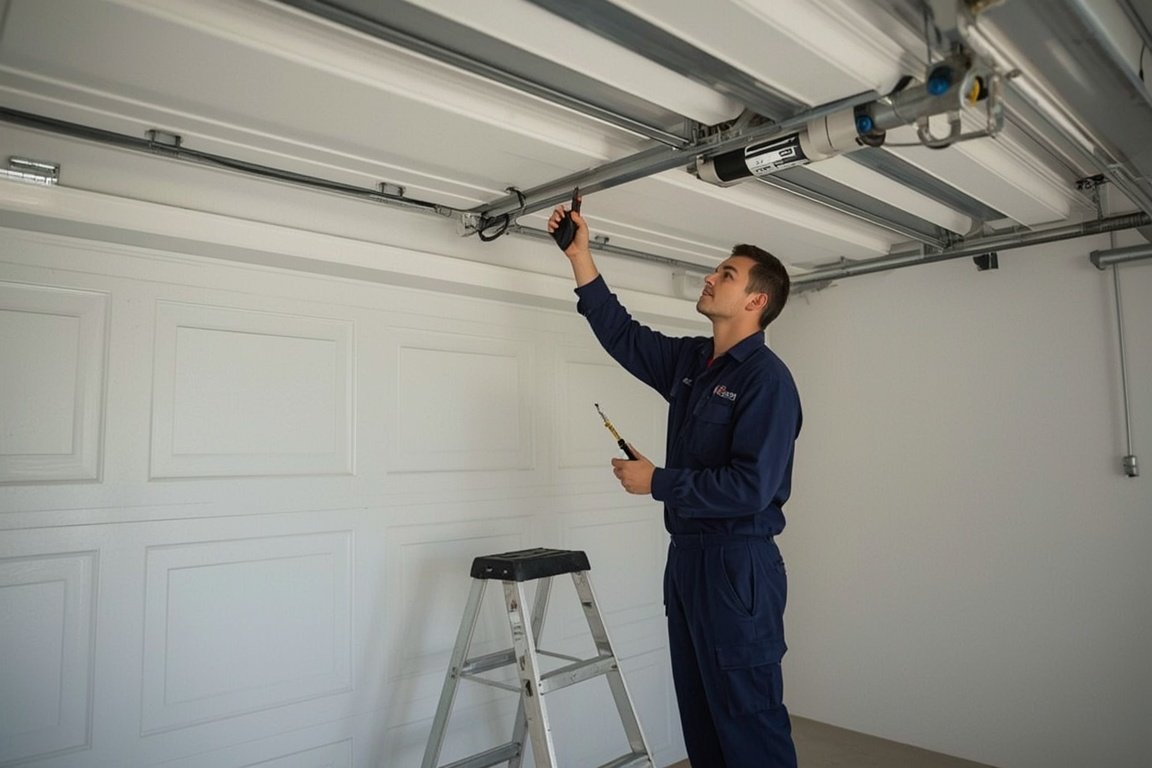
One of the most common signs that professional help is needed is when your garage door refuses to close or open properly despite clear weather and clean sensors. This could point to a malfunction in the sensor system itself or a more complex issue within the garage door's electrical components. In such cases, it's best to consult a technician who specializes in garage door repair. These professionals have the tools and experience to identify whether the problem lies with the sensors, the opener, or another part of the system.
Another situation that warrants professional attention is when you notice visible damage to the sensors or their wiring. Cracks in the sensor casing, frayed wires, or signs of water intrusion can compromise the functionality of the entire garage door system. Attempting to fix these issues without proper knowledge can lead to further damage or even pose safety risks. A trained technician can safely replace or repair the affected components, ensuring your garage door operates reliably and securely.
If your garage door system is older or has not been serviced in a long time, it might be time for a comprehensive inspection. Over time, wear and tear can affect not just the sensors but also other critical parts like springs, cables, and the opener. Scheduling a garage door tune-up can help catch potential problems early and extend the life of your system. Professionals can also recommend upgrades, such as installing weather-resistant sensors or improving ventilation, to prevent future fogging issues.
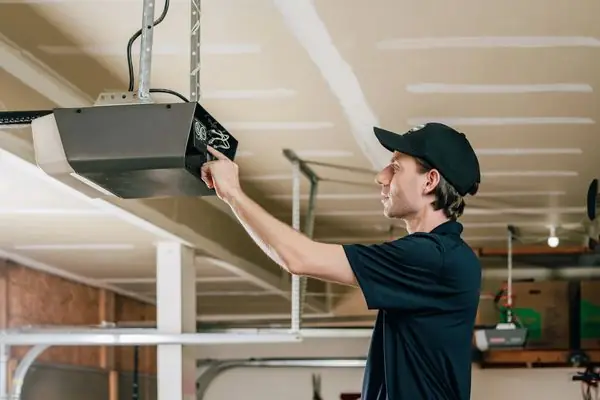
In some cases, the problem may not be with the sensors themselves but with the garage door opener or other connected systems. If you've recently experienced power surges, electrical issues, or inconsistent performance from your opener, it's wise to have a technician evaluate the entire setup. Services like garage door opener repair can restore proper function and ensure that your sensors are communicating effectively with the rest of the system.
Finally, if you're unsure about the cause of the fogging or feel uncomfortable performing maintenance tasks yourself, don't hesitate to reach out for help. Professional garage door technicians are trained to handle a wide range of issues and can provide peace of mind through accurate diagnostics and reliable repairs. Whether you need a simple fix or a more involved service, getting expert assistance can save you time, money, and frustration in the long run.
In conclusion, while regular maintenance can go a long way in preventing garage door sensor fogging, some situations are best left to the professionals. Persistent issues, visible damage, or lack of experience are all valid reasons to seek expert help. By addressing problems early and relying on skilled technicians, you can ensure your garage door system remains safe, efficient, and fog-free throughout the year.
In conclusion, preventing garage door sensor fogging is essential for maintaining the safety and functionality of your garage door system. By implementing simple measures such as regularly cleaning the sensors, ensuring proper alignment, using protective covers, and improving ventilation in your garage, you can significantly reduce the chances of fog-related malfunctions. Additionally, staying proactive with routine maintenance and considering weather-resistant sensor models can further enhance performance during humid or cold conditions. With these practical steps, you can keep your garage door operating smoothly and avoid the inconvenience and potential hazards caused by fogged sensors.
Skip the YouTube rabbit hole - we'll have a tech at your door same day across Broward, Dade and Palm Beach.