Garage door spring corrosion is a common issue that can lead to costly repairs and compromise the safety of your home. Understanding how to prevent garage door spring corrosion is essential for maintaining the longevity and performance of your garage door system. In South Florida's humid climate, moisture and salt in the air can accelerate rust and wear on metal components, especially garage door springs. Regular garage door maintenance, including proper lubrication and inspections, plays a key role in preventing corrosion and ensuring smooth operation. At GarageFL, we specialize in expert garage door repair, installation, and maintenance services tailored to the unique needs of South Florida homeowners. As a trusted, licensed, and insured company, GarageFL is committed to helping you protect your investment and keep your garage door functioning safely and efficiently. Call GarageFL for fast, reliable service today!
Understanding Garage Door Spring Corrosion
Garage door springs are essential components that bear the weight of the door and facilitate its smooth opening and closing. However, one of the most common and often overlooked issues affecting their performance and longevity is corrosion. Understanding what causes garage door spring corrosion is the first step toward effective prevention and maintenance. Corrosion is a natural process that occurs when metal reacts with environmental elements such as moisture, oxygen, and salt. Over time, this reaction leads to the formation of rust, which weakens the structural integrity of the springs and can ultimately cause them to snap or fail.
The primary culprit behind garage door spring corrosion is exposure to moisture. In humid climates or coastal areas, the air contains high levels of moisture and salt, which accelerate the rusting process. According to the U.S. Environmental Protection Agency (EPA), coastal regions experience higher rates of metal corrosion due to the presence of salt in the air, which acts as an electrolyte and speeds up the oxidation process. This makes homes near the ocean particularly vulnerable to garage door spring damage. Even in non-coastal areas, rain, snow, and condensation can introduce moisture into the garage environment, especially if the garage is not properly sealed or ventilated.
Another contributing factor is the lack of regular maintenance. Garage door springs are often neglected during routine home upkeep, leading to the accumulation of dirt, grime, and moisture. Without proper lubrication and cleaning, these contaminants can trap moisture against the metal surface, accelerating corrosion. Additionally, poor-quality materials used in some springs may lack protective coatings or galvanization, making them more susceptible to rust. Investing in high-quality, corrosion-resistant springs can significantly reduce the risk of premature failure.
Temperature fluctuations also play a role in the corrosion process. In regions with cold winters and hot summers, metal components expand and contract with temperature changes. This thermal cycling can cause micro-cracks in the protective coatings of the springs, allowing moisture to penetrate and initiate rust formation. Over time, these small cracks can grow, compromising the strength and functionality of the springs.
It is also important to consider the impact of garage door usage on spring corrosion. Springs that are frequently used are more likely to wear down their protective coatings due to friction and mechanical stress. This wear and tear expose the underlying metal to the elements, increasing the likelihood of corrosion. Homeowners who use their garage doors multiple times a day should be especially vigilant about inspecting and maintaining their springs.
To illustrate the various factors that contribute to garage door spring corrosion, consider the following examples:
- A beachfront property in Fort Lauderdale experiences rapid spring corrosion due to constant exposure to salty air and high humidity levels.
- A suburban home with poor garage insulation allows condensation to form on metal surfaces during winter, leading to rust on the springs.
- A homeowner neglects regular maintenance, resulting in dirt buildup and moisture retention on the springs, accelerating the corrosion process.
"Corrosion is responsible for nearly 50 percent of all metal failures in residential mechanical systems," according to a report by the National Association of Corrosion Engineers (NACE).
Understanding the signs of corrosion is crucial for early detection and prevention. Common indicators include visible rust, squeaking or grinding noises during operation, uneven door movement, and difficulty in opening or closing the garage door. If you notice any of these symptoms, it is advisable to consult a professional for a thorough inspection and potential garage door spring repair.
Preventing garage door spring corrosion involves a combination of proactive maintenance and environmental control. Regularly cleaning and lubricating the springs with a high-quality, non-corrosive lubricant can create a protective barrier against moisture. Ensuring proper ventilation in the garage helps reduce humidity levels, while installing weather seals can prevent water intrusion. For those living in coastal or high-humidity areas, using galvanized or stainless steel springs can offer enhanced resistance to corrosion.
In addition to DIY maintenance, scheduling periodic professional inspections can help identify early signs of wear and corrosion. Many homeowners in Fort Lauderdale and surrounding areas rely on trusted local services for comprehensive garage door tune-ups that include spring inspection, lubrication, and adjustment. These services not only extend the lifespan of your garage door system but also ensure safe and reliable operation.
For more information on garage door maintenance and corrosion prevention, you can refer to reputable sources such as:
- National Association of Corrosion Engineers (NACE)
- U.S. Environmental Protection Agency (EPA)
- Family Handyman: Garage Door Maintenance Tips
If you are unsure about the condition of your garage door springs or need assistance with maintenance, do not hesitate to reach out to a professional. At GarageFL, we offer a wide range of services tailored to meet your specific needs. Whether you are looking for routine maintenance, emergency repairs, or a complete new garage door installation, our experienced technicians are here to help.
In conclusion, understanding the causes and consequences of garage door spring corrosion is essential for maintaining the safety and functionality of your garage door system. By recognizing the environmental factors, usage patterns, and maintenance practices that contribute to corrosion, homeowners can take proactive steps to protect their investment. Regular inspections, proper lubrication, and the use of corrosion-resistant materials are key strategies in preventing rust and extending the life of your garage door springs.
Common Causes of Spring Corrosion
Garage door spring corrosion is a common issue that can significantly reduce the lifespan and functionality of your garage door system. Understanding the root causes of this problem is essential for homeowners who want to maintain a reliable and safe garage door. One of the primary causes of spring corrosion is exposure to moisture. Garage doors are often located in environments where humidity levels fluctuate, especially in coastal or rainy regions. When metal springs are exposed to moisture over time, they begin to oxidize, leading to rust formation. This rust weakens the structural integrity of the springs, making them more prone to breakage and failure.
Another contributing factor is the use of low-quality or untreated metal in the manufacturing of garage door springs. Springs made from inferior materials are more susceptible to corrosion because they lack protective coatings that resist rust. Investing in high-quality, galvanized, or stainless-steel springs can help mitigate this risk. Additionally, garages that are not properly insulated or ventilated can trap moisture inside, creating a damp environment that accelerates the corrosion process. This is particularly problematic in older homes where the garage may not have been designed with modern moisture control in mind.
Chemical exposure is another lesser-known but significant cause of spring corrosion. Many homeowners store cleaning agents, fertilizers, and other chemicals in their garages. These substances can release corrosive vapors that settle on metal surfaces, including garage door springs. Over time, these vapors can eat away at the metal, leading to premature rusting. Regular cleaning and proper storage of chemicals can help reduce this risk.
Salt is another major culprit, especially in regions where roads are salted during the winter months. Salt can be tracked into the garage by vehicles and then transferred to the springs. Once salt comes into contact with metal, it accelerates the oxidation process, leading to rapid corrosion. This is why it's important to regularly clean the garage floor and components of the garage door system during and after the winter season.
Lack of maintenance is also a significant factor in spring corrosion. Many homeowners overlook the importance of routine inspections and lubrication. Without regular maintenance, small amounts of rust can go unnoticed and eventually spread, compromising the entire spring system. Applying a silicone-based lubricant specifically designed for garage doors can create a protective barrier against moisture and reduce friction, which also helps in preventing wear and tear.
Environmental pollutants such as industrial emissions and acid rain can also contribute to the corrosion of garage door springs. These pollutants can settle on the metal surfaces and initiate chemical reactions that lead to rust. Homes located near industrial areas or in regions with high air pollution levels are particularly vulnerable. In such cases, more frequent maintenance and protective coatings become even more critical.
Improper installation or alignment of the garage door system can also lead to uneven stress on the springs, causing them to wear out faster and become more susceptible to corrosion. When springs are not properly balanced or aligned, they may rub against other metal components, creating friction that wears away protective coatings and exposes the raw metal to the elements. This is why professional installation and regular tune-ups are essential for the longevity of your garage door system. If you suspect your garage door springs are not functioning correctly, consider scheduling a garage door tune-up to ensure everything is in proper working order.
In some cases, the design and location of the garage itself can contribute to spring corrosion. For example, garages that are built below ground level or have poor drainage systems are more likely to experience moisture buildup. Water can seep in through cracks or accumulate on the floor, creating a damp environment that promotes rust. Ensuring proper drainage and sealing any cracks or leaks can help maintain a dry environment and protect your garage door components.
Another often overlooked factor is the age of the garage door system. Over time, even the best-maintained springs can begin to corrode simply due to age and prolonged exposure to environmental elements. If your garage door system is more than a decade old, it may be time to consider replacing the springs or even upgrading the entire system. A professional assessment can help determine whether a simple repair or a full replacement is necessary. For more information on repair options, visit our garage door repair page.
Lastly, physical damage to the springs can expose the inner metal to moisture and air, accelerating the corrosion process. Dents, scratches, or other forms of damage can compromise the protective coating on the springs, making them more vulnerable to rust. This type of damage can occur during storms, accidents, or even during routine use if the door is not properly maintained. Regular inspections can help identify and address these issues before they lead to significant corrosion.
In conclusion, garage door spring corrosion is caused by a combination of environmental factors, material quality, maintenance practices, and system design. By understanding these common causes, homeowners can take proactive steps to protect their garage door springs and extend the life of their entire garage door system. Whether it's through regular maintenance, using high-quality materials, or seeking professional help, addressing these issues early can save time, money, and ensure the safety and functionality of your garage. If you have questions or need assistance, feel free to reach out through our contact page.
Signs Your Garage Door Springs Are Corroding
One of the most critical components of your garage door system is the spring mechanism, which bears the weight of the door and ensures smooth operation. Over time, these springs can begin to corrode, especially in humid or coastal environments, leading to potential safety hazards and costly repairs. Recognizing the early signs of corrosion is essential to maintaining the longevity and functionality of your garage door. One of the first indicators is visible rust on the surface of the springs. This reddish-brown coating is a clear sign that oxidation has begun, which weakens the metal and reduces the spring's ability to function properly. You might also notice a squeaking or grinding noise when the door is in motion, which can be caused by rust interfering with the spring's movement. In some cases, the door may begin to open unevenly or jerk during operation, indicating that one spring is more affected than the other. Another telltale sign is a slower response time when opening or closing the door, as corroded springs lose their tension and efficiency. If you observe gaps in the spring coils or if the coils appear stretched or misshapen, this could be a result of corrosion weakening the metal. Additionally, if your garage door suddenly becomes heavier to lift manually or the automatic opener struggles to operate it, the springs may be compromised. Regular maintenance and inspections can help catch these issues early. Scheduling a professional garage door tune-up can ensure that any signs of corrosion are addressed before they lead to a complete spring failure. If you suspect your springs are already corroding, it is crucial to seek expert assistance. Attempting to repair or replace garage door springs without proper training can be dangerous. A professional technician can assess the extent of the damage and recommend whether a repair or full replacement is necessary. For those in need of immediate help, consider reaching out to a trusted provider for garage door spring repair services to restore your system's safety and performance.
Importance of Preventing Spring Corrosion
Preventing corrosion in garage door springs is essential for maintaining the overall functionality, safety, and longevity of your garage door system. Springs play a critical role in counterbalancing the weight of the door, allowing it to open and close smoothly. When these springs become corroded, their structural integrity is compromised, leading to increased wear, potential breakage, and even complete system failure. Corrosion typically occurs due to exposure to moisture, humidity, and fluctuating temperatures, especially during the spring season when rain and humidity levels rise. If left unchecked, rust can weaken the metal, causing the springs to snap unexpectedly, which poses a serious safety hazard to anyone nearby and can lead to costly repairs.
One of the most significant reasons to prevent spring corrosion is to ensure the safety of your household. A corroded spring is more likely to break under tension, and when it does, it can cause the garage door to slam shut suddenly. This not only risks damaging your vehicle or belongings but can also result in serious injury. Regular maintenance and timely inspections can help identify early signs of rust or wear, allowing for proactive measures before the problem escalates. Additionally, preventing corrosion helps maintain the balance and alignment of the garage door, reducing strain on the opener and other mechanical components. This can extend the life of your entire garage door system and minimize the need for frequent repairs.
From a financial perspective, addressing corrosion early can save homeowners significant money in the long run. Replacing a single spring is far less expensive than dealing with a complete system overhaul caused by neglected maintenance. Moreover, a well-maintained garage door system operates more efficiently, reducing energy costs and improving the overall performance of the door. For those living in coastal or humid environments, such as Fort Lauderdale, the risk of corrosion is even higher due to the salty air and moisture levels. In such cases, investing in corrosion-resistant materials and protective coatings becomes even more crucial.
Another important aspect of preventing spring corrosion is the impact it has on the convenience and reliability of your garage door. A malfunctioning door can disrupt your daily routine, especially if your vehicle becomes trapped inside or outside the garage. This inconvenience can be avoided by scheduling regular garage door tune-ups and inspections, which help ensure that all components, including the springs, are in optimal condition. These tune-ups often include lubrication, cleaning, and adjustments that can significantly reduce the risk of rust and corrosion.
Homeowners should also consider the aesthetic and property value implications of a well-maintained garage door system. A garage door that operates smoothly and looks well-kept contributes positively to curb appeal and can enhance the overall value of your home. On the other hand, a noisy, jerky, or malfunctioning door due to corroded springs can be a red flag for potential buyers and may lower the perceived value of the property. For those considering upgrades or replacements, exploring options like new garage door installation with corrosion-resistant features can be a smart long-term investment.
In conclusion, preventing garage door spring corrosion is not just about maintaining a functional door; it is about ensuring safety, saving money, enhancing convenience, and preserving property value. Regular maintenance, timely repairs, and investing in quality materials are key strategies in combating the effects of rust and moisture. For expert assistance and professional services tailored to your specific needs, consider reaching out through the contact page to schedule an inspection or maintenance appointment. Taking proactive steps today can prevent major issues tomorrow, ensuring your garage door remains safe, reliable, and efficient throughout the year.
Choosing the Right Type of Springs
When it comes to preventing garage door spring corrosion, selecting the appropriate type of spring is a critical first step. Not all springs are created equal, and choosing the right one can significantly extend the life of your garage door system while minimizing the risk of rust and deterioration. There are two primary types of garage door springs: torsion springs and extension springs. Torsion springs are mounted above the garage door and use torque to lift the door, while extension springs are located on either side of the door and stretch to provide lifting force. Torsion springs are generally more durable and offer better balance and control, making them a preferred choice for homeowners looking for long-term performance and corrosion resistance.
Material composition plays a vital role in the corrosion resistance of garage door springs. Springs made from galvanized steel are coated with a layer of zinc, which helps protect against moisture and rust. While galvanized springs are more resistant to corrosion than standard oil-tempered springs, they may not be as strong or long-lasting under heavy usage. On the other hand, oil-tempered springs are heat-treated and dipped in oil to improve their strength and durability, but they are more prone to rust if not properly maintained. For coastal areas or regions with high humidity, stainless steel springs are an excellent option due to their superior resistance to corrosion, although they come at a higher cost.
Another factor to consider is the spring's coating. Some manufacturers offer springs with additional protective coatings such as epoxy or polymer finishes. These coatings provide an extra barrier against moisture and corrosive elements, making them ideal for environments where the garage is exposed to rain, snow, or salty air. Investing in coated springs can be a cost-effective way to reduce maintenance needs and extend the lifespan of your garage door system.
The size and weight of your garage door also influence the type of spring you should choose. Heavier doors require stronger springs with higher tension ratings to operate efficiently. Using the wrong type or size of spring can lead to premature wear, increased strain on the garage door opener, and a higher risk of corrosion due to overuse. It is essential to consult a professional technician to determine the correct specifications for your garage door springs. If you are unsure about the right spring for your setup, consider scheduling a garage door tune-up to have a qualified expert assess your system and recommend the best solution.
In addition to selecting the right type of spring, it is important to consider the overall quality and brand reputation. High-quality springs from reputable manufacturers are typically made with better materials and undergo rigorous testing to ensure durability and corrosion resistance. While these springs may come at a slightly higher price, the long-term benefits in terms of reduced maintenance and fewer replacements make them a worthwhile investment.
If you are installing a new garage door or replacing an old one, it is the perfect opportunity to choose corrosion-resistant springs from the outset. Many modern garage door systems come with advanced spring options designed specifically to withstand harsh environmental conditions. When planning a new garage door installation, be sure to discuss spring options with your installer to ensure you are getting the most durable and corrosion-resistant components available.
Ultimately, choosing the right type of garage door spring is not just about functionality - it is about ensuring the longevity and reliability of your entire garage door system. By selecting springs that are appropriately rated for your door's weight, made from corrosion-resistant materials, and protected with quality coatings, you can significantly reduce the risk of rust and extend the life of your garage door. Regular maintenance and professional inspections will further help in identifying early signs of wear or corrosion, allowing for timely repairs and replacements. Taking these proactive steps will not only enhance the performance of your garage door but also provide peace of mind knowing that your home is secure and your investment is protected.
Applying Protective Coatings
One of the most effective ways to prevent garage door spring corrosion is by applying protective coatings. Garage door springs are typically made of metal, which makes them highly susceptible to rust and corrosion, especially in humid or coastal environments. A protective coating acts as a barrier between the metal and environmental elements such as moisture, salt, and dust. This barrier significantly reduces the risk of oxidation, which is the primary cause of rust. There are several types of protective coatings available, including oil-based lubricants, silicone sprays, and specialized anti-corrosion sprays designed specifically for garage door components. When applied correctly and consistently, these coatings can extend the life of your garage door springs and improve the overall performance of your garage door system.
Before applying any protective coating, it is essential to clean the springs thoroughly. Dirt, grime, and existing rust can prevent the coating from adhering properly, reducing its effectiveness. Use a wire brush or a clean cloth to remove any debris, and consider using a degreaser if the springs are particularly dirty. Once the springs are clean and dry, apply the protective coating evenly across the entire surface. Be sure to follow the manufacturer's instructions regarding application methods and drying times. Some coatings may require multiple layers for optimal protection, while others may need to be reapplied periodically, especially in areas with high humidity or frequent exposure to rain.
In addition to protecting the springs themselves, applying a protective coating can also help maintain the functionality of other metal components in your garage door system. Hinges, rollers, and tracks can all benefit from regular maintenance and protective treatments. This comprehensive approach not only prevents corrosion but also reduces friction and wear, leading to smoother operation and fewer mechanical issues over time. For homeowners who are unsure about the best products to use or how to apply them, professional garage door maintenance services can provide expert assistance. These services often include a full inspection and lubrication of all moving parts, ensuring that your garage door remains in top condition year-round.
It is also worth noting that not all protective coatings are created equal. Some products are specifically formulated for high-moisture environments and offer superior resistance to salt and humidity. Others may include additional features such as UV protection or temperature resistance, which can be beneficial in areas with extreme weather conditions. When selecting a protective coating, consider the specific environmental challenges in your area and choose a product that meets those needs. Consulting with a professional can help you make an informed decision and ensure that your garage door springs receive the best possible protection.
Regular maintenance is key to maximizing the benefits of protective coatings. Even the best products will wear off over time, especially with frequent use of the garage door. Establishing a maintenance schedule that includes periodic inspections and reapplication of the coating can help you stay ahead of potential issues. Many homeowners find it helpful to coordinate this maintenance with seasonal changes, such as before the onset of winter or during spring cleaning. This proactive approach not only extends the life of your garage door springs but also enhances the overall safety and reliability of your garage door system.
If you are considering professional help for maintaining your garage door springs, it is a good idea to explore available services that include protective coating applications. These services often come with the added benefit of expert assessments and tailored recommendations based on your specific garage door model and usage patterns. Additionally, if you are experiencing issues such as unusual noises or difficulty in opening and closing the door, it might be time to schedule a garage door tune-up. This can help identify early signs of corrosion or wear and address them before they lead to more significant problems.
In conclusion, applying protective coatings to your garage door springs is a simple yet highly effective strategy for preventing corrosion. By creating a barrier against moisture and other corrosive elements, these coatings help preserve the integrity and functionality of your garage door system. Whether you choose to handle the application yourself or enlist the help of professionals, regular maintenance and the right protective products can make a significant difference in the longevity and performance of your garage door springs. Taking these preventive measures not only saves you money on repairs but also ensures the safety and convenience of your home's garage access.
Lubrication Tips for Long-Lasting Springs
One of the most effective ways to prevent garage door spring corrosion and ensure their longevity is through proper and regular lubrication. Springs are constantly under tension and exposed to environmental elements such as moisture, dust, and temperature fluctuations. Without adequate lubrication, these factors can accelerate rust formation and wear, leading to premature failure. To maintain optimal performance and extend the life of your garage door springs, it is essential to use a high-quality silicone-based or lithium-based lubricant specifically designed for metal components. These types of lubricants form a protective barrier that repels moisture and reduces friction, which is crucial in preventing corrosion and minimizing noise during operation.
Before applying any lubricant, it is important to clean the springs thoroughly. Use a dry cloth or a soft brush to remove any accumulated dust, dirt, or old grease. This step ensures that the new lubricant adheres properly and functions effectively. Once the springs are clean, apply the lubricant evenly along the length of the spring, making sure to coat all coils. Avoid over-lubricating, as excess lubricant can attract more dirt and debris, which may counteract your efforts. A light, even coating is sufficient to provide the necessary protection and smooth operation.
It is recommended to lubricate your garage door springs at least twice a year, ideally before the onset of winter and summer. Seasonal changes can cause metal components to expand and contract, increasing the risk of corrosion and mechanical stress. Regular lubrication during these periods helps maintain the flexibility and resilience of the springs, ensuring they function efficiently regardless of the weather conditions. If you live in a coastal area or a region with high humidity, you may need to lubricate more frequently due to the increased risk of rust.
In addition to the springs, it is beneficial to lubricate other moving parts of the garage door system, such as hinges, rollers, and tracks. This comprehensive approach not only enhances the overall performance of the door but also reduces the strain on the springs, indirectly contributing to their longevity. For those who are unsure about the correct products or techniques to use, seeking professional assistance can be a wise decision. Many homeowners in Fort Lauderdale rely on expert garage door tune-up services to ensure their systems are properly maintained and lubricated.
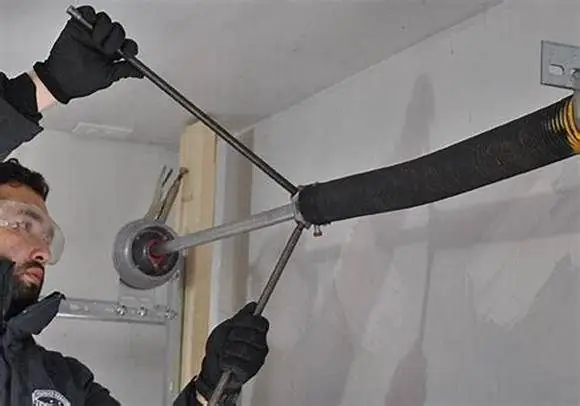
Using the right tools and safety precautions is also crucial when lubricating garage door springs. Always disconnect the power to the garage door opener before performing any maintenance to avoid accidental activation. Wear protective gloves and safety glasses to shield yourself from potential splashes or debris. If your garage door system is equipped with torsion springs, which are under high tension, it is advisable to leave the lubrication and maintenance to trained professionals. Mishandling these components can lead to serious injury or damage.
For homeowners looking to upgrade or replace aging components, investing in corrosion-resistant springs made from galvanized or stainless steel can offer long-term benefits. These materials are specifically designed to withstand harsh environmental conditions and require less frequent maintenance. When combined with regular lubrication, they provide a robust defense against rust and wear. If you are considering a system upgrade, explore options like new garage door installation to enhance both the functionality and aesthetic appeal of your home.
Moreover, keeping your garage environment clean and dry plays a supportive role in preserving the condition of your springs. Ensure that your garage is well-ventilated and free from excessive moisture. Installing a dehumidifier or weather seals can help control humidity levels and prevent water from seeping in during rainy seasons. Regular inspections of your garage door system can also help identify early signs of corrosion or wear, allowing for timely intervention before the problem escalates.
In conclusion, proper lubrication is a simple yet highly effective strategy to prevent garage door spring corrosion and extend their lifespan. By using the right products, following a consistent maintenance schedule, and addressing environmental factors, homeowners can ensure their garage doors operate smoothly and safely for years to come. For those seeking expert guidance or comprehensive maintenance, professional services are readily available to assist with all aspects of garage door care. Whether you need a routine check-up or a complete system overhaul, the team at GarageFL is equipped to provide reliable and efficient solutions tailored to your needs. Learn more about our full range of services and how we can help protect your investment.
Controlling Moisture in Your Garage
Moisture is one of the leading causes of garage door spring corrosion, and managing humidity levels inside your garage is essential to prolong the life of your door components. When moisture accumulates, it creates an environment conducive to rust and corrosion, especially on metal parts like springs, hinges, and tracks. To effectively prevent this, homeowners should focus on both reducing the sources of moisture and improving ventilation within the garage. Start by inspecting your garage for any water leaks or seepage, particularly around windows, doors, and the foundation. Even small cracks can allow water to enter and increase humidity levels. Sealing these gaps with weather-resistant caulking or sealant can significantly reduce moisture intrusion.
Another critical step is to ensure your garage is properly ventilated. Without adequate airflow, humidity can become trapped, leading to condensation on metal surfaces. Installing vents or using a dehumidifier can help maintain a balanced humidity level, especially in areas with high rainfall or humidity. In addition, consider using moisture-absorbing products like silica gel packs or desiccant containers, which are effective in small, enclosed spaces. These can be placed strategically around the garage to absorb excess moisture and reduce the risk of corrosion.
Flooring also plays a role in moisture control. Concrete floors can absorb and retain moisture, which then evaporates into the air and contributes to overall humidity. Applying a waterproof sealant to the garage floor can help prevent this. Additionally, using floor mats or rubber tiles can create a barrier between the floor and the air, further reducing moisture levels. It is also advisable to avoid storing wet items like umbrellas, snow-covered gear, or damp tools inside the garage, as these can introduce unnecessary moisture.
Proper insulation is another key factor in moisture control. Insulated garage doors and walls help regulate temperature and prevent condensation, which is a common source of moisture. If your garage lacks insulation, consider upgrading to an insulated garage door to enhance thermal efficiency and reduce humidity. This not only protects your garage door springs but also improves energy efficiency and comfort.
Regular maintenance is essential to keep moisture at bay. Scheduling a professional garage door tune-up can help identify early signs of corrosion or moisture damage before they escalate. Technicians can also apply anti-corrosion lubricants to the springs and other metal components, creating a protective barrier against moisture. These preventative measures are especially important in coastal areas where salt in the air can accelerate rusting.
Incorporating smart technology can also aid in moisture control. Smart garage door systems allow you to monitor and control your garage environment remotely. For instance, if you forget to close the garage door during a rainstorm, a smart system can alert you or automatically close the door, preventing water from entering. Upgrading to a smart garage door installation can be a valuable investment in protecting your garage and its components from moisture-related damage.
Ultimately, controlling moisture in your garage is a multi-faceted approach that involves sealing, ventilating, insulating, and maintaining the space. By taking these proactive steps, you can significantly reduce the risk of garage door spring corrosion and extend the lifespan of your entire garage door system. Regular inspections, timely repairs, and the use of modern technology all contribute to a moisture-free environment that keeps your garage functioning smoothly year-round.
Seasonal Maintenance Checklist
To effectively prevent garage door spring corrosion and extend the lifespan of your garage door system, implementing a seasonal maintenance routine is essential. Each season brings unique environmental challenges that can impact the condition of your garage door springs, from humidity and rain in the spring and summer to cold temperatures and moisture in the fall and winter. A comprehensive seasonal maintenance checklist helps you stay ahead of potential issues and ensures your garage door operates smoothly year-round.
Begin each season by visually inspecting the garage door springs for any signs of rust, wear, or damage. Look for discoloration, flaking, or a rough texture on the surface of the springs, which can indicate the early stages of corrosion. If you notice any of these signs, it may be time to seek professional assistance. Regular inspections can help you catch problems early before they escalate into costly repairs. For those in the Fort Lauderdale area, professional garage door spring repair services are available to address corrosion and other spring-related issues promptly.
Lubrication is another critical component of seasonal maintenance. Apply a high-quality, silicone-based lubricant to the garage door springs at least once every three months. This helps create a protective barrier against moisture and reduces friction, which can lead to wear and tear. Avoid using grease or oil-based lubricants, as they can attract dust and debris, exacerbating corrosion over time. Make sure to clean the springs with a dry cloth before applying lubricant to remove any accumulated dirt or grime.
In addition to the springs, inspect other components of the garage door system, such as the rollers, hinges, and tracks. These parts can also suffer from rust and should be cleaned and lubricated regularly. If you notice any broken or malfunctioning parts, consider scheduling a professional garage door tune-up to ensure all components are functioning correctly and safely.
Weather changes can also affect the balance and alignment of your garage door. Test the door's balance by disconnecting the opener and manually lifting the door halfway. If it stays in place, the springs are likely in good condition. If it moves up or down, the springs may be worn or improperly tensioned. An unbalanced door puts extra strain on the springs, increasing the risk of corrosion and failure. Addressing balance issues promptly can help prevent further damage.
Cleaning the garage door and its surroundings is another important seasonal task. Remove leaves, dirt, and debris from the tracks and around the base of the door to prevent moisture buildup. Moisture is a primary contributor to corrosion, especially in humid climates. Consider installing or replacing weather seals to keep water and humidity out of your garage. If your weather seals are cracked or missing, a professional garage door weather seal replacement can help maintain a dry and protected environment.
During the winter months, salt used for de-icing driveways can accelerate corrosion if it comes into contact with your garage door springs. Make it a habit to rinse off any salt residue from the garage door and its components. In the summer, high humidity levels can also promote rust, so ensure your garage is well-ventilated to reduce moisture levels.
Finally, consider scheduling a professional inspection at least once a year. A trained technician can identify potential issues that may not be visible to the untrained eye and provide expert maintenance to keep your garage door system in top condition. Regular professional checkups are especially important if your garage door is older or has experienced frequent issues in the past.
By following a seasonal maintenance routine, you can significantly reduce the risk of garage door spring corrosion and ensure the longevity and reliability of your entire garage door system. Whether you need a tune-up, weather seal replacement, or a complete inspection, the team at GarageFL is here to help. Learn more about our full range of services or get in touch through our contact page to schedule your seasonal maintenance today.
Using Rust-Resistant Materials
One of the most effective ways to prevent garage door spring corrosion is by choosing rust-resistant materials during installation or replacement. Springs are constantly exposed to environmental elements such as humidity, rain, and temperature fluctuations, all of which can accelerate the corrosion process. By selecting high-quality, rust-resistant materials, homeowners can significantly extend the lifespan of their garage door springs and reduce the need for frequent repairs or replacements.
Galvanized steel is one of the most commonly recommended materials for garage door springs due to its superior resistance to rust. This type of steel is coated with a layer of zinc, which acts as a protective barrier against moisture and oxygen - two primary contributors to rust formation. Unlike traditional steel springs, galvanized springs are less likely to degrade over time, making them a smart investment for long-term durability. Additionally, stainless steel springs, though more expensive, offer even greater resistance to corrosion and are ideal for homes located in coastal or high-humidity regions.
Another important consideration is the quality of the coating applied to the springs. Some manufacturers use a powder coating or specialized rust-inhibiting paint to further protect the metal from corrosion. These coatings not only enhance the spring's resistance to environmental factors but also improve its overall aesthetic appeal. When selecting springs, it is advisable to consult with a professional who can recommend the best material and coating based on your local climate and garage usage.
Incorporating rust-resistant materials is not limited to the springs alone. Other components such as cables, hinges, and rollers should also be made from or coated with rust-resistant materials to ensure the entire system remains functional and corrosion-free. For instance, opting for nylon-coated cables or stainless steel hinges can prevent rust from spreading to the springs through contact or proximity. This holistic approach to material selection can greatly enhance the performance and longevity of your garage door system.
Regular maintenance also plays a crucial role in preserving the integrity of rust-resistant materials. Even the most durable springs can suffer from wear and tear if not properly maintained. Scheduling a periodic garage door tune-up ensures that all components are inspected, lubricated, and cleaned, which helps maintain their rust-resistant properties. During these tune-ups, technicians can identify early signs of corrosion or material fatigue and take corrective action before the problem escalates.
For homeowners considering a complete upgrade, investing in a new system that incorporates rust-resistant components from the start is a wise decision. Modern garage door systems are designed with durability in mind and often include features that minimize exposure to moisture and other corrosive elements. If you are in the market for a new installation, consider exploring options like new garage door installation services that offer high-quality, corrosion-resistant materials as part of their standard offerings.
In conclusion, using rust-resistant materials is a proactive and cost-effective strategy to prevent garage door spring corrosion. By selecting galvanized or stainless steel springs, applying protective coatings, and ensuring that all related components are equally resistant to rust, homeowners can safeguard their garage doors against the damaging effects of corrosion. Coupled with regular maintenance and professional guidance, this approach not only enhances the functionality of the garage door but also contributes to the overall safety and value of the home.
When to Replace Corroded Springs
Recognizing the right time to replace corroded garage door springs is crucial for maintaining the safety, functionality, and longevity of your garage door system. Corrosion weakens the structural integrity of springs, making them more susceptible to breakage and failure. If left unaddressed, this can lead to sudden malfunctions, posing serious safety risks and potentially causing damage to your property or injury to individuals. One of the first signs that your garage door springs may need replacement is visible rust or flaking on the surface. This corrosion indicates that the protective coating has worn off, allowing moisture and air to degrade the metal. As the corrosion progresses, the springs lose their tension and elasticity, which can result in the door becoming unbalanced or difficult to open and close.
Another key indicator is unusual noises during operation. If you hear creaking, grinding, or snapping sounds when the garage door is in motion, it may be a sign that the springs are under stress due to corrosion. These noises often precede a complete failure, so it is important not to ignore them. Additionally, if your garage door opens unevenly or appears lopsided, it could be due to one spring bearing more load than the other, often a result of one spring being more corroded or worn out. This imbalance can strain the entire garage door system, including the opener and cables, leading to more extensive and costly repairs.
Regular inspections are essential for identifying corrosion early. Homeowners should visually inspect their garage door springs at least once every few months, especially in coastal or humid environments where corrosion is more likely. If you notice any signs of rust, pitting, or discoloration, it is advisable to consult a professional for a thorough assessment. In some cases, minor surface rust can be cleaned and treated with a rust inhibitor, but if the corrosion is extensive or the spring shows signs of weakening, replacement is the safest and most effective solution.
It is also important to consider the age of your garage door springs. Most springs have a lifespan of 7 to 10 years, depending on usage and environmental conditions. If your springs are approaching or have exceeded this timeframe, and you observe signs of corrosion, it is wise to proactively replace them before they fail. Preventive replacement not only ensures continued safe operation but also helps avoid emergency repairs and potential damage to other components of the garage door system.
Professional evaluation is highly recommended when dealing with corroded springs. Attempting to replace or repair springs without the proper tools and expertise can be extremely dangerous due to the high tension they are under. A trained technician can accurately assess the severity of the corrosion and determine whether replacement is necessary. They can also ensure that the new springs are properly installed and balanced, restoring optimal performance to your garage door.
In addition to replacing corroded springs, it is beneficial to schedule a comprehensive garage door tune-up. This service includes lubrication, alignment checks, and inspection of all moving parts, helping to prevent future corrosion and extend the life of your garage door system. If your garage door has experienced repeated issues due to corrosion or age, you might also consider exploring options for a new garage door installation, which can offer improved durability, energy efficiency, and modern features.
Ultimately, knowing when to replace corroded springs is about balancing safety, performance, and cost-effectiveness. By staying vigilant and addressing corrosion early, you can avoid unexpected breakdowns and ensure your garage door continues to operate smoothly and reliably for years to come.
Hiring a Professional for Inspection
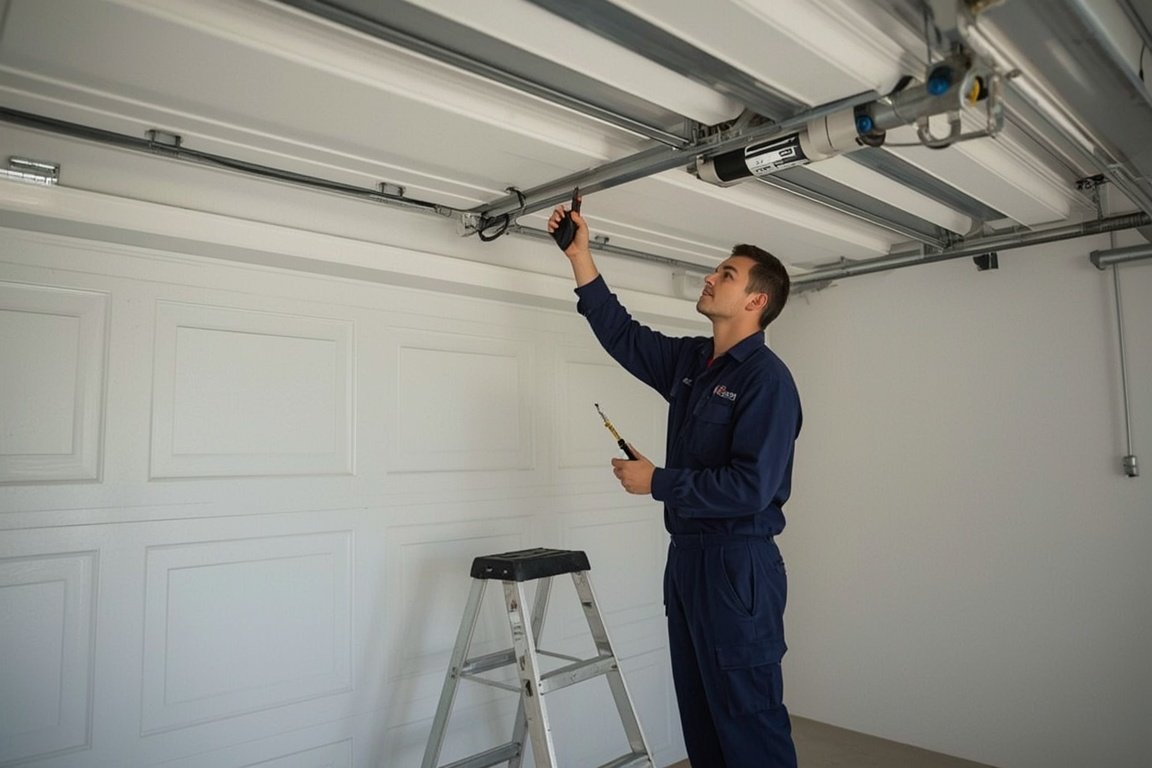
While regular maintenance and visual checks can go a long way in preventing garage door spring corrosion, hiring a professional for a thorough inspection is a critical step that should not be overlooked. Professionals bring a trained eye and specialized tools to detect early signs of rust, wear, and mechanical failure that may not be visible to the untrained homeowner. These experts can assess the overall condition of the garage door system, including the springs, cables, rollers, and tracks, ensuring that every component is functioning optimally and is protected against environmental factors that contribute to corrosion. A professional inspection typically includes checking for proper spring tension, alignment, and lubrication, as well as evaluating the integrity of protective coatings that shield metal parts from moisture and salt exposure. This is especially important in coastal areas like Fort Lauderdale, where high humidity and salty air can accelerate the corrosion process. By scheduling routine inspections, homeowners can identify and address minor issues before they escalate into costly repairs or complete system failures. Moreover, professionals can recommend and apply advanced anti-corrosion treatments or suggest upgrades such as insulated garage doors that offer better protection against the elements. In some cases, they may advise replacing outdated or damaged components with corrosion-resistant materials, ensuring long-term durability and performance. Additionally, professional services often include a comprehensive safety check, which is essential for preventing accidents caused by spring breakage or malfunction. For those considering a more robust solution, exploring options like hurricane-rated garage doors can provide enhanced resistance to both weather and corrosion. Ultimately, investing in professional inspections not only extends the life of your garage door springs but also enhances the safety, efficiency, and reliability of your entire garage door system.
DIY vs Professional Maintenance
When it comes to preventing garage door spring corrosion, homeowners often face the decision of whether to handle maintenance themselves or hire a professional. Both approaches have their merits, but understanding the pros and cons of each can help you make an informed choice that ensures the longevity and safety of your garage door system. DIY maintenance can be a cost-effective way to keep your garage door springs in good condition. Simple tasks such as cleaning the springs with a dry cloth, applying a silicone-based lubricant, and visually inspecting for signs of rust or wear can be done without specialized tools or training. These routine actions, when performed regularly, can help delay the onset of corrosion and maintain the smooth operation of your garage door. Additionally, homeowners who are comfortable with basic mechanical tasks may find satisfaction in taking a hands-on approach to home maintenance.
However, DIY maintenance also comes with limitations and risks. Garage door springs are under high tension and can be extremely dangerous if mishandled. Attempting to adjust or replace springs without the proper knowledge and tools can lead to serious injury or further damage to the door mechanism. Moreover, while surface-level inspections can identify visible rust or dirt, they may not detect deeper issues such as internal corrosion or structural fatigue. This is where professional maintenance becomes invaluable. Hiring a trained technician ensures that your garage door system is thoroughly inspected and maintained using industry-standard techniques and equipment. Professionals can identify early signs of corrosion that may not be visible to the untrained eye and can apply advanced treatments or coatings to protect the springs from moisture and environmental damage.
Professional services also offer the advantage of comprehensive care. For instance, during a scheduled garage door tune-up, technicians not only address the springs but also examine other critical components such as cables, rollers, and hinges. This holistic approach helps ensure that all parts of the system are functioning optimally and reduces the likelihood of unexpected breakdowns. Additionally, professionals can provide tailored advice based on your specific garage environment, such as recommending the best lubricants or corrosion-resistant materials for coastal or humid climates. While professional maintenance involves a financial investment, it often pays off in the long run by extending the life of your garage door system and preventing costly repairs.
Another important consideration is time and convenience. DIY maintenance requires a commitment to regular upkeep and the willingness to learn proper techniques. For busy homeowners, scheduling a professional service can be a more practical option. Many companies offer flexible appointment times and can perform maintenance quickly and efficiently. If you are unsure about the condition of your garage door springs or have noticed signs of wear, it may be wise to consult with a professional. Services like garage door spring repair in Fort Lauderdale are specifically designed to address corrosion and other spring-related issues, ensuring your door operates safely and reliably.
Ultimately, the choice between DIY and professional maintenance depends on your comfort level, experience, and the specific needs of your garage door system. While basic upkeep can be managed at home, professional inspections and repairs provide a higher level of assurance and safety. Regular maintenance, whether done independently or by a technician, is essential in preventing corrosion and preserving the functionality of your garage door springs. By staying proactive and informed, you can protect your investment and enjoy a secure, smoothly operating garage door for years to come.
Long-Term Benefits of Preventative Care
Investing in preventative care for your garage door springs offers a wide range of long-term benefits that go beyond just avoiding corrosion. One of the most significant advantages is the extension of your garage door system's overall lifespan. When springs are regularly maintained and protected from rust and environmental damage, they function more efficiently and are less likely to fail prematurely. This means fewer emergency repairs and a reduced need for early replacement, saving homeowners both time and money. Preventative care also enhances the safety of your garage door system. Corroded or weakened springs can snap unexpectedly, posing a serious risk to people and property. By implementing regular maintenance routines and protective measures, such as lubrication and moisture control, you significantly reduce the chances of sudden spring failure, ensuring a safer environment for your family.
Another key benefit is improved performance and reliability. Springs in good condition allow your garage door to open and close smoothly, reducing strain on the opener and other mechanical components. This not only makes daily operation more convenient but also minimizes wear and tear on the entire system. Over time, this can lead to fewer service calls and a more dependable garage door. Additionally, preventative care can help you identify and address minor issues before they escalate into major problems. For example, spotting early signs of rust or misalignment allows for timely intervention, which can prevent costly repairs down the line. Regular inspections and tune-ups are essential components of this proactive approach. Services like a professional garage door tune-up can ensure that all parts, including springs, are in optimal condition and functioning as intended.
From a financial perspective, preventative care is a cost-effective strategy. While it may involve some upfront investment in maintenance services or protective products, the long-term savings are substantial. Avoiding emergency repairs, extending the life of your components, and maintaining energy efficiency all contribute to lower overall ownership costs. Moreover, a well-maintained garage door system can enhance the value of your home. Potential buyers often view a smoothly operating, rust-free garage door as a sign of a well-cared-for property, which can be a selling point in competitive real estate markets. For those considering upgrades, options like new garage door installation can be more effective when paired with a solid preventative care routine, ensuring the new system remains in top condition for years to come.
Environmental factors, especially in coastal areas, can accelerate corrosion due to high humidity and salt in the air. Preventative care tailored to your local climate can mitigate these effects. Using weather-resistant materials, applying anti-corrosion coatings, and scheduling seasonal maintenance are all effective strategies. In regions like Fort Lauderdale, where weather conditions can be particularly harsh, taking these steps is even more critical. Homeowners can also benefit from professional advice and services tailored to their specific needs. Consulting with experts through resources like the contact page ensures that your preventative care plan is comprehensive and effective.
In summary, the long-term benefits of preventative care for garage door springs are multifaceted. They include enhanced safety, improved performance, cost savings, increased property value, and better adaptation to environmental conditions. By taking a proactive approach, homeowners can ensure that their garage doors remain reliable, efficient, and safe for many years.
Sure! Here's a suitable FAQ section for a blog post titled "How to Prevent Garage Door Spring Corrosion," incorporating relevant information:
Frequently Asked Questions (FAQ)
- Why do garage door springs corrode?
Garage door springs are typically made of metal, which makes them susceptible to rust and corrosion over time. Corrosion is primarily caused by exposure to moisture, humidity, and salty air - especially in coastal regions. Lack of regular maintenance can also accelerate the corrosion process.
- What are the signs of a corroded garage door spring?
Common signs include:
- Visible rust or discoloration on the springs
- Squeaking or grinding noises during operation
- Difficulty opening or closing the garage door
- Uneven door movement or sagging
- How can I prevent my garage door springs from rusting?
To prevent corrosion:
- Apply a silicone-based lubricant to the springs every few months
- Install a dehumidifier in your garage to reduce moisture
- Use weather stripping to seal out rain and humidity
- Consider upgrading to galvanized or coated springs for added protection
- How often should I lubricate my garage door springs?
It's recommended to lubricate your garage door springs every 3 to 6 months. Regular lubrication helps reduce friction, prevent rust, and extend the life of the springs.
- Can I use WD-40 to lubricate garage door springs?
While WD-40 can help remove rust, it is not ideal as a long-term lubricant. Instead, use a silicone-based or lithium-based garage door lubricant designed specifically for metal components.
- Should I replace corroded springs myself?
Garage door springs are under high tension and can be dangerous to replace without proper tools and experience. It's best to hire a professional technician to inspect and replace corroded springs safely.
- Are there corrosion-resistant garage door springs available?
Yes, some garage door springs come with a galvanized or powder-coated finish, which helps resist rust and corrosion. These are especially beneficial in humid or coastal environments.
- How does weather affect garage door spring corrosion?
Weather plays a significant role. High humidity, rain, and salty air can accelerate corrosion. Seasonal temperature changes can also cause metal to expand and contract, potentially weakening the springs over time.
- Can insulation help prevent spring corrosion?
Yes, insulating your garage can help regulate temperature and reduce moisture buildup, which in turn helps prevent rust on metal components like springs.
- What should I do if I suspect my garage door springs are corroded?
If you notice signs of corrosion or your garage door isn't functioning properly, stop using it and contact a professional technician. Continuing to use a door with damaged springs can be dangerous and may cause further damage.
This FAQ section can be added to the end of your blog post to provide readers with quick and helpful answers to common concerns about garage door spring corrosion.
Skip the YouTube rabbit hole - we'll have a tech at your door same day across Broward, Dade and Palm Beach.