Garage door track misalignment is one of the most common mechanical issues homeowners face, and it can cause serious safety risks if ignored. When the tracks are not properly aligned, the door may struggle to open or close, produce grinding noises, or even come off the track entirely. The good news is that you can prevent most alignment problems with regular maintenance and a few simple habits. In this 1000-word guide, we'll explain what causes track misalignment, the warning signs to look for, and how to prevent it to keep your garage door moving smoothly and safely.
What is garage door track misalignment?
Your garage door runs along two metal tracks on either side, guiding it up and down smoothly. These tracks must be perfectly parallel and securely fastened for proper operation. Misalignment occurs when one or both tracks become bent, loose, or out of sync, causing the rollers to move unevenly. This can lead to noisy operation, increased wear on parts, and even total system failure if not corrected quickly.
Common causes of track misalignment
- Loose hardware: Over time, vibration from daily use loosens bolts and brackets that secure the tracks to the wall and ceiling.
- Impact damage: Accidentally bumping the door with a car, ladder, or heavy object can bend or shift the tracks.
- Improper installation: Poor alignment during installation or use of low-quality materials can cause early misalignment.
- Worn rollers and hinges: Old or unlubricated rollers don't glide evenly, creating tension that pulls the track off balance.
- Temperature and humidity changes: Metal expands and contracts with temperature fluctuations, causing gradual misalignment.
Warning signs of a misaligned track
Detecting problems early is key to avoiding costly repairs. Watch for these warning signs:
- The door looks uneven or crooked when opening or closing.
- You hear grinding, scraping, or popping noises from the tracks.
- The door hesitates, jerks, or moves slower than usual.
- There are visible gaps between the rollers and track.
- You notice wear marks or dents along the track edges.
If you see any of these symptoms, stop using the door and inspect the track immediately. Continuing to operate a misaligned door can bend panels or damage the opener motor.
Step-by-step: How to prevent garage door track misalignment
1. Tighten hardware regularly
Loose screws and bolts are the most common cause of track movement. Every few months, inspect all the fasteners along the mounting brackets, hinges, and track supports. Use a wrench or socket set to tighten them securely, but be careful not to overtighten, which can strip threads or bend brackets.
2. Keep tracks clean and debris-free
Dirt, leaves, and cobwebs inside the tracks cause friction and can push rollers off course. Wipe the inside of each track with a damp cloth and mild soap, then dry completely. Avoid lubricating the track itself - lubrication should only go on the rollers and moving joints, not the sliding surface.
3. Lubricate moving parts properly
Use a silicone-based lubricant or white lithium grease on hinges, rollers, and springs every three to four months. This reduces friction and helps the rollers glide smoothly along the track without jerking or pulling. Avoid using WD-40, as it evaporates quickly and doesn't provide lasting protection.
4. Check alignment visually
Stand inside your garage and examine the tracks from front to back. Both sides should be parallel and evenly spaced from the door. Measure the distance from the track to the wall at several points - it should remain consistent. If you see gaps or uneven spacing, loosen the bolts slightly, tap the track into position with a rubber mallet, and retighten. If alignment issues persist, contact a professional technician.
5. Balance your garage door
An unbalanced door puts uneven pressure on the tracks and rollers, which eventually causes misalignment. To test the balance, disconnect the opener by pulling the emergency release cord. Lift the door manually halfway and release it - it should stay in place. If it falls or rises, the springs may need adjustment from a trained garage door expert. Never attempt to adjust torsion springs yourself - they are under extreme tension and can be dangerous.
6. Avoid accidental impacts
One of the fastest ways to misalign tracks is by hitting the garage door, even lightly. Always make sure your car is fully stopped before opening or closing the door. Keep ladders, tools, and bicycles away from the tracks to avoid dents or pressure. If you have young drivers or children, consider installing a parking aid like a hanging tennis ball or laser guide to prevent bumps.
7. Manage environmental factors
Extreme temperature changes can warp metal components. To minimize effects, ensure your garage is properly insulated. Weatherstripping along the bottom of the door also helps block moisture that causes rust and track shifting. In coastal or humid areas, wipe down tracks occasionally with a light coat of rust-preventive spray.
Pro Tip: Always perform a visual and operational check after storms or heavy winds. Strong vibrations or impacts from debris can slightly move the track mounts over time.Professional maintenance for long-term alignment
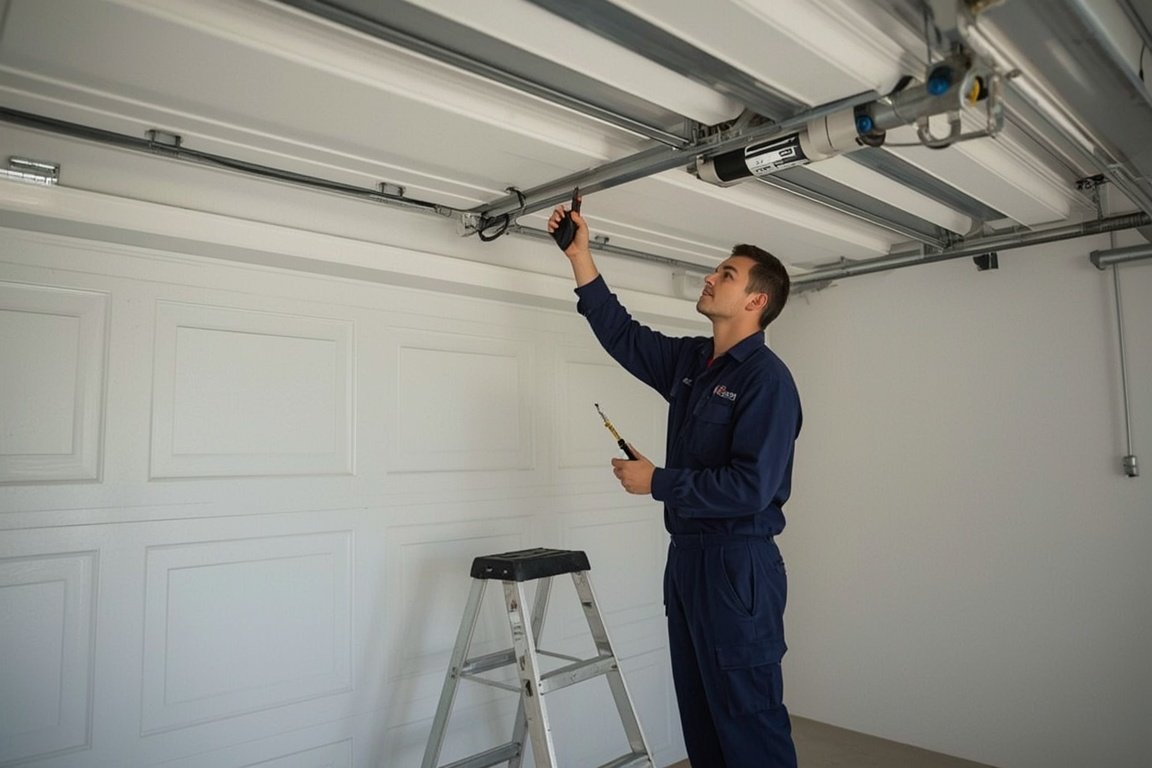
Even with good maintenance, professional servicing once a year is essential. A certified garage door technician can check for subtle alignment shifts, lubricate moving components, tighten hardware, and recalibrate the opener's force settings. They also inspect cables and springs to ensure even tension on both sides. This preventive tune-up reduces the chance of major track misalignment and extends the life of your door system.
What to do if misalignment already occurs
If your garage door becomes misaligned, do not force it closed or open - it can worsen the problem. Instead, disconnect the opener and leave the door partially open if it's safe to do so. Inspect the tracks for visible bends or obstructions. If minor, you may gently tap them back into position using a rubber mallet. However, if the door is jammed, the rollers have come off, or the track is visibly bent, call a professional immediately. Attempting DIY repairs on a heavily misaligned door can be hazardous due to the weight and tension involved.
Additional prevention tips
- Keep pets and children away from garage mechanisms to prevent accidental impacts.
- Check opener settings - too much force can pull the door off balance.
- Replace damaged rollers promptly to avoid unnecessary track strain.
- Inspect brackets for rust or corrosion that may weaken their hold.
- Schedule seasonal inspections, especially after long winters or storms.
Final thoughts
Preventing garage door track misalignment doesn't require advanced tools or training - just consistent attention and care. Tighten hardware, keep parts clean and lubricated, and inspect your tracks regularly. These small efforts go a long way toward keeping your door operating quietly, safely, and efficiently. Remember, prevention costs far less than repair, and a properly aligned door not only lasts longer but also enhances your home's safety and curb appeal. If you ever suspect misalignment or notice uneven motion, don't ignore it - address it early or call a professional from GarageFL to restore smooth performance.
Skip the YouTube rabbit hole - we'll have a tech at your door same day across Broward, Dade and Palm Beach.