Is your garage door making strange noises or getting stuck halfway? You might be dealing with a track obstruction - one of the most common yet preventable garage door issues. In this guide on How to Prevent Garage Door Track Obstructions, we'll show you how to keep your garage door running smoothly and safely. At Garage Door Pros', we've been helping South Florida homeowners since 2012 with expert repair, installation, and maintenance services they can trust.
The key to preventing track obstructions lies in regular inspection, proper lubrication, and keeping the tracks clean and aligned. This article covers essential tips like checking for debris, tightening loose hardware, and knowing when to call a professional. With over 450 five-star reviews, Garage Door Pros' has seen it all - and we're sharing our top insights to help you avoid costly repairs.
But that's just the beginning. Want to know what tools you need or how often to inspect your tracks? We've even included advice from industry expert Tom Wadsworth, editor of Door + Access Systems magazine. Let's dive into the must-know strategies that will keep your garage door gliding like new!
Understanding Garage Door Track Obstructions
Garage door track obstructions occur when debris, misaligned parts, or damaged components block the door's path. These issues disrupt smooth operation and can strain the opener. Over time, this leads to premature wear or complete failure.
The track system includes several key parts. Rollers glide along metal tracks, guided by brackets that hold everything in place. If any of these components bend, loosen, or break, the door may jam or derail. Even minor misalignments can cause major problems.
Common signs of obstruction include jerky or hesitant movement. You might also hear grinding or screeching noises during operation. In some cases, the door may close unevenly or stop mid-motion. These symptoms often point to a blockage or damaged track hardware.
Routine maintenance helps prevent these issues. If you notice any of these signs, consider scheduling a garage door tune-up. For more serious problems, professional garage door repair may be necessary. Addressing obstructions early ensures your system stays safe, quiet, and reliable.
Common Causes of Garage Door Track Obstructions
Obstructions often begin with simple debris buildup. Leaves, dirt, and small stones can lodge in the track, causing the door to jam. A homeowner in Fort Lauderdale recently found a bird's nest wedged in the lower track, halting operation entirely. Bent tracks are another frequent issue. A minor bump from a car or lawn equipment can warp the metal, forcing the rollers off alignment. Misaligned rollers also pose a problem. When rollers slip out of place, the door may shake or get stuck halfway.
Rust is a silent culprit. Over time, moisture corrodes the metal, weakening the track and rollers. One client needed a full garage door repair after rust caused the track to collapse. Weather changes contribute, too. Extreme heat or cold can expand or contract metal parts, leading to misalignment. Pest infestations are less obvious but equally damaging. Rodents or insects nesting inside the track can block movement.
Regular maintenance and a seasonal garage door tune-up can prevent most of these issues. Stay alert to early signs and act quickly to avoid costly repairs.
Importance of Preventing Track Obstructions
Neglecting track obstructions can severely damage your garage door system. Misaligned or blocked tracks strain the opener and rollers. Over time, this leads to premature wear and costly breakdowns. In extreme cases, the door may derail or collapse entirely.
Safety is another critical concern. A jammed door can fall unexpectedly, posing serious risks to children and pets. Even minor obstructions can cause the door to reverse suddenly, creating unpredictable hazards. Regular inspections help avoid these dangerous scenarios.
Financially, prevention is far more affordable than repairs. Routine tune-ups and cleaning cost significantly less than replacing damaged components. Ignoring small issues often leads to expensive fixes, such as roller replacements or track realignment.
Moreover, a well-maintained system extends the life of your garage door. It also ensures smooth, quiet operation year-round. Don't wait for a breakdown to act. Preventive care protects your investment and your family.
Regular Inspection and Maintenance Tips
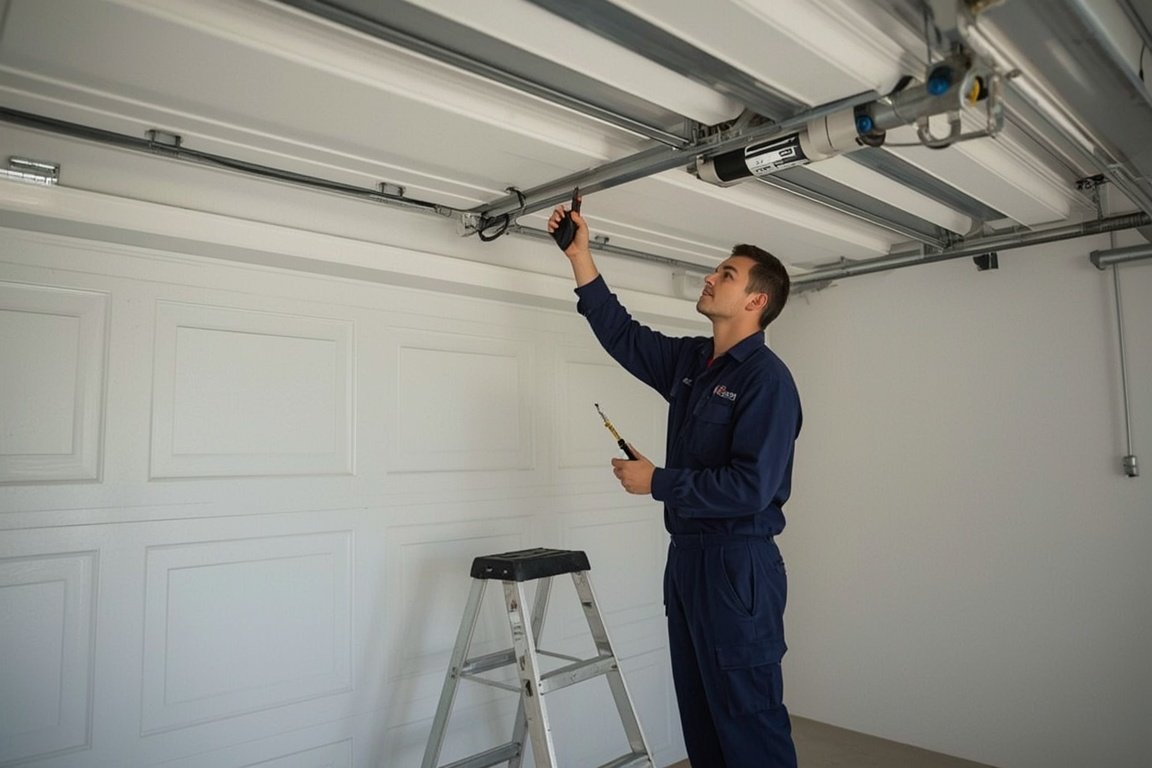
Start by disconnecting the garage door opener to manually operate the door. Open and close it slowly while observing the tracks. Look for any misalignment, gaps, or unusual resistance. Use a flashlight to check for dirt, rust, or debris buildup. Examine the rollers for wear and ensure they glide smoothly. Tighten any loose bolts or brackets along the track. Inspect the vertical and horizontal tracks for dents or warping.
Perform this inspection monthly for optimal performance. However, during seasonal changes, especially in humid or cold climates, increase the frequency. Weather can accelerate wear and corrosion.
Use this checklist during each inspection:
- Loose or missing bolts
- Dirt, debris, or grease buildup
- Rust or corrosion on metal parts
- Bent or misaligned tracks
- Worn or cracked rollers
If you notice any issues beyond basic cleaning or tightening, schedule a professional tune-up. Regular care extends the life of your system and prevents costly repairs. For persistent problems, consider our expert garage door repair services. Staying proactive ensures your garage door operates safely and efficiently year-round.
Cleaning and Lubricating the Tracks
Start by disconnecting the power to your garage door opener. Use a sturdy ladder and wear protective gloves. With a dry cloth, remove loose debris from the tracks. Then, spray a non-corrosive cleaner and scrub with a soft-bristle brush. Avoid using water directly, as it may cause rust. Dry the tracks thoroughly before applying any lubricant.
Choose a silicone-based or lithium-based lubricant. Avoid grease, as it attracts dust and grime. Apply a light coat inside the vertical and horizontal tracks. Focus on the curves where the door transitions. Do not over-lubricate - excess can lead to buildup and attract dirt.
Wipe away any drips or excess with a clean rag. Repeat this process every six months for optimal performance. If your door still sticks or squeaks, consider scheduling a garage door tune-up.
Regular maintenance prevents costly repairs. For persistent issues, explore our garage door repair services. Keeping your tracks clean and properly lubricated ensures smooth, quiet operation year-round.
Adjusting and Aligning the Tracks
Misaligned tracks often cause grinding noises or uneven door movement. Inspect both sides for gaps between the rollers and rails. If the door sticks or shifts while closing, alignment is likely off. Begin by loosening the mounting bolts with a socket wrench. Gently tap the track with a rubber mallet to reposition it. Use a level to ensure the track is perfectly vertical. Once aligned, tighten the bolts securely.
Repeat the process on the opposite side. Always disconnect the power before starting any adjustments. Wear gloves and safety glasses to protect yourself. Avoid forcing the track into place, as this can cause damage. If the track is bent or the door still binds, stop immediately.
Severe misalignments or damaged components require expert help. Attempting complex repairs without proper training can lead to injury or further damage. In such cases, contact a professional for garage door repair or a full garage door tune-up. Don't risk your safety - let trained technicians handle it. Regular maintenance helps prevent future issues and keeps your system running smoothly.
Preventive Measures to Avoid Obstructions
Regular cleaning is essential to prevent garage door track obstructions. Sweep the floor weekly and remove leaves, dirt, or clutter. Avoid storing items too close to the tracks. This ensures smooth operation and reduces the risk of damage. Install weather stripping along the bottom and sides of the door. It blocks out moisture, pests, and debris that can cause buildup. For added protection, consider pest barriers to deter rodents and insects from nesting near the tracks.
In regions with extreme weather, garage door covers or enclosures offer valuable protection. They shield components from rain, snow, and intense heat, extending the system's lifespan. These covers also help maintain indoor temperature, reducing energy costs. For long-term performance, schedule a seasonal garage door tune-up to catch early signs of wear.
If you notice unusual sounds or resistance, don't wait. A quick garage door repair can prevent major issues. Staying proactive keeps your garage safe, functional, and obstruction-free year-round.
When to Call a Professional
If your garage door jerks, stalls, or leans to one side, it's time to call a professional. Severe track misalignment, broken rollers, or recurring derailments are clear warning signs. Ignoring these issues can lead to costly damage or safety hazards. A certified technician will perform a full inspection, checking for worn components, loose hardware, and structural damage. They'll also test the door's balance and safety sensors.
Expect a detailed diagnosis and a clear explanation of the repair process. Reputable services often include a full garage door tune-up to prevent future issues. When choosing a technician, look for licensed, insured professionals with strong local reviews. Ask about warranties and response times. Avoid companies that offer vague pricing or pressure you into unnecessary upgrades.
For trusted service, explore our full range of garage door repair solutions. Whether it's a minor fix or a major overhaul, expert help ensures long-term performance and safety. Don't wait until the damage worsens - get the job done right the first time.
Seasonal Maintenance Checklist
Spring: Inspect tracks for debris and clean thoroughly. Check for rust and apply lubricant to moving parts. Tighten all bolts and screws. Test the door balance by disconnecting the opener and lifting manually. It should stay halfway open. If not, consider a garage door tune-up.
Summer: Heat can expand metal components. Inspect rollers and hinges for wear. Replace if needed. Ensure the opener sensors are aligned and clean. Test the auto-reverse function. If it fails, schedule a sensor repair immediately.
Fall: Remove leaves and dirt from the track. Inspect weather seals for cracks. Replace worn seals to prevent drafts. Lubricate springs and cables. Check the opener battery and replace if weak.
Winter: Cold temperatures can stiffen lubricants. Reapply a silicone-based lubricant. Inspect for ice buildup around the track. Tighten loose hardware. Test the door's response time. If sluggish, consider a motor repair.
Regular seasonal care ensures smooth operation and extends your garage door's lifespan.
Frequently Asked Questions (FAQs)
Obstructions often result from debris, rust, or misalignment. Dirt and leaves can easily clog the tracks. Regular cleaning and lubrication every three months help prevent buildup. Use a silicone-based lubricant for smooth operation and long-lasting protection. Avoid grease, as it attracts dust and grime.
If your track is slightly bent, you can attempt a DIY fix using pliers and a rubber mallet. However, for severe damage, contact a professional for garage door repair. Misalignment shows through jerky movement, loud noises, or uneven gaps between the door and frame.
Never operate a garage door with an obstruction. It can strain the opener and damage the system. Repair costs vary but typically varies based on scope and material depending on the issue. Replacement may be necessary if you notice excessive rust, warping, or repeated failures.
Weather changes can cause metal to expand or contract, leading to misalignment. To avoid pest-related blockages, seal gaps and schedule regular garage door tune-ups. Prevention is always more cost-effective than repair.
Skip the YouTube rabbit hole - we'll have a tech at your door same day across Broward, Dade and Palm Beach.