A rattling garage door can be more than just an annoying noise - it may be a sign of underlying issues that need attention. If you're wondering how to quiet a rattling garage door, you're not alone. Many homeowners across South Florida experience this common problem, especially with older or frequently used garage doors. Whether it's loose hardware, worn rollers, or unbalanced tracks, addressing the root cause early can prevent costly repairs down the line. At GarageFL, we specialize in expert garage door repair, installation, and maintenance services. As a trusted, licensed, and insured provider, GarageFL is committed to helping you restore peace and quiet to your home. For fast, reliable service, give us a call today and let our experienced technicians handle your garage door noise issues efficiently.
Identify the Source of the Rattling Noise
When dealing with a noisy garage door, the first and most crucial step is to pinpoint exactly where the rattling sound is coming from. Identifying the source of the noise allows you to apply the correct solution, ensuring that your garage door operates smoothly and quietly. A rattling garage door can stem from a variety of issues, ranging from loose hardware to worn-out components. Understanding these potential causes not only helps in resolving the noise but also prevents further damage to your garage door system.
Begin by observing when the rattling occurs. Does it happen during opening, closing, or both? Is the noise consistent or intermittent? These observations can help narrow down the possible culprits. For instance, if the noise occurs only when the door is moving, it might be related to the rollers, tracks, or opener mechanism. If the sound persists even when the door is stationary, it could be due to loose panels or hardware.
One of the most common sources of rattling is loose nuts, bolts, and screws. Over time, the constant movement and vibration of the garage door can cause these fasteners to loosen. A simple inspection with a wrench or screwdriver can help you identify and tighten any loose components. Pay special attention to the hinges, brackets, and track supports. These areas are particularly prone to loosening due to the stress they endure during operation.
Another frequent cause of rattling is worn or damaged rollers. Garage door rollers are responsible for guiding the door along the tracks, and when they wear out, they can produce a loud, rattling noise. Metal rollers, in particular, tend to be noisier than their nylon counterparts. If you notice that the rollers are wobbling or not rolling smoothly, it may be time to consider a garage door roller replacement.
The tracks themselves can also be a source of noise. If the tracks are misaligned or have accumulated debris, the door may rattle as it moves. Inspect the tracks for any bends, dents, or obstructions. Use a level to ensure they are properly aligned and clean them thoroughly to remove any dirt or grime that could be causing friction.
Springs and cables are other components that can contribute to a rattling sound. Torsion and extension springs are under high tension and can produce noise if they are worn or improperly adjusted. Similarly, frayed or loose cables can slap against the door or track, creating a rattling effect. If you suspect an issue with these parts, it is best to consult a professional for a safe and effective garage door spring repair or cable adjustment.
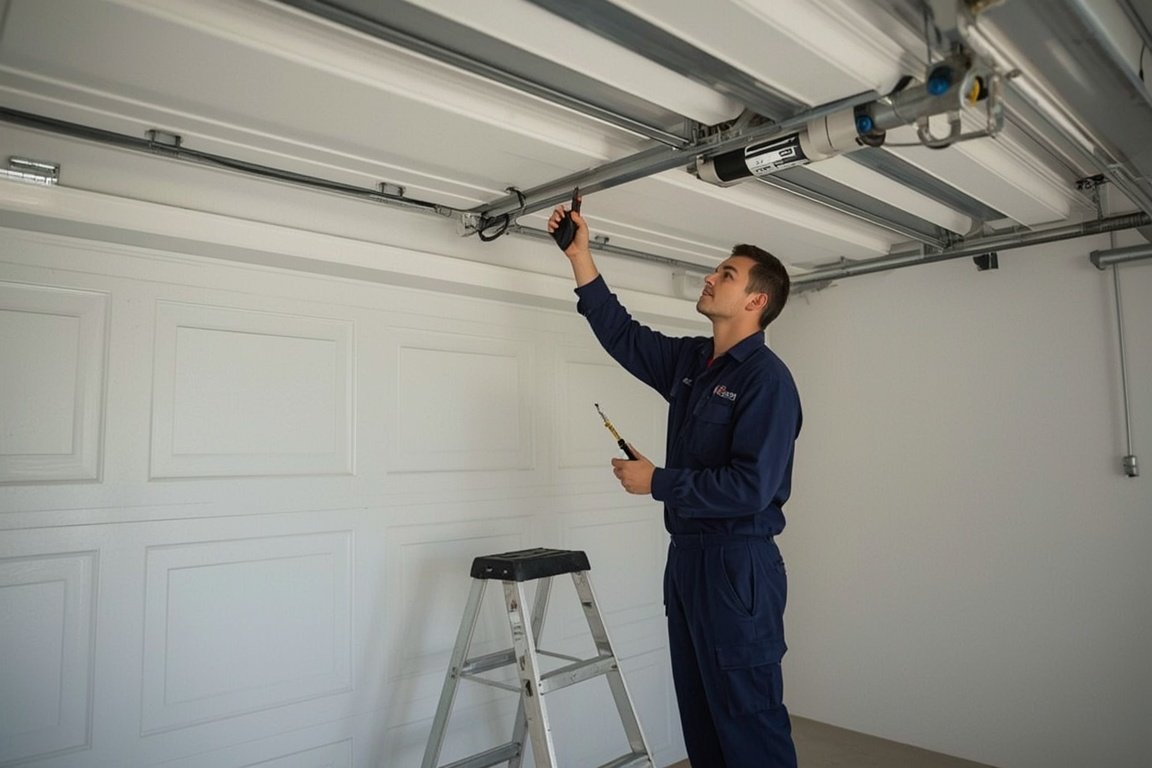
The garage door opener is another potential source of noise. Chain-driven openers, in particular, are known for being louder than belt-driven models. If the opener is the culprit, you might hear a rattling or grinding noise coming from the motor or chain. In such cases, a garage door opener repair or even a replacement with a quieter model might be necessary.
Weather stripping and insulation can also play a role in noise reduction. If the door lacks proper sealing, it may vibrate against the frame or allow external vibrations to enter. Adding or replacing the weather seal can help dampen these sounds and improve energy efficiency.
To systematically identify the source of the rattling noise, consider the following steps:
- Visually inspect all hardware for looseness or damage.
- Operate the door and listen carefully to pinpoint the area where the noise originates.
- Check the rollers for signs of wear or misalignment.
- Examine the tracks for debris, dents, or misalignment.
- Inspect the springs and cables for wear or improper tension.
- Listen to the garage door opener for any unusual sounds.
- Evaluate the condition of the weather stripping and insulation.
"According to the International Door Association (IDA), regular maintenance and inspection can extend the life of a garage door system and significantly reduce operational noise."
If you are unable to determine the source of the noise on your own, it may be time to schedule a professional inspection. A trained technician can perform a comprehensive evaluation and recommend the appropriate repairs or upgrades. For residents in Fort Lauderdale, our team at GarageFL offers expert garage door tune-up services designed to identify and resolve noise issues efficiently.
In some cases, upgrading to a modern, insulated, or smart garage door system can provide long-term noise reduction benefits. Insulated doors, for example, offer better soundproofing and durability. Learn more about our insulated garage door installation options to enhance both comfort and quietness in your garage.
For more information on garage door maintenance and noise reduction, you can refer to these helpful resources:
- International Door Association (IDA) - Offers guidelines and best practices for garage door maintenance.
- U.S. Department of Energy - Provides insights on insulation and energy efficiency, which also impact noise levels.
- Family Handyman - Step-by-step guide on fixing noisy garage doors.
If you have questions or need assistance, feel free to visit our FAQ page or contact us directly. Our experienced technicians are ready to help you restore peace and quiet to your garage.
Inspect the Garage Door Tracks
One of the most common causes of a rattling garage door is misaligned or dirty tracks. Over time, the metal tracks that guide your garage door can accumulate debris, become bent, or shift out of alignment due to regular use or environmental factors such as temperature changes and humidity. When this happens, the rollers may not glide smoothly, causing vibrations and rattling noises during operation. To address this issue, begin by visually inspecting the tracks on both sides of the door. Look for any signs of dirt buildup, rust, or physical damage. Use a damp cloth to wipe away dust and grime, and a vacuum to remove any loose debris lodged in the track. If you notice any dents or bends, gently tap them back into shape using a rubber mallet. However, be cautious not to apply excessive force, as this could worsen the damage.
Next, check the alignment of the tracks. They should be perfectly vertical and parallel to each other. Use a level to ensure accuracy. If the tracks are misaligned, loosen the mounting brackets slightly and adjust the track position until it is straight, then retighten the bolts. Misalignment can cause the rollers to bind or skip, leading to increased noise and wear on the system. It's also important to inspect the mounting brackets themselves. Loose or missing bolts can cause the tracks to vibrate, contributing to the rattling sound. Tighten any loose hardware and replace missing components as needed.
In some cases, the issue may stem from worn or damaged rollers rather than the tracks themselves. If the rollers appear cracked, chipped, or excessively worn, consider replacing them with quieter nylon rollers, which tend to produce less noise than their metal counterparts. This simple upgrade can significantly reduce operational noise and improve the overall performance of your garage door system.
For homeowners who are not comfortable performing these inspections or adjustments themselves, it's wise to seek professional assistance. A trained technician can perform a comprehensive evaluation and make precise adjustments to ensure optimal performance. You can explore our full range of services to find the right solution for your garage door needs. Additionally, if you're considering a more advanced or long-term solution to reduce noise, our team can guide you through options such as garage door noise reduction systems designed specifically for Fort Lauderdale homes.
Regular maintenance and timely inspections of your garage door tracks not only help in quieting a rattling door but also extend the lifespan of your entire garage door system. By addressing track issues early, you prevent more serious problems down the line, ensuring smooth and silent operation for years to come.
Tighten Loose Nuts and Bolts
One of the most common and easily fixable causes of a rattling garage door is loose nuts and bolts. Over time, the constant movement and vibration of the garage door can cause hardware to loosen, leading to unnecessary noise and potential safety hazards. To address this issue, begin by disconnecting the power to your garage door opener to ensure safety during inspection. Then, carefully examine all the components of your garage door system, including the tracks, hinges, brackets, and rollers. Use a wrench or socket set to tighten any loose nuts and bolts you find. Pay special attention to the brackets that hold the tracks to the walls and ceiling, as well as the bolts securing the opener unit to its mounting points. These areas are particularly prone to loosening due to the stress they endure during operation.
While tightening hardware, also inspect for any signs of wear or damage. If a bolt or nut appears stripped or rusted, it should be replaced immediately to maintain the integrity of the system. Additionally, check the hinges that connect the door panels. If these are loose or worn out, they can cause the door to shake and rattle during movement. Replacing old or damaged hinges can significantly reduce noise and improve the overall function of your garage door. For those who are not comfortable performing these tasks themselves, professional assistance is always an option. A thorough garage door tune-up by a trained technician can ensure that all components are secure and functioning properly.
It's also important to remember that regular maintenance can prevent these issues from recurring. Scheduling periodic inspections and tightening sessions can help keep your garage door operating smoothly and quietly. If you notice persistent rattling even after tightening all visible hardware, it may be a sign of a deeper issue within the system, such as a problem with the opener or the door's alignment. In such cases, seeking help from a professional garage door repair service can provide a more comprehensive solution. By addressing loose nuts and bolts promptly and maintaining a consistent maintenance routine, you can extend the life of your garage door and enjoy a quieter, more reliable operation.
Lubricate Moving Parts
One of the most effective ways to reduce or eliminate a rattling noise from your garage door is by properly lubricating all the moving parts. Over time, components such as rollers, hinges, springs, and tracks can become dry or accumulate debris, leading to friction and unwanted noise during operation. Regular lubrication not only quiets the door but also extends the lifespan of its mechanical parts by reducing wear and tear. Begin by selecting a high-quality, silicone-based or lithium-based garage door lubricant - avoid using WD-40 or other general-purpose oils, as they can attract dust and grime, worsening the problem over time.
Start with the rollers, which are often the primary source of rattling. If your garage door has metal rollers with unsealed bearings, apply lubricant directly to the bearings and the shaft. For nylon rollers, lubricate only the metal shaft, as applying lubricant to the nylon can cause damage. Next, move on to the hinges. Apply a small amount of lubricant to the pivot points where the hinges bend as the door opens and closes. This helps reduce the metal-on-metal contact that often causes squeaking or rattling.
The torsion springs and extension springs also benefit from lubrication. These springs are under high tension and play a crucial role in the smooth operation of your garage door. Apply lubricant along the length of the springs and allow it to penetrate the coils. This not only minimizes noise but also helps prevent rust and corrosion. Be cautious when working near the springs, as they can be dangerous if mishandled. If you are unsure about handling these components, consider scheduling a garage door tune-up with a professional technician.
Don't forget the tracks and the chain or belt drive of your garage door opener. While the tracks themselves should not be lubricated - since this can cause the rollers to slip - you should clean them thoroughly to remove any buildup of dirt or debris. For chain-driven openers, apply lubricant to the chain to reduce vibration and noise. Belt-driven systems typically require less maintenance, but a light application of lubricant can still help maintain quiet operation.
In addition to reducing noise, regular lubrication is a key part of preventative maintenance. It ensures that your garage door operates smoothly and efficiently, reducing the risk of unexpected breakdowns. If you notice persistent noise even after lubrication, it may be a sign of worn-out components such as rollers or hinges. In such cases, professional garage door repair services can help identify and resolve the issue before it worsens.
For homeowners in Fort Lauderdale and surrounding areas, maintaining a quiet and functional garage door is essential not only for comfort but also for safety. If you're unsure about which parts need lubrication or how often to perform this maintenance, you can always reach out to our team through our contact page for expert guidance. Regular care and attention to your garage door's moving parts can make a significant difference in its performance and longevity.
Check the Garage Door Rollers
One of the most common sources of a rattling garage door is worn or damaged rollers. These small but essential components guide the door along its tracks and help ensure smooth and quiet operation. Over time, garage door rollers can become worn, cracked, or misaligned, leading to excessive noise and vibration during opening and closing. If your garage door is making more noise than usual, inspecting the rollers should be one of your first steps. Start by visually examining each roller along the track. Look for signs of wear such as chipping, flat spots, or wobbling. Metal rollers without ball bearings tend to be noisier and may need to be replaced with quieter nylon rollers that include ball bearings for smoother movement. Nylon rollers are not only quieter but also require less maintenance and are more durable in the long run.
If you notice that the rollers are not spinning freely or appear to be sticking, they may need lubrication. Use a silicone-based lubricant specifically designed for garage doors to reduce friction and noise. Avoid using grease or oil-based products, as they can attract dust and debris, leading to further issues. Apply the lubricant directly to the roller bearings and the stem, then open and close the door a few times to distribute it evenly. However, if the rollers are severely worn or damaged, lubrication alone will not solve the problem. In such cases, replacing the rollers is the best solution to eliminate the rattling noise and restore smooth operation.
Replacing garage door rollers can be a complex task, especially if the rollers are attached to the bottom brackets, which are under high tension from the door's springs. For safety reasons, it is advisable to seek professional assistance for roller replacement. A qualified technician can safely remove the old rollers and install new ones without risking injury or causing further damage to the door system. If you are unsure about the condition of your rollers or how to replace them, consider scheduling a garage door roller replacement service to ensure the job is done correctly and safely.
In addition to checking the rollers themselves, it is important to inspect the tracks they run on. Dirty or misaligned tracks can cause the rollers to bind or make noise. Clean the tracks with a damp cloth to remove dust and debris, and use a level to ensure they are properly aligned. If the tracks are bent or damaged, they may need to be repaired or replaced. Keeping the tracks clean and aligned will help the rollers move smoothly and quietly, reducing overall noise.
Regular maintenance of your garage door system, including the rollers, is essential for long-term performance and noise reduction. Scheduling a routine garage door tune-up can help identify potential issues before they become major problems. During a tune-up, a technician will inspect all moving parts, including rollers, tracks, hinges, and springs, and perform necessary adjustments or replacements to keep your door operating quietly and efficiently.
If your garage door continues to rattle despite checking and maintaining the rollers, there may be other underlying issues such as loose hardware, worn hinges, or problems with the opener system. In such cases, a comprehensive inspection by a professional can help pinpoint the exact cause of the noise. For more information about available services or to schedule an appointment, you can visit the contact page and get in touch with a local expert who can assist you in restoring peace and quiet to your garage door system.
Replace Worn-Out Hinges
One of the most common causes of a rattling garage door is worn-out or damaged hinges. Hinges play a crucial role in the smooth operation of your garage door, connecting the panels and allowing them to move seamlessly along the tracks. Over time, these components can become loose, rusted, or even cracked due to constant use and exposure to the elements. When hinges are no longer functioning properly, they can create excessive noise during the door's movement, contributing to that annoying rattling sound. Replacing old hinges with new, high-quality ones is a practical and effective solution to restore quiet operation and improve the overall performance of your garage door.
Before replacing the hinges, it's essential to inspect them thoroughly. Look for visible signs of wear such as rust, cracks, or bending. Also, check if the screws are loose or missing. If you notice any of these issues, it's time to take action. Replacing hinges is a task that requires precision and the right tools. If you're not confident in your DIY skills, it's best to consult a professional technician who can ensure the job is done safely and correctly. For those who prefer expert assistance, consider exploring our garage door repair services to get your door back in top shape.
When selecting replacement hinges, make sure they are compatible with your specific garage door model. Using the wrong type can lead to improper alignment and further damage. Stainless steel or galvanized steel hinges are ideal choices as they offer durability and resistance to corrosion. During installation, each hinge should be securely fastened with the appropriate screws, and the door should be tested for smooth operation afterward. Proper alignment is key to preventing future noise and ensuring the longevity of your garage door system.
In addition to reducing noise, replacing worn-out hinges can enhance the safety and security of your garage. Damaged hinges can compromise the structural integrity of the door, making it more susceptible to accidents or break-ins. By addressing this issue promptly, you not only eliminate the rattling sound but also protect your property and loved ones. If you're unsure about the condition of your garage door components, scheduling a routine safety inspection can help identify potential problems before they escalate.
Regular maintenance is also vital in extending the life of your garage door hinges. Lubricating the hinges with a high-quality silicone-based lubricant can prevent rust and reduce friction, keeping the door operating quietly and efficiently. It's recommended to perform this maintenance at least twice a year or more frequently if you live in a coastal area where salt air can accelerate corrosion. For comprehensive care, consider a professional garage door tune-up to ensure all components, including hinges, are in optimal condition.
Ultimately, addressing worn-out hinges is a straightforward yet impactful step in quieting a rattling garage door. Whether you choose to tackle the replacement yourself or rely on expert technicians, taking prompt action will lead to a quieter, safer, and more reliable garage door system.
Examine the Garage Door Springs
One of the most common yet overlooked causes of a rattling garage door is worn or damaged springs. These components play a crucial role in the smooth operation of your garage door by counterbalancing its weight and ensuring it opens and closes with minimal effort. When springs begin to wear out, they can create excessive noise, including rattling, squeaking, or even loud bangs. To address this issue effectively, start by visually inspecting the springs for signs of wear such as rust, gaps in the coils, or uneven stretching. Torsion and extension springs are the two main types used in garage doors, and both can become problematic over time if not properly maintained. If you notice any visible damage or if the door seems unbalanced or difficult to lift manually, it may be time to consider professional assistance.
Attempting to repair or replace garage door springs on your own can be extremely dangerous due to the high tension they are under. A sudden release of this tension can cause serious injury or further damage to your garage door system. That's why it's highly recommended to consult with a trained technician who specializes in garage door spring repair. These professionals have the tools and expertise to safely assess the condition of your springs and determine whether a repair or full replacement is necessary. In many cases, a simple adjustment or lubrication can significantly reduce noise and restore smooth operation. However, if the springs are nearing the end of their lifespan, replacing them is the most effective long-term solution.
Regular maintenance is key to preventing spring-related noise issues. This includes periodic lubrication with a high-quality garage door lubricant, which helps reduce friction and wear. It's also important to schedule routine inspections as part of a comprehensive garage door tune-up to catch potential problems early. During these inspections, a technician can check the tension of the springs, ensure they are properly aligned, and make any necessary adjustments to keep your garage door operating quietly and efficiently. Ignoring spring issues not only contributes to noise but can also lead to more serious mechanical failures that are costly to repair.
In addition to mechanical wear, environmental factors such as humidity and temperature fluctuations can affect the performance of garage door springs. Rust and corrosion are common in coastal areas or regions with high moisture levels, which can weaken the metal and increase the likelihood of breakage. Applying a rust-inhibiting spray and keeping the garage well-ventilated can help mitigate these effects. If you live in an area prone to such conditions, it's even more critical to have your springs inspected regularly by a professional.
Ultimately, addressing spring issues is a vital step in reducing garage door noise and ensuring the longevity of your system. Whether you're dealing with minor rattling or more severe operational problems, taking the time to examine and maintain your springs can make a significant difference. For expert guidance and reliable service, consider reaching out through the contact page to schedule an inspection or repair. By staying proactive, you can enjoy a quieter, safer, and more efficient garage door for years to come.
Balance the Garage Door
One of the most overlooked yet critical steps in silencing a rattling garage door is ensuring that the door is properly balanced. An unbalanced garage door can cause excessive noise during operation, as well as place unnecessary strain on the opener and other mechanical components. Over time, this imbalance can lead to more serious issues, including premature wear and tear or even complete system failure. To determine if your garage door is balanced, disconnect the automatic opener by pulling the release handle and manually lift the door halfway. If it stays in place, the door is likely balanced. However, if it falls or rises on its own, the springs may be improperly tensioned, indicating an imbalance.
A misaligned or unbalanced door often results from worn-out or broken springs, which are essential for counterbalancing the weight of the door. If you suspect the springs are the issue, it is crucial to avoid attempting repairs yourself, as garage door springs are under high tension and can be dangerous. Instead, seek professional assistance to safely address the problem. You can explore expert garage door spring repair services to restore balance and ensure smooth, quiet operation.
In addition to spring issues, worn or damaged rollers and tracks can also contribute to an unbalanced door. These components should be inspected regularly for signs of wear, such as cracks, chips, or uneven movement. Replacing old rollers with high-quality nylon ones can significantly reduce noise and improve the door's balance. Similarly, ensuring that the tracks are clean, aligned, and free of obstructions will help maintain proper door movement. If you are unsure about the condition of these parts, consider scheduling a professional garage door tune-up to identify and resolve any underlying issues.
Balancing your garage door not only minimizes rattling but also enhances the overall efficiency and longevity of your garage door system. A well-balanced door operates more quietly, reduces stress on the opener, and improves safety. Regular maintenance, including checking the balance, lubricating moving parts, and tightening hardware, should be part of your routine to keep your garage door functioning optimally. If you continue to experience noise despite these efforts, it may be time to consult a professional technician who can perform a thorough inspection and recommend the best course of action.
Install Anti-Vibration Pads
One of the most effective yet often overlooked solutions for reducing garage door noise is the installation of anti-vibration pads. These pads are specifically designed to absorb and dampen the vibrations that occur when your garage door operates, which are a common cause of rattling sounds. When your garage door opens or closes, the motor and other mechanical components generate vibrations that can travel through the mounting hardware and into the structure of your home. Over time, these vibrations not only create noise but can also contribute to wear and tear on your garage door system. Anti-vibration pads act as a buffer between the motor and the mounting surface, significantly reducing the transmission of these vibrations and, consequently, the noise.
Installing anti-vibration pads is a relatively simple and cost-effective process that can make a noticeable difference in the overall sound level of your garage door. These pads are typically made from rubber or other dense, shock-absorbing materials and are placed under the mounting brackets of the garage door opener. By isolating the motor from the ceiling or wall, the pads prevent the vibrations from resonating through the structure, which is often the source of the rattling noise. This solution is especially beneficial for homes with living spaces adjacent to or above the garage, where noise can be particularly disruptive.
In addition to reducing noise, anti-vibration pads can also extend the lifespan of your garage door opener by minimizing the stress placed on its components. Constant vibration can loosen bolts, wear down parts, and lead to premature failure of the opener. By absorbing these vibrations, the pads help maintain the integrity of the system, reducing the need for frequent repairs or replacements. For homeowners looking to enhance the performance and longevity of their garage door system, this small investment can yield significant returns.
When selecting anti-vibration pads, it is important to choose high-quality products that are compatible with your specific garage door opener model. Some pads are designed for universal use, while others are tailored to particular brands or mounting configurations. If you're unsure about which type to purchase or how to install them correctly, it may be wise to consult a professional. At Garage Door Repair, our experienced technicians can help you select and install the right anti-vibration pads to suit your needs, ensuring optimal performance and noise reduction.
Moreover, incorporating anti-vibration pads into your garage door maintenance routine can complement other noise-reducing strategies, such as lubricating moving parts, tightening loose hardware, and replacing worn-out rollers or hinges. These combined efforts can transform a noisy, disruptive garage door into a smooth and quiet system. If you're considering a more comprehensive solution, our team also offers a full range of garage door services designed to improve functionality and reduce operational noise.
Ultimately, installing anti-vibration pads is a smart and practical step toward achieving a quieter garage door. Whether you're dealing with a persistent rattle or simply want to enhance the comfort of your home, this simple upgrade can make a big difference. For more information or to schedule a consultation, feel free to reach out through our contact page. Our team is here to help you enjoy a quieter, more efficient garage door system.
Add Weatherstripping for Noise Reduction
One of the most effective yet often overlooked methods to quiet a rattling garage door is by installing weatherstripping. While weatherstripping is commonly associated with insulation and energy efficiency, it also plays a significant role in reducing noise. When a garage door rattles, the sound is typically caused by vibrations and loose contact points between the door and its frame or floor. Weatherstripping acts as a cushion, absorbing these vibrations and minimizing the metal-on-metal or metal-on-concrete contact that generates noise. By sealing the gaps around the edges of the garage door, weatherstripping not only blocks out drafts and moisture but also dampens the sound of the door opening, closing, or shaking due to wind or mechanical movement.
There are various types of weatherstripping materials available, including rubber, vinyl, and foam. Each type serves a specific purpose and can be selected based on the level of noise reduction desired. For instance, rubber weatherstripping is highly durable and provides excellent sound insulation, making it ideal for homes located in noisy neighborhoods or near busy streets. Foam weatherstripping, on the other hand, is easier to install and can be a cost-effective solution for minor noise issues. Installing weatherstripping along the bottom, sides, and top of the garage door ensures a tight seal, which not only reduces rattling but also enhances the overall performance of the door.
Proper installation is key to maximizing the benefits of weatherstripping. Begin by thoroughly cleaning the surfaces where the weatherstripping will be applied to ensure strong adhesion. Measure and cut the material to fit the dimensions of your garage door, then attach it securely using nails, screws, or adhesive backing, depending on the type of weatherstripping chosen. Pay special attention to the bottom seal, as this is often the primary source of noise due to direct contact with the garage floor. Replacing an old or worn-out bottom seal with a new, high-quality one can significantly reduce the impact noise when the door closes.
In addition to noise reduction, weatherstripping contributes to the longevity of your garage door system. By preventing dust, debris, and moisture from entering the garage, it helps protect the mechanical components from wear and corrosion. This added protection can reduce the frequency of maintenance and repairs, saving homeowners both time and money in the long run. For those seeking professional assistance, scheduling a garage door tune-up can ensure that weatherstripping and other noise-reducing measures are properly implemented.
Moreover, weatherstripping enhances the comfort and usability of your garage space. Whether you use your garage for storage, as a workshop, or even as an additional living area, reducing noise can make the environment more pleasant and functional. It also adds a layer of privacy by muffling sounds from both inside and outside the garage. For homeowners interested in upgrading their garage door system for better performance and noise control, exploring options like insulated garage door installation can provide comprehensive benefits beyond just soundproofing.
In conclusion, adding weatherstripping is a simple yet highly effective strategy for quieting a rattling garage door. It not only reduces noise but also improves energy efficiency, protects against environmental elements, and extends the life of your garage door system. Whether you choose to install it yourself or seek professional help, incorporating weatherstripping into your garage maintenance routine is a smart investment for a quieter, more efficient home.
Upgrade to Quieter Garage Door Openers
One of the most effective ways to eliminate the persistent rattling and noise from your garage door is by upgrading to a modern, quieter garage door opener. Traditional chain-driven openers, while durable and cost-effective, are often the primary culprits behind loud and disruptive garage door operations. These older systems tend to vibrate more and produce significant noise due to their metal-on-metal contact and lack of advanced noise-dampening technology. In contrast, newer models such as belt-driven or direct-drive openers are specifically engineered for quiet performance, making them ideal for homeowners who value peace and quiet, especially if the garage is attached to the main living space or located near bedrooms.
Belt-driven garage door openers use a rubber belt instead of a metal chain, significantly reducing vibration and noise. These belts are reinforced with materials like steel to ensure durability while maintaining a smooth and silent operation. Direct-drive openers, on the other hand, have only one moving part - the motor itself - which travels along a stationary chain embedded in a steel rail. This design minimizes friction and mechanical noise, making it one of the quietest options available on the market. Both types of openers are excellent choices for homeowners looking to reduce the overall sound profile of their garage door system.
In addition to the mechanical advantages, many modern garage door openers come equipped with smart technology features that enhance convenience and security. These include Wi-Fi connectivity, smartphone control, battery backup systems, and motion-sensing lights. While these features may not directly impact noise levels, they contribute to a more efficient and user-friendly garage door system. For example, a smart opener can alert you if the door is left open or if there is an issue with the system, allowing for quicker maintenance and potentially preventing problems that could lead to increased noise over time.
When considering an upgrade, it is also important to evaluate the compatibility of the new opener with your existing garage door. Some older doors may require additional adjustments or reinforcements to work seamlessly with modern openers. Consulting with a professional technician can help ensure that the installation is done correctly and that the new system operates at peak performance. If you're unsure about the best type of opener for your specific needs, you can explore our range of garage door opener replacement services to find the perfect match for your home.
Another factor to consider is the condition of your current garage door components. Even the quietest opener will struggle to perform silently if the door itself is in poor condition. Worn-out rollers, loose hinges, or unbalanced springs can all contribute to excessive noise. Therefore, it's often beneficial to pair an opener upgrade with a comprehensive garage door tune-up to address any underlying issues that may be amplifying the sound. This holistic approach ensures that every part of your garage door system is working harmoniously to deliver a quieter and more reliable operation.
Upgrading your garage door opener is not just about reducing noise; it's also an investment in the overall functionality and longevity of your garage door system. Quieter openers tend to experience less wear and tear due to their smoother operation, which can extend the life of both the opener and the door itself. Additionally, the enhanced features and improved performance of modern openers can increase the value of your home, making it a worthwhile upgrade for both current comfort and future resale potential.
In summary, replacing your outdated garage door opener with a quieter, more advanced model is a highly effective strategy for eliminating rattling and noise. Whether you choose a belt-driven or direct-drive system, the benefits extend beyond sound reduction to include improved efficiency, enhanced safety, and greater convenience. By addressing both the opener and the overall condition of your garage door, you can create a quieter, more enjoyable environment for your home.
Perform Regular Maintenance Checks
Keeping your garage door operating quietly and efficiently requires consistent attention and care. One of the most effective ways to prevent and eliminate rattling noises is by performing regular maintenance checks. Over time, the components of a garage door system - such as rollers, hinges, springs, and tracks - can wear out or become misaligned, leading to unwanted vibrations and noise. By routinely inspecting these parts, you can catch early signs of wear and tear before they escalate into more serious issues. Start by visually examining the tracks to ensure they are free of debris and properly aligned. Misaligned tracks can cause the door to shake and rattle during operation. Use a level to check alignment and tighten any loose bolts or brackets that may have shifted over time.
Next, inspect the rollers, which are crucial for smooth door movement. Worn-out or damaged rollers often produce a grinding or rattling sound. If you notice flat spots or excessive wobbling, consider replacing them with high-quality nylon rollers, which are quieter and more durable than metal ones. Similarly, check the hinges for signs of rust, cracks, or looseness. Hinges that are not securely fastened can cause the door panels to vibrate, contributing to the noise. Lubricating all moving parts with a silicone-based lubricant can also significantly reduce friction and noise. Avoid using grease or oil-based products, as they attract dust and grime, which can worsen the problem over time.
Springs are another critical component to monitor. Torsion and extension springs bear the weight of the garage door and are under constant tension. If they become worn or unbalanced, they can cause the door to operate unevenly, leading to rattling sounds. While visual inspections can help identify rust or gaps in the coils, any adjustments or replacements should be handled by professionals due to the high risk of injury. If you suspect an issue with your springs, it's best to seek expert help through a trusted garage door spring repair service.
In addition to mechanical components, check the weather stripping and insulation around the door. Damaged or missing seals can allow wind and vibrations to pass through more easily, amplifying noise. Replacing worn weather seals not only helps in noise reduction but also improves energy efficiency by keeping out drafts and moisture. For homeowners in areas prone to extreme weather, investing in an insulated garage door can further enhance noise control and provide added protection.
Regular maintenance also includes testing the garage door opener. A malfunctioning opener can cause jerky movements and loud noises. Listen for unusual sounds during operation and observe if the door opens and closes smoothly. If the opener struggles or emits grinding noises, it may be time for a tune-up or replacement. Keeping the opener chain or belt properly tensioned and lubricated can also minimize operational noise. If problems persist, consider consulting a professional for a comprehensive inspection and possible upgrade to a quieter belt-drive system.
Scheduling periodic professional inspections is a wise investment in the longevity and performance of your garage door. Experts can identify hidden issues that may not be visible during a DIY check and provide specialized services like balance testing, sensor alignment, and motor diagnostics. Many homeowners opt for a seasonal garage door tune-up to ensure all components are in optimal condition. This proactive approach not only helps in quieting a rattling garage door but also extends the life of the entire system.
In conclusion, consistent maintenance is key to preventing and resolving garage door rattling. By dedicating time to inspect, clean, lubricate, and replace worn components, you can maintain a quieter, safer, and more efficient garage door system. Whether you handle the basics yourself or rely on professional services, staying proactive with maintenance will save you from costly repairs and ensure a peaceful home environment.
When to Call a Professional
If your garage door continues to rattle despite your best efforts to tighten loose hardware, lubricate moving parts, and inspect for visible damage, it may be time to call in a professional. Persistent rattling can be a sign of deeper mechanical issues that are not easily visible or fixable without the right tools and expertise. For example, worn-out rollers, misaligned tracks, or a malfunctioning opener can all contribute to excessive noise and may require specialized attention. Attempting to fix these components without proper knowledge can lead to further damage or even personal injury. Additionally, if your garage door is older or has not been professionally serviced in years, a thorough inspection by a trained technician can help identify hidden problems and prevent costly repairs down the line. In such cases, scheduling a garage door tune-up can be a smart preventative measure.
Another clear indicator that professional help is needed is when the rattling is accompanied by other symptoms such as jerky movements, uneven closing, or unusual resistance when opening or closing the door. These signs often point to issues with the torsion springs, cables, or motor - components that are under high tension and should only be handled by experienced technicians. For instance, a broken spring can cause your door to become unbalanced, making it not only noisy but also dangerous to operate. In such cases, contacting a specialist for garage door spring repair is essential to restore safe and smooth functionality.
Moreover, if your garage door has recently been exposed to extreme weather conditions or physical impact, it's wise to have it professionally assessed. Weather-related wear and tear can affect the door's insulation, alignment, and hardware integrity, all of which can contribute to persistent rattling. A professional can evaluate whether you need a simple repair or a more comprehensive solution like a new installation. If you're considering upgrading to a quieter and more efficient system, exploring options like insulated garage door installation can significantly reduce noise and improve energy efficiency.
Ultimately, while some minor garage door noises can be resolved with basic maintenance, ongoing rattling should not be ignored. Consulting with a professional ensures that the root cause is accurately diagnosed and safely repaired, giving you peace of mind and extending the lifespan of your garage door system.
Preventing Future Rattling Issues
To ensure your garage door remains quiet and operates smoothly over time, implementing preventive measures is essential. Regular maintenance is the cornerstone of avoiding future rattling issues. Begin by scheduling routine inspections to identify early signs of wear and tear. Components such as rollers, hinges, and tracks are particularly susceptible to loosening or damage, which can lead to unwanted noise. Lubricating these parts with a high-quality silicone-based lubricant every few months can significantly reduce friction and prevent squeaks and rattles. Additionally, tightening all nuts, bolts, and screws periodically ensures that vibrations do not cause parts to come loose over time.
Another key preventive step is to invest in high-quality components. If your garage door is older or has been repaired multiple times, consider upgrading to more durable parts. For instance, replacing metal rollers with nylon ones can drastically reduce noise levels. Similarly, installing anti-vibration pads or rubber buffers between the opener and the ceiling mount can help absorb operational vibrations. If your garage door opener is outdated, it might be time to explore a quieter model. A garage door opener replacement with belt-drive technology is often quieter and more efficient than traditional chain-drive models.
Weather conditions can also affect your garage door's performance. Extreme temperatures may cause metal parts to expand or contract, leading to misalignment and rattling. Installing proper insulation and weather seals can help maintain a stable internal environment, reducing the impact of temperature fluctuations. If your current door lacks insulation, consider an insulated garage door installation to enhance both energy efficiency and noise reduction.
It's also wise to pay attention to the garage door opener's settings. Incorrect force or travel limits can cause the door to slam shut or jerk open, leading to unnecessary strain on the system. Adjusting these settings according to the manufacturer's guidelines can help ensure smoother operation. Moreover, keeping the tracks clean and free of debris prevents obstruction and misalignment, which are common causes of rattling.
Homeowners should also consider professional tune-ups at least once a year. A trained technician can perform a comprehensive check-up, identifying potential issues before they escalate. Services like spring tension adjustment, cable inspection, and sensor alignment are best handled by professionals to ensure safety and effectiveness. If you're unsure about the condition of your garage door system, scheduling a garage door tune-up can provide peace of mind and prolong the lifespan of your door.
Incorporating smart technology can also play a role in preventing future issues. Smart garage door openers offer real-time monitoring and alerts, allowing you to detect unusual activity or performance issues early. These systems can be integrated with your home automation setup, offering both convenience and enhanced maintenance tracking.
Ultimately, preventing future rattling issues comes down to consistent care, timely upgrades, and professional support. By staying proactive and addressing minor problems before they become major repairs, you can maintain a quiet, efficient, and reliable garage door system for years to come.
Sure! Here's a suitable FAQ section for a blog post titled "How to Quiet a Rattling Garage Door," incorporating relevant and helpful information:
Frequently Asked Questions (FAQ)
Why is my garage door making a rattling noise?
Rattling noises in a garage door are often caused by loose hardware, worn rollers, unbalanced door panels, or vibrations from the opener. Over time, components like nuts, bolts, and hinges can loosen due to regular use, leading to noise during operation.What tools do I need to fix a rattling garage door?
Basic tools such as a wrench, screwdriver, socket set, and lubricant (like silicone spray or garage door-specific lubricant) are typically sufficient. You may also need a ladder and safety gloves for better access and protection.How can I tell if the rollers are causing the noise?
Worn or metal rollers can create a loud rattling or grinding sound. Inspect the rollers for signs of wear, cracks, or rust. If they appear damaged or excessively noisy during operation, consider replacing them with quieter nylon rollers.Can I fix a rattling garage door myself, or should I call a professional?
Many minor issues, such as tightening loose hardware or lubricating moving parts, can be handled by homeowners. However, if the problem involves the torsion springs, track alignment, or if you're unsure about the cause, it's best to consult a professional for safety reasons.How often should I maintain my garage door to prevent rattling?
Regular maintenance every 6 to 12 months can help prevent rattling and other issues. This includes tightening hardware, lubricating moving parts, inspecting rollers and tracks, and testing the door balance.Is it safe to lubricate all parts of the garage door?
Not all parts should be lubricated. Focus on rollers, hinges, springs, and tracks (if recommended by the manufacturer). Avoid lubricating plastic components or the opener's belt/chain unless specified. Always use a lubricant designed for garage doors.What if my garage door is still noisy after maintenance?
If the door continues to rattle after basic maintenance, the issue could be more complex - such as a misaligned track, worn opener parts, or structural issues with the door itself. In such cases, a professional inspection is recommended.Are there any upgrades that can help reduce garage door noise?
Yes, upgrading to nylon rollers, installing vibration isolators on the opener, and using a belt-drive opener instead of a chain-drive model can significantly reduce noise. Adding insulation to the door panels can also help dampen sound.
This FAQ section can be placed at the end of your blog post to address common reader concerns and provide additional value.
Skip the YouTube rabbit hole - we'll have a tech at your door same day across Broward, Dade and Palm Beach.