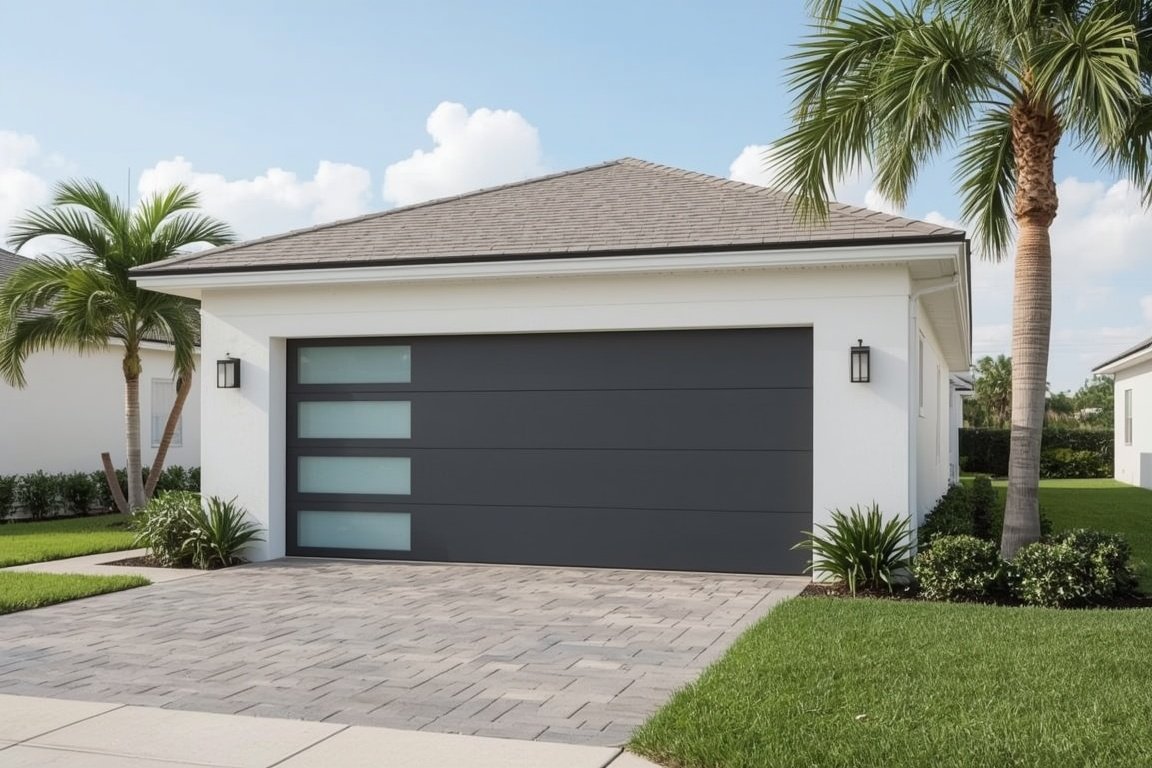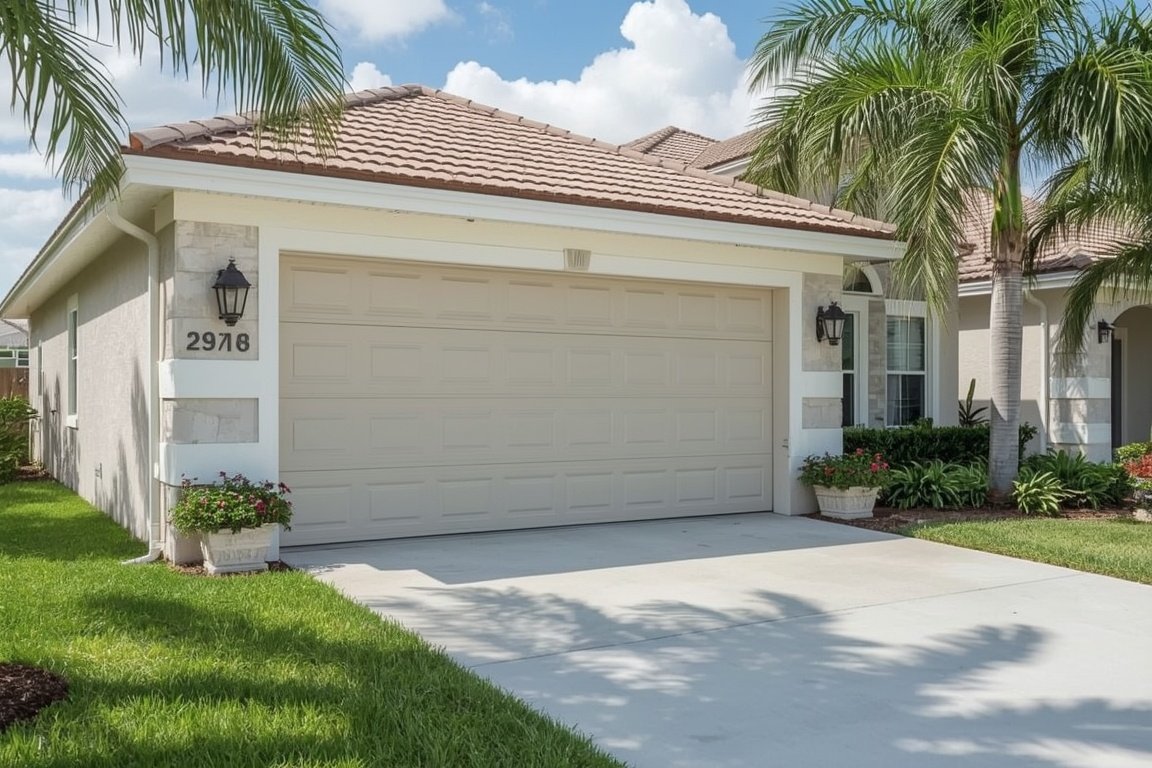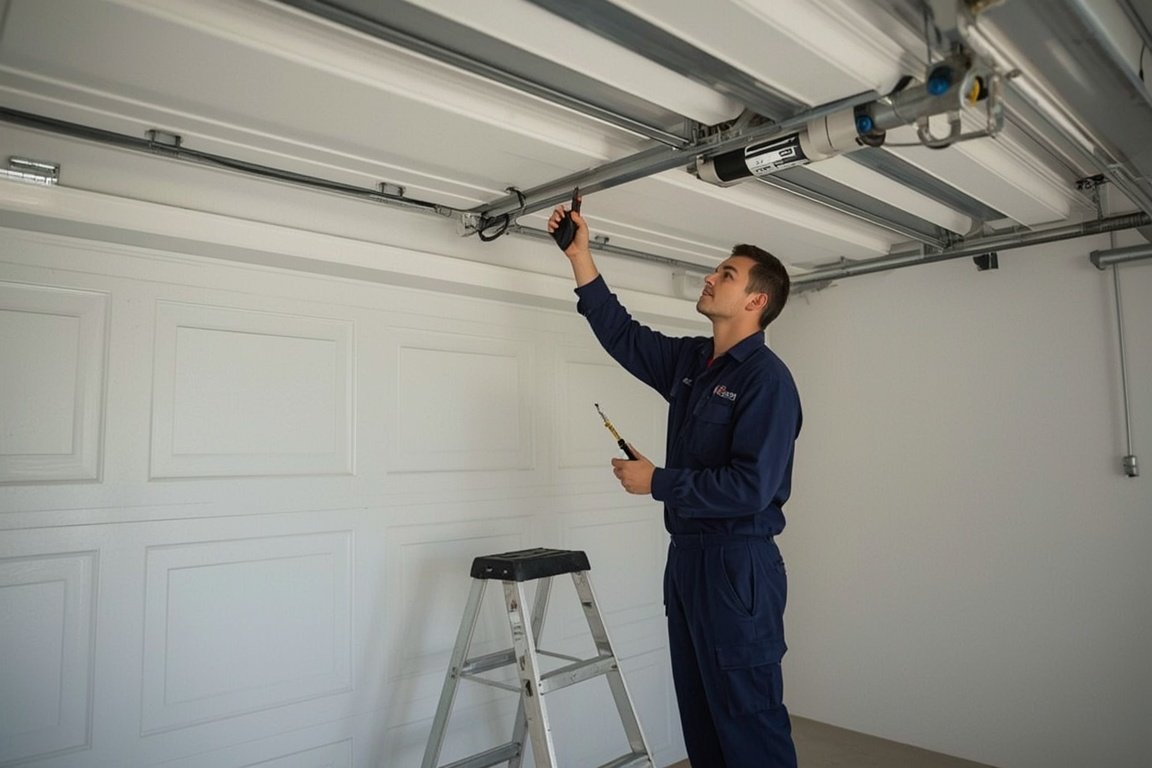
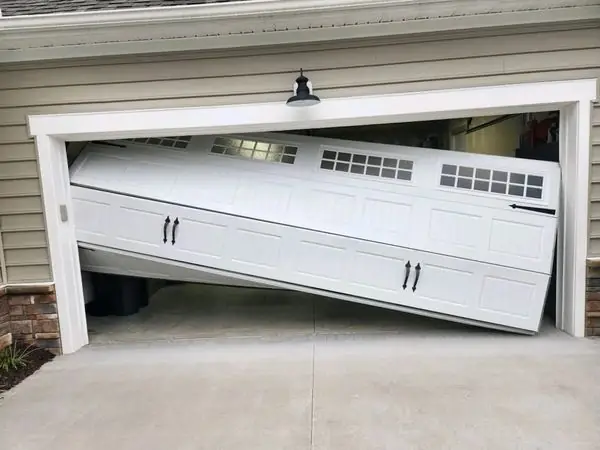
Your garage door is one of the most frequently used moving parts in your home. It opens and closes several times a day, providing security and convenience. Over time, this constant movement can cause wear and tear on its components - from the springs and rollers to the tracks and cables. If not properly maintained, this wear can lead to costly repairs or even complete door replacement. The good news is that with regular care and attention, you can significantly extend the life of your garage door. Here's how to reduce garage door wear and tear effectively.
1. Keep All Moving Parts Well-Lubricated
One of the simplest yet most effective ways to reduce wear and tear is regular lubrication. Every time your garage door moves, metal parts rub against each other, creating friction. Over time, this friction wears down the components. Applying the right lubricant helps everything move smoothly, reducing strain on the motor and other parts.
Use a high-quality silicone-based or lithium-based garage door lubricant. Focus on lubricating the following areas every few months:
- Hinges
- Rollers
- Springs
- Tracks
- Chains or belts (depending on your opener type)
After applying lubricant, open and close the door a few times to help distribute it evenly. Avoid using grease, as it can attract dust and debris, which can cause more problems over time.
2. Inspect and Tighten Hardware Regularly
Garage doors have many moving parts that experience vibration and movement daily. Over time, bolts, screws, and nuts can loosen, causing parts to misalign. Loose hardware can lead to extra stress on hinges and rollers, increasing wear.
Inspect your garage door every few months and use a wrench or screwdriver to tighten any loose bolts or screws. Pay close attention to the brackets holding the door tracks and the bolts connecting the door sections. Keeping everything tightly secured ensures smooth operation and prevents early damage.
3. Check the Door's Balance
A properly balanced garage door reduces strain on the opener and other components. When the door is out of balance, the opener has to work harder to lift and lower it, which can cause the motor to wear out faster.
To test the balance, pull the emergency release cord (usually a red handle) to disconnect the opener. Manually lift the door halfway. If it stays in place, it's balanced. If it falls or rises on its own, the springs need adjustment.
Do not attempt to adjust the springs yourself - they are under high tension and can be dangerous. Contact a professional garage door technician to handle any spring-related issues safely.
4. Keep the Tracks Clean and Aligned
The metal tracks guide your garage door as it moves up and down. Dirt, dust, and small debris can accumulate inside the tracks, causing the rollers to grind or stick. Misaligned tracks can also cause friction, leading to uneven wear on the rollers and opener.
Clean the tracks regularly with a damp cloth and remove any dirt or obstructions. Check to make sure both tracks are properly aligned and parallel. If you notice gaps or bends, call a professional to adjust them. Never try to hammer them into place, as this could cause more damage.
5. Test the Auto-Reverse Feature
Modern garage doors come with an auto-reverse feature for safety. This function makes the door automatically reverse if it encounters an obstacle. However, if this feature isn't working properly, the motor and other parts might experience unnecessary stress during operation.
To test the auto-reverse, place a solid object, such as a block of wood, under the door. Close the door using the remote. It should reverse immediately when it touches the object. If it doesn't, the sensors or opener settings may need adjustment. Cleaning the sensors and realigning them often solves the problem.
6. Avoid Excessive Use
Opening and closing the garage door too often in a short period can overwork the motor and springs. These parts are designed for a certain number of cycles (one cycle means one open and one close). Excessive use can wear out these components faster.
If you use your garage frequently, try to limit unnecessary openings. For example, plan ahead before running errands to avoid multiple trips. Small changes like this can significantly reduce strain on your garage door system.
7. Replace Worn-Out Weatherstripping
Weatherstripping seals the gap between the bottom of your garage door and the ground. It prevents dirt, water, and pests from entering the garage while cushioning the door as it closes. Over time, the rubber strip can crack or harden due to temperature changes, leading to poor sealing and uneven closing.
Inspect the weatherstripping every few months. If it looks worn or damaged, replace it immediately. New weatherstripping is affordable and easy to install. Keeping it in good condition not only protects your door but also improves energy efficiency.
8. Check and Maintain the Springs
Garage door springs are responsible for lifting most of the door's weight. Because they handle such heavy loads, they experience significant wear over time. When springs become weak or stretched, the opener motor has to compensate, leading to extra strain on the entire system.
If you notice the door moves unevenly, opens too slowly, or closes too quickly, the springs might need adjustment or replacement. Springs typically last 7 - 10 years, depending on usage. Always hire a trained technician to inspect or replace them, as working with springs can be dangerous without the proper tools and knowledge.
9. Keep Sensors Clean and Properly Aligned
The safety sensors at the bottom of your garage door ensure it doesn't close when something is in its path. When these sensors are misaligned or dirty, the door may struggle to close properly, causing repeated open and close cycles that wear out the motor.
Clean the sensors gently with a soft, dry cloth. Make sure they face each other directly and that the indicator lights are on. If one of the lights is blinking or off, realign the sensor until the light stays steady.
10. Protect the Door from Harsh Weather
Extreme temperatures and weather conditions can speed up garage door wear and tear. Heat can cause metal parts to expand, while cold weather can make them contract and become brittle. Rain, wind, and humidity can also affect wooden or steel doors over time.
To protect your door:
- Apply a protective coating or sealant to wooden doors annually.
- Repaint metal doors to prevent rust and corrosion.
- Install insulation panels to maintain temperature control inside the garage.
- Ensure proper drainage around your garage to prevent water damage.
11. Replace Rollers When Needed
Garage door rollers help the door glide smoothly along the tracks. Worn or cracked rollers can create extra friction, causing jerky movements and stressing other components. Inspect the rollers at least once a year. If you see signs of wear, chipping, or rust, it's time to replace them.
Nylon rollers are a great upgrade from metal ones - they're quieter and require less maintenance. Replacing worn rollers early can prevent costly damage to the opener and tracks later on.
12. Schedule Regular Professional Maintenance
While DIY maintenance goes a long way, it's equally important to have your garage door inspected by a professional at least once a year. Technicians can detect early signs of wear that you might miss, such as weakening springs, frayed cables, or misaligned components. They can also perform tune-ups and ensure everything is operating safely and efficiently.
Regular maintenance not only reduces wear and tear but also helps prevent unexpected breakdowns that could leave your door stuck open or closed.
Conclusion
Garage doors are built to last, but they need proper care to perform at their best. Simple actions like lubricating parts, checking balance, cleaning tracks, and scheduling maintenance can greatly extend the life of your door. By staying proactive and addressing small issues early, you'll save money on repairs, ensure safety, and keep your garage door running smoothly for years to come.
Remember, your garage door is more than just a convenience - it's an important part of your home's safety and daily comfort. Taking a little time to care for it properly will always pay off in the long run.
Skip the YouTube rabbit hole - we'll have a tech at your door same day across Broward, Dade and Palm Beach.