Every home has an impact on the environment. One way to reduce that impact is by improving the energy efficiency of your garage. A garage is often overlooked, but it can be a major source of heat loss or gain. By making small changes, you can save energy, lower your carbon footprint, and make your home more comfortable.
This guide explains simple ways to improve garage energy efficiency. It is written in a way that is easy for 7th - 8th grade students to understand.
Why Garage Energy Efficiency Matters
Many garages are attached to the house. If the garage is poorly insulated or sealed, heat can escape in winter and enter in summer. This makes your heating and cooling systems work harder, using more electricity or gas. More energy use means higher utility bills and a bigger carbon footprint. Improving your garage can reduce energy use and save money while helping the environment.
Even detached garages affect energy efficiency. If you use the garage for hobbies, storage, or a workspace, keeping it energy-efficient keeps it comfortable and reduces energy waste.
Upgrade Your Garage Door
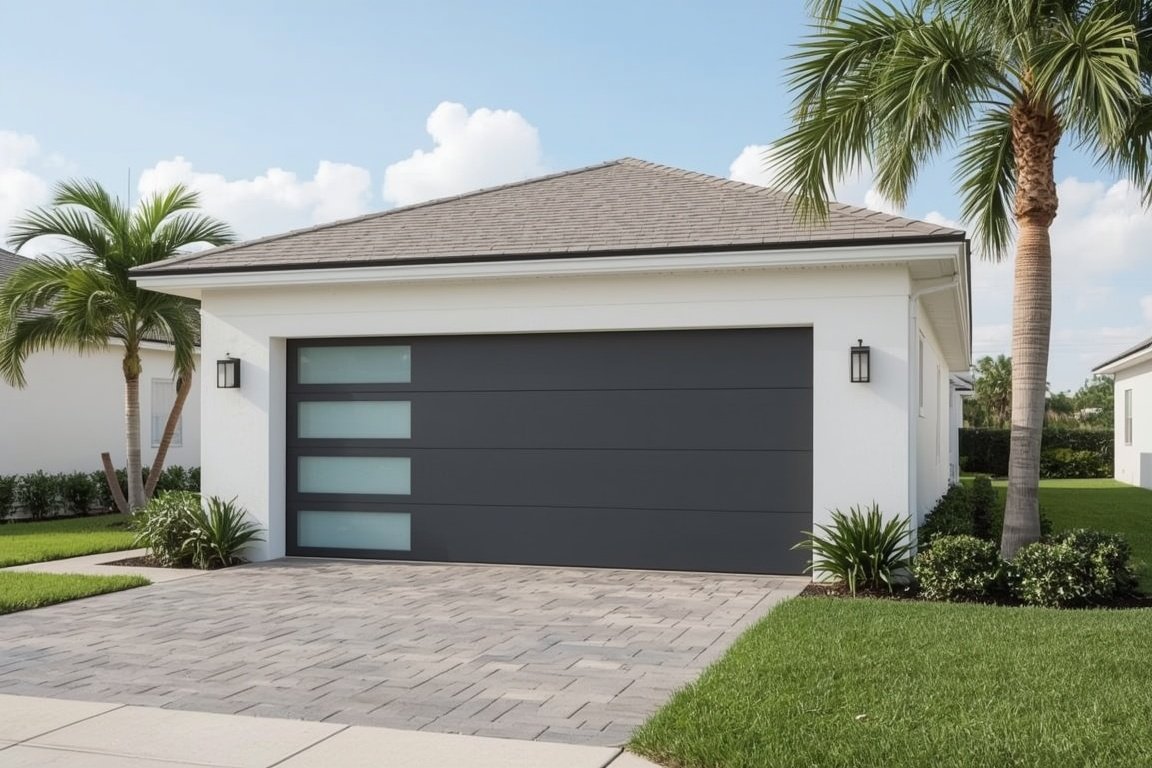
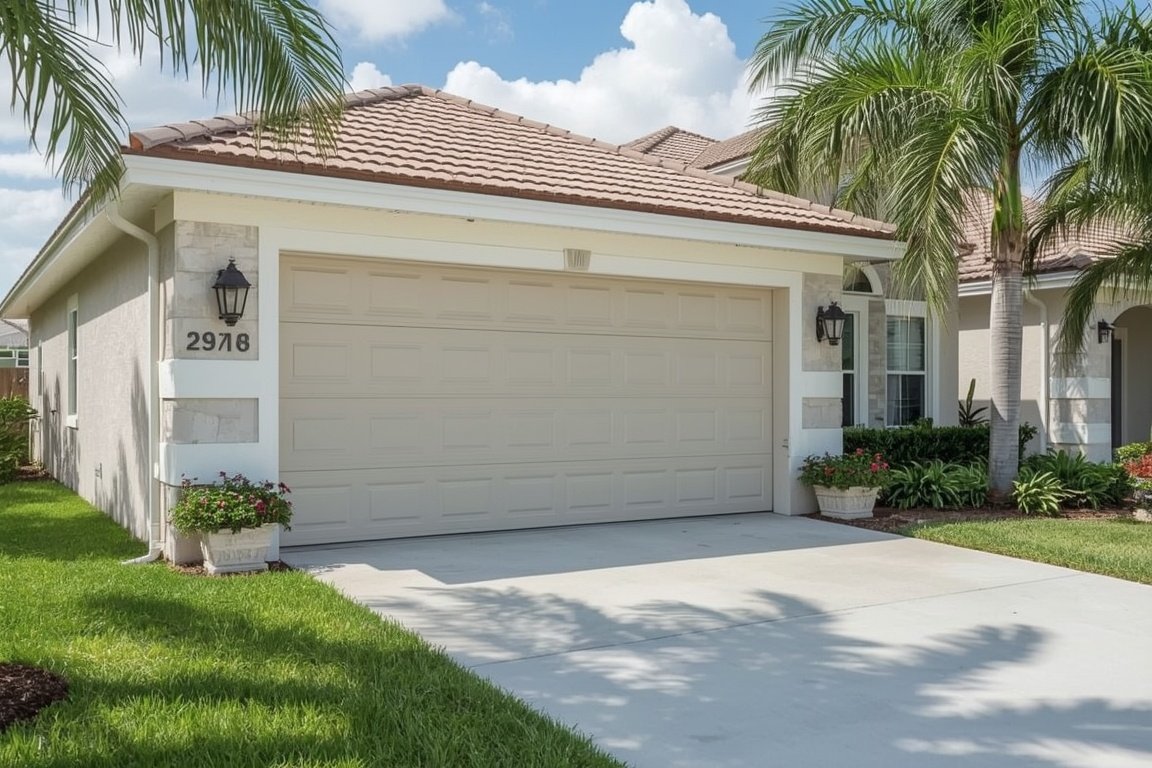
The garage door is the largest opening in your garage. An old, single-layer door lets heat escape and cold air in. Replacing it with an insulated door reduces energy loss. Modern insulated doors have layers of foam or other materials that help regulate temperature.
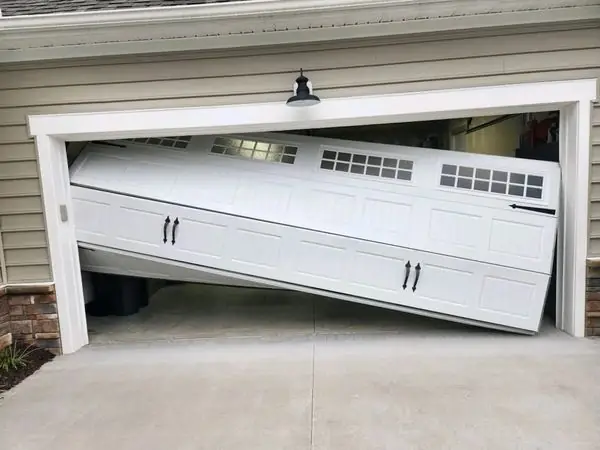
Also, make sure the door seals properly when closed. Weatherstripping around the edges prevents drafts and keeps the garage warmer in winter and cooler in summer.
Insulate Garage Walls and Ceiling
Insulation keeps heat from passing through walls and ceilings. Adding insulation to your garage reduces energy loss and maintains a stable temperature. Fiberglass batts, foam boards, or spray foam are common options. Even a thin layer can make a noticeable difference.
Insulating the ceiling is especially important if the garage is below living spaces. Heat rises, so insulation prevents energy from escaping into unused areas.
Seal Windows and Doors
Windows and side doors in the garage can leak air if they are not sealed. Use weatherstripping or caulk to seal gaps around frames. This prevents drafts and reduces energy waste.
Double-pane windows are another option. They reduce heat transfer, making your garage more energy-efficient and comfortable.
Upgrade Garage Lighting
Traditional incandescent bulbs use a lot of energy. Switching to LED or CFL bulbs reduces electricity use and lasts longer. LED lights also produce less heat, which helps keep the garage cooler in summer.
Use Energy-Efficient Appliances
If you have a freezer, refrigerator, or other appliances in the garage, make sure they are energy-efficient models. Older appliances use more electricity. Keeping them clean and well-maintained also improves performance and reduces energy waste.
Consider a Garage Door Opener Upgrade
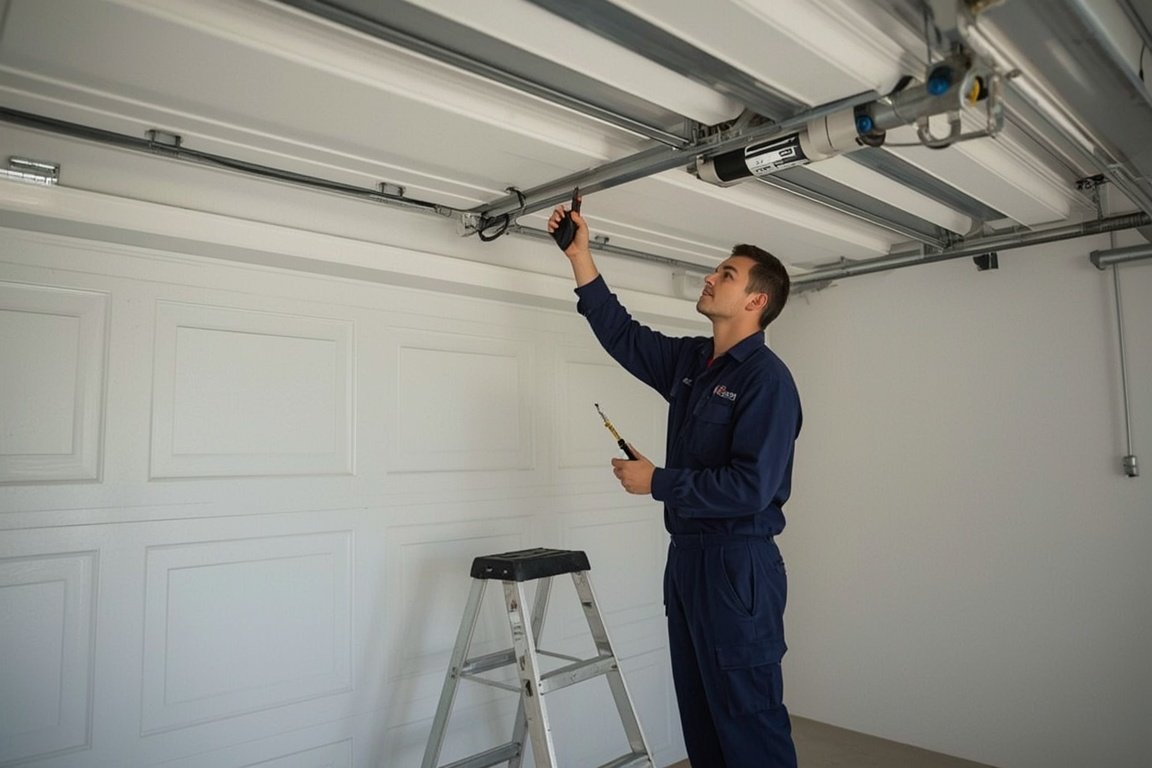
Modern garage door openers are more energy-efficient and operate quietly. Some models have battery backups and smart features, which help reduce unnecessary electricity use. A new opener can save energy and improve convenience.
Improve Ventilation
Good ventilation helps regulate temperature and reduces humidity. Installing vents, fans, or an exhaust system can prevent the garage from getting too hot in summer. Proper ventilation also helps prevent mold and mildew growth, which can affect indoor air quality.
Use Reflective or Light Colors
Painting walls or doors with light or reflective colors can reduce heat absorption. Lighter colors keep the garage cooler in summer, which means less work for your air conditioning system. This simple change can contribute to energy savings and comfort.
Practice Energy-Saving Habits
Even small habits make a difference. Keep doors closed when not in use. Turn off lights when leaving the garage. Unplug tools and appliances that are not being used. These simple actions reduce energy waste and help lower your carbon footprint.
Benefits of an Energy-Efficient Garage
Improving garage energy efficiency has many benefits:
- Lower utility bills due to reduced heating and cooling costs.
- More comfortable garage for hobbies, storage, or work.
- Reduced carbon footprint and positive environmental impact.
- Longer-lasting appliances and systems due to less strain.
- Increased home value and appeal to buyers.
Final Thought
Improving the energy efficiency of your garage is an easy way to reduce your home's carbon footprint and save money. Upgrading doors, adding insulation, sealing windows, using energy-efficient lighting and appliances, improving ventilation, and practicing energy-saving habits all contribute to a more eco-friendly home. Small changes can make a big difference for your family, your wallet, and the environment. By focusing on your garage, you take an important step toward a sustainable and energy-efficient home.
Skip the YouTube rabbit hole - we'll have a tech at your door same day across Broward, Dade and Palm Beach.