A garage door that makes a funny noise can be annoying and sometimes concerning. The noise may sound like squeaking, grinding, rattling, or banging. While some noises are normal during operation, others can indicate problems that need attention. Ignoring these sounds can lead to bigger issues or even damage your door. Understanding the causes and solutions can help you fix the problem quickly and safely.
This guide explains the common reasons your garage door makes a funny noise, what you can do to fix it, and when to call a professional. It is written in a simple, easy-to-read style for 7th - 8th grade students.
Common Causes of Noisy Garage Doors
1. Lack of Lubrication
One of the most common reasons for noise is that the moving parts are not lubricated. Garage doors have rollers, hinges, and springs that need regular lubrication to work smoothly. Without it, these parts can squeak or grind when the door opens or closes. Applying a garage door lubricant to all moving parts often fixes this issue quickly.
2. Worn Rollers
Rollers allow the door to move smoothly along the tracks. Over time, they can become worn, cracked, or damaged. Worn rollers can make loud noises or cause the door to move unevenly. Replacing old rollers with new ones helps the door operate quietly and smoothly.
3. Loose Hardware
Garage doors have many bolts, screws, and brackets that hold the door and tracks together. Over time, vibration can loosen them. Loose hardware can cause rattling, banging, or clanking noises. Tightening all bolts and screws regularly helps prevent these sounds and keeps your door secure.
4. Misaligned Tracks
If the tracks that guide the door are bent or misaligned, the door may rub against them while moving. This can create grinding or scraping noises. Checking the tracks and adjusting them carefully can solve the problem. Professionals are recommended for major track adjustments, as incorrect alignment can cause the door to get stuck.
5. Damaged Springs
Garage doors use springs to help lift the heavy door. If the springs are worn, stretched, or broken, they can make popping, snapping, or creaking sounds. Broken springs are dangerous and should never be handled by yourself. A professional can safely replace them and restore smooth operation.
6. Old or Rusty Components
Over time, metal parts can rust or degrade. Rusty hinges, tracks, or rollers can produce squeaks and grinding noises. Cleaning the parts and applying lubricant or replacing heavily worn components often eliminates the noise.
Simple Steps to Reduce Garage Door Noise
1. Lubricate Moving Parts
Use a spray garage door lubricant on rollers, hinges, and springs. Avoid using heavy grease or oil that can attract dust and dirt. Lubrication should be done at least twice a year or when the door starts making noise.
2. Tighten Loose Hardware
Inspect all bolts, screws, and brackets. Tighten any loose parts, but be careful not to overtighten, which can cause damage. This can significantly reduce rattling and clanging noises.
3. Clean and Inspect Tracks
Remove dirt, debris, or small objects from the tracks. Check for bends or dents and gently straighten them if needed. Properly aligned tracks allow the door to move smoothly and quietly.
4. Check Rollers
Inspect rollers for cracks, flat spots, or damage. Replace worn rollers with high-quality nylon or steel rollers. Nylon rollers are quieter than steel and can reduce noise further.
5. Test the Door Manually
Use the manual release to operate the door by hand. Listen for unusual sounds and observe how it moves. This can help you pinpoint where the noise is coming from before trying fixes.
When to Call a Professional
Some noises indicate serious problems that require professional help. You should call a technician if:
- The door makes loud popping or snapping sounds.
- The springs appear broken or stretched.
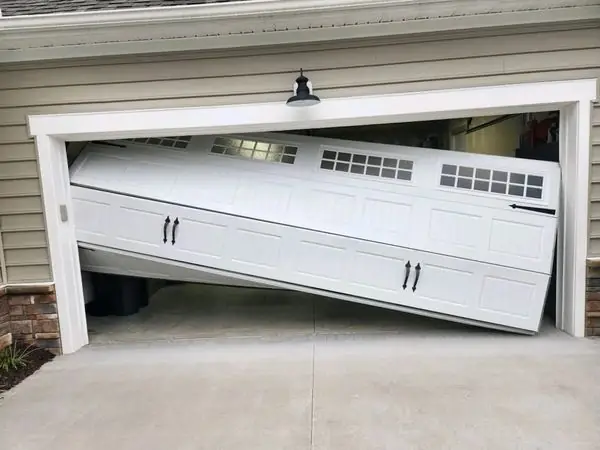
- The door is off its tracks or difficult to move.
- The opener makes unusual grinding noises.
- You are unsure about handling repairs safely.
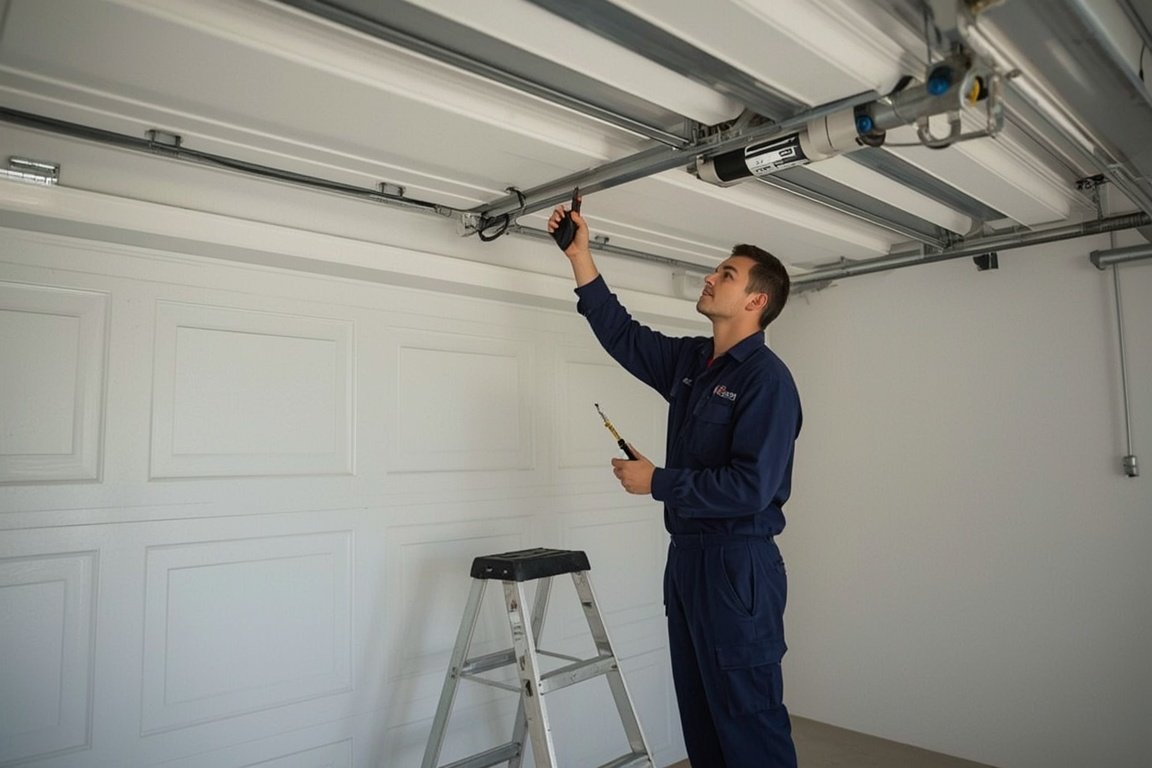
Professionals have the tools, training, and experience to safely repair springs, cables, rollers, and openers. Attempting these repairs without knowledge can result in injury or further damage.
Preventing Future Noises
Regular maintenance helps prevent garage doors from making funny noises. Here are some preventive tips:
- Lubricate rollers, hinges, and springs at least twice a year.
- Inspect tracks, rollers, and hardware for wear and alignment.
- Keep tracks clean and free of debris.
- Tighten any loose bolts or screws.
- Schedule professional maintenance once a year for safety and performance checks.
Preventive maintenance not only reduces noise but also prolongs the life of your garage door and prevents costly repairs.
Final Thought
Funny noises from a garage door are often more than just annoying - they can signal problems. Common causes include lack of lubrication, worn rollers, loose hardware, misaligned tracks, and damaged springs. Simple fixes like lubrication, tightening hardware, and cleaning tracks can solve minor issues. Serious problems should be handled by a professional to avoid injury and further damage. Regular maintenance keeps your garage door running smoothly, safely, and quietly for years. By addressing noises early, you can enjoy a reliable, peaceful, and long-lasting garage door.
Skip the YouTube rabbit hole - we'll have a tech at your door same day across Broward, Dade and Palm Beach.