A stuck garage door can be frustrating and even dangerous. It may block access to your garage, make it hard to get your car out, and cause stress for your family. In many cases, a stuck door is caused by simple problems that can be fixed quickly. However, some issues require a professional to handle them safely. Understanding the reasons a garage door gets stuck and what to do about it can save time, money, and prevent accidents.
This guide explains common causes for a stuck garage door, simple troubleshooting tips, and when to call a professional. It is written in an easy-to-read style for 7th - 8th grade students.
Common Reasons a Garage Door Gets Stuck
Garage doors are made of several parts that need to work together. If one part is broken, worn out, or misaligned, the door may get stuck. Here are some common reasons:
1. Broken Springs
Garage door springs help lift the weight of the door. If a spring breaks, the door can become very heavy and may not move at all. Broken springs are dangerous and should never be handled without professional help. Signs of a broken spring include a door that won't lift, a loud snap when opening, or a door that moves unevenly.
2. Damaged Cables
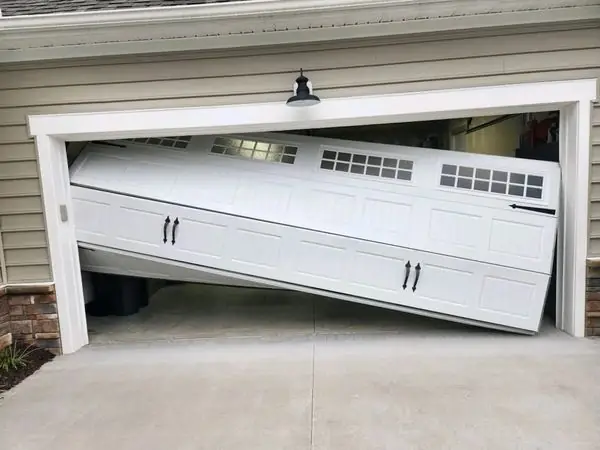
Cables work with the springs to lift the door. If a cable is frayed or broken, the door may get stuck or tilt to one side. Broken cables can also be dangerous because the tension is very high. Professionals should repair or replace cables to keep the door safe.
3. Obstructions on Tracks
Objects, dirt, or debris on the tracks can block the door's movement. Even small rocks or dust can make a door stick. Check the tracks for any visible objects and remove them. Also, make sure the tracks are aligned properly, because bent or loose tracks can cause the door to jam.
4. Worn Rollers
Garage door rollers allow the door to move smoothly along the tracks. If rollers are worn out, cracked, or dirty, the door may get stuck. Lubricating the rollers or replacing them can solve this problem. Rollers usually last several years but need occasional maintenance to stay in good shape.
5. Malfunctioning Opener
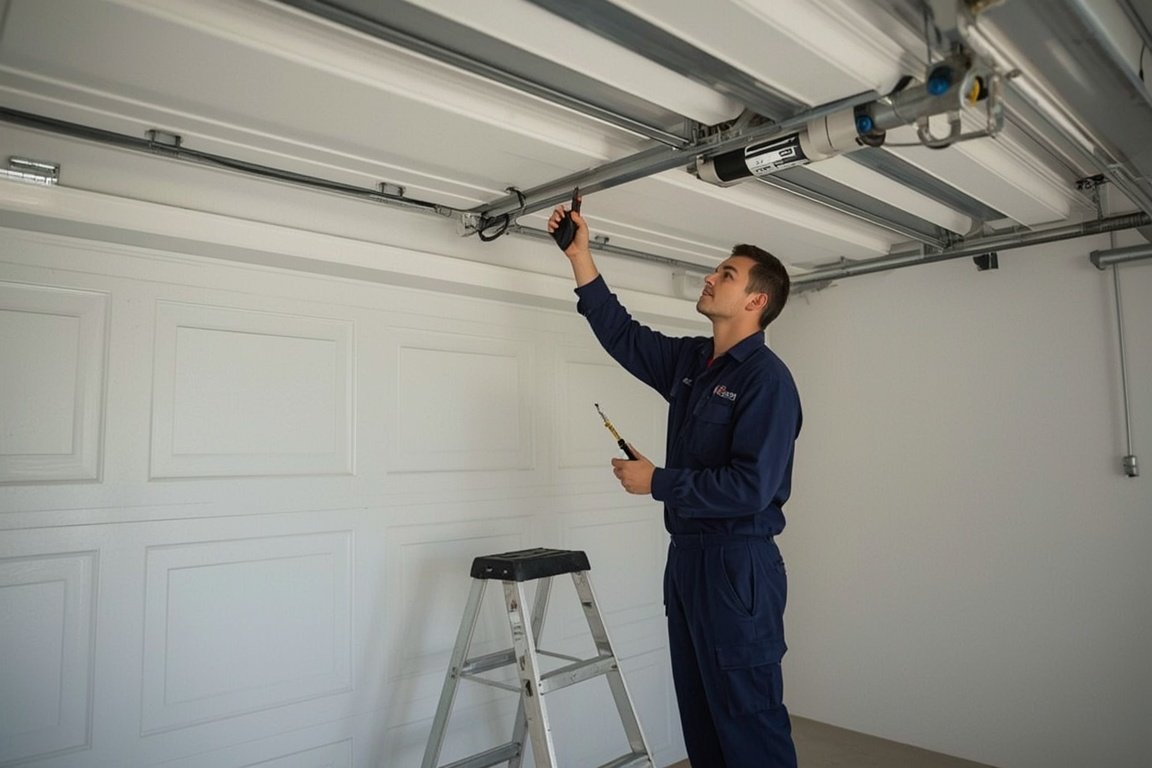
The garage door opener controls automatic movement. If the opener is broken, has worn gears, or lost power, the door may not move. Check if the opener works using the manual release. If the door moves manually but not automatically, the opener likely needs repair or replacement.
6. Sensor Problems
Modern garage doors have safety sensors that prevent the door from closing if something is in the way. If the sensors are misaligned or dirty, the door may not open or close properly. Cleaning the sensors and adjusting their alignment can often fix this problem.
Simple Steps to Try if Your Door is Stuck
Before calling a professional, there are some safe things you can try:
1. Check for Obstructions
Look for any objects in the tracks or under the door. Remove rocks, toys, or debris that may block movement.
2. Test the Manual Release
Most garage doors have a manual release cord. Pulling it allows you to move the door by hand. If the door moves manually, the problem may be the opener or electronics. If the door is still stuck, the problem may be mechanical, such as springs, cables, or rollers.
3. Inspect Tracks and Rollers
Check the tracks for bends, dents, or loose screws. Inspect rollers for damage. Light lubrication with a garage door lubricant can help rollers move smoothly. Never use heavy grease, as it can attract dirt and make the problem worse.
4. Check the Sensors
Clean the sensor lenses with a soft cloth. Make sure they are facing each other and aligned properly. Even a small misalignment can stop the door from moving.
5. Test the Opener
If the door works manually but not with the opener, check the opener's power, remote batteries, and settings. Sometimes a simple reset fixes the issue. If the opener still doesn't work, it may need repair or replacement by a professional.
When to Call a Professional
Some garage door problems are too dangerous or complicated to fix alone. You should call a professional if:
- The springs or cables are broken.
- The door is heavily tilted or off its tracks.
- The opener is malfunctioning beyond basic troubleshooting.
- You notice unusual noises, sparks, or damage to electronics.
- You are unsure about how to fix the problem safely.
Professionals have the tools, training, and experience to fix stuck doors safely and efficiently. Trying to repair springs, cables, or heavy doors yourself can result in serious injury.
Preventing Future Problems
Once your garage door is working again, taking preventive measures can help it stay smooth and safe:
- Regularly inspect springs, cables, tracks, and rollers for wear.
- Lubricate rollers, hinges, and tracks with proper garage door lubricant.
- Keep the tracks clean and free of debris.
- Test sensors to make sure they are aligned and clean.
- Schedule professional maintenance at least once a year.
Preventive maintenance reduces the chances of the door getting stuck again and extends the life of your garage door.
Final Thought
A stuck garage door is frustrating, but understanding the common causes and knowing how to troubleshoot can help. Simple problems like dirt in the tracks or misaligned sensors can be fixed easily. More serious issues like broken springs, cables, or a damaged opener should always be handled by a professional. Regular maintenance, inspections, and proper use of your garage door keep it working safely for years. With the right care and expert help when needed, you can avoid getting stuck again and enjoy a smooth, reliable garage door.
Skip the YouTube rabbit hole - we'll have a tech at your door same day across Broward, Dade and Palm Beach.