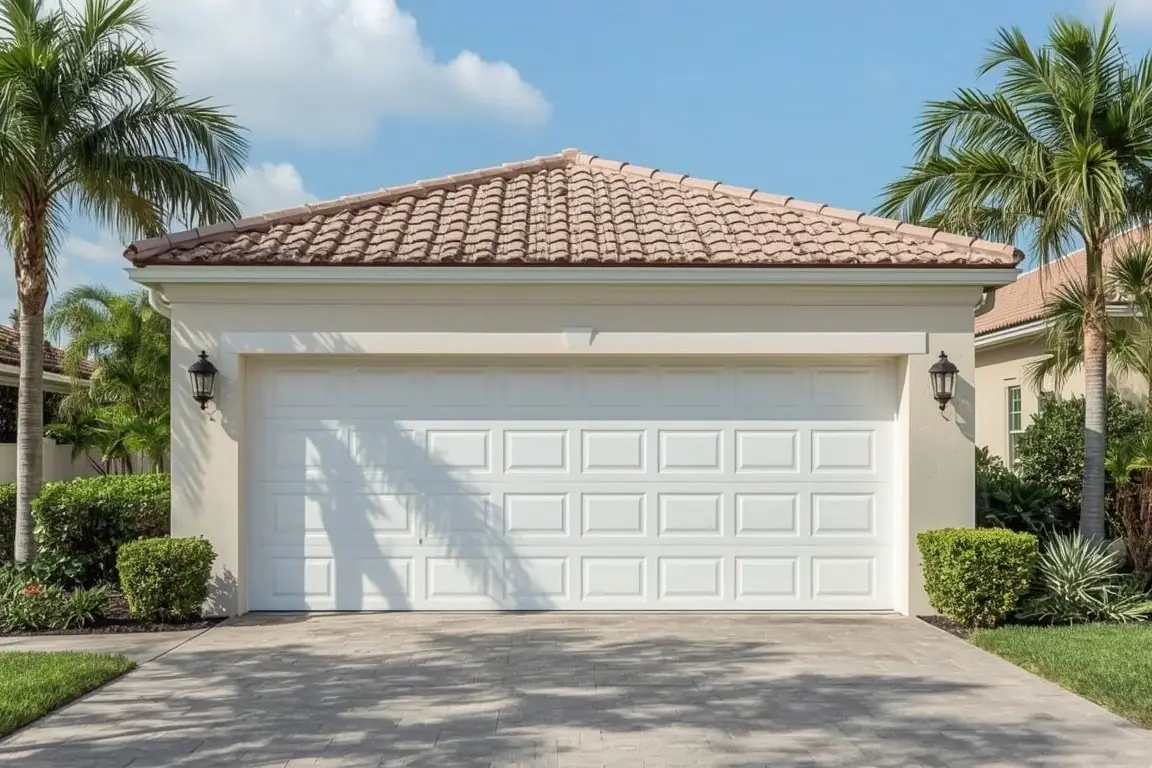
Choosing the right material for your garage door is essential to ensure durability, security, and aesthetic appeal. Garage doors are available in a variety of materials, each with unique benefits and drawbacks. Selecting the correct material can impact the longevity of your door, maintenance requirements, insulation, and overall appearance. Homeowners in Florida, especially in areas like Fort Lauderdale and Sunrise, need to consider factors such as humidity, salt air, and high temperatures when selecting a garage door material.
This comprehensive 1600-word guide explores the most common garage door materials, including steel, aluminum, wood, fiberglass, and composite options. For each material, we will review the advantages, disadvantages, and considerations to help you make an informed decision for your home.
1. Steel Garage Doors
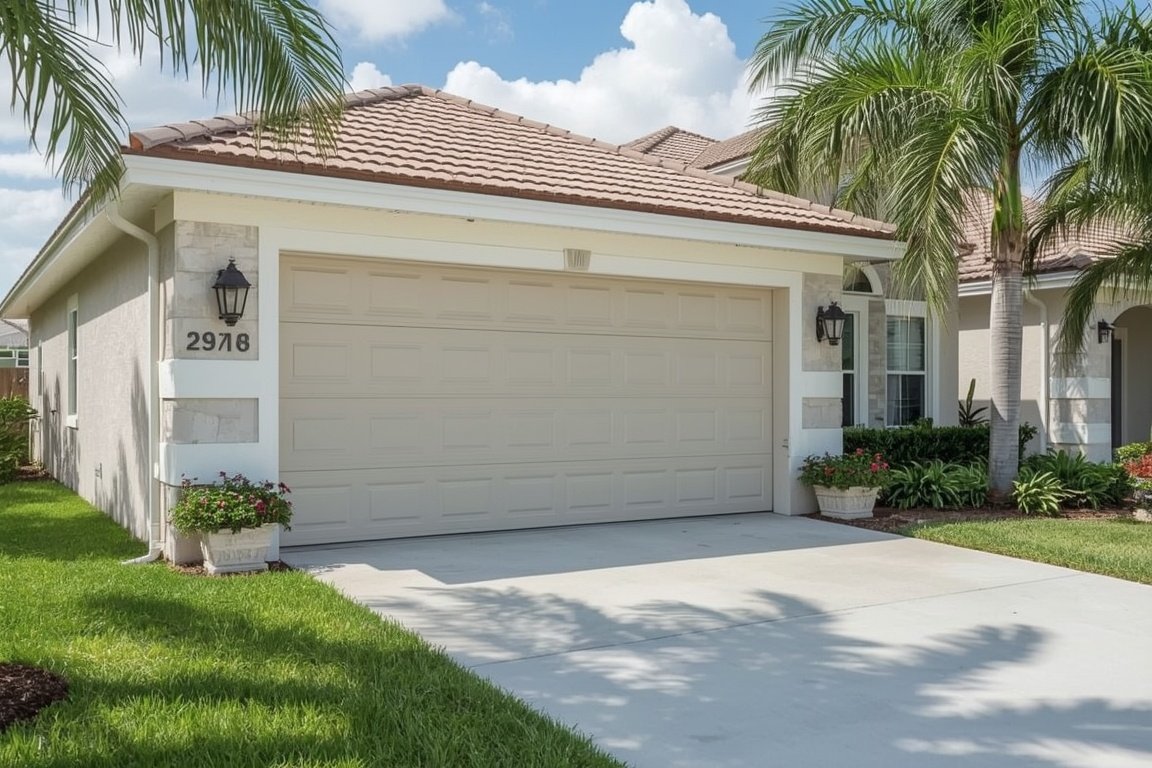
Steel is one of the most popular materials for garage doors due to its strength, durability, and affordability. Steel doors can be insulated or non-insulated, and they can mimic the appearance of wood while offering enhanced security.
Pros of Steel Garage Doors
Steel doors are extremely durable and resistant to cracking, warping, or splitting. They can withstand harsh weather conditions, including wind, rain, and high humidity. Steel doors are also low maintenance, requiring occasional cleaning and lubrication. Insulated steel doors provide energy efficiency by keeping the garage cooler in summer and warmer in winter. Additionally, steel doors are relatively affordable compared to wood or custom materials.
Cons of Steel Garage Doors
While strong, steel doors are prone to dents and scratches. Once damaged, steel can rust if the protective coating is compromised, especially in coastal areas like Sunrise and Fort Lauderdale. Although they can be painted, color options may be limited compared to wood. Steel doors are also heavier, which can place additional strain on the opener and hardware.
2. Aluminum Garage Doors
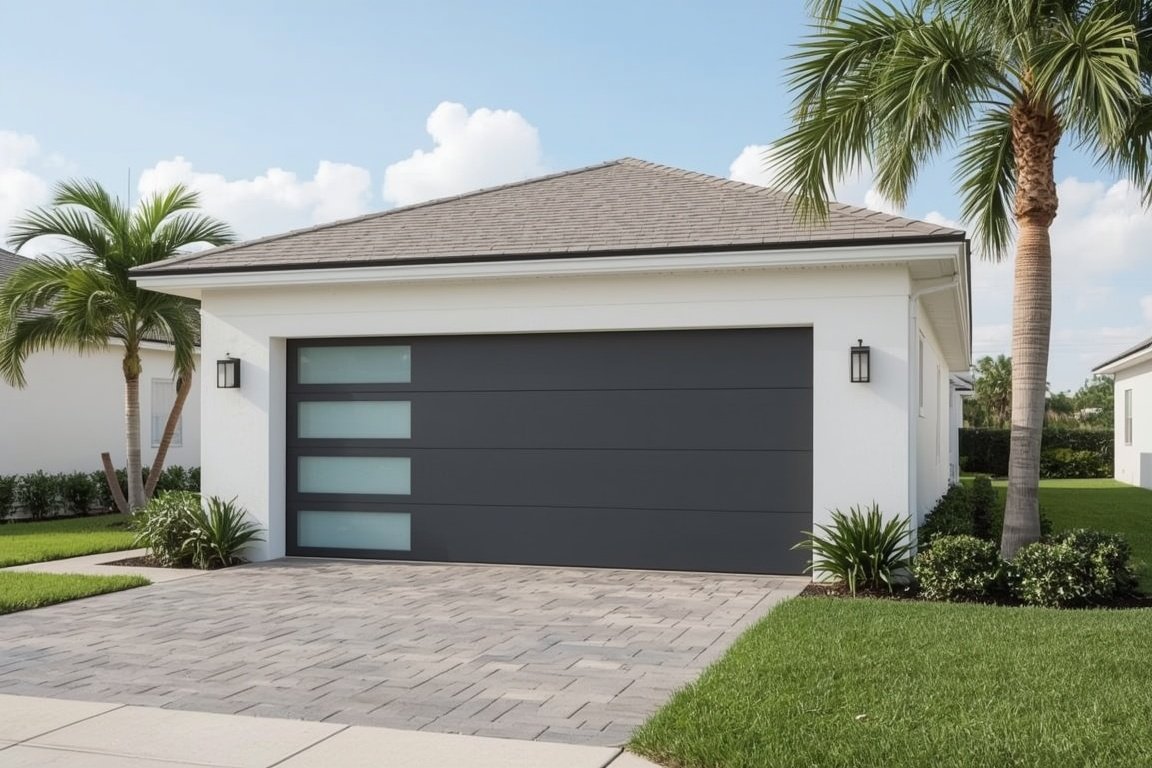
Aluminum doors are lightweight and resistant to corrosion, making them suitable for humid or coastal environments. They are often used for modern, contemporary designs and can feature large glass panels.
Pros of Aluminum Garage Doors
Aluminum doors are lightweight, reducing stress on garage door openers. They resist rust and corrosion, which is ideal for Florida's humid climate. Aluminum allows for custom designs, including full or partial glass inserts, which provide a modern aesthetic and natural light. These doors are relatively low maintenance and can be painted to match your home's exterior.
Cons of Aluminum Garage Doors
Despite their resistance to corrosion, aluminum doors are softer than steel and more prone to dents or bending. They may not provide the same level of insulation or security as steel doors. For areas with high wind exposure, aluminum doors may require additional reinforcement to prevent damage during storms or hurricanes.
3. Wood Garage Doors
Wood garage doors offer a classic, natural look that adds curb appeal and value to a home. They come in a variety of wood types, such as cedar, redwood, or mahogany, and can be customized with intricate designs or stains.
Pros of Wood Garage Doors
Wood doors are highly customizable and provide a warm, elegant aesthetic that is difficult to replicate with other materials. They can be stained or painted in various colors and patterns to complement your home's architecture. Wood is also strong and durable when properly maintained, offering excellent longevity. For homeowners seeking a high-end, traditional look, wood is often the preferred choice.
Cons of Wood Garage Doors
Wood doors require regular maintenance, including staining, sealing, or painting, to prevent warping, cracking, or rotting, especially in humid environments like Florida. They are heavier than aluminum or fiberglass, which may stress the opener and require robust hardware. Wood doors are also more expensive initially and may be susceptible to termite or insect damage if not properly treated.
4. Fiberglass Garage Doors
Fiberglass is a lightweight, versatile material that can mimic the appearance of wood without the maintenance requirements. It is resistant to rust, corrosion, and moisture, making it suitable for humid climates.
Pros of Fiberglass Garage Doors
Fiberglass doors are lightweight, reducing strain on openers and hardware. They resist rust, corrosion, and moisture damage, making them ideal for coastal areas. Fiberglass can be molded to replicate wood textures and designs, providing a stylish appearance without heavy maintenance. These doors are also energy-efficient when insulated and easy to clean with mild soap and water.
Cons of Fiberglass Garage Doors
Fiberglass is less impact-resistant than steel or wood, making it prone to cracks or chips if struck. Over time, exposure to UV rays may cause fading or discoloration. Fiberglass doors may not offer the same level of security as steel doors, and they can be more expensive than aluminum while still lacking the natural warmth of wood.
5. Composite Garage Doors
Composite garage doors combine materials such as wood fibers and resin to create a strong, low-maintenance product. They are designed to replicate the look of wood while offering the durability of synthetic materials.
Pros of Composite Garage Doors
Composite doors are resistant to warping, cracking, and rot, providing a long-lasting alternative to natural wood. They require minimal maintenance and can be painted or stained like wood. Composite materials offer good insulation properties and can be designed with detailed textures or patterns. They are also environmentally friendly, as some products use recycled materials.
Cons of Composite Garage Doors
Composite doors are heavier than aluminum or fiberglass, requiring a sturdy opener and hardware. They can be more expensive than steel or fiberglass options, although generally less costly than high-end wood doors. In extreme weather, composite doors may expand or contract slightly, which could affect alignment over time.
6. Factors to Consider When Choosing Garage Door Material
When selecting a garage door material, consider the following factors:
Climate and environment: Humid, coastal, or high-temperature areas may favor materials resistant to rust and warping, such as aluminum or fiberglass.
Maintenance: Consider how much time and effort you are willing to spend on upkeep. Steel and aluminum are low maintenance, while wood requires regular sealing and painting.
Insulation: If your garage is attached to your home or used as a workspace, insulated doors can improve energy efficiency. Materials like steel, fiberglass, and composite offer insulated options.
Aesthetic appeal: Choose a material that complements your home's exterior and enhances curb appeal. Wood and composite offer a natural look, while aluminum and steel provide sleek, modern designs.
Security: Heavier, stronger materials like steel provide better protection against break-ins. Consider your neighborhood and personal security needs.
Budget: Balance cost with long-term benefits. Steel and aluminum are cost-effective, fiberglass and composite are mid-range, and wood is high-end.
Final Thought
Each garage door material has distinct advantages and disadvantages. Steel offers strength and affordability but may dent; aluminum is lightweight and corrosion-resistant but less secure; wood provides unmatched beauty but requires maintenance; fiberglass resists moisture and offers a wood-like appearance but can crack; composite combines durability and low maintenance but may be heavier and more costly. By evaluating your climate, maintenance preferences, insulation needs, aesthetic goals, security concerns, and budget, you can choose the garage door material that best suits your home and lifestyle. Consulting with a professional garage door company can help you make an informed decision and ensure proper installation for long-lasting performance.
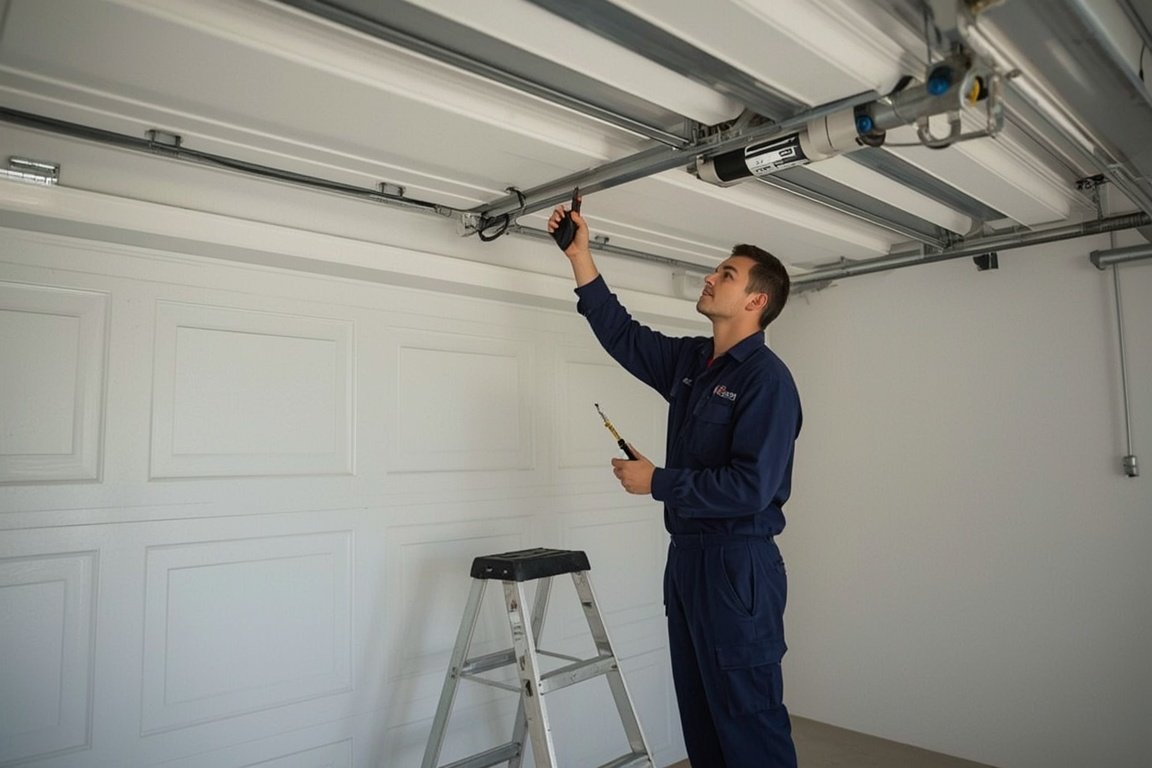
Skip the YouTube rabbit hole - we'll have a tech at your door same day across Broward, Dade and Palm Beach.