A malfunctioning garage door can be one of the most frustrating problems a homeowner can face. When your garage door suddenly stops opening, it can disrupt daily routines, prevent access to vehicles, and compromise home security. There are many potential causes for this issue, ranging from mechanical failures to electrical malfunctions, and understanding these causes can help homeowners troubleshoot problems safely and effectively.
In this comprehensive guide, we will explore the most common reasons your garage door isn't opening anymore, explain the underlying mechanics of each problem, and provide guidance on when it's best to call a professional. Whether you own an older mechanical system or a modern smart garage door opener, this guide will help you identify issues and make informed decisions for repair or maintenance.
1. Power Supply Issues
One of the simplest yet most common reasons a garage door won't open is a power issue. Garage door openers rely on electricity, and any interruption in power can render the system inoperable. This may include a tripped circuit breaker, a blown fuse, or a disconnected power source. In addition, power surges can damage the internal electronics of the garage door opener, preventing it from receiving commands from your remote or wall switch.
To troubleshoot power issues, first check the circuit breaker and ensure the opener is plugged in. Inspect the outlet for proper function by plugging in a small device, such as a lamp. If power is present but the opener still does not respond, professional inspection is recommended to diagnose potential internal electrical damage.
2. Broken or Worn Springs
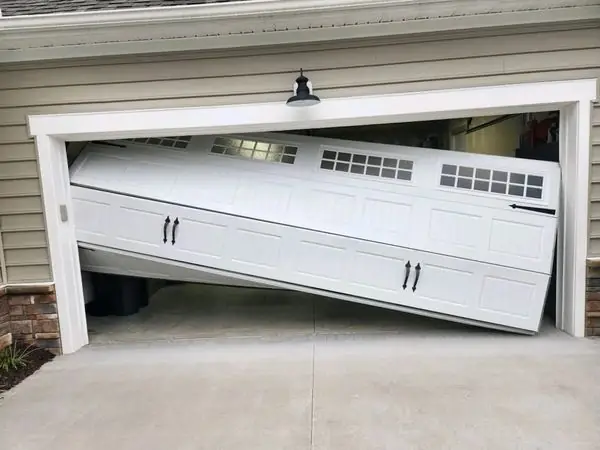
Garage doors rely on torsion or extension springs to counterbalance the weight of the door. These springs are under extreme tension and allow the door to open smoothly with minimal effort. When a spring breaks or becomes worn, the door may fail to open or may move unevenly. A broken spring can also produce a loud banging sound, and attempting to lift the door manually can be dangerous.
Replacing garage door springs requires specialized tools and training, as improper handling can result in serious injury. Professional technicians can safely replace springs and ensure that the door is balanced correctly for optimal operation.
3. Malfunctioning Garage Door Opener
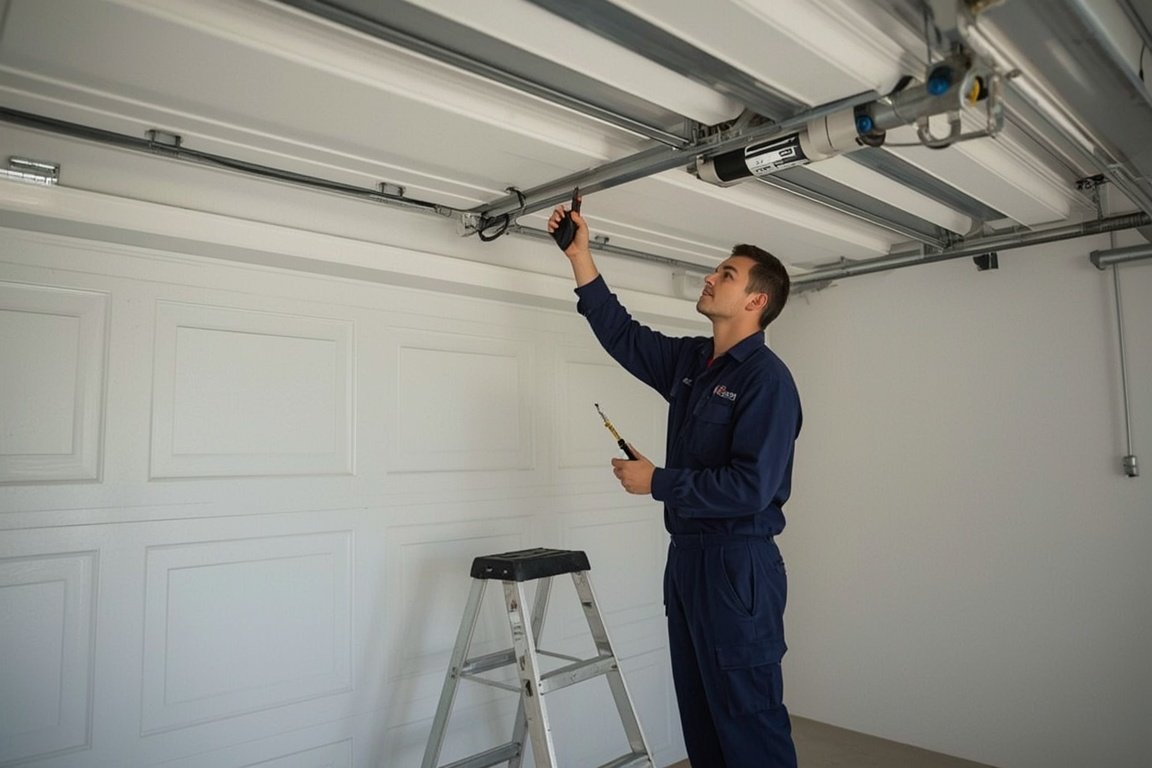
The garage door opener is the mechanical device that drives the door's movement. Over time, components such as motors, gears, and circuit boards can wear out or fail. A malfunctioning opener may not respond to remote signals, may operate intermittently, or may produce unusual noises during operation.
To diagnose opener problems, check for visual signs of wear, unusual sounds, or intermittent functionality. While some minor issues, such as a stuck gear, can be resolved with lubrication or adjustment, major motor or circuit board failures typically require professional repair or replacement.
4. Disconnected or Damaged Cables
The garage door's cables work in conjunction with the springs to lift and lower the door safely. If cables become frayed, snapped, or disconnected from the drum or spring system, the door may fail to open. Damaged cables can also cause uneven movement or jerking during operation, creating a safety hazard.
Due to the tension and weight involved, repairing or replacing cables is not a DIY task. A professional technician can safely handle the tension, replace cables correctly, and ensure that the door operates smoothly and safely.
5. Obstructed or Misaligned Tracks
Garage doors operate on metal tracks that guide the door panels during opening and closing. Over time, tracks can become bent, misaligned, or obstructed by debris. Even minor misalignment can prevent the door from moving properly, while obstructions can cause the door to get stuck.
Inspect tracks for visible debris, dents, or loose hardware. Minor adjustments may be possible if carefully performed, but significant bending or misalignment should be addressed by a professional to prevent further damage to the door panels or rollers.
6. Faulty Rollers
Garage door rollers allow the door to glide smoothly along the tracks. Rollers can wear out over time, become damaged, or seize due to lack of lubrication. Worn rollers can cause the door to stick, move unevenly, or make grinding noises, all of which can prevent proper operation.
Replacing rollers requires careful removal of the door from the tracks and reinstallation of the new rollers. Professionals can perform this task safely, ensuring proper alignment and smooth operation without risking damage to the door or injury.
7. Issues with Remote Control or Wall Switch
Sometimes the problem is not with the door itself, but with the control system. Dead batteries, damaged buttons, or programming errors in the remote control can prevent the garage door from responding. Similarly, a faulty wall switch or wiring issue can render the door inoperable.
Test the system by using both the wall switch and remote. If one method works but the other does not, the issue may be with the control device. Replacing batteries or reprogramming the remote is often sufficient, but persistent problems may require professional troubleshooting to address wiring or circuit board issues.
8. Safety Sensor Problems
Modern garage doors are equipped with safety sensors that detect obstacles in the door's path. If the sensors are misaligned, dirty, or malfunctioning, the door may refuse to close or open as a safety precaution. Indicator lights on the sensors can help diagnose alignment or obstruction issues.
Cleaning the sensors, realigning them, or replacing faulty units is critical for safe operation. Professionals ensure that sensors are properly installed and calibrated to prevent accidents and maintain compliance with safety standards.
9. Remote Interference and Signal Issues
Garage door openers operate via radio frequency, and interference from nearby electronic devices can sometimes prevent the door from responding. Devices such as Wi-Fi routers, cordless phones, or security systems may interfere with the signal, especially in densely populated areas.
Testing the system from multiple locations and minimizing nearby interference can help identify the problem. In some cases, technicians may need to adjust the receiver or replace outdated remote systems to restore reliable communication.
10. Environmental and Weather Factors
Florida's humid and coastal environment can cause garage doors to expand, contract, or develop rust over time. Excess moisture can affect metal components, causing corrosion or sticking. Additionally, extreme temperatures can affect lubrication and the smooth movement of rollers and tracks.
Regular inspection, lubrication, and preventive maintenance can mitigate these environmental issues. Professionals can recommend materials, coatings, and maintenance schedules suitable for local climate conditions.
11. Age and Wear of Garage Door Components
Like all mechanical systems, garage doors experience wear over time. Springs lose tension, rollers become worn, tracks bend, and openers age. Older doors may experience multiple simultaneous failures, making operation unreliable.
Professional technicians can evaluate the overall condition of the door and recommend replacement or component upgrades. Investing in timely maintenance or partial replacement can extend the life of the system and prevent complete failure.
12. Lack of Maintenance
Many garage door problems arise from neglect. Without routine inspections, lubrication, and adjustments, small issues can escalate into major failures. Preventive maintenance, performed by professionals, includes checking springs, cables, rollers, sensors, and openers, ensuring that all components are functioning correctly.
Regular maintenance not only improves performance but also increases safety and reduces repair costs. Homeowners who schedule annual or semi-annual professional maintenance enjoy more reliable operation and fewer emergency repairs.
Final Thought
If your garage door isn't opening anymore, the problem could range from a simple power issue to a serious mechanical failure. Common causes include broken springs, faulty openers, misaligned tracks, worn rollers, sensor malfunctions, remote interference, and environmental factors. While some minor issues can be addressed by homeowners, many repairs require professional expertise to ensure safety and prevent further damage. Hiring a trained garage door technician ensures accurate diagnosis, proper repairs, and reliable operation for years to come. Regular inspections and preventive maintenance can also extend the lifespan of your garage door and prevent unexpected failures. Don't risk injury or additional costs - when your garage door stops working, professional intervention is the safest and most effective solution.
Skip the YouTube rabbit hole - we'll have a tech at your door same day across Broward, Dade and Palm Beach.