Garage doors are among the heaviest and most used moving components in any home. Behind their smooth operation lies a complex system of springs, cables, and pulleys that manage the door's weight. Among these, torsion springs play the most critical role. They counterbalance the heavy weight of the garage door, making it easy to lift manually or with an opener. However, when torsion springs break or wear out, replacing them is not a task that homeowners should attempt themselves. This guide explains why professional help is essential, how torsion springs work, signs that they need replacement, and what to expect during the process.
Understanding the Role of Torsion Springs
Torsion springs are tightly wound coils of steel mounted horizontally above your garage door. They store mechanical energy when the door closes and release that energy to lift the door when it opens. Essentially, they act as a counterbalance system - offsetting the door's weight and ensuring smooth, controlled motion. Without torsion springs, the garage door opener would be unable to lift the door's mass effectively, and manual operation would be nearly impossible.
Each time you open or close the garage door, the torsion spring winds and unwinds. Over years of use, this constant motion causes wear and metal fatigue. Eventually, the spring loses tension or snaps altogether, rendering the door inoperable. A broken spring is not only inconvenient but also potentially dangerous due to the extreme tension involved.
How Torsion Springs Work
When you close your garage door, the torsion spring winds up, creating stored energy. When the door opens, that energy is released, helping lift the heavy panels with minimal effort. The spring is mounted on a metal shaft with cable drums at each end. The lifting cables attached to the door's bottom corners wind around these drums, transferring the spring's energy into motion. Proper balance and calibration are critical to ensure even lifting and to prevent strain on the door and opener.
Garage doors usually have one or two torsion springs depending on size and weight. Double-spring systems provide redundancy, which means if one spring fails, the other can temporarily support the door. However, even in these cases, operation becomes risky and unbalanced until both springs are replaced.
Signs Your Torsion Springs Need Replacement
Recognizing early signs of spring wear or failure can prevent accidents and avoid more costly repairs later. Common indicators include:
1. Difficulty Opening the Door: If your garage door feels heavier than usual or the opener struggles to lift it, your torsion springs may have lost tension.
2. Loud Bang or Snap Sound: When a spring breaks, it often releases tension suddenly, creating a loud noise similar to a gunshot.
3. Uneven Movement: The door may lift unevenly or become misaligned, indicating one spring is weaker than the other.
4. Gaps in the Coil: Visually inspect the spring - if you see a visible gap in the coil, it's broken and must be replaced immediately.
5. Stopped Midway: A door that opens a few inches and then stops often points to a broken spring. Most openers include a safety mechanism to prevent further movement in this situation.
The Danger of DIY Spring Replacement
Attempting to replace torsion springs yourself can lead to serious injury or property damage. These springs store tremendous amounts of tension - often hundreds of pounds of force - and mishandling them can result in the spring snapping uncontrollably. Common hazards include severe cuts, fractures, or damage to surrounding walls, windows, and vehicles. Even with online tutorials, the risks far outweigh any potential cost savings.
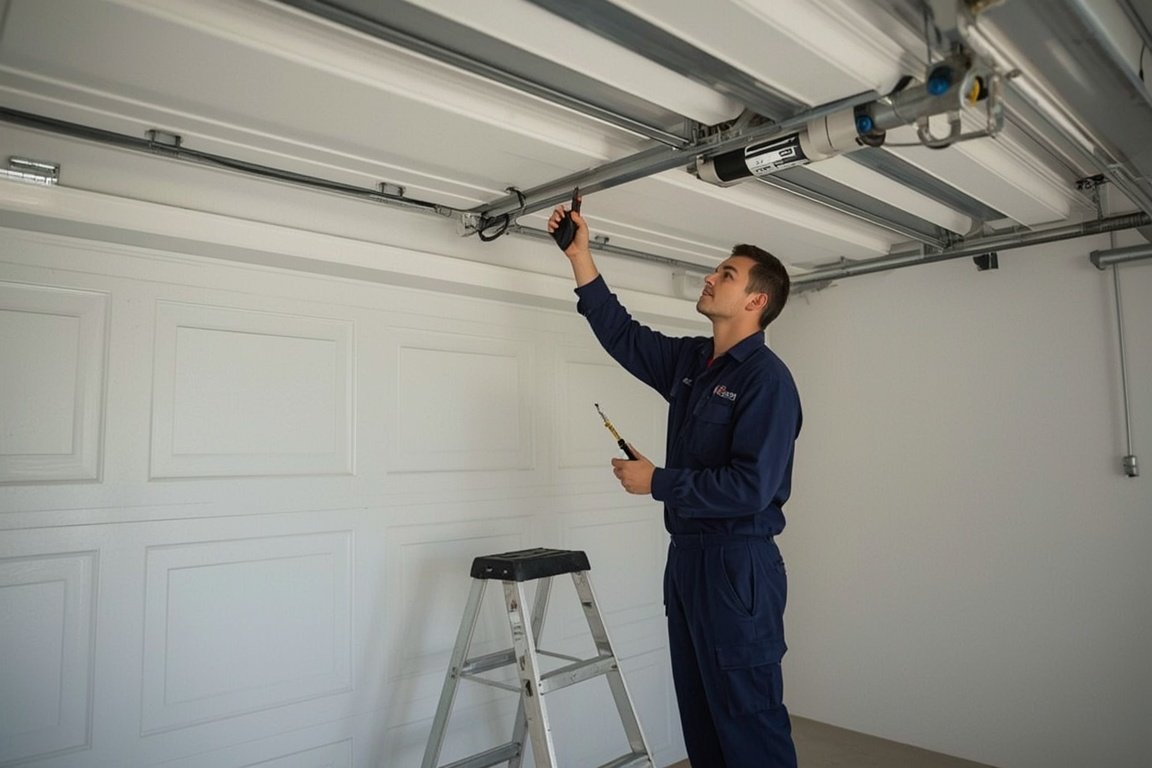
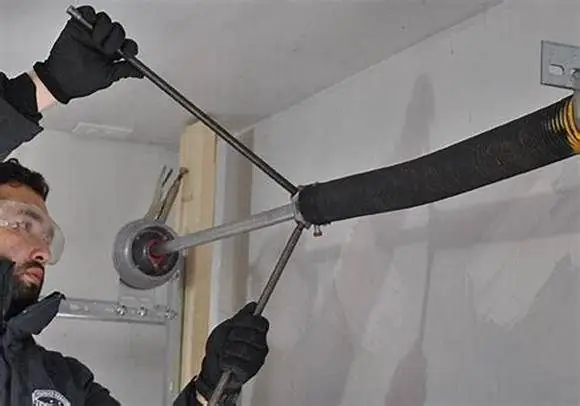
Professionals use specialized tools such as winding bars, vice grips, and calibrated measuring devices to safely unwind and replace torsion springs. They also understand how to balance the system correctly, ensuring even tension and safe operation. Without proper training, it's easy to overtighten or under-tighten the spring, which can lead to uneven wear or cause the door to slam shut unexpectedly.
Why You Should Call a Professional
Professional garage door technicians bring expertise, equipment, and safety knowledge that homeowners simply do not have. Here's why hiring a trained expert is always the right choice:
1. Safety: Technicians are trained to handle high-tension systems safely and have the proper tools to secure the door during replacement.
2. Correct Sizing: Garage doors vary in weight, size, and construction. Professionals ensure the correct spring size and torque rating, which is essential for balance and longevity.
3. Warranty Protection: Many professional services provide warranties for both labor, giving homeowners peace of mind.
4. Efficiency: What might take an inexperienced homeowner several hours (and potential mistakes) can be completed safely and correctly by a professional in less than an hour.
5. System Inspection: Professionals don't just replace springs - they inspect the entire system, including cables, drums, bearings, and the opener, to ensure everything operates smoothly.
How Professionals Replace Torsion Springs
The replacement process involves several precise steps. Here's an overview of what professionals typically do during a torsion spring replacement:
Step 1: Disconnect the garage door opener and secure the door in the closed position to prevent movement.
Step 2: Carefully unwind the broken spring using winding bars and secure the torsion tube.
Step 3: Remove the old spring, drums, and cables if necessary, inspecting for additional wear or damage.
Step 4: Install the new spring or springs, making sure to match the correct wire size, coil diameter, and length specifications.
Step 5: Wind the spring to the appropriate number of turns using precise torque measurements.
Step 6: Lubricate the springs and moving components to reduce friction and prevent rust.
Step 7: Reconnect the opener and test the balance of the door. The technician ensures that the door stays halfway open without rising or falling - a sign of proper balance.
Understanding Torsion Spring Lifespan
Most torsion springs are rated for a specific number of cycles - one cycle being a full open and close of the door. Standard residential springs are often rated for around 10,000 cycles. For a family using the garage door multiple times daily, that can mean replacement every seven to ten years. Heavy-duty or extended-cycle springs can last up to 25,000 cycles or more, making them a smart investment for frequent users.
Environmental factors also affect lifespan. In humid climates like Florida, corrosion can accelerate wear. Regular lubrication and professional maintenance can help extend the spring's service life significantly.
Maintenance Tips to Extend Spring Life
While spring replacement is inevitable over time, proper maintenance helps delay it. Follow these steps to protect your torsion springs and keep your garage door system in peak condition:
• Apply a silicone-based lubricant to the coils every few months to prevent rust and friction.
• Have your garage door balance checked annually by a professional.
• Avoid manually forcing the door open when a spring breaks - it can cause damage to other components.
• Keep the area around the torsion spring clean and free from debris or moisture.
• Listen for unusual noises during operation; squeaks or grinding may indicate the need for adjustment.
Difference Between Torsion and Extension Springs
Garage doors typically use either torsion or extension springs. While torsion springs are mounted above the door and operate through twisting force, extension springs stretch and contract along the horizontal tracks. Torsion systems are generally safer and more durable, offering smoother motion and better balance. Extension springs, on the other hand, have more moving parts and are prone to bouncing, making them less ideal for heavy doors.
Common Mistakes Homeowners Make
Even after professional installation, homeowners can unintentionally shorten the lifespan of their springs by overlooking key maintenance or misusing the door. Some common mistakes include:
• Ignoring regular lubrication and inspections.
• Using the garage door opener when a spring is already broken.
• Attempting to replace only one spring in a dual-spring system - both should always be replaced together for even tension.
• Allowing rust or corrosion to build up due to moisture exposure.
Safety Mechanisms That Work with Torsion Springs
Modern garage door systems include several safety features designed to work in tandem with torsion springs. These include cable safety devices, center bearing plates, and containment systems that prevent parts from flying loose if a spring breaks. Regular inspection by a professional ensures these features remain functional and compliant with safety standards.
Why Local Expertise Matters
If you live in areas like Fort Lauderdale or other parts of Florida, local conditions such as humidity, salt air, and temperature fluctuations can affect metal components. Hiring a local professional familiar with regional weather and material requirements ensures your new springs are properly coated and rated for corrosion resistance. Local experts also understand building codes and safety regulations, ensuring compliance with all standards.
When to Schedule a Spring Replacement
Never wait until your spring completely breaks. If your door starts showing signs of imbalance, noise, or slow operation, schedule a service inspection. Proactive replacement minimizes the risk of a total failure, which can leave you locked out or trapped inside your garage. Early attention also reduces wear on your opener and cables, extending the lifespan of the entire system.
Professional Inspection and Maintenance Services
During routine service visits, technicians inspect the condition of your torsion springs, cables, bearings, and tracks. They check for signs of wear and perform adjustments to maintain proper balance. These inspections often catch minor issues before they escalate, preventing emergencies and saving you money on future repairs. Scheduling professional maintenance once a year is highly recommended for residential garage doors that see daily use.
Final Thoughts
Torsion springs are vital to your garage door's operation but also among its most dangerous components to handle without professional training. Attempting DIY replacement may seem tempting, but the risks of injury or property damage are far too high. By calling a qualified professional, you ensure safe, precise installation, proper balancing, and long-lasting performance. With expert help, your garage door will function smoothly, quietly, and safely for years to come. Regular inspections, lubrication, and timely replacements are key to preventing unexpected breakdowns and maintaining your home's security and convenience.
Skip the YouTube rabbit hole - we'll have a tech at your door same day across Broward, Dade and Palm Beach.