Your garage door opener is one of the most convenient and often overlooked components of your home. It ensures smooth access to your garage, enhances home security, and adds everyday comfort. However, like any mechanical system, garage door openers have a limited lifespan. When they start to fail, replacing them is not only a matter of convenience but also of safety. This detailed guide will help you understand when it's time to replace your garage door opener, what types are available, and how to ensure the new system provides long-lasting reliability for your home.
Why Replacing a Garage Door Opener Matters
Many homeowners use their garage doors as the primary entry point to their homes. A malfunctioning opener can cause frustration, safety risks, and security vulnerabilities. Replacing your old or unreliable opener can enhance your daily convenience, improve safety features, and provide modern upgrades such as Wi-Fi connectivity, battery backup, and quiet operation. New openers are designed with improved performance and compliance with modern safety standards, ensuring your family and property remain protected.
Signs You Need to Replace Your Garage Door Opener
Recognizing the warning signs early can save you from inconvenience and costly repairs. Some of the most common indicators that your garage door opener needs replacement include:
1. Unusual Noises: Grinding, squealing, or rattling sounds often suggest worn-out gears or a failing motor. Older chain-drive systems tend to get noisier with time, signaling that it might be time for an upgrade.
2. Slow or Jerky Movement: If your door moves unevenly, pauses mid-cycle, or opens slower than usual, your opener's motor or drive system may be wearing out.
3. Frequent Malfunctions: Repeated sensor issues, intermittent operation, or a door that opens and closes unpredictably can point to failing internal electronics or outdated safety mechanisms.
4. Outdated Technology: Older openers lack modern safety and security features like rolling code technology, which prevents code theft. Newer models also offer smart connectivity for greater control.
5. Excessive Vibration: Shaking or vibration during operation can damage the opener's housing and cause additional wear on the door system.
6. Age: Most garage door openers last between 10 to 15 years. If yours is beyond that range, replacement is a wise preventive measure.
Benefits of Upgrading Your Garage Door Opener
Installing a new opener offers more than just reliability. The latest models include technological advancements that improve safety, efficiency, and convenience. Here are some key benefits:
Enhanced Safety: Modern openers comply with current safety regulations, including automatic reversal systems and motion-detection sensors that protect people and pets from accidents.
Smart Connectivity: Many models now offer Wi-Fi connectivity, allowing you to operate your garage door from your smartphone and receive alerts about door activity.
Improved Security: Rolling code technology generates a new access code each time you use your remote, preventing unauthorized entry.
Quieter Operation: Belt-drive and direct-drive systems run far more quietly than older chain models, ideal for homes with attached garages.
Energy Efficiency: Newer openers use energy-efficient motors and standby modes to reduce power consumption.
Types of Garage Door Openers
Before choosing a replacement, it's essential to understand the different types of openers available. Each type has unique advantages suited to various needs and garage configurations.
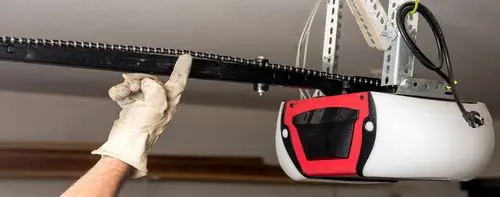
1. Chain-Drive Openers: The most common and affordable type, chain-drive openers use a metal chain to move the door. They are durable but tend to be noisy, making them better suited for detached garages.
2. Belt-Drive Openers: These openers use a rubber belt instead of a chain, providing quiet operation. They are ideal for homes with living spaces adjacent to or above the garage.
3. Screw-Drive Openers: Operate using a threaded steel rod that lifts and lowers the door. They require minimal maintenance and provide reliable performance in moderate climates.
4. Direct-Drive Openers: The motor itself moves along the rail, eliminating the need for belts or chains. These systems are extremely quiet and long-lasting but may come at a higher cost.
5. Jackshaft Openers: Mounted on the wall beside the garage door instead of the ceiling, these openers save space and are ideal for garages with high or sloped ceilings.
Features to Look for in a New Opener
When replacing your garage door opener, consider the features that best suit your household's needs. Important features include:
Battery Backup: Ensures the opener functions even during power outages - a valuable feature in areas affected by storms or power interruptions.
Smart Home Integration: Look for models compatible with platforms like Google Home, Alexa, or Apple HomeKit for remote control and automation.
LED Lighting: Many new openers include built-in energy-efficient lighting that illuminates your garage when motion is detected.
Auto-Close Function: This feature allows your door to automatically close after a set time, preventing you from accidentally leaving it open.
Soft Start and Stop: Reduces wear on mechanical parts and provides smoother operation.
Security Locking Systems: Some openers automatically lock the door when it's closed, offering extra protection against forced entry.
Preparing to Replace Your Garage Door Opener
Before installing a new opener, ensure your garage door is in good working condition. The opener relies on the balance and alignment of the door to function correctly. Inspect the springs, rollers, and tracks for wear or damage, and lubricate moving parts. If your door struggles to open manually, it's best to fix that issue before installing a new opener. Always disconnect power to the old opener and remove it carefully, following manufacturer safety instructions.
DIY vs. Professional Installation
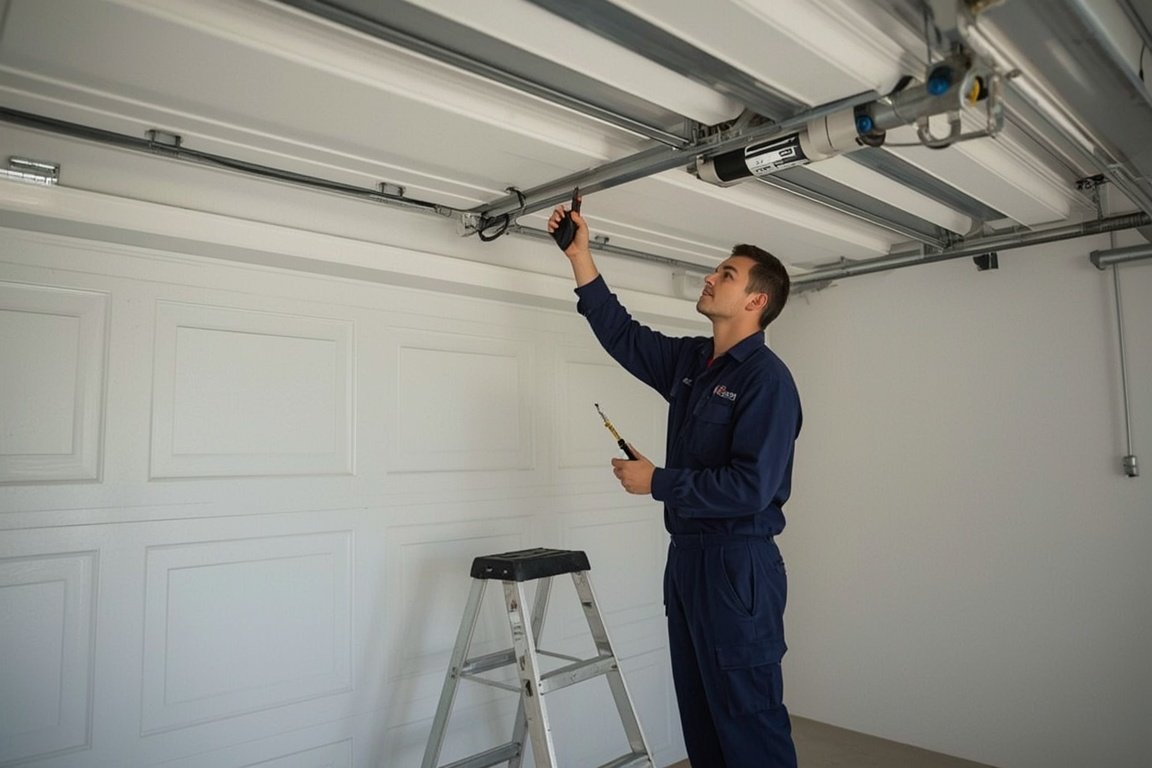
While some homeowners choose to install their own garage door openers, professional installation is recommended for most situations. A trained technician can ensure proper setup, alignment, and calibration. They'll also test the safety reversal system and verify sensor operation. In areas like Florida, professionals are familiar with local building codes and can confirm your system meets regional safety requirements. Improper installation can cause premature wear, void warranties, or create potential safety hazards.
Steps in the Replacement Process
The general process of replacing a garage door opener includes the following steps:
1. Disconnecting and removing the old opener and mounting brackets.
2. Assembling the new opener according to manufacturer instructions.
3. Mounting the opener securely to the ceiling or wall.
4. Connecting the rail and trolley system to the garage door.
5. Wiring the control panel, sensors, and safety features.
6. Testing operation, adjusting limits, and setting force sensitivity.
7. Pairing remotes and smart home connections if applicable.
Safety Considerations During Replacement
Garage door openers involve electrical wiring and heavy moving parts, so safety precautions are essential. Always disconnect the power source before handling electrical components. Use a sturdy ladder and avoid working alone, especially when lifting heavy parts. Never attempt to repair or adjust high-tension springs yourself, as they can cause serious injury. A professional installer can safely handle these tasks and ensure all systems meet safety standards.
Smart Garage Door Openers: The Future of Convenience
Smart technology has revolutionized garage door openers, offering homeowners greater control and security. With a smartphone app, you can open or close your garage door from anywhere, receive notifications if it's left open, and even allow temporary access for deliveries or guests. Some models feature built-in cameras and voice control for added convenience. Smart systems also provide activity logs, giving you a record of when the door was used, which enhances household awareness and safety.
Energy Efficiency and Environmental Impact
Modern garage door openers are designed with energy-saving features that help reduce electricity usage. Standby power consumption has been greatly minimized, and LED lighting reduces overall energy costs. Many systems are built using eco-friendly materials and offer long lifespans, which means fewer replacements and less waste. For homeowners looking to minimize their environmental impact, choosing a high-efficiency, low-power opener is a responsible and practical choice.
Maintenance Tips for Your New Garage Door Opener
After replacement, proper maintenance will help maximize the life of your new opener. Follow these steps regularly:
• Inspect and clean safety sensors every month to ensure they remain aligned.
• Lubricate the rail and moving parts twice a year using a non-greasy lubricant.
• Test the auto-reverse system monthly by placing a small object under the door - it should reverse immediately upon contact.
• Replace remote control batteries annually.
• Check the opener's mounting brackets and ceiling attachments for looseness.
• Review the manual for manufacturer-specific maintenance instructions.
Replacing Opener Accessories
In addition to replacing the motor unit, you might consider updating related accessories. New wall consoles, remotes, and keypads often feature advanced functions such as motion detection, timed closing, or illuminated buttons for night use. Smart remotes can connect to your Wi-Fi network and integrate seamlessly with other devices in your home.
Common Mistakes to Avoid
Homeowners often make small but costly mistakes during opener replacement. Avoid the following:
• Installing the opener on a door that's unbalanced or damaged.
• Ignoring alignment of safety sensors.
• Using improper mounting hardware or inadequate ceiling supports.
• Skipping the force adjustment and limit setting tests.
• Neglecting to register the warranty or setup smart system security settings.
When to Call a Professional
If you encounter wiring issues, unexpected noises, or sensor malfunctions after installation, contact a professional technician immediately. They can quickly diagnose the issue and ensure your system operates correctly. Professional servicing also includes balancing the garage door, checking torsion springs, and verifying opener load compatibility - all essential for safe performance.
Final Thoughts
Replacing your garage door opener is an investment in safety, security, and convenience. Whether your existing unit is old, noisy, or unreliable, upgrading to a modern opener ensures smoother operation, advanced safety features, and smart technology integration. Homeowners in Florida especially benefit from openers with battery backup and corrosion-resistant components that stand up to humid conditions. With regular maintenance and professional installation, your new garage door opener can provide years of trouble-free performance and enhance the comfort and value of your home.
Skip the YouTube rabbit hole - we'll have a tech at your door same day across Broward, Dade and Palm Beach.