Garage door safety sensors are small devices with a big responsibility - preventing accidents and protecting your family, pets, and property. They are an essential part of modern garage door systems, designed to detect obstructions and automatically stop or reverse the door before it causes harm. Whether you're upgrading your garage door or troubleshooting issues, understanding how these sensors work and how to maintain them is vital for safe and reliable operation.
What Are Garage Door Safety Sensors?
Garage door safety sensors, also called photo-eye sensors, are small infrared devices mounted near the bottom of the garage door tracks on both sides. They work in pairs - one sends an invisible beam of light, while the other receives it. When the beam is broken by an object, person, or pet in the door's path, the opener immediately stops the door from closing and reverses its movement. This simple yet effective technology has prevented countless injuries and accidents since becoming a standard safety feature in the early 1990s.
Why Safety Sensors Are Important
Before safety sensors were required, garage doors operated solely based on mechanical pressure. This meant that if something or someone was under the door as it closed, the system might not detect it in time to prevent injury or damage. Today, safety sensors are mandatory for all automatic garage doors sold in the United States. They play a crucial role in preventing injuries, protecting pets and vehicles, and maintaining compliance with federal safety regulations established by the U.S. Consumer Product Safety Commission (CPSC).
How Safety Sensors Work
The operation of safety sensors is based on a simple but highly effective concept. The sending unit emits an infrared beam that travels across the garage door opening to a receiving sensor. When this beam is unobstructed, the door can close normally. If something interrupts the beam, the receiver stops detecting the infrared signal, and the opener's control system reverses or halts the door's movement. Most openers also flash a light or beep to alert you that the safety system has been triggered.
Types of Garage Door Safety Sensors
While most systems use infrared photo-eye sensors, other technologies have emerged to complement or enhance safety detection. The most common types include:
1. Infrared Photo-Eye Sensors: The standard and most widely used sensor type. They rely on an infrared beam and require precise alignment between the sending and receiving units.
2. Pressure Sensors: These detect resistance when the door encounters an object, prompting it to reverse direction. They serve as a secondary safety mechanism alongside photo-eye sensors.
3. Motion Detectors: Some advanced garage systems include motion sensors that detect movement in the garage area, automatically turning on lights or preventing door closure if motion is detected nearby.
4. Laser or Ultrasonic Sensors: Found in newer smart systems, these use advanced detection methods to improve accuracy and reduce false triggers from sunlight or debris.
Installation Requirements and Positioning
For safety sensors to work effectively, they must be installed properly. The sensors are typically placed 4 to 6 inches above the garage floor, one on each side of the door. This height ensures that small children and pets are detected while maintaining reliable beam alignment. Each sensor must face directly toward the other without obstruction. Even a slight misalignment can cause the system to malfunction or prevent the door from closing properly.
Common Signs of Sensor Problems
Like any electronic component, safety sensors can experience issues over time. The most common signs of malfunction include:
- The garage door won't close and the opener light blinks repeatedly.
- The door reverses immediately after attempting to close.
- Indicator lights on the sensors are off or flashing inconsistently.
- The door closes when you hold down the wall button but not with the remote control.
When you notice these signs, the issue is often due to misalignment, dirt, or wiring problems rather than complete sensor failure.
How to Troubleshoot Garage Door Sensors
Troubleshooting garage door safety sensors is straightforward and usually doesn't require professional tools. Follow these steps:
1. Check Alignment: Make sure both sensors are facing each other directly. Most models have LED indicators - solid lights typically mean the sensors are aligned correctly, while blinking lights indicate misalignment.
2. Clean the Lenses: Dust, dirt, and spider webs can block the infrared beam. Wipe each lens gently with a soft cloth and mild cleaner.
3. Inspect Wiring: Look for loose connections or frayed wires, especially if your sensors are older or exposed to humidity. Secure all connections tightly.
4. Check for Obstructions: Remove any objects, leaves, or debris near the sensors that could interfere with the beam.
5. Test the Door: After adjustments, close the door with the remote. If it closes smoothly, the issue is resolved. If not, consult your opener's manual or a professional technician.
Cleaning and Maintenance Tips
To keep your safety sensors working efficiently, routine maintenance is essential. Clean the lenses monthly using a non-abrasive cloth. Check alignment regularly, especially after storms, vibrations, or cleaning activities near the garage floor. Make sure wiring remains intact and moisture-free, as Florida's humidity can accelerate corrosion. Testing your sensors every few weeks ensures they're responsive and properly calibrated.
Testing Sensor Functionality
You should test your sensors periodically to verify that they function correctly. To test them safely, open your garage door and place an object, such as a box or broom handle, in front of one sensor about six inches off the ground. Then press the close button. The door should not close and the opener lights should blink or signal an obstruction. If the door still moves downward, the sensors may need adjustment or replacement.
Replacing Faulty Sensors
If cleaning and alignment don't fix your sensor issues, replacement may be necessary. Fortunately, most replacement sensors are affordable and easy to install. Ensure you buy sensors compatible with your garage door opener brand and model. Disconnect the opener from power, remove the old sensors, connect the new units, and mount them securely at the correct height. After installation, align them and test several times to confirm smooth operation.
Smart Sensors and Modern Safety Upgrades
Modern garage door systems are integrating smart technology into safety features. Smart sensors can connect to Wi-Fi, send alerts when the door is obstructed, or notify you if the sensors are misaligned. Some systems include integrated cameras and motion detection that provide a live view of your garage through mobile apps. These upgrades not only improve safety but also add convenience and peace of mind for homeowners.
Sunlight and Environmental Interference
Direct sunlight can sometimes interfere with infrared sensors, causing false triggers or inconsistent operation. To prevent this, install sun shields or slightly angle the sensors away from direct rays. Additionally, high humidity and salt air near coastal areas can cause corrosion on wiring and connectors. Regular inspection and protective coverings can prevent these problems from developing over time.
Compliance and Safety Standards
Garage door safety sensors are required by law under UL 325 standards, established by the CPSC. This regulation mandates that all automatic garage door openers manufactured after 1993 include photo-eye or equivalent protection technology. Installing or operating a system without functional sensors is not only unsafe but may also void warranties and violate local building codes. Always ensure that your opener meets these safety standards, especially when replacing or upgrading older systems.
Professional Inspection and Servicing
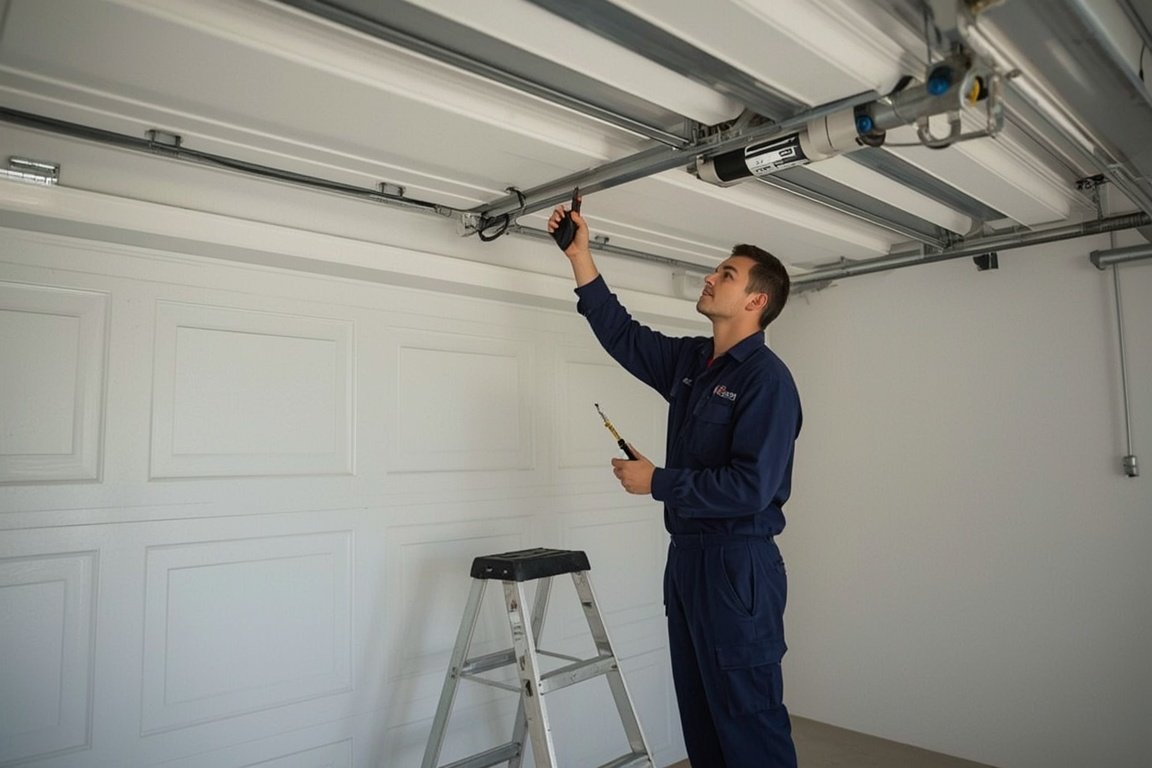
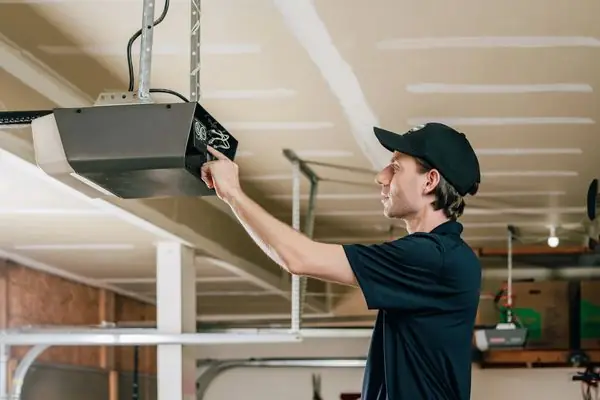
Although homeowners can perform basic maintenance, professional inspection is recommended at least once a year. Technicians can test alignment, electrical integrity, and response times with specialized tools. During these visits, they can also inspect springs, tracks, and openers to ensure your entire system operates safely. Regular professional maintenance can extend the life of your sensors and reduce the likelihood of costly emergency repairs.
Child and Pet Safety Considerations
Garage doors are among the heaviest moving objects in a home, and safety sensors play a key role in preventing tragic accidents. Children and pets are especially vulnerable because they may pass under a closing door without understanding the danger. Teaching family members about garage door safety and regularly testing your sensors provides an additional layer of protection. Consider installing motion-activated lighting so the garage area is well-illuminated during operation.
Energy Efficiency and Smart Home Integration
Some modern garage door openers integrate with smart home systems and sensors that monitor temperature, motion, and air quality. While primarily designed for convenience, these integrations can enhance safety by allowing homeowners to receive alerts about door activity, open or close the door remotely, and monitor the garage environment. Combining these smart features with reliable safety sensors creates a more secure and efficient home system.
Cost and Replacement Frequency
Replacement sensors typically vary based on scope per pair, depending on the brand and model. With proper care, quality sensors can last 8 - 15 years. Factors such as humidity, dust, and physical damage can shorten their lifespan. Regular maintenance is the key to avoiding unnecessary replacements and ensuring the door's safety features remain dependable over time.
When to Call a Professional
If your garage door fails to close even after cleaning, aligning, and resetting the sensors, it's best to contact a professional technician. Electrical issues, wiring faults, or logic board problems can mimic sensor failures and require expert diagnosis. A licensed garage door specialist can identify the root cause and recommend safe, long-term solutions to restore functionality.
Preventive Tips for Florida Homeowners
Florida's humid and coastal conditions present unique challenges for garage door safety sensors. Salt air can corrode connectors, and high humidity can cause condensation buildup inside sensor housings. To combat these issues, apply a thin layer of dielectric grease to connections, check wiring annually, and use protective covers where possible. Regularly testing the sensors before hurricane season ensures your system remains reliable during heavy use or power surges.
Future of Garage Door Safety Technology
The future of garage door safety is evolving rapidly. Newer models are beginning to incorporate AI-powered obstacle detection, advanced radar systems, and integrated camera vision to enhance accuracy. These technologies promise fewer false alarms and greater protection. Over time, predictive maintenance systems may alert homeowners before a safety sensor starts to fail, further improving home safety and reducing maintenance costs.
Final Thoughts
Safety sensors are a small yet vital part of every automatic garage door system. They safeguard families, pets, and vehicles from accidents while ensuring compliance with modern safety regulations. Understanding how they work, maintaining them regularly, and recognizing signs of malfunction can save you from costly repairs or dangerous situations. For Florida homeowners, additional care against humidity, salt air, and sunlight can greatly extend the life of your sensors. With consistent attention and occasional professional servicing, your garage door will remain both safe and reliable for years to come.
Skip the YouTube rabbit hole - we'll have a tech at your door same day across Broward, Dade and Palm Beach.