Choosing a new garage door may seem like a straightforward decision, but it's actually one of the most important upgrades you can make to your home. Your garage door impacts your property's appearance, energy efficiency, security, and overall value. Especially in Florida, where the climate includes heat, humidity, and coastal winds, selecting the right door can save you time, money, and maintenance in the long run.
Understand Your Home's Needs
Before diving into materials and styles, think about what your priorities are. Do you want better insulation, a modern design, or minimal upkeep? If your garage is attached to your home, energy efficiency may be important. If you live near the coast, corrosion resistance will matter most. Defining your needs early helps narrow your choices and ensures your door performs well for years to come.
Choose the Right Material
Garage doors come in several materials, each with unique benefits and drawbacks. Steel is the most popular option because it's durable and relatively affordable. Choose galvanized or coated steel to resist rust. Aluminum is lightweight and corrosion-resistant, perfect for Florida's humid conditions, though it dents more easily. Wood doors are beautiful and customizable but require consistent maintenance. Fiberglass and composite materials mimic wood's look without the upkeep, offering a great middle ground for homeowners seeking both aesthetics and durability.
Consider Insulation and Energy Efficiency
Insulated garage doors are not just for cold climates. In Florida, they help reduce heat transfer, keeping your garage cooler and protecting stored items. Insulation is measured by its R-value - the higher the number, the better it insulates. If you use your garage as a workspace or have living areas above it, investing in a door with quality insulation can enhance comfort and reduce your utility bills.
Check for Wind-Load Ratings
Florida building codes often require wind-rated garage doors in hurricane-prone regions. These doors are reinforced with heavier tracks, strong panels, and durable rollers to withstand extreme weather. When selecting a new garage door, verify its wind-load rating and ensure it meets or exceeds your local requirements. A properly rated door not only protects your property but may also help you qualify for insurance discounts.
Think About Maintenance Requirements
Maintenance needs vary by material and finish. Coastal homeowners should look for doors with corrosion-resistant hardware and powder-coated finishes. Steel doors require occasional cleaning and repainting. Wood doors must be sealed and refinished periodically to resist moisture and rot. Composite and fiberglass doors generally need the least maintenance, though you should still check their surface condition annually to prevent fading or minor wear.
Pick a Design That Matches Your Home
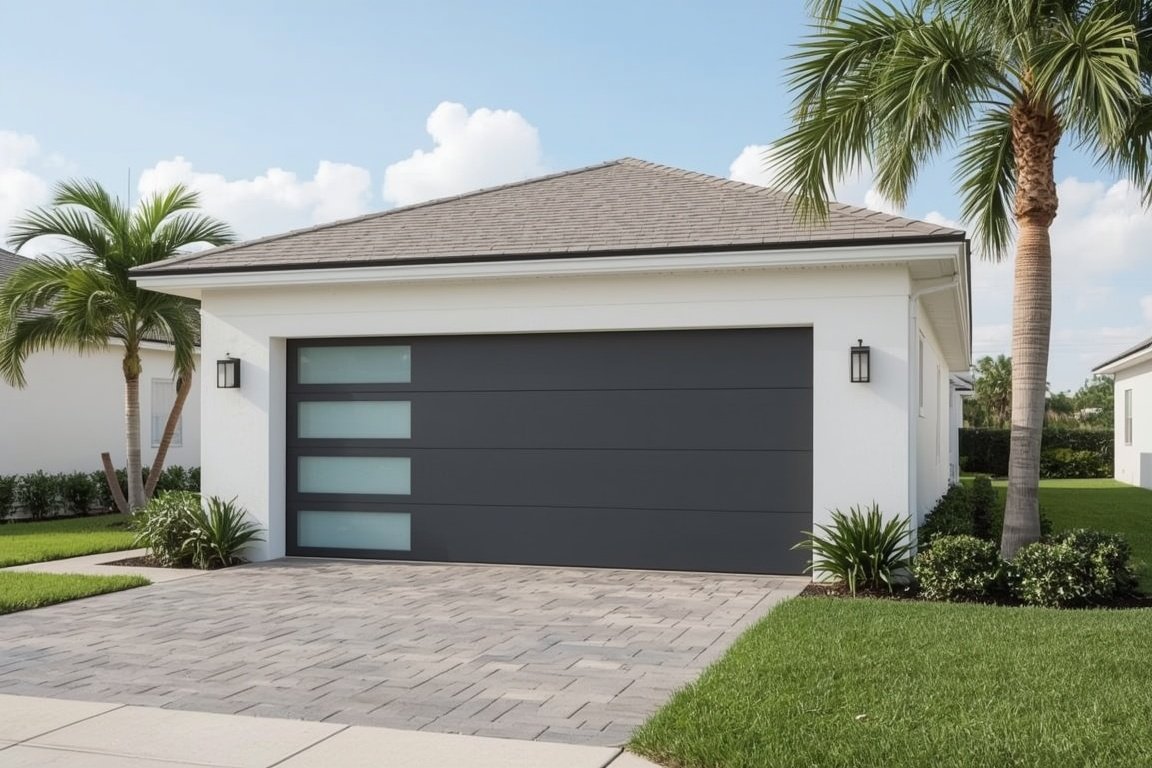
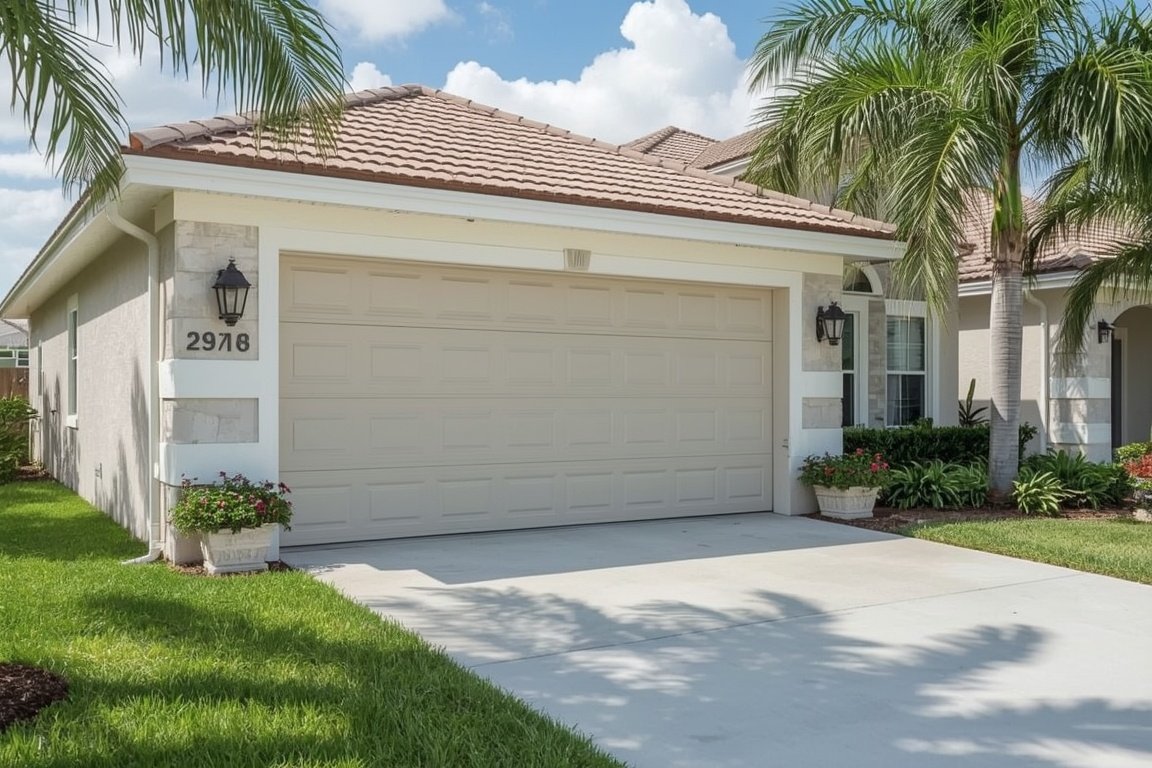
The style of your garage door should complement your home's architecture. Traditional raised-panel doors are versatile and classic, while carriage-style doors offer vintage charm. For contemporary homes, sleek, flush panels or aluminum-and-glass combinations look best. You can further customize your door with decorative hardware, windows, and color options that enhance your home's curb appeal.
Evaluate Window Options
Windows can brighten your garage and make it feel more inviting, but they can also increase heat gain and reduce privacy. For Florida homes, choose tinted or frosted glass that filters sunlight. If you prefer natural light without losing privacy, place windows along the top panel. Double-pane or insulated glass helps control temperature while maintaining security and style.
Color and Finish Choices
When it comes to color, consider both aesthetics and practicality. Lighter shades reflect sunlight and resist fading, while darker tones can show heat and wear more quickly. Factory-applied finishes typically last longer than painted ones, especially in humid climates. Choose UV-resistant finishes to prevent discoloration and preserve your door's fresh look for years.
Safety and Security Features
Modern garage doors include safety technologies such as automatic reversal systems that stop the door if something is in its path. Smart openers use rolling codes to prevent hacking and can connect to home automation systems for remote access. Reinforced locking mechanisms and steel cables add an extra layer of protection. Consider models with built-in battery backup so your door works even during power outages - a must in storm season.
Professional Installation is Essential
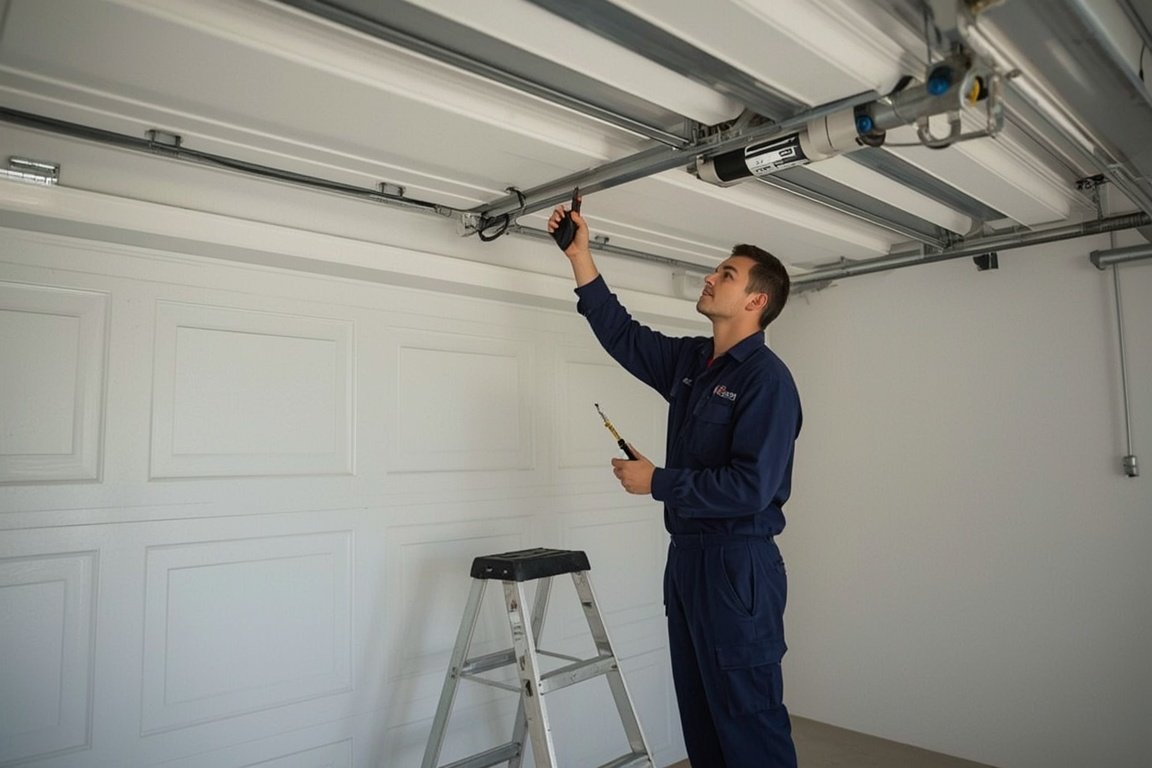
Even the best garage door won't perform well without professional installation. Expert installers ensure proper alignment, spring tension, and balance, which are critical for safe operation. Improperly installed doors can strain the opener, wear out faster, and pose safety risks. Choose a licensed and insured installer familiar with Florida's wind-code regulations for the best long-term performance.
Set a Realistic Budget
Prices vary widely depending on material, insulation, and design. It's tempting to go for the cheapest option, but a higher-quality door often pays off with durability and energy savings. Think about lifetime costs, including maintenance and potential repairs. Investing in a reliable door now can save you from costly replacements later.
Measure Accurately Before Ordering
Before purchasing, measure your garage opening carefully - height, width, side room, and headroom. Small inaccuracies can cause fitting issues or extra installation costs. Professional installers can verify measurements and identify if structural reinforcements or new framing are needed for wind-rated doors.
Warranty and Manufacturer Reputation
Always check the warranty for both the door and the opener. A solid warranty shows confidence in the product's durability. Look for brands that offer long-term coverage on panels, hardware, and springs. Verify whether professional installation is required to maintain the warranty, as many manufacturers have this condition.
Explore Eco-Friendly Options
If sustainability is important to you, consider doors made from recycled materials or those that improve energy efficiency. Insulated steel and composite doors are often more eco-friendly choices. Some brands use low-emission manufacturing processes or recyclable materials, helping you reduce your home's environmental footprint.
Noise and Operation Smoothness
If your garage is near a bedroom or living space, quiet operation matters. Belt-drive or direct-drive openers are smoother and quieter than traditional chain drives. Regular lubrication of moving parts and annual tune-ups can also keep the system running quietly and efficiently.
Security Enhancements and Smart Technology
Modern openers offer advanced features like smartphone controls, activity logs, and geofencing that automatically close the door when you leave. These smart upgrades provide both peace of mind and convenience. For added security, consider a door with reinforced panels, tamper-resistant brackets, and a secure bottom seal to deter intruders.
Storm Preparedness
During hurricane season, your garage door is one of the most vulnerable points in your home. Choose a wind-rated model with heavy-duty reinforcement. Keep the tracks, hinges, and springs well-maintained, and inspect your door before every storm season. A properly rated and secured door can help protect your home from significant damage.
Routine Maintenance Tips
Routine maintenance keeps your garage door operating safely and smoothly. Check the balance by disconnecting the opener and lifting the door manually - it should stay halfway open without falling. Lubricate rollers, hinges, and springs regularly, and clean tracks to prevent buildup. Inspect weather seals for cracks or wear and replace them if needed to maintain energy efficiency.
Common Mistakes to Avoid
Don't choose a door solely based on looks or price. Neglecting insulation, wind rating, or maintenance requirements can lead to premature damage and higher costs. Avoid DIY installation unless you have professional experience; garage door springs are under extreme tension and can be dangerous to adjust without proper tools and training.
Working with Reputable Installers
Always choose a licensed and experienced installer familiar with local building codes. Ask for references, reviews, and proof of insurance. A reputable installer will explain the installation process, provide a detailed quote, and offer maintenance advice for extending your door's lifespan. Working with professionals ensures safety and long-term satisfaction.
Impact on Curb Appeal and Resale Value
A stylish, well-chosen garage door enhances curb appeal and can increase your home's resale value. Real estate experts often note that upgrading a garage door offers one of the highest returns on investment for exterior remodeling projects. Choose a timeless design and quality materials to make your property stand out in the neighborhood.
Final Thoughts
Selecting the perfect garage door requires balancing function, durability, and design. For Florida homeowners, weather resistance, proper insulation, and wind-load certification are key. Investing in a quality door and professional installation ensures long-term performance, security, and beauty. With thoughtful planning, your new garage door will enhance your home's comfort, efficiency, and style for many years to come.
Skip the YouTube rabbit hole - we'll have a tech at your door same day across Broward, Dade and Palm Beach.