Every day, homeowners use their garage doors many times without thinking twice. They lift, open, close, and slide them open for vehicles and storage. But these doors, though such familiar fixtures, carry risks. Heavy panels, strong springs under tension, sharp edges, and moving mechanical parts make them potential sources of serious injury. Recent statistics remind us that garage doors are more dangerous than many assume.
This article dives into the latest data, reveals who is most at risk, what kinds of injuries occur, why they happen, and what you can do to prevent them. If you have a garage door, you'll want to read this. Being informed can keep you, your family, and employees safe.
How Big Is the Problem?
According to sources that compile data on home safety and Consumer Product Safety Commission records, there are between **20,000 and 30,000 injuries in the U.S. every year** related to garage doors and their components.
A large portion of those injuries require emergency room treatment. Some involve serious damage, especially when springs, rollers, tracks, or panels fail or malfunction.
From 2018 to 2022, annual injury numbers have varied, but recent reports show about **42 injuries per year** attributed to garage door accidents with newer equipment under regulation.
However, older or unregulated equipment, DIY repairs, and poorly maintained components contribute to many more non-fatal injuries - some of which never make statistics due to underreporting.
Common Types of Garage Door Injuries
Not all injuries are the same. Knowing what kinds occur most helps to understand risks and spot warning signs early. Here are the most frequent:
Finger and Hand Injuries: Fingers caught between panels, in tracks, or between door sections account for many injuries. These can range from bruises and cuts up to fractures or even amputations in serious cases.
Head Injuries: Falling doors or snapping springs can strike the head. Sometimes injuries are due to impact or even when someone is underneath a closing door that fails to reverse.
Crushing and Falling Injuries: Doors with weakened springs or broken cables can fall suddenly, crushing anything beneath. These are among the more severe incidents.
Glass and Shards: Doors with glass panels pose risk when glass breaks. Broken glass can lacerate skin and cause damage.
Sprain, Strain, and Abrasions: Moving the door manually, handling hardware, or interacting with tracks can lead to sprained wrists, back strain, or abrasions from sharp edges.
Who Is Most at Risk?
Certain groups face higher risk than others:
Children: Young children are especially vulnerable. Their height puts them near pinch-points, they may try to beat closing doors, or might play with remote controls. Before safety regulations improved, many child fatalities occurred when doors failed to reverse.
Older Adults: People over 65 represent a significant share of injuries. Declining strength, slower reaction time, or issues with balance increase risk when dealing with large, heavy doors or faulty parts.
DIY Repairers: Many injuries happen during attempts to fix garage door springs, tracks, rollers, or other components without proper experience or tools. Springs, in particular, are under high tension and dangerous.
What Causes Most Accidents?
Knowing why injuries happen helps in prevention. The data points to several recurring causes:
Faulty or Missing Safety Features: Older automatic doors without reversal sensors or safety edges are much more likely to trap or crush. Some door openers never reverse when they contact something. Standards enacted in 1993 in the U.S. require reversal and entrapment protection.
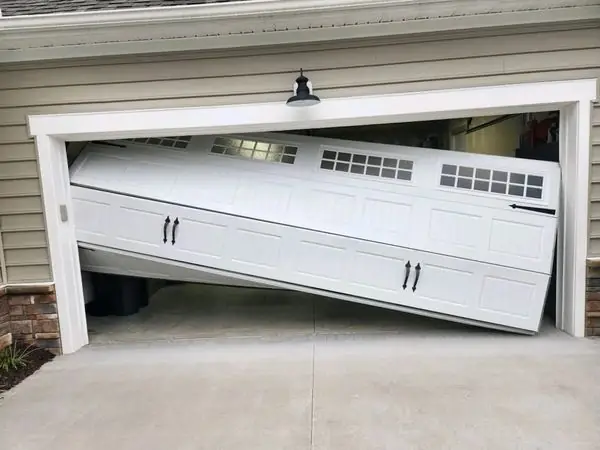
Worn Springs and Cables: Springs lose strength over time, and cables can fray. When they fail, door panels or the whole door can fall or snap violently.
Poor Maintenance: Lubrication, alignment, and part inspection often get neglected. Rusted parts, misaligned tracks, and loose hardware are common in damaged or old doors.
User Behavior: Risks stem from people misusing remote controls, letting children near moving doors, attempting to beat closing doors, or using manual override improperly.
Effects of Regulation and Improvements
The good news: regulations have made a difference. U.S. rules passed in 1993 mandated features like automatic reversal and photoelectric sensors for new garage door openers.
Since those regulations, injury rates have declined. For example, the average number of annual serious injuries with new equipment has dropped, including fewer fatalities among children.
Still, many older doors installed before regulations remain in service. These can lack safety mechanisms or have degraded components. Maintaining or replacing such parts is essential.
Real-World Cases to Note
A number of documented incidents illustrate how garage door injuries can be both sudden and severe. For instance, broken torsion springs have snapped violently, injuring users handling or working near them.
Instances where closing doors failed to reverse due to sensor malfunction have resulted in child injuries or worse; these cases led to stricter enforcement of safety standards.
Also, injuries caused by getting hands or fingers pinched between panels are among the most common everyday incidents, often occurring when doors move suddenly due to broken hardware or lack of maintenance.
Costs of Garage Door Injuries
Besides physical damage, garage door injuries carry financial and emotional costs. Medical bills, lost wages, rehabilitation, and sometimes permanent injury or disability add up. While exact national cost figures vary, several thousand dollars per incident is common for moderate injuries. Severe injuries can cost much more in hospital stays, surgeries, or ongoing care.
There are also indirect costs: property damage from falling doors, repair or replacement of damaged parts, and even liability in case of injuries occurring to visitors or children. These, combined with emotional trauma, make garage door safety a high-stakes issue.
What You Can Do to Stay Safe
Given how common and serious garage door injuries are, taking proactive safety steps is vital. Here are practical tips to reduce risk:
Inspect Regularly: Check springs, cables, rollers, tracks, and panels. Look for rust, gaps, fraying, or misalignment.
Test Safety Features: Test the auto-reverse mechanism every month. A common test is to place something under the door while it closes - if it doesn't reverse, repair immediately.
Keep Children Away from Moving Doors: They should never play with remotes or try to run underneath doors. Teach them to stand back.
Use Proper Maintenance: Lubricate moving parts, tighten loose hardware, keep tracks clean, replace worn components. Don't attempt to adjust springs yourself unless you are trained. Springs are high-tension and dangerous.
Upgrade Old Equipment: Replace doors or opener systems that lack reversal sensors or have outdated parts. Make sure new equipment meets current safety standards.
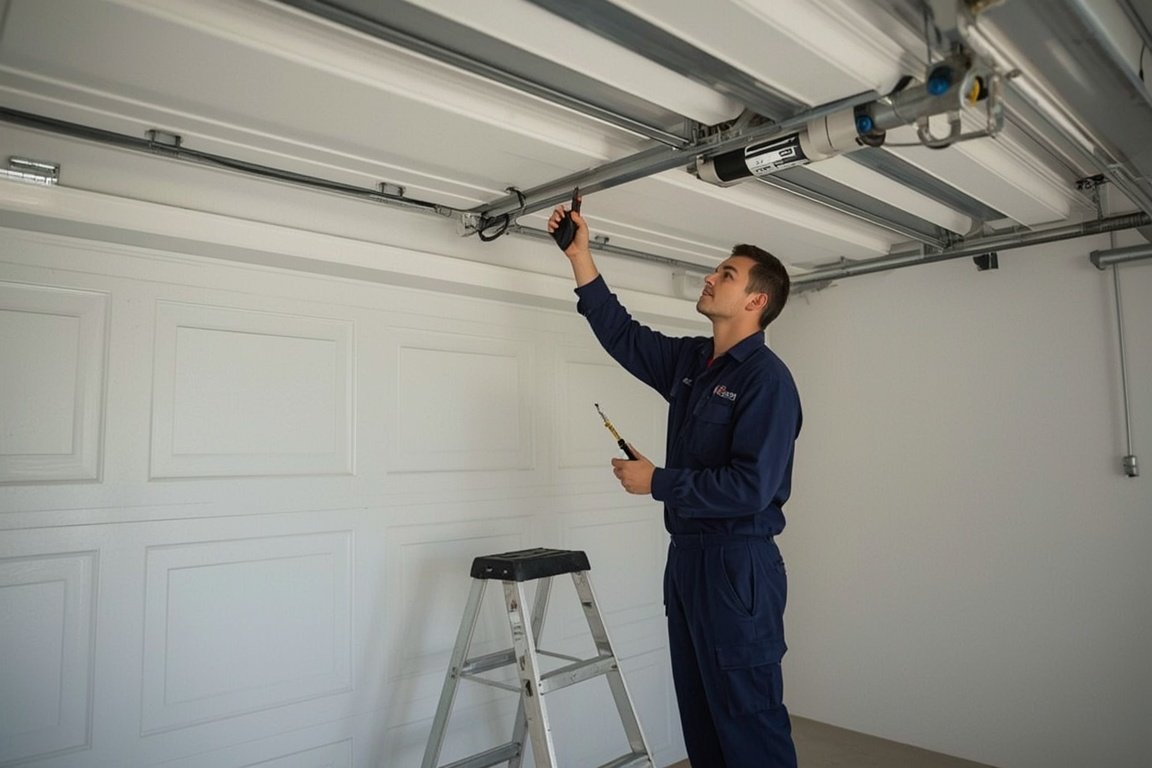
Hire Professionals for Repairs: Many injuries happen during DIY attempts. Licensed technicians have proper tools, training, and safety practices.
Why Many People Ignore the Risks
Despite these dangers, many homeowners delay repairs or ignore warning signs. Several reasons explain why:
Cost Concerns: Some fear replacing parts or the entire door will be expensive, so they postpone maintenance. Over time, this can lead to more severe, costly breakdowns.
Underestimating Danger: Many see doors as static, routine objects and don't think about how serious a falling panel or failed spring can be.
Lack of Awareness: Not everyone knows about safety regulations, what auto-reverse means, or how to check sensors. Education often lags behind technological standards.
DIY Culture: Some homeowners try to fix things themselves. Without correct training or tools, they may expose themselves to injury. Springs in particular are dangerous.
Conclusion
Garage doors are more than just a convenience - they are powerful mechanical systems with the potential for serious harm if ignored. With tens of thousands of injuries each year in the U.S., from finger pinches to crushing, head trauma, and worse, the statistics are a warning that safety upgrades, regular maintenance, and awareness are not optional.
Understanding the risks and acting to reduce them - inspecting your door, testing safety features, keeping children safe, using qualified repair services, and replacing outdated parts - can make a big difference. Safety regulations have helped, but many doors in homes are old and continue to operate without the protections required in newer equipment.
If your garage door shows signs of age, damage, or unsafe operation, don't wait. It may save someone from harm, or worse. Contact a trusted garage door service provider to assess and make sure your door is safe. Doing so protects your family, property, and peace of mind.
Skip the YouTube rabbit hole - we'll have a tech at your door same day across Broward, Dade and Palm Beach.