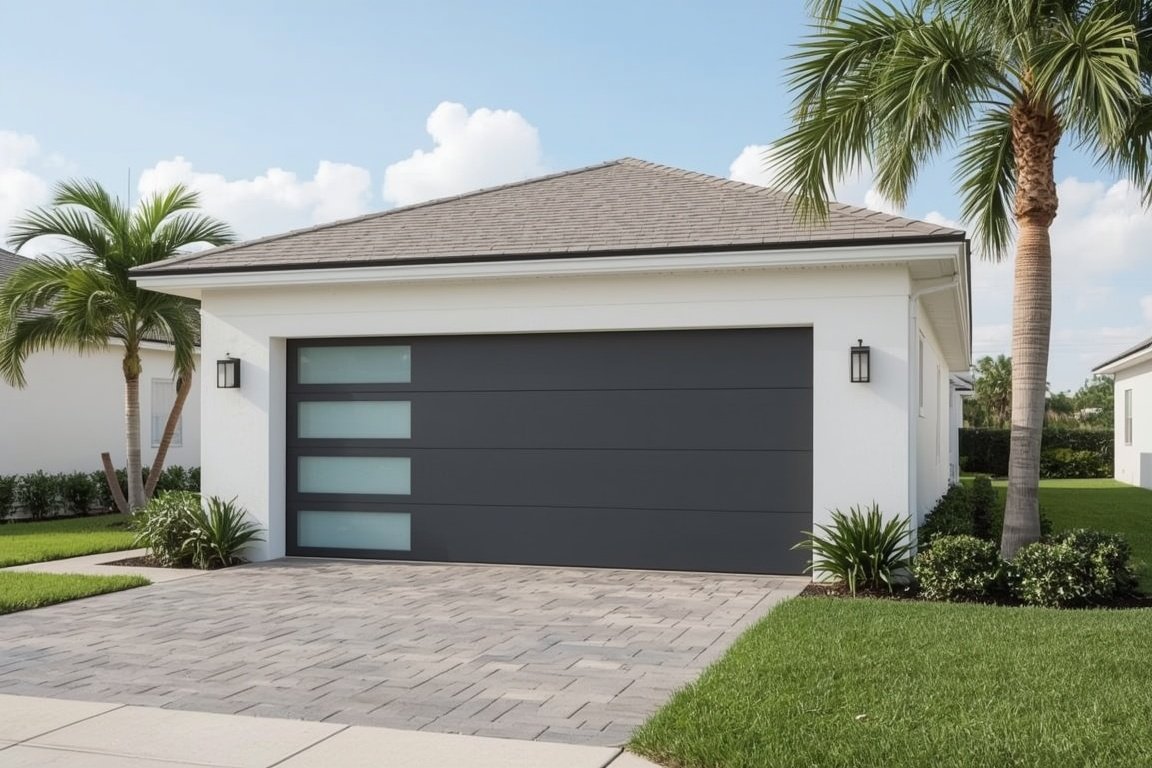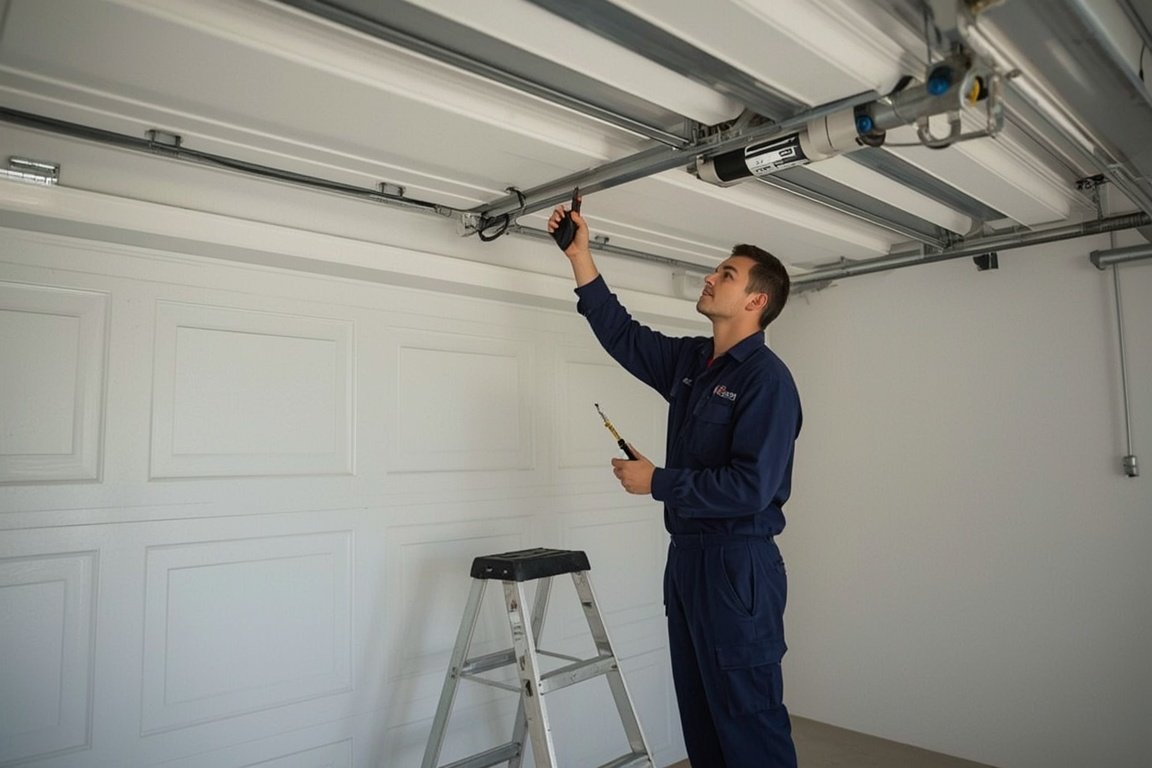
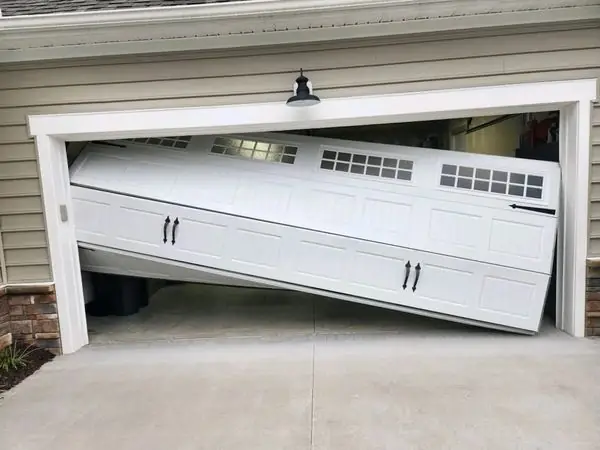
Garage doors are no longer simply functional components of a home. Modern advancements in technology are transforming garage doors into intelligent systems that offer enhanced convenience, security, energy efficiency, and smart home integration. The future of garage door technology promises exciting innovations that will change the way homeowners interact with their garages and improve overall home automation.
This article explores emerging trends, technological advancements, and potential future developments in garage door systems. By understanding these innovations, homeowners and industry professionals can prepare for the next generation of garage doors that combine functionality, safety, and smart technology.
1. Smart Garage Door Openers
One of the most significant advancements in garage door technology is the development of smart garage door openers. These devices allow homeowners to control their garage doors remotely through smartphones, tablets, or voice-controlled assistants such as Amazon Alexa, Google Assistant, and Apple HomeKit. Smart openers can monitor door activity, send alerts when the door is opened or left open, and integrate with security systems to enhance safety.
Future smart openers are expected to include advanced AI-driven features that learn user patterns and automate operations. For example, the system could automatically open the door as you approach in your car or adjust operation times based on daily schedules. Integration with GPS and geofencing technology will enable automatic opening and closing based on your location, providing a seamless and convenient experience.
2. Enhanced Security Features
Security has always been a priority for garage doors, but emerging technologies are taking protection to the next level. Advanced garage door systems now include features such as encrypted wireless communication, biometric access, two-factor authentication, and real-time monitoring. These measures reduce the risk of unauthorized access and provide peace of mind for homeowners.
Future security innovations may include facial recognition cameras, voice authentication, and AI-driven threat detection that can identify suspicious activity around the garage. Integration with home security systems will allow homeowners to receive instant alerts and remotely lock or close the garage door, enhancing safety for both property and family members.
3. Energy Efficiency and Insulation Innovations
Energy efficiency is becoming increasingly important in modern home design, and garage doors are no exception. Advances in insulation technology are improving the thermal performance of garage doors. High R-value insulation materials, combined with weather-stripping and airtight seals, reduce heat transfer, protect against moisture, and maintain comfortable garage temperatures.
Future innovations may include adaptive insulation that adjusts based on temperature and humidity levels, smart ventilation systems that prevent condensation, and energy-harvesting features such as solar-powered openers. These technologies will not only improve comfort and efficiency but also contribute to lower energy bills and a reduced environmental footprint.
4. Noise Reduction Technologies
Traditional garage doors can be noisy during operation due to metal components, springs, and rollers. Modern garage door technology is focused on creating quieter and smoother operation. Belt-driven openers, vibration-dampening rollers, and advanced spring systems contribute to a reduction in noise levels.
Future garage doors may incorporate smart materials and soundproofing innovations that further minimize noise. These doors could actively monitor vibration and adjust motor operation to eliminate unwanted sound, making them ideal for homes with living spaces above or adjacent to garages.
5. Integration with Home Automation Systems
The integration of garage doors into comprehensive smart home ecosystems is a major trend. Today, many smart garage door openers connect with lighting, security cameras, thermostats, and other home automation devices. Homeowners can automate routines such as turning on garage lights when the door opens or closing the door when leaving the house.
Future integration will likely involve more advanced AI systems capable of analyzing usage patterns, predicting needs, and automating complex sequences. For example, a smart garage system could coordinate with electric vehicle charging stations, turn on ventilation when the garage is in use, and manage energy consumption intelligently.
6. Advanced Materials and Durability
The materials used in garage doors are evolving to provide better durability, insulation, and aesthetics. Composite materials, high-strength aluminum, lightweight steel, and advanced polymers are replacing traditional wood and basic steel options. These materials resist corrosion, warping, and weather damage, extending the life of the door and reducing maintenance requirements.
Future garage doors may utilize self-healing coatings, nanotechnology for scratch resistance, and lightweight composite panels that offer superior insulation without adding bulk. Material innovations will enhance performance, reduce maintenance costs, and provide homeowners with doors that retain their appearance and function for decades.
7. Automated Maintenance and Diagnostics
Maintenance is a critical aspect of garage door operation. Future garage doors may incorporate self-diagnostic systems that detect issues such as misaligned tracks, worn springs, or failing openers. These systems could notify homeowners via smartphone or integrate with professional service providers to schedule preventive maintenance automatically.
Automated diagnostics reduce unexpected breakdowns, extend the lifespan of the door, and improve safety. AI-driven maintenance systems could also optimize lubrication schedules, adjust spring tension, and monitor component wear, minimizing human intervention and ensuring consistent performance.
8. Environmental and Sustainability Features
As sustainability becomes a priority, future garage doors may incorporate environmentally friendly features. Solar-powered openers, recycled materials, and energy-efficient manufacturing processes will contribute to greener homes. Additionally, doors may include smart ventilation and insulation systems to reduce energy consumption.
Some future doors may even feature energy-harvesting panels that convert sunlight or kinetic energy from opening and closing into usable electricity, powering the door or feeding energy back into the home grid. These innovations align with global trends toward eco-friendly construction and smart energy management.
9. Improved Accessibility and Universal Design
Accessibility is an important consideration in modern home design. Garage doors of the future will likely include features that make operation easier for people of all abilities. Voice control, smartphone access, adaptive opening speeds, and automated obstacle detection will improve usability for seniors and individuals with disabilities.
Universal design principles will also guide the placement of controls, emergency releases, and safety sensors, ensuring that garage doors are convenient and safe for everyone in the household.
10. Predictive Analytics and AI Integration
Artificial intelligence will play a growing role in garage door technology. AI systems could predict usage patterns, anticipate maintenance needs, and optimize energy consumption. Predictive analytics may also enhance security by identifying unusual activity, potential mechanical failures, or environmental hazards that could affect door operation.
Integration with smart home networks will allow AI to coordinate garage door operation with other systems such as lighting, climate control, and security cameras. This level of intelligence creates a seamless, responsive, and highly automated home environment.
11. Design and Aesthetic Innovations
The future of garage doors is not limited to functionality; aesthetics are evolving as well. Customizable panels, smart glass windows, LED lighting accents, and digitally controlled finishes will allow homeowners to match their doors to architectural styles, seasonal themes, or personal preferences.
Advanced manufacturing techniques such as 3D printing and CNC machining will enable unique designs that were previously impossible. These innovations will give homeowners more freedom to create a garage door that is both functional and a statement piece for their home.
12. Integration with Vehicle Technology
With the rise of electric and autonomous vehicles, garage doors will increasingly integrate with vehicles themselves. Future systems could communicate directly with cars, opening automatically when the vehicle approaches, adjusting door speed for safety, and coordinating with charging stations for electric vehicles.
Such integration will create a seamless experience, enhancing convenience and security while reducing energy waste and improving user experience for tech-savvy homeowners.
13. Maintenance-Free and Self-Repairing Components
One of the most exciting prospects for future garage doors is the development of self-repairing and maintenance-free materials. Smart composites, self-lubricating components, and corrosion-resistant alloys could reduce or eliminate the need for routine upkeep. Doors could automatically adjust spring tension, tighten fasteners, and detect minor damage before it becomes serious.
Maintenance-free technology will save homeowners time and money, increase safety, and ensure consistent operation without frequent service calls.
Conclusion
The future of garage door technology promises a blend of convenience, safety, durability, and integration with smart home systems. Advancements in smart openers, AI-driven automation, predictive maintenance, energy efficiency, noise reduction, security, and materials are transforming garage doors into intelligent systems that enhance the home experience. Homeowners will benefit from doors that operate seamlessly, communicate with vehicles and home networks, and require minimal maintenance.
As technology continues to evolve, garage doors will become increasingly integrated, sustainable, and adaptable to individual needs. The next generation of doors will not only protect and secure homes but also contribute to energy savings, accessibility, and aesthetic appeal. Staying informed about these innovations allows homeowners to make strategic decisions for upgrades and installations, ensuring a garage door that meets modern demands and anticipates future requirements.
Skip the YouTube rabbit hole - we'll have a tech at your door same day across Broward, Dade and Palm Beach.