Garage doors are essential components of a home, providing security, functionality, and aesthetic appeal. Selecting the right garage door is crucial, as it affects the overall look of your home, the convenience of access, and long-term durability. There are many types of garage doors available on the market, but three stand out as the most common: sectional, roll-up, and tilt-up (or canopy) doors. Each type has its own unique features, advantages, and potential drawbacks, making it important for homeowners to understand their options before making a decision.
This article provides a detailed guide to the three most common types of garage doors, including their construction, benefits, maintenance considerations, and suitability for different homes and lifestyles. By understanding these options, homeowners can make informed decisions and choose a garage door that meets their functional and aesthetic needs.
1. Sectional Garage Doors
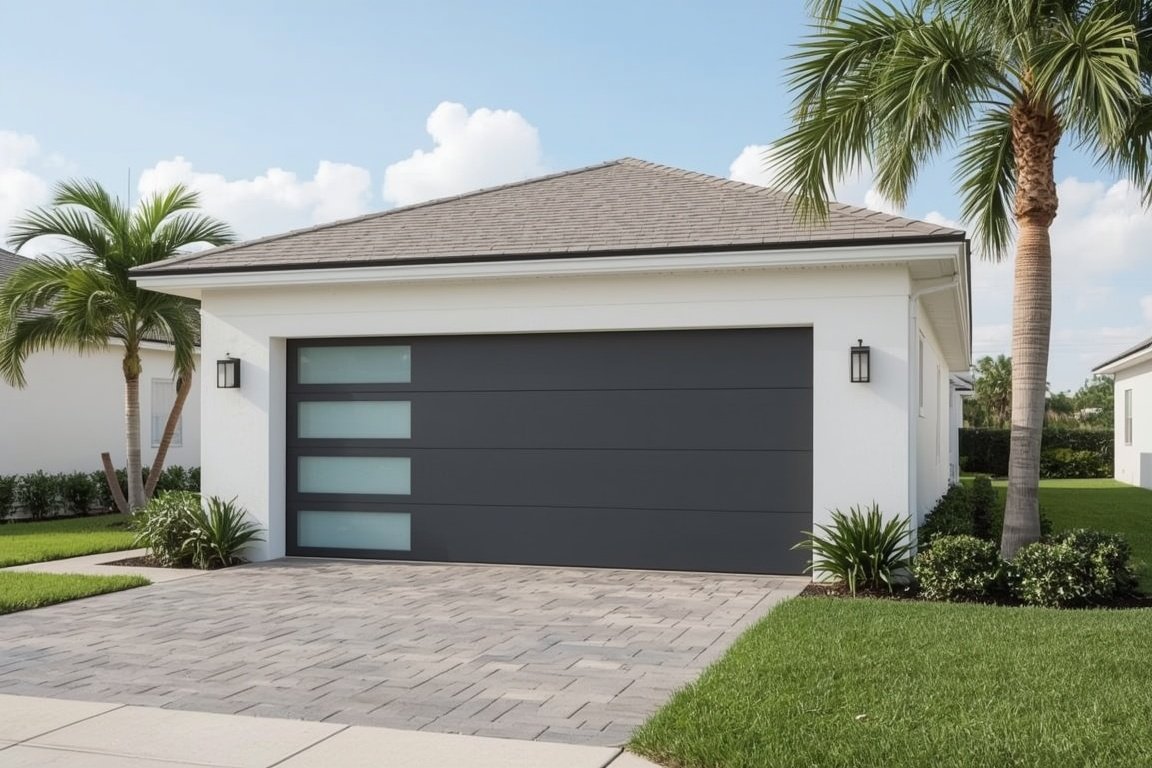
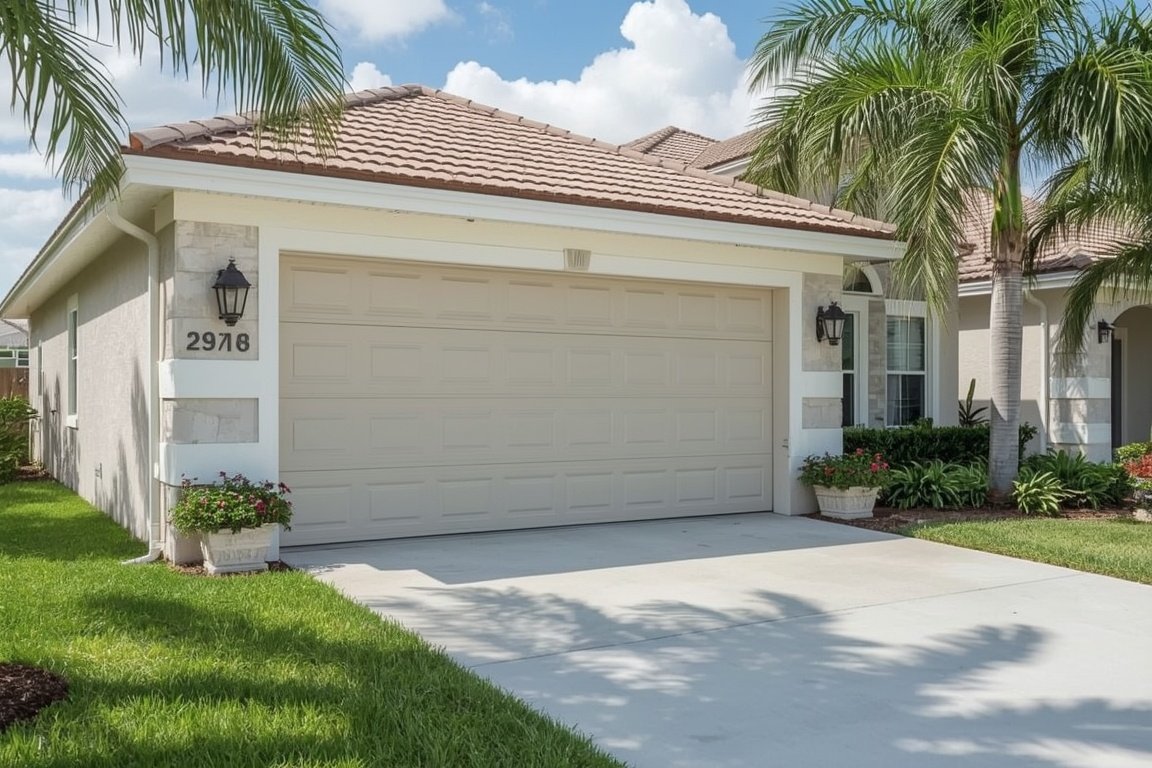
Sectional garage doors are composed of several horizontal panels that are hinged together. The door opens vertically and slides along tracks that curve from the top of the opening to the ceiling of the garage. Sectional doors are the most popular type of garage door, especially in residential settings, due to their versatility, durability, and efficient use of space.
Sectional doors are typically made from steel, aluminum, wood, or composite materials. Steel doors are strong, low-maintenance, and affordable, while aluminum doors are lightweight and resistant to rust. Wood doors provide a classic aesthetic but require more maintenance to prevent warping or decay. Composite materials offer the look of wood with added durability and low maintenance.
One of the key benefits of sectional doors is their ability to open vertically without requiring extra space in front of the garage. This makes them ideal for homes with driveways that may be limited in length. The door's construction also allows for better insulation, reducing heat loss and improving energy efficiency. Insulated sectional doors come with varying R-values, which help maintain comfortable garage temperatures and reduce energy bills.
Sectional doors are also highly customizable. Homeowners can choose from various panel designs, window options, and finishes to match the exterior style of their home. Safety features such as auto-reverse sensors, motion detectors, and emergency releases are commonly included or can be added for additional protection. Sectional doors provide smooth and quiet operation, particularly when paired with belt-driven openers.
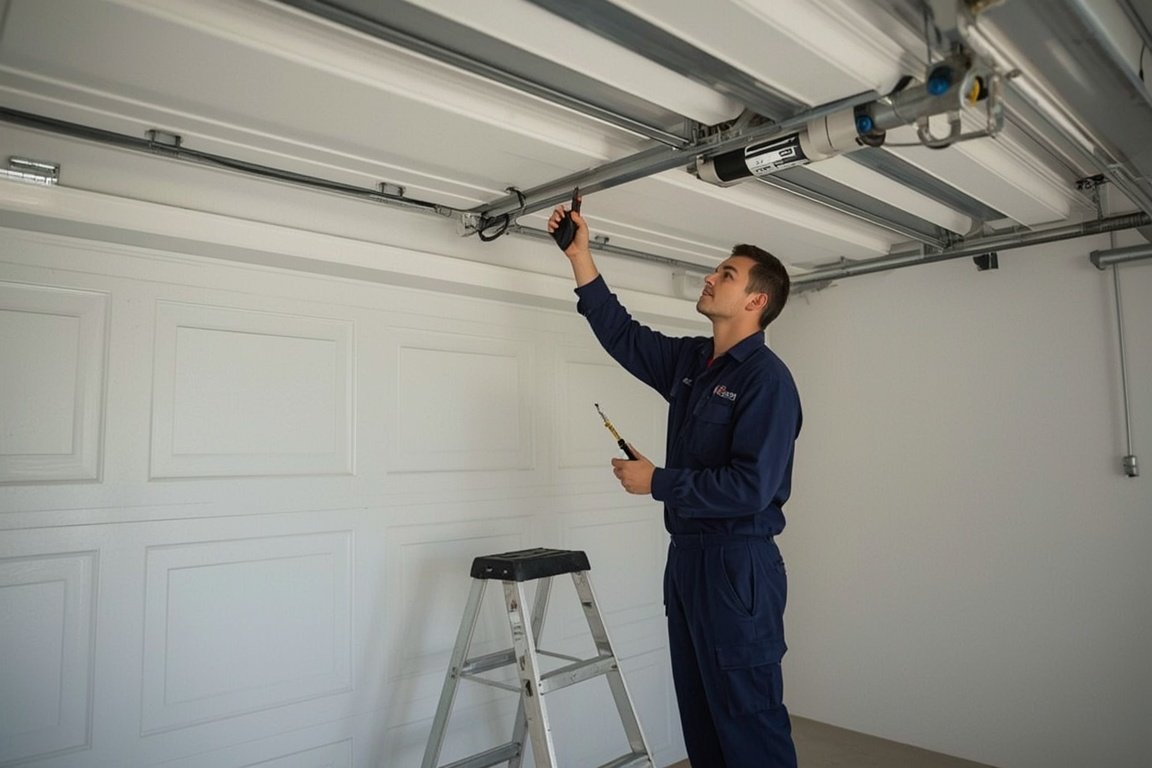
Maintenance for sectional doors is relatively straightforward. Regular inspection of the tracks, rollers, hinges, and springs is recommended, along with lubrication of moving parts. Proper care ensures long-term reliability and prevents common issues such as misalignment or wear of components. Professional installation is recommended to ensure correct alignment, balance, and safety compliance.
2. Roll-Up Garage Doors
Roll-up garage doors, also known as coiling doors, consist of narrow horizontal slats that roll up into a coil above the opening. These doors are typically made of steel or aluminum and are commonly used in commercial settings, though they are increasingly popular for residential garages due to their space-saving design and durability.
One of the primary advantages of roll-up doors is that they require minimal clearance both inside and outside the garage. Since the door rolls into a compact coil, it does not take up ceiling space, making it ideal for garages with limited headroom or for homeowners who need to maximize overhead storage. Roll-up doors are also suitable for driveways that are short or sloped, as the opening does not extend outward like tilt-up doors.
Roll-up doors are highly durable and resistant to harsh weather conditions. They can withstand wind, rain, and extreme temperatures better than many other types of doors. These doors are often made of galvanized steel or aluminum, which resists rust and corrosion, making them suitable for humid climates or coastal areas. Insulated roll-up doors are available and help maintain garage temperature while reducing noise during operation.
Security is another benefit of roll-up doors. Their construction makes it difficult for intruders to force entry, and they often come with reinforced locking mechanisms. Many models can also be automated, providing convenient remote operation and integration with smart home systems.
Maintenance for roll-up doors involves regular cleaning of the slats and tracks, lubrication of moving parts, and inspection of the spring and motor mechanisms. Roll-up doors generally require less frequent repairs than other types due to their durable construction, but professional maintenance ensures smooth operation and longevity.
3. Tilt-Up (Canopy) Garage Doors
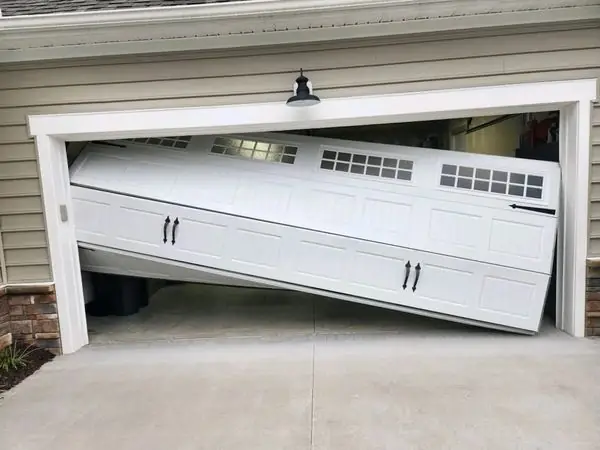
Tilt-up, or canopy, garage doors are constructed from a single solid panel that tilts outward and lifts to an overhead position when opened. This design is simple and cost-effective, making tilt-up doors a popular choice for older homes and budget-conscious homeowners. Unlike sectional or roll-up doors, tilt-up doors do not consist of multiple panels or slats, which gives them a smooth and clean appearance.
The main advantage of tilt-up doors is simplicity. Their single-panel construction reduces the number of moving parts, which can minimize maintenance needs. Installation is straightforward compared to sectional or roll-up doors, and they are typically less expensive. Tilt-up doors are available in wood, steel, or fiberglass, allowing homeowners to choose a material that suits their style preferences.
However, tilt-up doors require adequate space in front of the garage for proper operation. Since the door tilts outward, the driveway must be clear, and there must be enough room for vehicles to pass while the door is open. This limitation makes tilt-up doors less suitable for short or sloped driveways.
Security and insulation options for tilt-up doors are more limited than for sectional or roll-up doors. While steel models offer durability and some resistance to break-ins, wood or fiberglass doors may be more vulnerable. Insulation can be added, but it is generally less effective than in sectional doors. Safety features such as auto-reverse mechanisms and sensors are available but may require professional installation for optimal performance.
Maintenance for tilt-up doors includes lubrication of hinges and pivot points, inspection of the springs and hardware, and occasional refinishing of wooden panels. Regular maintenance ensures smooth operation and prevents sagging or misalignment over time.
Choosing the Right Garage Door Type
When selecting a garage door, homeowners should consider multiple factors, including space availability, aesthetic preferences, budget, durability, insulation, and security. Sectional doors are ideal for modern homes that require smooth operation, energy efficiency, and customization. Roll-up doors are excellent for garages with limited overhead space or for homeowners prioritizing durability and security. Tilt-up doors are suitable for simpler installations, budget-conscious projects, or homes with spacious driveways.
Climate and environmental conditions should also be considered. In areas prone to high humidity, rainfall, or strong winds, steel or aluminum doors with corrosion-resistant coatings may be preferred. Insulated doors are recommended in regions with temperature extremes to reduce energy costs and protect garage contents.
Professional installation is crucial for all types of garage doors. Proper alignment, spring tension, and hardware installation ensure safety, smooth operation, and long-term durability. Licensed installers also ensure compliance with local building codes and safety regulations.
Maintenance Considerations
Regardless of the type of garage door, regular maintenance is key to extending its lifespan and ensuring safe operation. Homeowners should inspect doors periodically, clean tracks and rollers, lubricate moving parts, and check the functionality of openers and safety sensors. Addressing minor issues early prevents larger problems, reduces repair costs, and keeps the door operating reliably.
Professional maintenance services can provide annual inspections, adjust springs and tracks, and ensure that safety features are fully functional. Maintenance also preserves the aesthetic appeal of the door by preventing rust, fading, or panel damage.
Conclusion
Understanding the three most common types of garage doors - sectional, roll-up, and tilt-up - is essential for making an informed decision about your home's garage door. Sectional doors offer versatility, insulation, and modern aesthetics. Roll-up doors provide durability, space-saving design, and security. Tilt-up doors are simple, cost-effective, and easy to install for homes with adequate driveway space.
Choosing the right garage door involves evaluating your specific needs, driveway layout, local climate, security requirements, budget, and maintenance expectations. Professional installation and regular maintenance are critical for safety, functionality, and long-term satisfaction. By understanding the features, benefits, and limitations of each type of garage door, homeowners can select the perfect door to enhance their home's curb appeal, convenience, and overall value.
Skip the YouTube rabbit hole - we'll have a tech at your door same day across Broward, Dade and Palm Beach.