
Garage doors are one of the most important functional components of a home. They provide security, insulation, and convenience, and they must meet safety standards and building codes to ensure proper operation. Keeping your garage door installation up to code is not just a legal requirement in many areas - it is also a critical step in protecting your family, your property, and your investment.
Building codes and safety regulations exist to prevent accidents, ensure structural integrity, and make sure garage doors operate reliably. Failure to comply can result in fines, costly repairs, insurance issues, or safety hazards. By following key tips and working with knowledgeable professionals, homeowners can ensure that their garage door installation meets current codes and performs safely for years.
1. Understand Local Building Codes
Before beginning any garage door installation, it is essential to understand the local building codes in your area. These codes vary by city, county, and state, and they dictate requirements for door size, materials, safety features, electrical wiring, and mechanical operation. Familiarize yourself with these regulations to ensure your installation complies with all legal requirements.
Local building departments or licensed contractors can provide guidance on code requirements. Following these rules prevents delays in permitting, ensures inspection approval, and protects your home from potential safety issues.
2. Hire Licensed and Certified Professionals
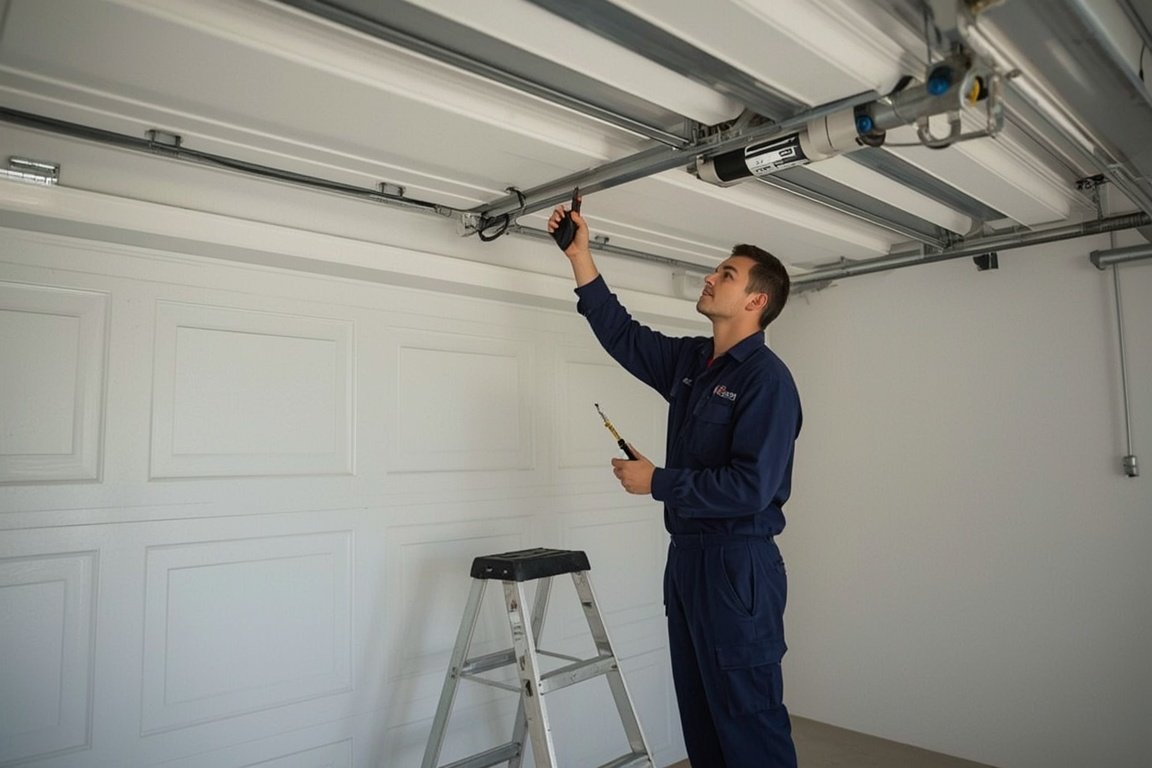
Garage door installation involves heavy doors, high-tension springs, and electrical components. Working with licensed and certified professionals ensures the installation is safe, efficient, and compliant with building codes. Certified technicians are trained to handle all aspects of the installation correctly, reducing the risk of accidents and code violations.
Licensed professionals also carry insurance, protecting homeowners in case of accidents or property damage during installation. Always verify credentials, ask for references, and choose companies with a proven track record of code-compliant installations.
3. Use Approved Materials and Components
Building codes often specify approved materials for garage doors, tracks, springs, and openers. Using non-approved or low-quality materials can compromise safety and lead to code violations. Ensure that all components meet industry standards and are certified for residential use.
For example, steel doors, reinforced torsion springs, and safety-certified openers are commonly required for compliance. Using high-quality materials not only ensures code compliance but also improves the longevity and reliability of your garage door system.
4. Install Proper Safety Features
Modern building codes require safety features to prevent accidents during garage door operation. Auto-reverse mechanisms, safety sensors, emergency release handles, and proper lighting are mandatory in many areas. These features prevent injury to children, pets, and property by ensuring the door stops or reverses when an obstacle is detected.
During installation, verify that all safety features are installed correctly, tested, and fully operational. Proper placement and calibration of sensors are crucial, as misaligned sensors may fail to detect obstacles, creating hazards and violating code.
5. Ensure Correct Spring and Hardware Installation
Garage door springs and hardware are under high tension and require precise installation. Torsion springs, extension springs, and brackets must be installed according to manufacturer specifications and code requirements. Incorrect spring installation can lead to accidents, door malfunction, and code violations.
Professionals use specialized tools to measure and set spring tension, ensuring smooth operation and reducing the risk of failure. All hardware, including rollers, tracks, and cables, should be securely fastened and aligned to meet safety standards.
6. Follow Proper Electrical Installation Guidelines
If your garage door includes an automatic opener, electrical wiring must comply with local electrical codes. This includes proper grounding, correct circuit installation, and the use of appropriate outlets and connectors. Faulty electrical installation can lead to fires, shocks, or malfunctioning openers.
Licensed electricians or certified garage door installers ensure that wiring meets code requirements. Additionally, any smart or connected garage door systems should be installed following manufacturer and code guidelines to ensure both functionality and safety.
7. Maintain Adequate Clearance and Space
Building codes specify minimum clearance requirements for garage doors to ensure safe operation and prevent damage. This includes space above the door, on the sides, and between the door and ceiling. Adequate clearance allows the door to operate smoothly and reduces the risk of collisions with objects, ceilings, or walls.
During planning, measure your garage carefully and ensure all clearances meet or exceed code requirements. Professionals can advise on modifications or adjustments needed to maintain compliance.
8. Conduct Regular Maintenance and Inspections
Keeping your garage door installation up to code is not a one-time task. Regular maintenance and inspections are necessary to ensure ongoing compliance and safe operation. Inspect springs, cables, rollers, tracks, and openers for wear, damage, or misalignment. Test safety features and auto-reverse mechanisms to confirm proper functionality.
Professional maintenance plans help identify potential violations or hazards before they become critical. Annual inspections by certified technicians can prevent accidents, prolong the life of your garage door, and ensure continuous compliance with building codes.
9. Install Proper Weatherproofing and Insulation
Some codes require weatherproofing and insulation, especially in areas with temperature extremes or energy efficiency regulations. Proper weather stripping, seals, and insulated doors reduce heat loss, protect the door from moisture damage, and improve energy efficiency. These measures may also be required for compliance with local energy codes.
Insulated doors, for example, provide better temperature regulation, reduce energy bills, and minimize wear on mechanical components. Choosing doors and seals that meet code ensures your installation is both safe and energy-efficient.
10. Ensure Proper Door Balance
A properly balanced garage door operates safely and reduces strain on springs, openers, and other components. Codes often specify functional requirements for smooth and reliable operation. A door that is off-balance can cause premature wear, malfunctions, or accidents, all of which can be considered code violations.
Technicians check the door balance during installation and make necessary spring adjustments. Regular checks maintain proper balance, prevent code violations, and ensure consistent, safe operation.
11. Provide Adequate Emergency Access
Codes require that homeowners and occupants can manually operate the door during power outages or emergencies. Emergency release mechanisms should be installed, accessible, and easy to use. Testing these mechanisms ensures compliance and provides peace of mind in case of electrical failure or other emergencies.
Emergency access mechanisms should also include safety instructions for users to prevent misuse or accidents. Proper labeling and education for household members are critical components of code-compliant installation.
12. Document and Keep Records of Installation
Keeping documentation of your garage door installation helps verify code compliance. Save invoices, installation manuals, permits, and inspection reports. Documentation can be valuable for insurance claims, future maintenance, or resale of your home. Clear records also help professionals perform maintenance or repairs while maintaining compliance.
Maintaining records demonstrates that the installation was performed according to code and can prevent disputes or fines in the future.
13. Plan for Long-Term Compliance
Building codes and regulations evolve over time. Planning for long-term compliance ensures your garage door remains safe and legal even as codes change. Stay informed about updates to local building standards and consider retrofitting or upgrading components as necessary.
Working with a professional who understands code requirements helps you stay ahead of changes and ensures that your garage door remains compliant for years. Routine inspections and maintenance support ongoing compliance and reduce the risk of code violations.
Conclusion
Keeping your garage door installation up to code is essential for safety, functionality, and peace of mind. Understanding local building codes, using approved materials, hiring licensed professionals, installing safety features, and following proper electrical, mechanical, and structural guidelines are critical steps in a compliant installation. Regular maintenance, inspection, and documentation further ensure long-term compliance and safe operation.
By following these tips, homeowners can avoid costly fines, prevent accidents, and maintain a reliable, efficient, and safe garage door system. A code-compliant installation protects your family, enhances property value, and provides long-lasting performance. Investing time and effort into proper planning, installation, and maintenance guarantees that your garage door meets safety standards and continues to serve your home effectively for years to come.
Skip the YouTube rabbit hole - we'll have a tech at your door same day across Broward, Dade and Palm Beach.