Installing a new garage door is a significant investment that enhances the functionality, security, and curb appeal of your home. Whether you are replacing an old door or building a new garage, careful planning is essential to ensure a smooth installation, long-lasting performance, and a design that complements your property. Many homeowners overlook important considerations, which can lead to unexpected costs, delays, and unsatisfactory results.
This comprehensive guide provides tips for planning a new garage door installation, covering everything from choosing the right door type to hiring professional installers and maintaining your new system. Following these tips will help you make informed decisions and enjoy a garage door that looks great, operates smoothly, and lasts for years.
1. Determine Your Garage Door Needs
Before choosing a new garage door, consider your specific needs. Ask yourself questions like: How often will the door be used? Do you need manual or automatic operation? Is insulation important for energy efficiency? Are safety features such as sensors and emergency releases necessary? Identifying your priorities will guide you in selecting the right door type, materials, and features.
For example, homes in colder climates benefit from insulated doors that reduce heat loss, while those in hot climates may prefer doors with reflective surfaces to reduce heat absorption. Garage doors with high-traffic usage should prioritize durability and reliable openers. Taking the time to understand your requirements ensures you choose a door that meets your needs both now and in the future.
2. Choose the Right Material
Garage doors come in a variety of materials, each with its benefits and drawbacks. Common options include steel, aluminum, wood, and composite materials. Steel doors are durable, low-maintenance, and affordable. Aluminum doors are lightweight and resistant to rust but may dent easily. Wood doors offer a classic aesthetic but require regular maintenance to prevent warping or decay. Composite doors mimic the look of wood while offering better durability and lower maintenance.
Consider factors such as climate, maintenance requirements, and aesthetic preferences when selecting materials. A durable material reduces long-term maintenance costs and ensures your garage door remains functional and attractive for years.
3. Select the Appropriate Door Style
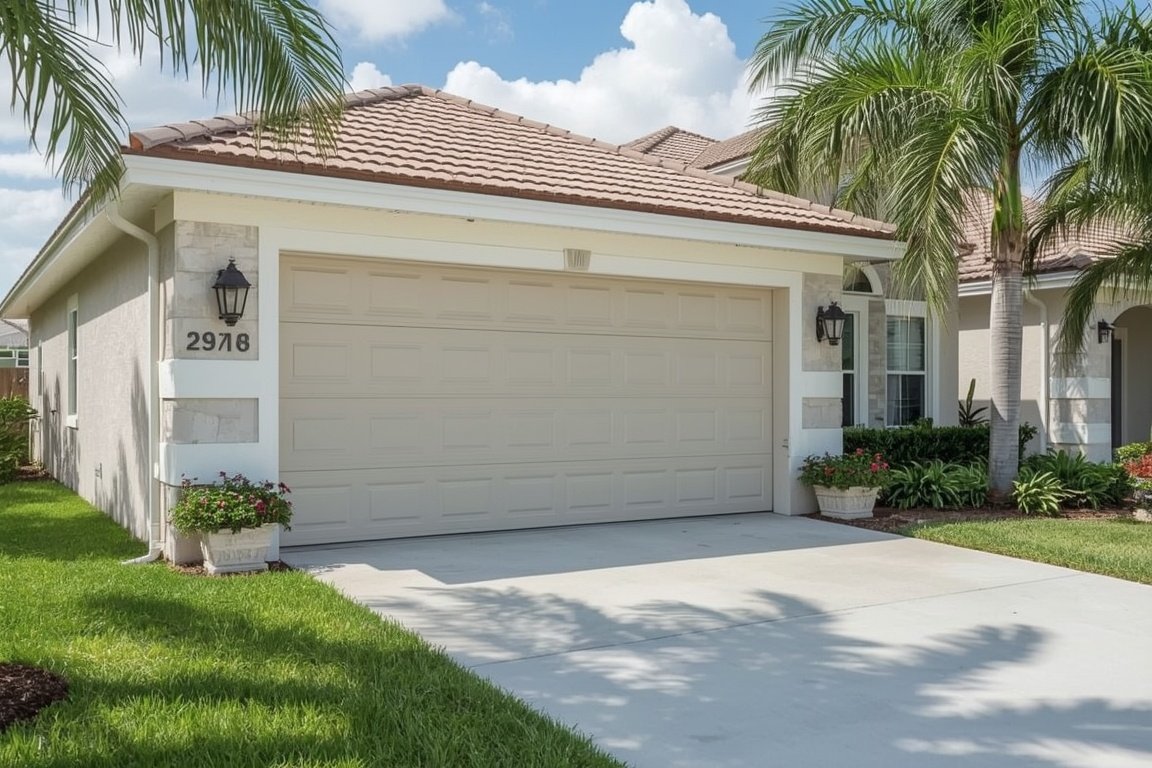
The style of your garage door significantly impacts your home's appearance. Popular styles include sectional, roll-up, tilt-up, and carriage-house doors. Sectional doors are the most common and offer smooth operation with minimal space requirements. Roll-up doors are ideal for tight spaces and provide maximum headroom. Tilt-up doors are simple and cost-effective, while carriage-house doors add a classic, elegant look to homes.
When selecting a style, consider how it complements the architecture of your home, the available space, and your functional requirements. The right style enhances curb appeal and increases your home's overall value.
4. Consider Insulation and Energy Efficiency
Insulated garage doors help maintain a comfortable temperature inside your garage and prevent energy loss in your home. Insulation is measured by the R-value, with higher values indicating better thermal performance. Homes with attached garages benefit the most from insulated doors, as they reduce heat transfer to living spaces.
Energy-efficient doors also reduce noise and improve overall comfort. Discuss insulation options with your installer to choose the appropriate thickness and material for your climate and budget.
5. Measure Your Garage Accurately
Accurate measurements are critical for a smooth installation. Measure the width, height, and depth of your garage opening, along with the space above the opening, inside the garage, and along the sides. Incorrect measurements can lead to delays, additional costs, or even a door that does not fit properly.
Most professional installers will take precise measurements before recommending a door, but having your own measurements ensures you understand your space and can discuss options with confidence.
6. Choose a Reliable Garage Door Opener
Automatic garage door openers provide convenience, security, and safety. There are several types, including chain-driven, belt-driven, and screw-driven openers. Chain-driven openers are affordable and durable but noisy. Belt-driven openers are quieter and smoother, ideal for homes with living spaces above or adjacent to the garage. Screw-driven openers require less maintenance but may be affected by temperature changes.
Consider features such as smart connectivity, battery backup, and security codes. Smart openers allow you to monitor and operate your garage door remotely, enhancing security and convenience. Selecting the right opener is essential for long-term satisfaction with your new garage door system.
7. Set a Realistic Budget
Garage door installation costs vary widely depending on materials, style, insulation, and additional features. Setting a realistic budget helps guide your decisions and prevents overspending. Include not only the cost of the door and opener but also installation, hardware, and optional features such as windows or decorative panels.
While it may be tempting to choose the cheapest option, investing in a quality door and professional installation reduces long-term maintenance costs and enhances durability. Think of your garage door as both a functional investment and an aesthetic upgrade to your home.
8. Hire Professional Installers
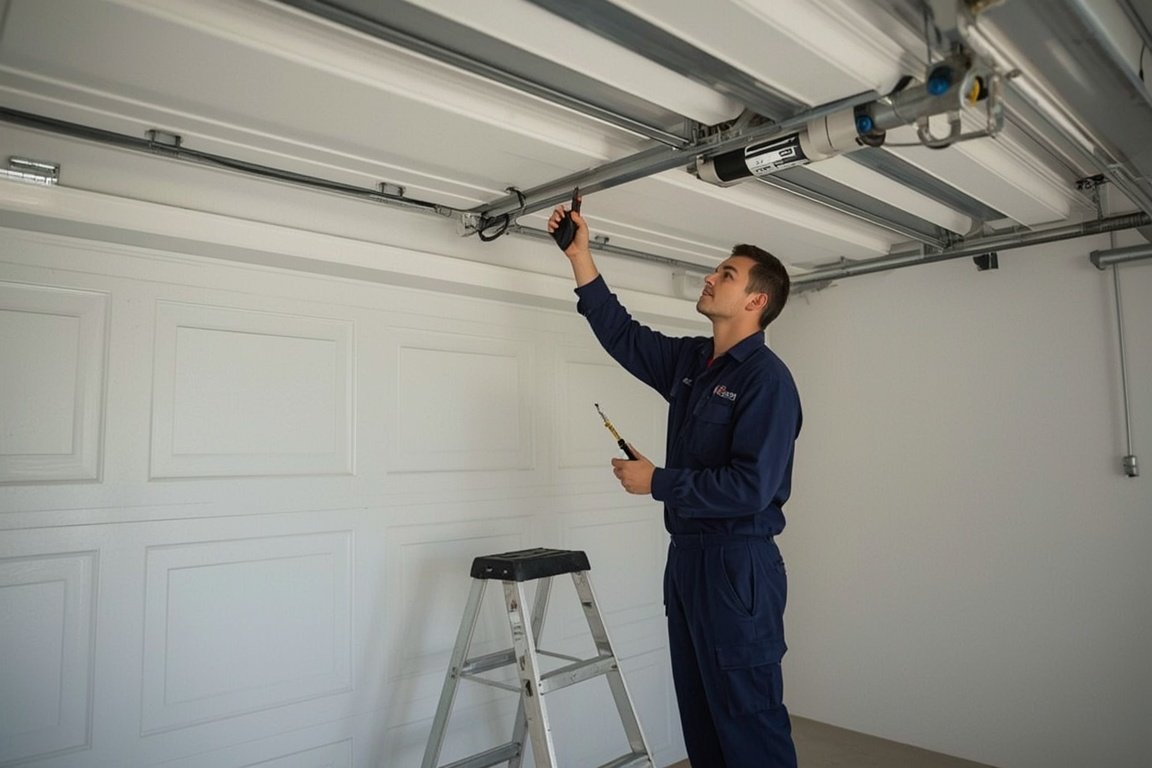
Proper installation is crucial for the safe and efficient operation of your garage door. Professional installers have the tools, experience, and training to handle heavy doors, high-tension springs, and complex openers safely. Improper installation can lead to operational issues, safety hazards, and costly repairs.
When hiring installers, check credentials, licenses, and insurance. Ask for references or reviews from previous customers. Experienced installers not only complete the job efficiently but also ensure all components are aligned, balanced, and fully functional.
9. Plan for Safety Features
Modern garage doors come equipped with safety features to prevent accidents. Auto-reverse sensors detect obstacles and stop the door from closing, while manual releases allow operation during power outages. Additional safety options may include motion detectors, safety lighting, and locking mechanisms.
Ensure that your new installation includes these features and that your installer tests them thoroughly. Properly functioning safety components protect your family, pets, and property from accidents or damage.
10. Consider Aesthetic Enhancements
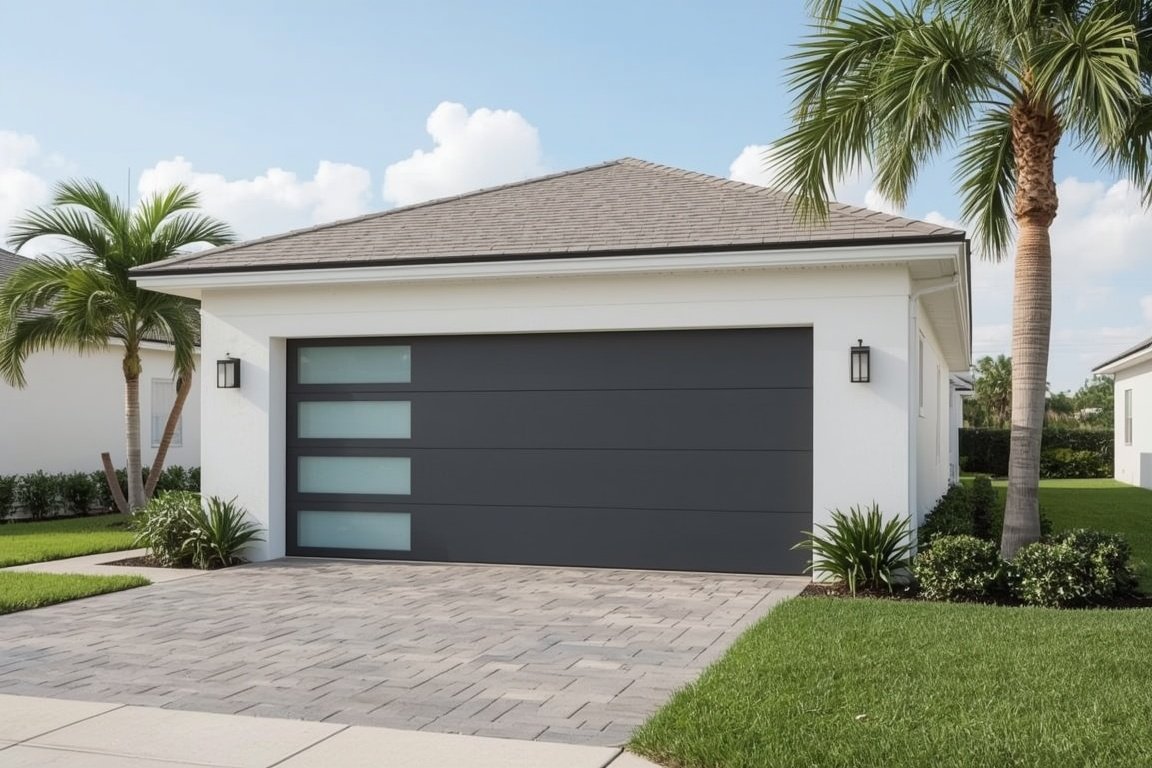
Your garage door is a prominent feature of your home's exterior. Choose colors, finishes, and decorative elements that complement your home's style. Windows, panels, and hardware can enhance curb appeal and create a personalized look. Coordinate with your home's color scheme and architectural design for a cohesive appearance.
A well-designed garage door adds significant visual appeal and can even increase the resale value of your property. Take the time to explore design options and envision how the new door will enhance your home.
11. Schedule Installation During Optimal Weather
Weather can impact the installation process, particularly in areas with extreme heat, cold, or rain. Schedule installation during moderate weather conditions to ensure smooth operation and proper alignment of components. Avoid attempting DIY installation in adverse conditions, as temperature and moisture can affect materials and hardware.
Professional installers are also aware of environmental factors and can adjust installation techniques to account for weather conditions, ensuring long-lasting performance.
12. Plan for Future Maintenance
Even a well-installed garage door requires periodic maintenance. Springs, rollers, cables, and openers need lubrication, adjustment, and inspection to ensure optimal performance. Discuss maintenance schedules with your installer and consider signing up for a professional service plan.
Proactive maintenance prevents costly repairs, reduces downtime, and extends the lifespan of your garage door. Planning for future care ensures your investment remains in excellent condition for years to come.
13. Confirm Warranty and Service Options
Before finalizing your installation, review warranty coverage for the door, opener, and any accessories. Warranties protect you from defects, malfunctions, or premature wear. Ask your installer about the duration, coverage, and any exclusions of the warranty. Choose a company that offers reliable after-sales support for repairs, adjustments, and routine maintenance.
A strong warranty provides peace of mind and protects your investment. Ensure all warranty documentation is in writing and clearly explains what is covered and how to request service if needed.
14. Communicate Clearly with Your Installer
Effective communication with your installer is critical for a successful installation. Discuss your preferences, functional requirements, design choices, and budget upfront. Ask questions about materials, maintenance, and potential upgrades. Clear communication ensures that your expectations are met and that the installation process proceeds smoothly.
Installers who listen carefully and provide guidance help homeowners make informed decisions. Open dialogue reduces misunderstandings and ensures a positive experience.
Conclusion
Planning a new garage door installation requires careful consideration of functionality, safety, aesthetics, and budget. Key steps include identifying your needs, selecting the right material and style, considering insulation, measuring accurately, choosing a reliable opener, and hiring professional installers. Additional factors such as safety features, maintenance plans, warranties, and effective communication contribute to a successful, long-lasting installation.
By following these tips, homeowners can ensure a smooth installation process, a durable and efficient garage door, and enhanced curb appeal. Investing time in planning and working with experienced professionals guarantees that your new garage door meets your expectations, functions safely, and adds value to your home for years to come. Proper planning today prevents costly problems tomorrow and ensures that your garage door remains a reliable and attractive part of your property.
Skip the YouTube rabbit hole - we'll have a tech at your door same day across Broward, Dade and Palm Beach.