Garage door springs are essential components that help lift and lower your garage door with ease. They bear the weight of the door, balancing it to ensure smooth operation. However, because springs are constantly under tension, they are susceptible to wear and tear, corrosion, and eventual breakage. A broken spring can be dangerous, causing the door to drop suddenly, damage property, or even injure someone. Preventing broken or damaged garage door springs is therefore crucial for both safety and efficiency.
With proper maintenance, timely inspection, and some practical precautions, you can significantly extend the lifespan of your garage door springs. This article provides a comprehensive guide with tips to help you prevent broken or damaged garage door springs, ensuring safe and reliable operation for years to come.
1. Regular Inspection of Springs
One of the most effective ways to prevent spring failure is to inspect your garage door springs regularly. Check both torsion and extension springs for signs of wear, corrosion, gaps in coils, or unusual stretching. Even minor rust or misalignment can weaken the spring over time. A visual inspection once every few months is a good practice, especially in areas with high humidity or coastal environments where rust forms more quickly.
While inspecting, make sure the door is closed and securely supported. Look for uneven coils or missing components, as these can be early warning signs. If you notice any irregularities, contact a professional garage door technician immediately to prevent complete spring failure.
2. Lubricate Springs Regularly
Lubrication is essential to reduce friction and wear on garage door springs. Using a high-quality silicone-based or lithium-based garage door lubricant on the springs helps them move smoothly along the shaft and reduces the likelihood of metal fatigue. Lubricated springs operate more quietly, efficiently, and last longer.
Avoid using grease, as it can attract dust and debris, which may cause additional friction. Apply lubricant evenly along the entire length of the spring, including the ends where it attaches to the brackets. Lubrication should be done every six months or according to the manufacturer's recommendations.
3. Keep Springs Clean and Free from Rust
Rust and corrosion are major contributors to spring failure. Moisture, humidity, and even dust can cause rust over time, weakening the metal. To prevent this, clean your garage door springs periodically with a dry cloth or brush. If you notice rust forming, gently remove it using a wire brush and then lubricate the spring to protect it.
For homes near the coast or in high-humidity areas, consider applying a protective coating or anti-rust spray to the springs. This extra layer of protection helps prolong the life of your garage door springs and ensures consistent performance.
4. Balance Your Garage Door
An unbalanced garage door can put excessive stress on the springs, causing them to wear out more quickly. To check if your door is balanced, disconnect the opener and manually lift the door halfway. If the door stays in place, it is balanced. If it rises or falls on its own, the springs need adjustment.
Balancing a garage door requires technical skill, as torsion springs are under high tension. Professional technicians can adjust the springs safely, ensuring that the weight of the door is evenly distributed. A properly balanced door reduces stress on springs, openers, and rollers, preventing premature damage.
5. Avoid Excessive Door Use
Garage door springs are rated for a specific number of cycles, with one cycle being a complete open and close of the door. Frequent use, especially multiple openings per day, can accelerate wear. If your garage door sees heavy daily use, consider using high-cycle springs designed for more than 25,000 cycles. This type of spring is more durable and suited for high-traffic households.
Minimizing unnecessary usage and avoiding repeatedly forcing the door open or closed helps extend the life of the springs. Encourage all family members to operate the door gently and use the opener as intended to prevent excess strain on the system.
6. Protect Springs from Physical Damage
Physical damage, such as dents or bending, can weaken garage door springs and lead to breakage. Avoid storing heavy objects near the door mechanism, as they could accidentally strike the springs. Additionally, prevent pets and children from playing near the garage door to minimize accidental damage.
Do not attempt to manually force the door if it feels stuck, as this can place extreme stress on the springs. Instead, call a professional to diagnose and repair the issue safely.
7. Monitor Temperature Effects
Extreme temperatures can affect the lifespan of garage door springs. Cold weather can make the metal brittle, while excessive heat can soften it, increasing the risk of breakage. In regions with harsh winters or extremely hot summers, extra precautions such as lubrication and periodic inspection are essential.
Installing insulated doors or protecting your garage from temperature extremes can help reduce stress on the springs. Some homeowners also opt for high-quality, temperature-resistant springs that are specifically designed to withstand such conditions.
8. Schedule Professional Maintenance
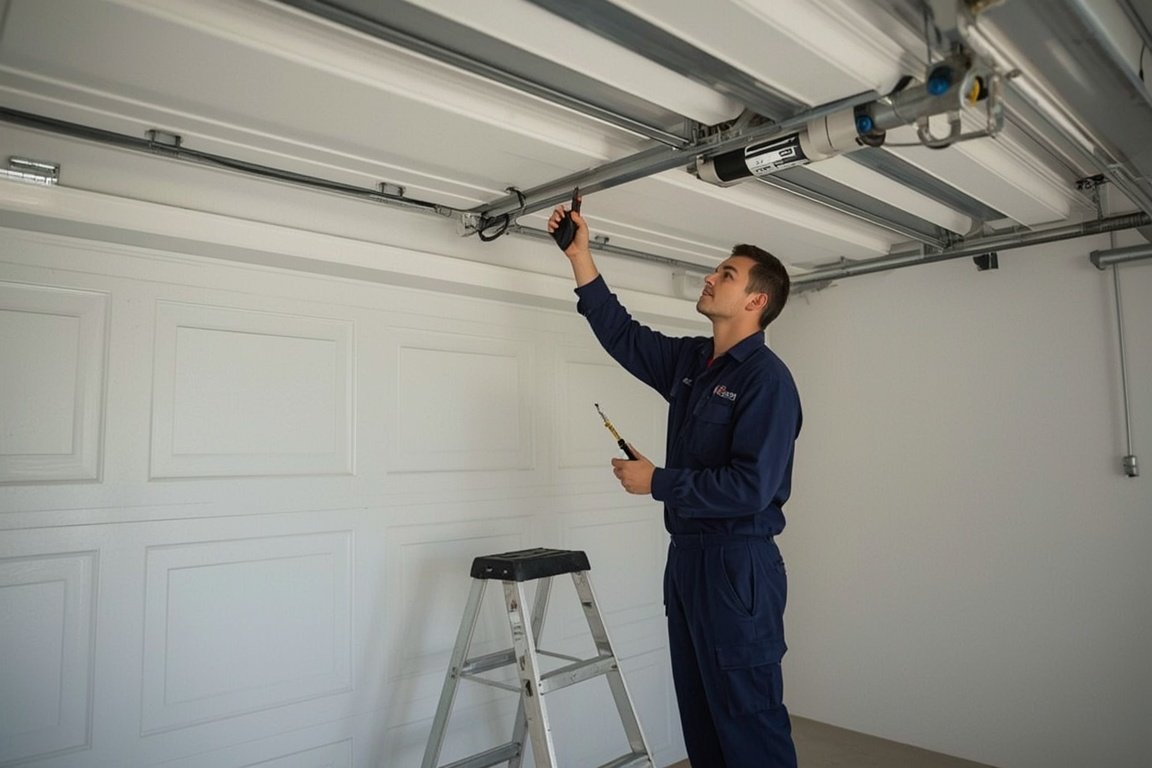
While homeowners can perform basic inspections and lubrication, professional maintenance is crucial to prevent broken or damaged springs. Technicians have the experience, tools, and knowledge to identify subtle issues that may go unnoticed. They can perform spring adjustments, replace worn components, and ensure the entire garage door system is operating safely and efficiently.
Scheduling maintenance at least once a year helps catch potential problems early, preventing emergency repairs. Many professional companies offer maintenance plans that include inspection, lubrication, and minor repairs, providing peace of mind and extended lifespan for your springs.
9. Use High-Quality Springs
Not all garage door springs are created equal. Low-quality springs are more prone to corrosion, fatigue, and breakage. Investing in high-quality, durable springs from reputable manufacturers ensures longer life and reliable operation. Ask your repair company about premium options, such as heavy-duty torsion springs or high-cycle springs, especially if your garage door experiences frequent use.
High-quality springs may cost more initially, but they reduce long-term maintenance, emergency repairs, and the risk of accidents. Combining quality springs with proper care significantly lowers the likelihood of failure.
10. Avoid DIY Repairs on Springs
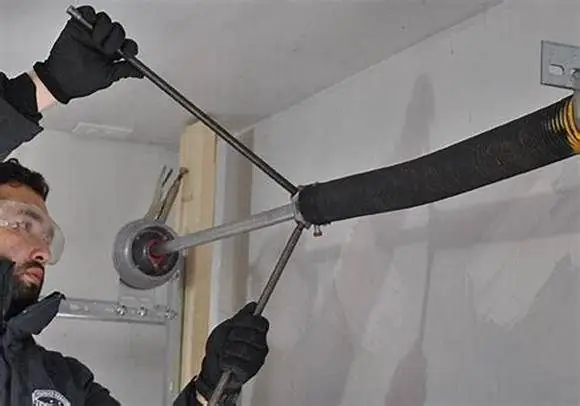
Garage door springs are under extreme tension, and attempting to repair or replace them without proper training is extremely dangerous. A misstep can cause serious injury or damage to your property. Always hire a professional technician for any repair, replacement, or adjustment of springs. Certified technicians have the right tools and knowledge to handle springs safely.
Even seemingly minor DIY attempts, like attempting to lubricate improperly or adjust tension without proper knowledge, can lead to catastrophic failures. Safety should always be the top priority when dealing with garage door springs.
11. Educate Family Members on Proper Use
Preventing broken springs also involves responsible use. Educate all household members on how to operate the garage door safely. Avoid forcing the door, slamming it shut, or tampering with the springs. Using the opener correctly and following manufacturer guidelines reduces unnecessary strain on the springs and prolongs their lifespan.
Children and pets should be kept away from the garage door mechanism to prevent accidental damage. Proper education ensures safe and efficient operation for all users.
12. Upgrade Springs for Older Doors
If your garage door is older, consider upgrading the springs to modern, durable models. Older springs may have already undergone significant wear, making them prone to sudden failure. Professional technicians can evaluate your system and recommend high-quality replacements that match the door's weight and usage requirements.
Upgrading not only improves safety but also enhances door performance, reduces noise, and minimizes stress on the opener and other components.
13. Monitor Signs of Wear and Tear
Early detection of wear is critical. Look for signs like frayed cables, stretched springs, uneven movement, or unusual noises. Even minor issues can lead to spring breakage if left unaddressed. Regularly observing the door's operation helps homeowners identify problems before they become emergencies.
Documenting the condition of your springs and other components allows you to track deterioration over time and schedule proactive maintenance.
Conclusion
Garage door springs are vital for the safe and smooth operation of your garage door. Preventing broken or damaged springs requires a combination of regular inspections, proper lubrication, careful use, and professional maintenance. Protecting springs from rust, physical damage, temperature extremes, and excessive cycles is equally important.
By following these tips - inspecting, lubricating, balancing, using high-quality springs, scheduling professional maintenance, and educating family members - you can significantly extend the life of your garage door springs. This not only enhances safety and reliability but also reduces the likelihood of costly emergency repairs.
Investing time and effort into proper spring care ensures your garage door operates smoothly and safely for years. Always prioritize safety, use professional services for repairs or replacements, and maintain a regular schedule of inspection and maintenance. A well-maintained garage door spring system protects your home, vehicles, and family, providing peace of mind and reliable performance every day.
Skip the YouTube rabbit hole - we'll have a tech at your door same day across Broward, Dade and Palm Beach.