Garage door springs are one of the most critical components of a garage door system. They counterbalance the weight of the door, making it possible to open and close it safely with minimal effort. However, despite their importance, springs can fail over time, leading to dangerous situations and costly repairs. Understanding why garage door springs break is essential for homeowners to prevent accidents, extend the life of their doors, and maintain smooth operation.
1. Natural Wear and Tear
Garage door springs are under constant tension and undergo repeated cycles each time the door opens and closes. Most springs are rated for around 10,000 cycles, with one cycle being a full open and close of the door. Over time, even the best springs will fatigue due to repeated stress, eventually leading to breakage. Homes with high garage door usage may reach this limit faster, making wear and tear the most common reason for spring failure.
2. Lack of Proper Maintenance
Springs require regular maintenance to remain in good condition. Without proper lubrication, springs can dry out, causing friction and rust to form on the coils. Rust increases the likelihood of snapping and accelerates wear. Homeowners should inspect their springs periodically, lubricate them with a high-quality silicone-based garage door lubricant, and check for signs of rust, corrosion, or deformation.
3. Rust and Corrosion
Environmental factors like humidity and moisture can cause garage door springs to rust. Rust weakens the metal, making it brittle and prone to breaking. Homes near coastal areas or with high humidity are especially susceptible. Regular cleaning, lubrication, and using corrosion-resistant springs can help prevent rust and extend the lifespan of the springs.
4. Improper Installation
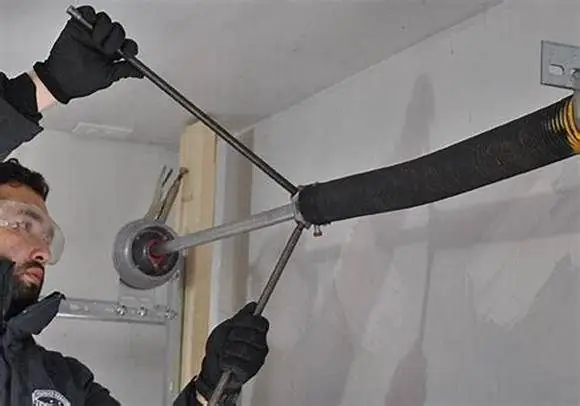
Springs that are installed incorrectly can fail prematurely. Using the wrong size spring, improper winding, or incorrect placement can put uneven stress on the coils, leading to breakage. Professional installation is essential, as trained technicians ensure the springs are correctly matched to the weight and size of the door and properly tensioned for safe operation.
5. Overloading the Garage Door
Adding extra weight to your garage door, such as insulation, heavy panels, or decorative features, can strain the springs. Springs are designed to lift a specific weight range, and overloading them forces the metal to work harder than intended. Over time, this extra stress can cause the springs to snap. It is important to only add weight within the manufacturer's specifications and ensure that springs are correctly rated for the door.
6. Frequent Use
Homes that open and close their garage doors multiple times a day put more stress on the springs. Each opening and closing counts as one cycle, so frequent usage can significantly reduce the lifespan of the springs. In commercial applications or households with multiple cars, springs may need replacement more often to accommodate the high number of cycles.
7. Temperature Extremes
Garage door springs are made of metal, which expands and contracts with temperature changes. Extreme cold can make the metal brittle, while extreme heat can soften it. These temperature fluctuations can weaken the springs over time and increase the likelihood of breaking, especially for springs that are already nearing the end of their lifecycle.
8. Damaged or Misaligned Cables
Garage door springs work in conjunction with lift cables to safely move the door. If cables are frayed, misaligned, or broken, the stress on the springs increases, causing them to wear out faster. Regular inspections of the cables and pulleys, along with prompt replacement of damaged components, are essential to prevent spring failure.
9. Poor Quality Springs
Not all garage door springs are made equal. Cheap or low-quality springs may not meet industry standards and can break prematurely. Investing in high-quality, reliable springs from reputable manufacturers ensures durability, safety, and longer lifespan. Homeowners should avoid cutting corners when replacing springs.
10. Lack of Professional Inspection
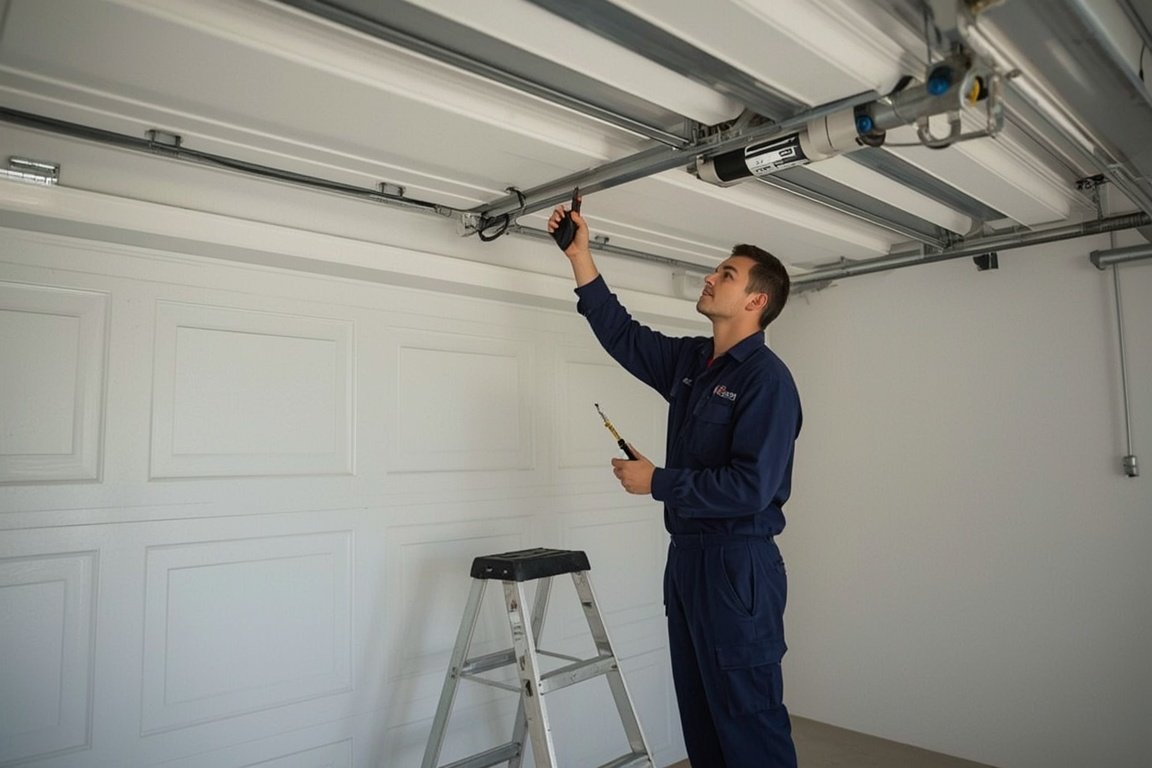
Many homeowners do not schedule regular professional inspections of their garage door systems. Professionals can identify early signs of wear, rust, or imbalance in springs and other components. Regular inspections allow proactive maintenance, preventing sudden spring breakage that can cause damage or injury.
11. Extreme Door Misalignment
If the tracks or panels of a garage door are misaligned, it can put uneven pressure on the springs. Springs may be forced to bear more weight on one side, leading to premature failure. Ensuring proper alignment of the tracks, panels, and rollers is critical to balanced spring operation and safety.
12. Accidental Damage
Garage door springs can also break due to accidental impact or tampering. Improper handling during DIY repairs, dropping heavy objects on the door, or sudden force applied to the door can damage springs. Always exercise caution when working around springs and avoid attempting high-risk repairs without professional guidance.
Preventive Measures
Preventing spring breakage involves regular maintenance, inspection, and proper usage. Key preventive measures include:
- Lubricating springs with high-quality silicone-based garage door lubricant
- Scheduling professional inspections annually
- Ensuring the door is balanced and aligned properly
- Replacing damaged cables, rollers, or other components promptly
- Using high-quality springs suitable for the weight and frequency of use
- Avoiding excessive door modifications that add extra weight
Safety Considerations
Garage door springs store a large amount of energy, and a sudden break can cause serious injuries or property damage. Homeowners should never attempt to repair or replace springs themselves unless they have proper training and tools. Hiring a licensed garage door technician ensures safety, correct installation, and compliance with industry standards.
Signs That Springs Are Failing
Identifying signs of spring failure early can prevent accidents and costly repairs. Common indicators include:
- Visible gaps in the coil or broken ends
- Difficulty opening or closing the door
- Loud banging noises when operating the door
- Uneven or jerky movement
- Garage door feels unusually heavy
Regular monitoring allows homeowners to take action before a complete spring failure occurs.
Conclusion
Garage door springs are vital for the safe and smooth operation of any garage door. Understanding the top reasons why springs break - natural wear, lack of maintenance, rust, improper installation, overloading, frequent use, temperature extremes, damaged cables, poor quality, and misalignment - helps homeowners prevent accidents and prolong the life of their doors. Regular maintenance, timely inspections, and professional repairs are essential to ensure safety and efficiency.
Investing in high-quality springs and adhering to maintenance schedules will save homeowners money, reduce stress, and keep their garage doors functioning reliably for years. Whether your garage door sees heavy use, faces humid conditions, or is simply aging, being aware of the causes of spring breakage is the first step in keeping your door safe, operational, and durable.
Skip the YouTube rabbit hole - we'll have a tech at your door same day across Broward, Dade and Palm Beach.