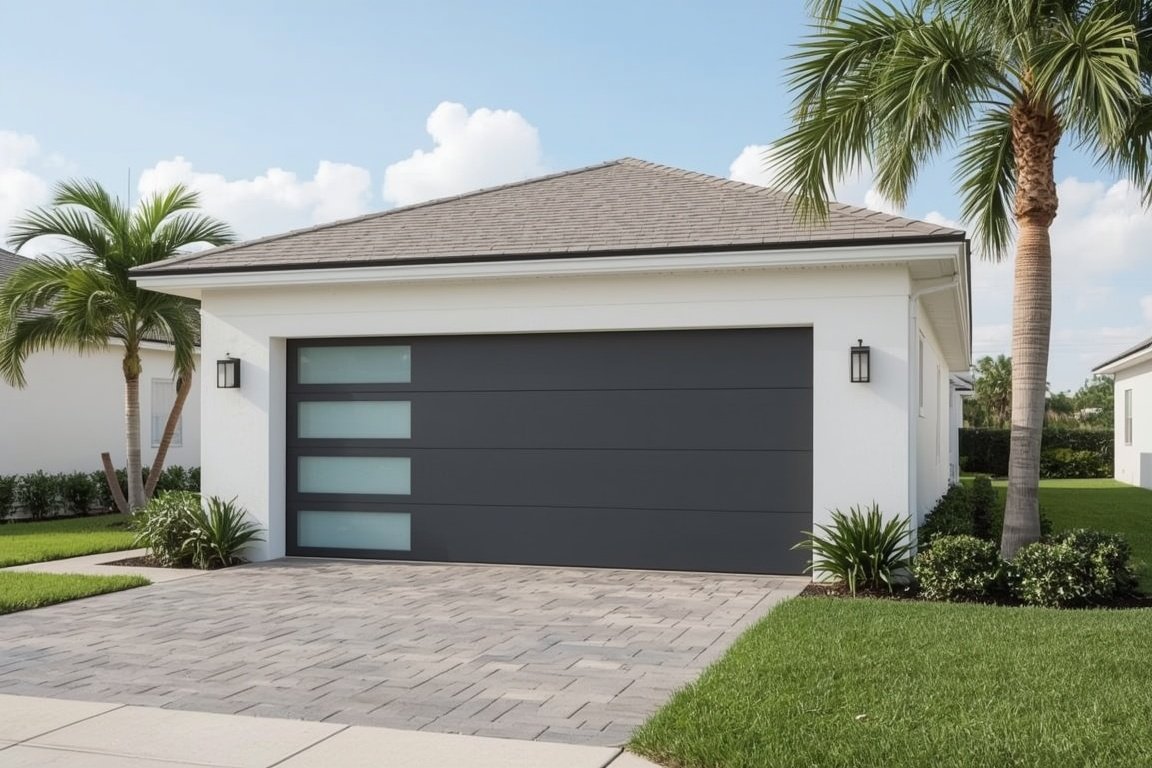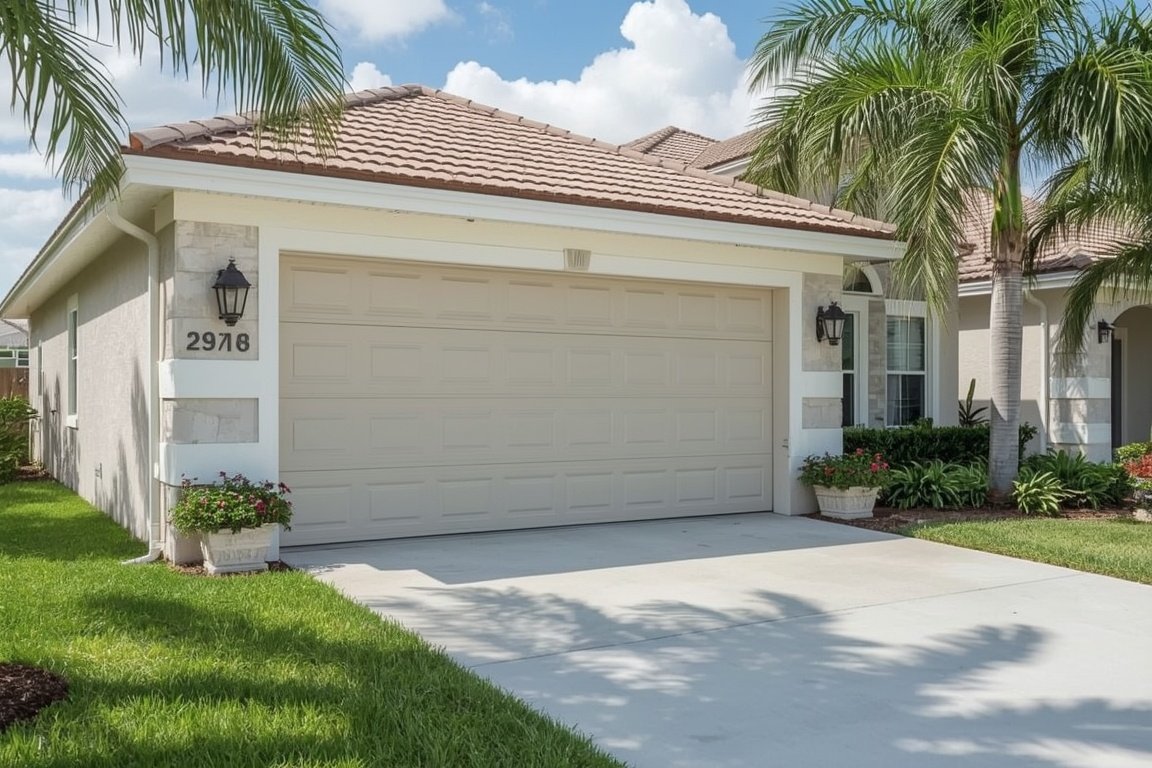
Your garage door opener is the heart of your garage system, providing convenience, security, and smooth operation. Over time, older openers may become noisy, inefficient, or lack the modern safety and smart features available today. Upgrading your garage door opener not only improves functionality but also enhances security, energy efficiency, and your overall home experience.
Why Consider Upgrading Your Garage Door Opener?
Many homeowners delay upgrading their garage door openers until failure occurs. However, there are multiple reasons to proactively consider an upgrade:
- Noise reduction: Modern openers, especially belt-driven models, operate quietly compared to older chain-driven openers.
- Improved security: New openers include rolling code technology and smart connectivity that prevent unauthorized access.
- Smart home integration: Advanced models allow remote access, notifications, and integration with smart home systems.
- Enhanced safety: Modern openers have improved auto-reverse mechanisms, motion sensors, and obstacle detection.
- Energy efficiency: Newer motors consume less energy and reduce wear on the door and springs.
- Durability: Upgraded systems often have longer lifespans and require less frequent maintenance.
Types of Garage Door Openers
Choosing the right type of opener depends on your garage structure, usage frequency, and personal preferences. The main types are:
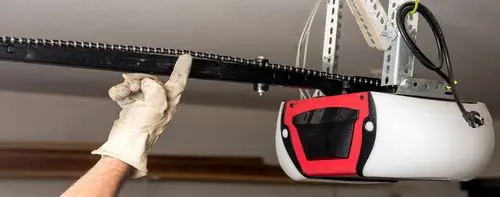
- Chain-Drive Openers: Use a metal chain to lift the door. They are reliable and cost-effective but can be noisy.
- Belt-Drive Openers: Use a reinforced rubber belt for quiet operation. Ideal for garages connected to living spaces.
- Screw-Drive Openers: Use a threaded steel rod to lift the door. Fewer moving parts, low maintenance, but can be noisy and sensitive to temperature changes.
- Smart Openers: Wi-Fi enabled openers allow remote control, notifications, and integration with apps and home automation systems.
Signs Your Opener Needs an Upgrade
Some clear signs indicate it's time to upgrade:
- Excessive noise or vibration during operation
- Slow or uneven door movement
- Frequent motor overheating or failures
- Older opener lacking safety sensors or auto-reverse
- Difficulty finding replacement parts for outdated models
- Lack of remote or smart functionality for convenience
Benefits of a New Garage Door Opener
Upgrading provides numerous benefits beyond simple door movement:
- Safety: Modern openers comply with updated safety standards, including sensors and emergency reverse systems.
- Security: Rolling code technology changes access codes automatically, preventing hacking or unauthorized entry.
- Quiet operation: Belt-driven models operate almost silently, minimizing disruption in attached homes.
- Convenience: Remote controls, smartphone apps, and voice activation allow control from anywhere.
- Durability: New openers are designed to handle heavier doors with smoother performance.
Preparing for an Opener Upgrade
Before upgrading, consider these factors:
- Measure the door size and weight to ensure compatibility
- Check ceiling clearance for new rail or mounting requirements
- Consider the number of users and frequency of door usage
- Plan for smart integration if desired
- Budget for installation and any additional parts, like new remotes or keypads
Installation Process Overview
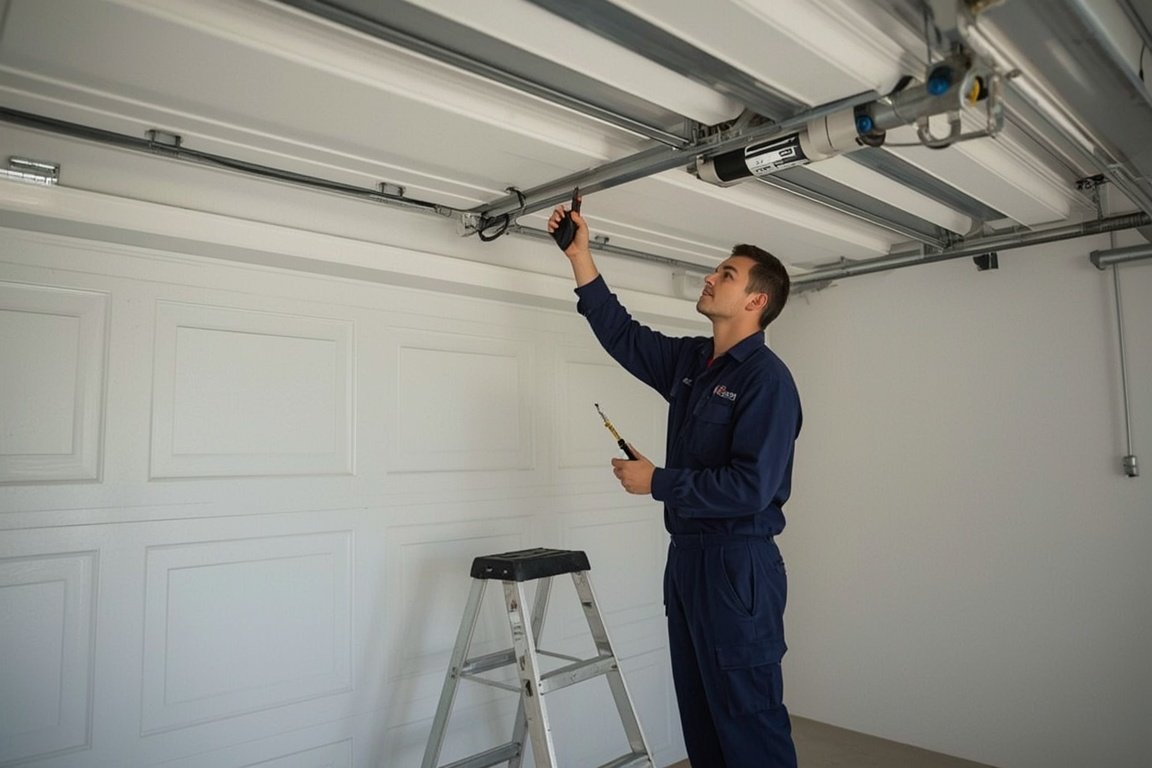
Installing a new garage door opener is technical and involves handling high-tension springs and heavy doors. The general steps include:
- Disconnecting and removing the old opener
- Mounting the new opener motor and rail system securely to the ceiling
- Attaching the trolley and connecting to the door arm
- Installing safety sensors at the door's base
- Programming remote controls, keypads, and smart connectivity
- Testing full door operation and auto-reverse functionality
Note: Due to safety concerns, professional installation is strongly recommended, especially if the door has high-tension springs or a heavy design.
Maintenance Tips for Longevity
Even with a new opener, regular maintenance ensures long-term performance:
- Lubricate moving parts like chains, belts, and hinges every 6 - 12 months
- Inspect safety sensors for alignment and cleanliness
- Check mounting brackets and rail for secure attachment
- Test the auto-reverse function regularly
- Replace remote batteries as needed
Enhancing Your Opener with Accessories
Modern openers allow several enhancements:
- Keypads for keyless entry
- Battery backups for operation during power outages
- Smartphone apps for remote control, notifications, and monitoring
- Timer-to-close features for automated operation
- Security lighting or motion sensors integrated with the opener
Common Mistakes to Avoid
- Attempting DIY installation without proper tools or knowledge
- Choosing an incompatible opener for door weight or size
- Ignoring safety sensor alignment or auto-reverse testing
- Neglecting regular lubrication and maintenance
- Failing to upgrade remote controls and security features on older systems
Professional vs. DIY Installation
While some homeowners may attempt a DIY installation, professional services provide several advantages:
- Proper handling of high-tension springs and heavy doors
- Accurate programming of safety features and remotes
- Expertise in troubleshooting and optimizing performance
- Warranty coverage on labor and parts
Energy Efficiency and Cost Considerations
Modern openers consume less energy and can handle insulated doors more effectively. While upfront costs may be higher, the benefits include:
- Reduced energy usage over time
- Fewer repairs due to modern technology and durable components
- Enhanced property value with a modernized, safe, and convenient garage system
Conclusion
Upgrading your garage door opener is a smart investment for convenience, safety, and home security. Modern openers provide quiet operation, energy efficiency, smart integration, and improved durability. Understanding the different types of openers, preparing properly, and relying on professional installation ensures a smooth, reliable, and long-lasting system. Regular maintenance and careful use extend the life of your new opener and keep your garage door operating safely and efficiently for years to come.
Tip: Schedule an annual inspection of your garage door and opener, even if it operates smoothly. Early detection of wear or alignment issues prevents costly repairs and ensures maximum safety.
Skip the YouTube rabbit hole - we'll have a tech at your door same day across Broward, Dade and Palm Beach.